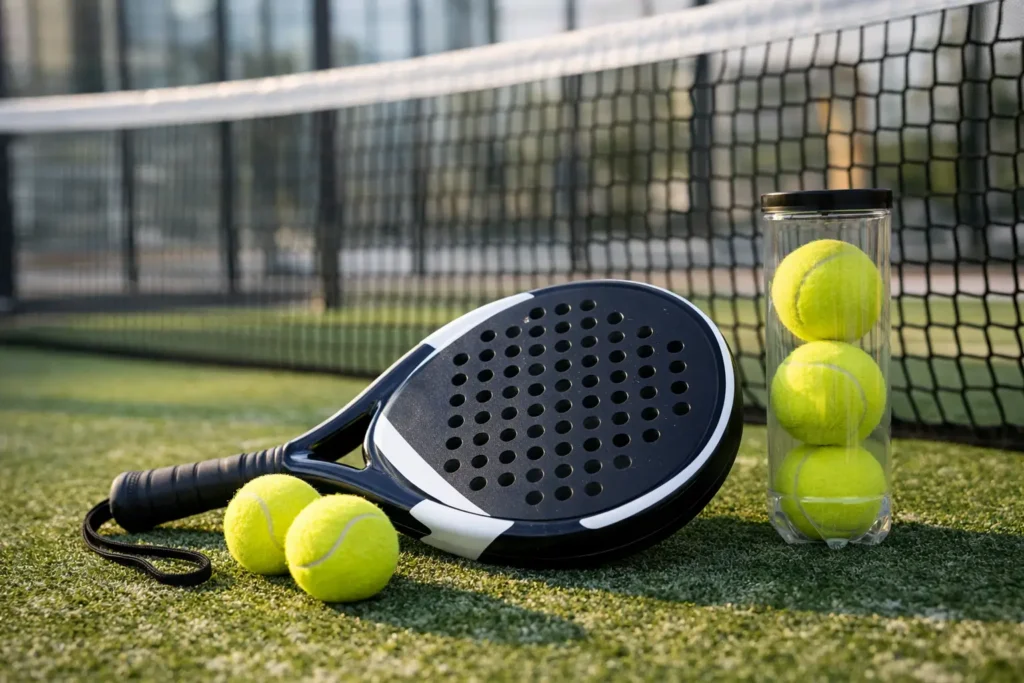
A lot of players buy their first or next padel racket for the wrong reason. It looks sharp, a pro uses it, or it is on offer and seems too good to miss. Then a few matches later, the racket feels heavy at the net, harsh on the arm, or simply wrong for the way they actually play.
If you want to know how to choose a padel racket, start with one simple rule: choose for your game, not someone else’s. The right racket should help your level, suit your style, and feel comfortable over a full match – not just during five good minutes in a shop.
How to choose a padel racket for your level
Your level is the best place to begin because it quickly narrows the field. There is no point buying a racket built for advanced players if you are still working on clean contact and basic positioning. In padel, more aggressive gear is not always better. Sometimes it just makes the game harder.
Beginners usually benefit from a racket with a larger sweet spot, softer feel and easy handling. That means more forgiveness on off-centre hits and less punishment when timing is not quite there yet. A round or hybrid shape often makes the most sense here because control comes easier, and comfort matters more than raw power.
Intermediate players often sit in the trickiest category. You can already rally well, defend under pressure and finish simple volleys, but you still want help from the racket. This is where hybrid options become attractive. They offer a balance between control and power, so you can grow into a more attacking game without sacrificing consistency.
Advanced players usually know what they want. Some need faster overheads and more punch at the net. Others prefer precision, touch and stability in defensive play. At this level, choosing a racket becomes less about forgiveness and more about performance details like balance, firmness and response speed.
Shape matters more than most players think
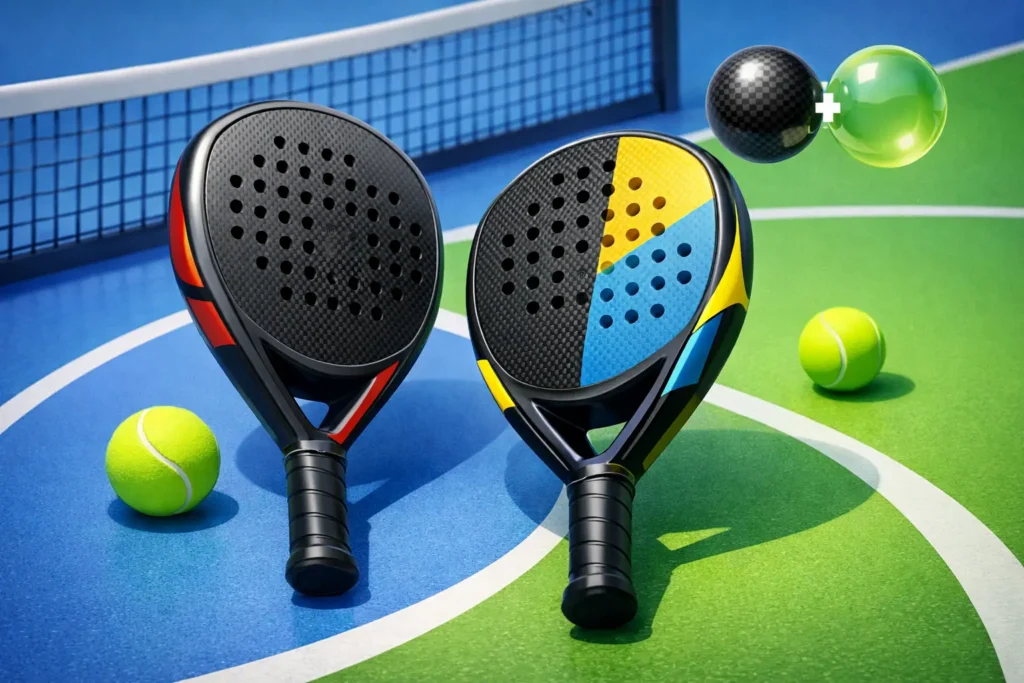
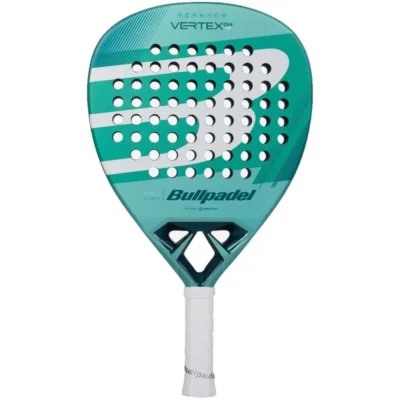
One of the quickest ways to understand how to choose a padel racket is to learn the three main shapes: round, diamond and hybrid or teardrop. Shape changes how the racket feels in your hand and how demanding it is during play.
A round racket is usually the easiest to control. Its sweet spot tends to sit more centrally, which helps with consistency and comfort. If you are new to the game, play a patient style, or want more confidence in defence, round shapes are often the safest choice.
A diamond racket is more attack-focused. It typically has a higher balance and can generate strong power on smashes and volleys. The trade-off is that it can feel less forgiving, especially if your contact point is not reliable. For players who like to take charge at the net, it can be a great fit. For others, it can feel like hard work.
Hybrid or teardrop rackets sit in the middle. They are popular for a reason. You get a more all-round response, which suits many club players who want enough control at the back of the court and enough power when the chance opens up.
Balance and weight decide how the racket moves
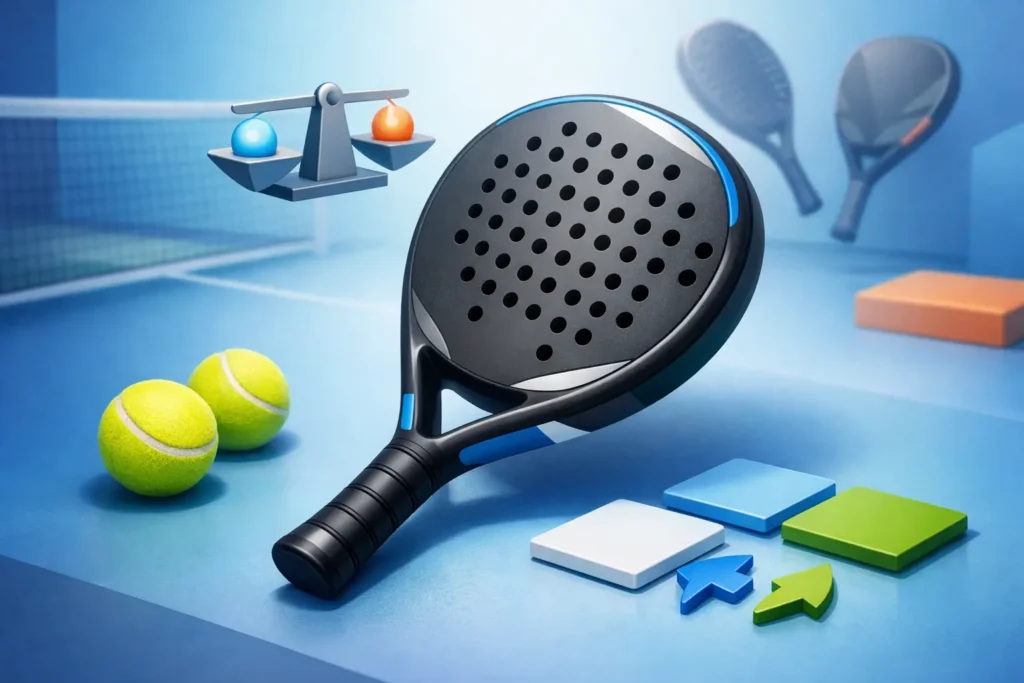
Two rackets can look similar and still play very differently. That is usually down to balance and weight.
Balance refers to where the weight sits. A head-heavy racket gives you more punch and can help aggressive shots feel bigger. The downside is slower handling and extra strain through long matches. A lower-balance racket feels quicker and easier to manoeuvre, which is useful in fast exchanges and defensive situations.
Weight matters too, but heavier is not automatically better. A heavier racket can feel solid and stable, especially when blocking hard shots. At the same time, if it is too much for your strength or technique, your reactions slow down and your arm can tire quickly.
Most recreational players are better off choosing a manageable weight that feels comfortable from the first session. If you are between two options, the slightly easier racket is often the smarter buy. Comfort tends to win over time.
Soft or hard feel – what suits your game?
This is where many players get lost in technical terms. The easiest way to think about it is feel.
A softer racket generally offers more comfort and helps create easy depth with less effort. It can also be more forgiving on the arm, which is a big plus if you play regularly or have had elbow discomfort before. For beginners and intermediates, soft-to-medium feel is often the best starting point.
A firmer racket gives a crisper response and can offer more precision and power if your technique is solid. The trade-off is reduced forgiveness. Miss the sweet spot and you will notice it.
Neither is objectively better. It depends on how you play and what you want help with. If your game is based on control, defence and consistency, softer can feel better. If you attack confidently and generate your own racket speed, a firmer model may suit you more.
Think about your playing style, not just your standard
Your level tells part of the story, but your style matters just as much. Two intermediate players can need completely different rackets.
If you like to build points, defend well and wait for mistakes, a control-focused racket makes sense. You will want easy handling, a dependable sweet spot and good touch on lobs and blocks.
If you prefer to press forward, volley aggressively and look to finish points, a power-oriented racket may be the better option. Just be honest with yourself. Plenty of players think they need maximum power when they would actually win more matches with a racket that gives them better control.
If your game changes depending on your partner, opponent or court conditions, hybrid is often the smart middle ground. It gives you room to adapt without feeling limited.
Comfort is not a small detail
A racket can be powerful, popular and good value, but if it does not feel right in your hand, none of that matters much. Comfort should never be treated as an afterthought.
Grip feel, manoeuvrability and vibration all play a part. If you have any history of arm pain, shoulder tightness or wrist discomfort, prioritise comfort early. A softer feel, more forgiving shape and manageable weight can make a huge difference over a season.
This is also why copying advanced players rarely works. They may be strong enough and technical enough to handle a demanding racket. That does not mean it is the right choice for you.
Brand matters less than fit
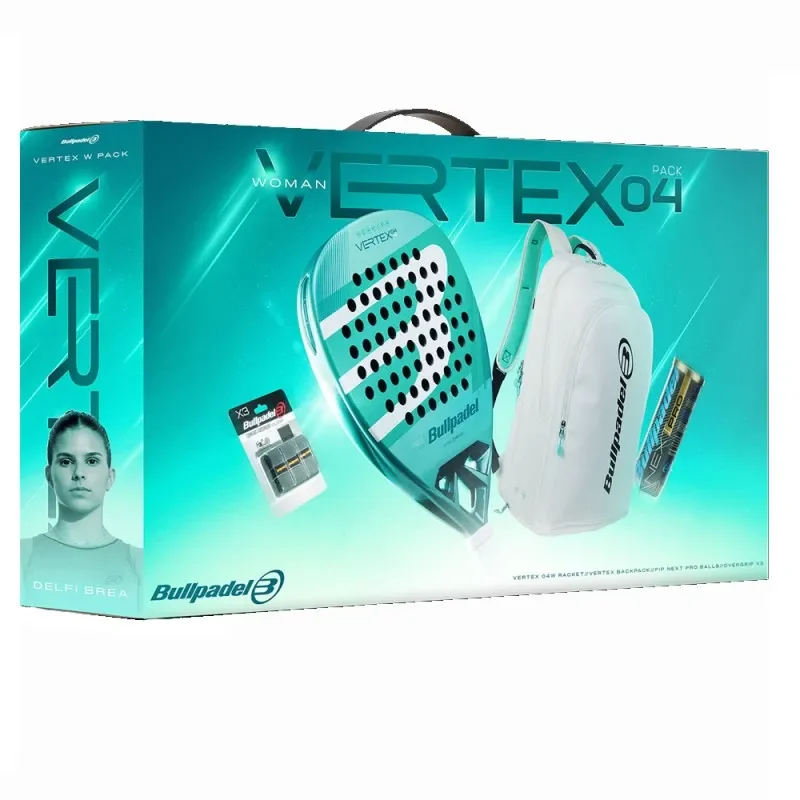
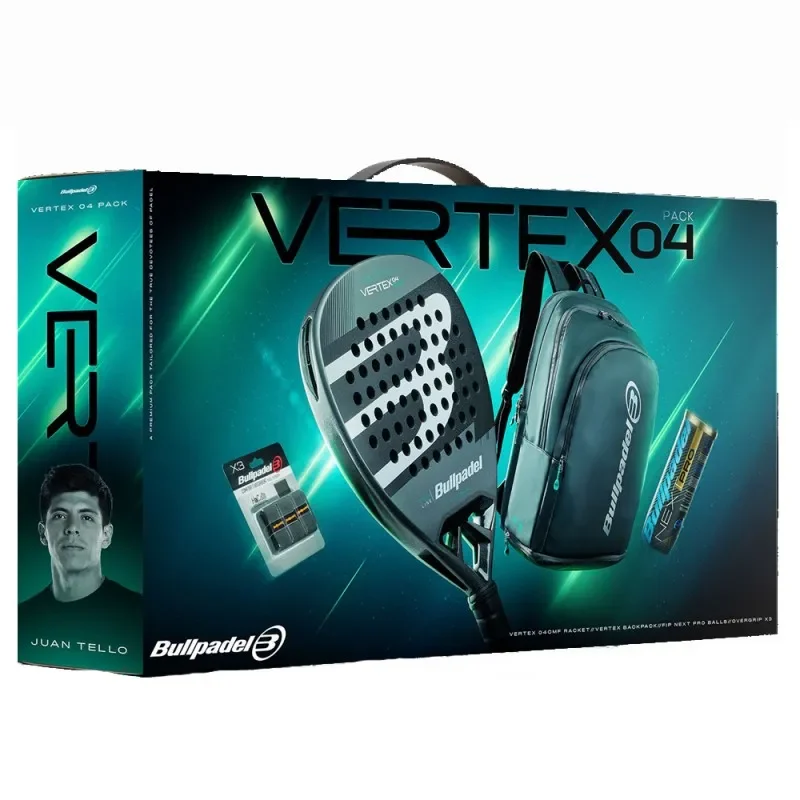
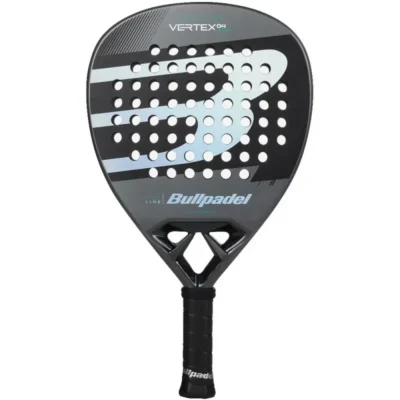
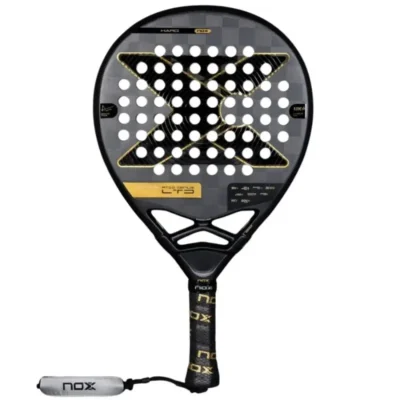
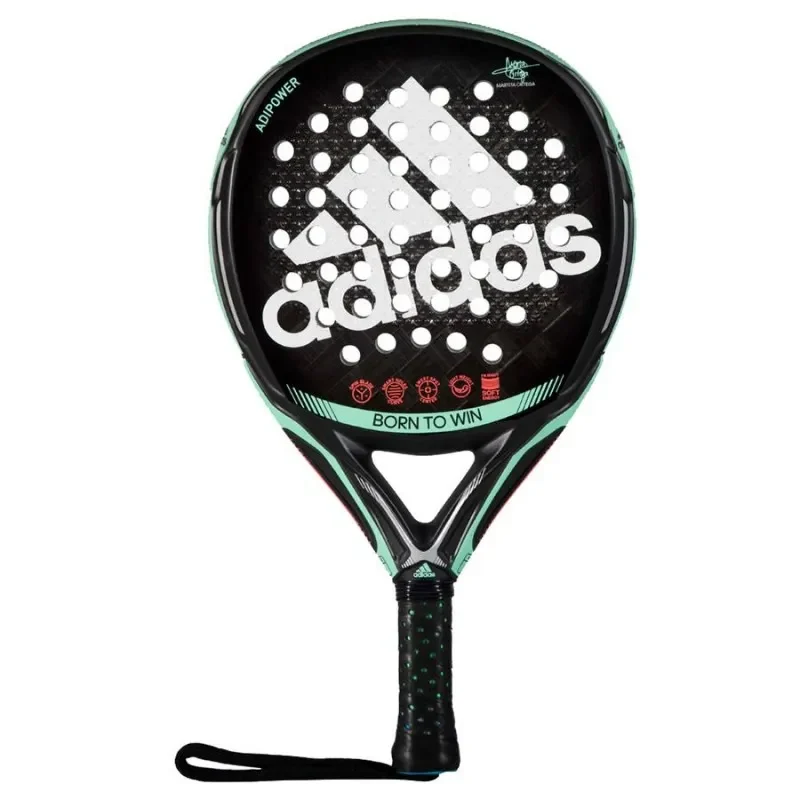
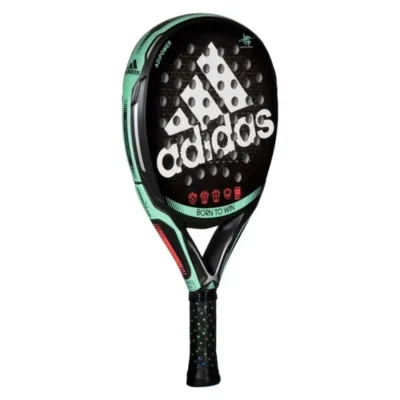
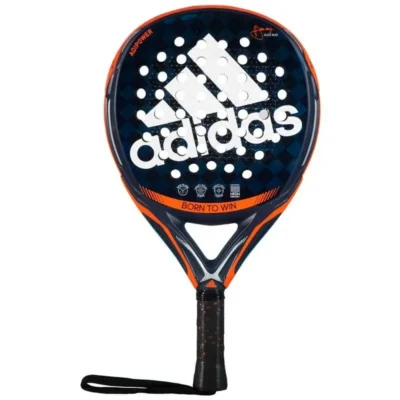
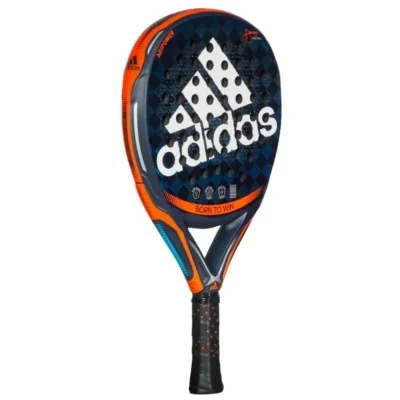
Well-known brands such as Adidas, Babolat, Bullpadel, Head, Nox, Starvie and Wilson all make strong rackets across different price points and player types. The key difference is not simply the logo. It is whether the model matches your level and style.
That is good news because it means you do not need to chase the most expensive option. Many players get better results from a well-chosen mid-range racket than from a premium model that does not suit them. Shop smart and focus on fit first, price second and hype last.
How to avoid the most common buying mistakes
The biggest mistake is buying too advanced, too soon. A racket that promises explosive power can sound tempting, but if it shrinks your margin for error, your game often suffers.
The second mistake is ignoring balance and comfort. Players sometimes focus on shape alone, when two hybrid rackets can feel completely different because of weight distribution and firmness.
The third is thinking one racket does everything equally well. Every model involves trade-offs. More power often means less forgiveness. More stability can mean slower reactions. The best choice is usually the one that supports the shots you play most often.
A simple way to narrow your options
If you want a faster route to the right decision, ask yourself three questions. What is your current level? Do you need more control, more power or a mix of both? And do you prefer comfort and easy handling, or a firmer, more direct response?
Your answers will usually point you in the right direction. A beginner who wants comfort and control should look at round, softer models. An intermediate all-rounder will often land on a hybrid racket with medium balance. An advanced attacking player may prefer a diamond shape with a more powerful response.
If you are browsing online and want a simpler way to sort the options, the category structure at 7padel makes this easier by grouping rackets by level and playing style. That saves time and cuts out a lot of guesswork.
The best racket is not the one with the loudest marketing or the highest price. It is the one that makes your game feel clearer, more comfortable and more confident the moment you step on court. Choose that, and you will feel the difference long before your next match is over.