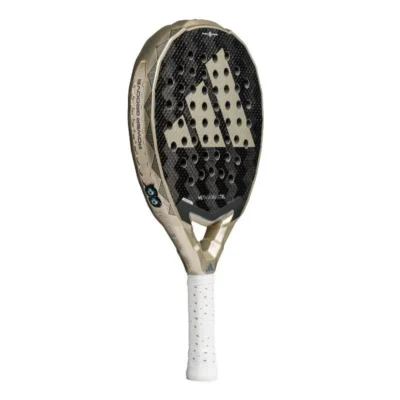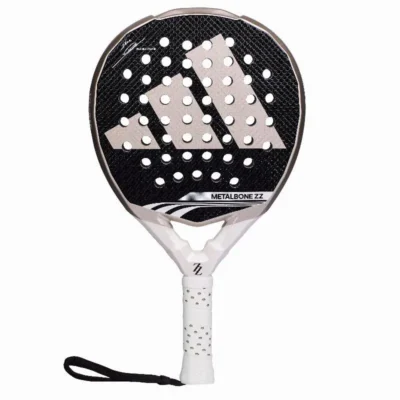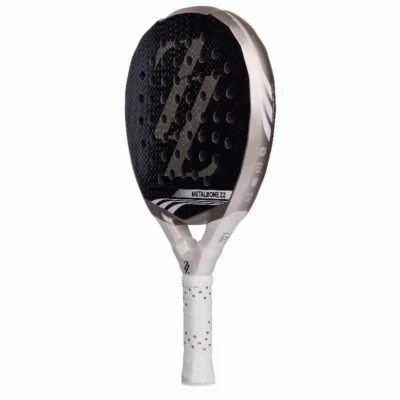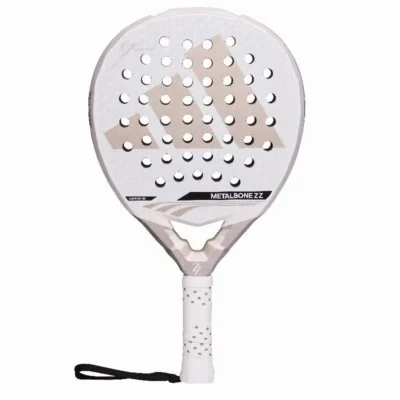
You can have the right shape, the right balance and a racket from a brand you trust, then still end up with the wrong feel in your hand. That usually comes down to the hitting surface. If you are comparing models and wondering why one feels crisp and lively while another feels softer and easier to control, this is where padel racket face materials explained properly makes a real difference.
For most players, the face material is one of the quickest ways to narrow the choice. It affects how firm the racket feels on contact, how much help you get on off-centre shots, how much effort you need to generate pace, and how comfortable the racket feels over a long match. You do not need a degree in materials science to choose well, but you do need to know what the common options actually do.
Padel racket face materials explained for real players
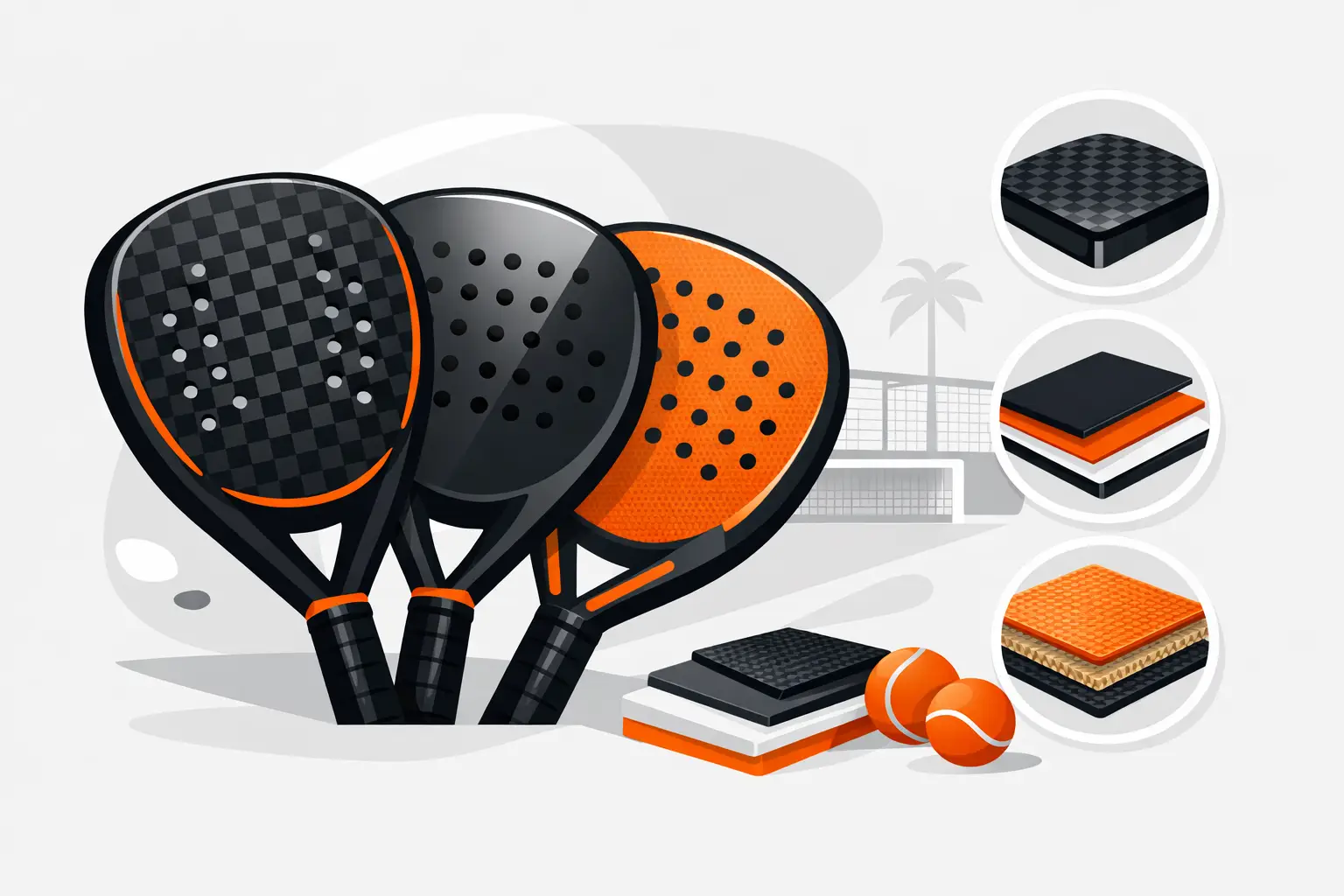
When brands talk about racket face materials, they are usually referring to the outer layers of the racket head. The most common options are fibreglass, carbon fibre, and blended or hybrid constructions. Some brands also highlight special carbon weaves such as 3K, 12K, 18K or aluminised carbon. These names can sound more complicated than they need to be, but the basic idea is simple – stiffer materials tend to feel more direct and powerful, while softer materials tend to feel more forgiving and comfortable.
That does not mean one is better than the other. It depends on your level, swing speed, and what kind of ball response you want.
Fibreglass faces
Fibreglass is often the most forgiving option. It has a softer, more elastic feel at impact, which helps newer and improving players who do not always strike the ball cleanly. If your timing is still developing, or you want a racket that gives you easy depth without feeling too harsh, fibreglass usually makes sense.
The main advantage is comfort and easy power. Because the material flexes more, it can help the ball come off the face with less effort. That can be useful in defensive situations, especially when you are under pressure and do not have time for a full swing. It also tends to feel kinder on the arm.
The trade-off is precision. Fibreglass faces usually feel less crisp than carbon, so players with faster swings may find them a bit vague on hard volleys, overheads and aggressive bandejas. If you already generate your own pace and like a clean, firm response, fibreglass can start to feel limiting.
Carbon fibre faces
Carbon fibre sits at the performance end for many players because it is stiffer and more responsive. On contact, it gives a firmer, sharper feel. That usually translates into more control on fast shots and a more stable response when you are attacking the ball.
If you are an intermediate or advanced player, carbon often rewards better technique. Volleys can feel tidier, blocks more solid, and overheads more precise. A good carbon face also tends to hold up well over time, which matters if you play regularly.
The downside is that carbon is less forgiving. If your contact point is inconsistent, or you prefer a softer sensation, a full carbon face can feel demanding. It may also require more of your own swing speed to get the best from it, especially in slower conditions or from the back of the court.
Hybrid and mixed faces
Hybrid constructions aim for the middle ground. Brands combine carbon and fibreglass, or use different weaves and resin systems, to balance comfort with response. For many club players, this is the sweet spot.
A hybrid face can give you some of the softness and easy depth of fibreglass without losing all the firmness and directional control that carbon offers. If you are moving from beginner to intermediate level, this type of face is often easier to grow into than a very soft entry racket or a very stiff advanced one.
What do 3K, 12K and 18K carbon mean?
This is where product pages can get noisy. In simple terms, the K number refers to the number of carbon filaments grouped in each tow of the woven material. Lower and higher numbers can influence the feel of the face, but they are not a simple ranking from bad to good.
A 3K carbon face is often associated with a slightly more balanced and manageable feel. Higher-number weaves such as 12K or 18K are often marketed as more advanced and can feel stiffer or more explosive, depending on the full racket build. But the face material does not act alone. The core foam, racket shape, balance and surface texture all affect the final result.
That is why two rackets with 12K carbon can still play very differently. The label matters, but the whole construction matters more.
How face materials affect power, control and comfort
If your game is built around quick hands at the net and taking the ball early, a firmer face usually helps. Carbon gives more direct feedback, and that can improve confidence when you are punching volleys or aiming for tight placement. The ball does what your technique tells it to do, which stronger players generally like.
If you rely more on consistency, defensive retrievals and building points patiently, a softer face can be the smarter choice. Fibreglass helps absorb impact and gives a bit more assistance when you are stretched. That can make the game feel easier, especially if you do not always hit the sweet spot.
Comfort is another big factor. Players who have had elbow or shoulder irritation often prefer softer-feeling rackets, although the core and balance also matter here. A stiff carbon face paired with a hard core can feel brilliant for clean ball strikers, but too demanding for someone playing three times a week with a slightly tired arm.
Padel racket face materials explained by player level
For beginners, fibreglass or a softer hybrid face is usually the safer bet. It keeps the racket approachable and helps you learn without punishing every imperfect contact. You will get easier depth, a more comfortable feel and a racket that supports development rather than fighting against it.
For intermediate players, the choice becomes more personal. If your game is improving and you want more accuracy on volleys and overheads, a hybrid or moderate carbon face can be a strong fit. If you still want comfort and easy output from the back court, staying with fibreglass is not a compromise – it may simply suit your game better.
For advanced players, carbon is often the preferred route because it offers the most direct response. That said, not every advanced player wants the stiffest possible face. Some still choose softer or blended constructions for touch, comfort or better feel in slower conditions.
Surface material and spin are not exactly the same thing
Many shoppers assume the face material alone creates spin. Not quite. Spin comes partly from technique and partly from the racket’s surface finish. Rough or textured faces can help grip the ball more on slices and kick smashes, but the underlying material still changes the sensation.
A carbon face with a sandy or embossed finish often feels sharper and more aggressive. A fibreglass face with texture may still help with spin, but it generally feels softer and more forgiving on contact. If spin is important to you, look at both the material and the texture rather than treating them as the same feature.
How to choose without overthinking it
Start with your level and be honest about your swing speed. If you are still building confidence and consistency, do not buy a stiff carbon racket just because it sounds more advanced. A racket that feels good now will help you improve faster than one that only makes sense on paper.
Next, think about your usual match experience. If you often feel rushed in defence and want the racket to give you some free help, softer faces make life easier. If you attack confidently, play a lot at the net and like a crisp response, carbon is more likely to suit you.
Finally, remember that face material is only one part of the choice. Shape, balance and core firmness can completely change how a racket behaves. The best buying decisions happen when these elements line up with your game, not when you chase the fanciest spec.
That is why practical guidance matters more than jargon. At 7padel, the smartest choice is not the most expensive one or the most technical-sounding one. It is the racket that matches how you actually play today, while still giving you room to enjoy the next level tomorrow.
If you are stuck between two options, lean towards the face material that makes the game feel simpler, not harder. The right racket should help you play with more confidence from the first session.