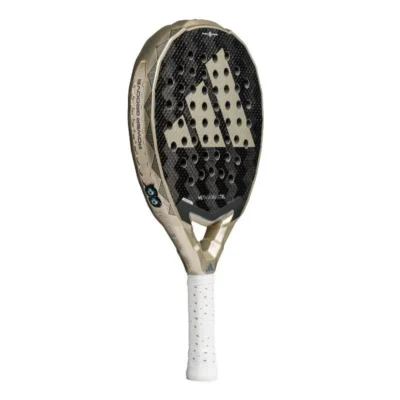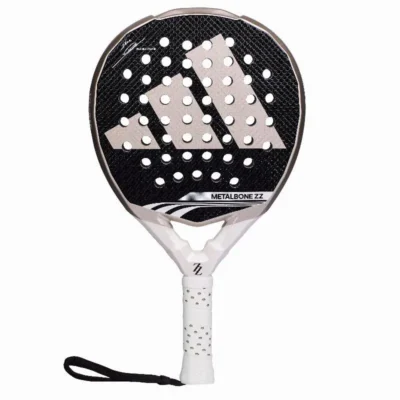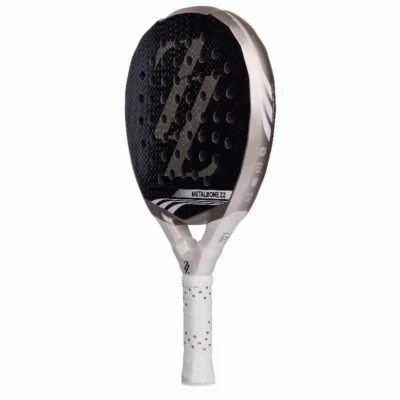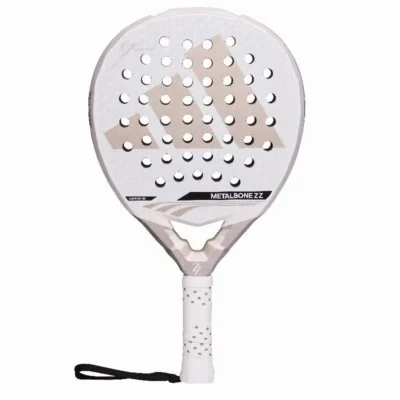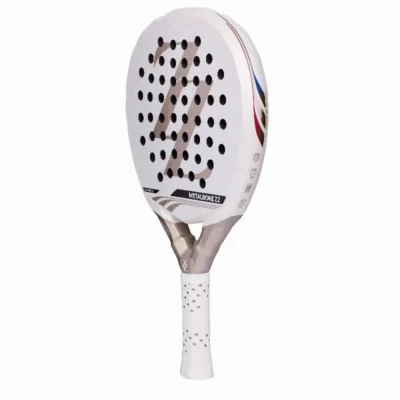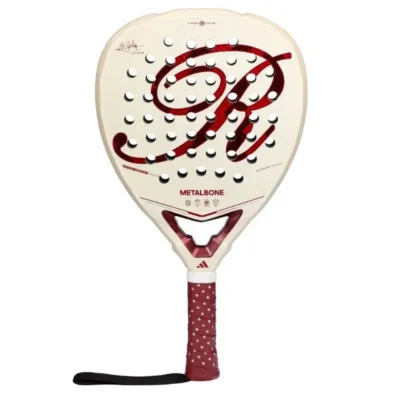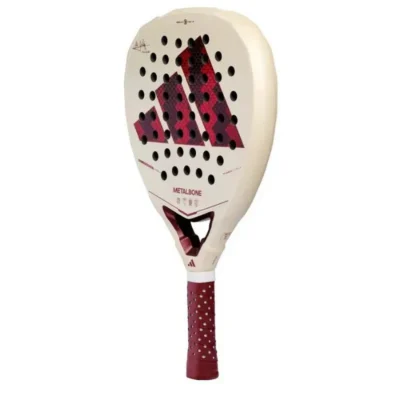
If you are looking at your first proper padel racket or want something easier on the arm, this Head Evo Speed review will save you a lot of guesswork. It is one of those rackets that makes sense the moment you step on court with it – light in the hand, forgiving on off-centre shots, and far less demanding than many models that look exciting online but punish you in real play.
That matters because plenty of players buy too much racket too early. A harder, more aggressive frame can sound like progress, but if you are still building timing, control and confidence at the glass, it usually does the opposite. The Evo Speed sits in a smarter spot. It is built to help you play better now, not just impress you in the product description.
Head Evo Speed review: who is this racket really for?
The clearest answer is beginner to lower intermediate players. If you are learning the basics, improving consistency, or simply want a comfortable racket that does not fight back, this model makes a lot of sense. It is especially well suited to players who value a soft touch, easy depth and a generous sweet spot over maximum power.
It also suits casual players who play once or twice a week and want recognised brand quality without moving into a more demanding performance frame. Not every buyer needs a racket aimed at tournament-level attacking play. For a lot of club players, ease of use is the better investment.
Where it becomes less ideal is for experienced, aggressive players who hit hard and want a firmer response on volleys and smashes. If your game relies on high racket-head speed and decisive put-aways, you may find the Evo Speed a little too soft and a bit short on punch.
What the Head Evo Speed feels like on court
The first thing most players notice is comfort. The racket has a softer, more forgiving feel than many stiffer options in the same brand family. That softness helps absorb vibration and gives you a cleaner contact sensation, especially if your timing is not perfect yet.
The sweet spot feels broad, which is a big part of the appeal. When you catch the ball slightly late or towards the edge, the racket still helps you keep the shot playable. That is exactly what newer players need. You stay in the rally more often, and that gives you more room to improve the rest of your game.
In defence, the Evo Speed is easy to manoeuvre. Blocking back fast balls at the net, lifting from the back court and reacting under pressure all feel manageable. It does not feel heavy or cumbersome, which helps if you are still developing confidence in quick exchanges.
At the net, control is decent rather than ultra-precise. Volleys come off the face with enough help, and the racket is forgiving if your contact point is not perfect. The trade-off is that advanced players may want more firmness and sharper response for punch volleys and more aggressive overheads.
Power, control and comfort
This is not a pure power racket, and that is not a criticism. The Evo Speed gives you easy power rather than explosive power. There is a difference. Easy power means the racket helps the ball travel without demanding perfect technique or huge swing speed. For many recreational and improving players, that is far more useful than raw hitting force.
Control is solid in a practical sense. You can place the ball well enough, defend comfortably and build points without feeling rushed. But the racket is not made for pinpoint, advanced-level shot shaping. If you already play with strong precision and want a very direct response, you may outgrow it.
Comfort is where it stands out most. Players with mild arm sensitivity, or those who simply dislike harsh-feeling rackets, will likely appreciate the softer response. Long sessions can feel easier on the hand and arm, which is a real benefit if comfort is high on your list.
Shape and balance: why they matter here
The Evo Speed is designed to be user-friendly, and its overall balance plays a big role in that. It feels accessible rather than demanding, which helps in almost every area of the game. You are not constantly working to control the head of the racket, and that makes a difference when rallies speed up.
For beginners, that easier handling can mean better preparation, cleaner contact and fewer rushed mistakes. For intermediate players, it can help improve defensive reliability and net reactions. The downside is simple – a more accessible balance often means less outright finishing power than a head-heavier attacking racket.
That is the recurring theme in this Head Evo Speed review. It gives more to players who need support, and less to players who want a weapon.
How it compares with more advanced padel rackets
If you compare the Evo Speed with performance-focused rackets from Head, Bullpadel, Adidas or Nox, the biggest difference is demand level. Advanced rackets often have firmer faces, smaller effective sweet spots and a more specialised feel. In the right hands, they offer better precision, more aggressive overhead performance and stronger net play.
But that only helps if your level is ready for it. For a newer player, those same features can mean more mishits, less comfort and slower progress. A racket should support your current game while leaving room to improve. It should not force you to compensate on every shot.
So if you are deciding between the Evo Speed and a more advanced model, be honest about how you actually play, not how you hope to play in six months. If you still struggle with consistency, defensive control or timing under pressure, the more forgiving option is often the smarter buy.
Head Evo Speed review: strengths and trade-offs
The biggest strengths are comfort, forgiveness and ease of use. This is a racket that helps you settle into rallies, find confidence and enjoy your matches more quickly. It does not ask much from the player, and that is exactly why it works.
The main trade-off is ceiling. As your technique sharpens and your attacking game becomes more important, you may start wanting a firmer feel, more direct control and stronger finishing power. That does not make the Evo Speed a poor choice. It just means it has a clear lane.
There is also the question of playing style. If your game is built around patient rallies, controlled defence and making fewer mistakes, you will probably enjoy it for quite a while. If you naturally play fast and aggressive, you may appreciate it as a starting point but move on sooner.
Is the Head Evo Speed good value?
Yes, especially for the type of player it targets. Buying value in padel is not about choosing the cheapest option. It is about finding a racket that matches your level closely enough to help you play better straight away. The Evo Speed does that well.
For a recognised brand model, it gives a reassuring mix of playability and accessibility. You are paying for something user-friendly from a trusted name, which matters when you want to avoid the gamble of a racket that looks good but feels wrong after two matches.
This is also where practical shopping matters. If you are choosing between several beginner-friendly rackets, focus less on marketing language and more on whether you need comfort, forgiveness and easy handling. If the answer is yes, the Evo Speed deserves a serious look. Stores like 7padel make that process easier by grouping rackets by level and style instead of forcing you through a wall of specs.
Final verdict
The Head Evo Speed is a sensible racket for players who want comfort, easy power and a forgiving feel without overcomplicating the decision. It is best for beginners, casual players and improving intermediates who want a racket that helps more than it demands.
If you are chasing maximum power or advanced shot precision, this probably is not your final destination. But if you want to shop smart, play better and enjoy your time on court from the first session, it is a strong choice that gets the basics right – and that is often what matters most.