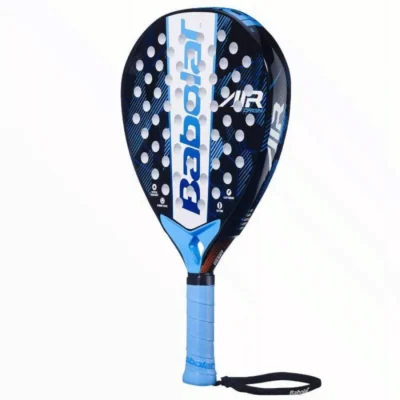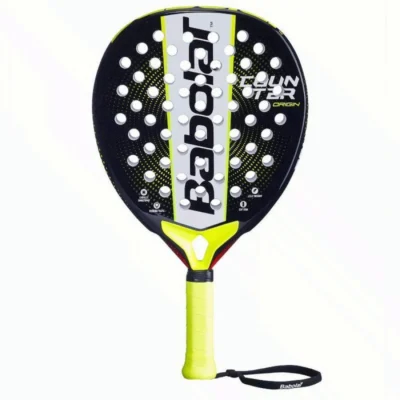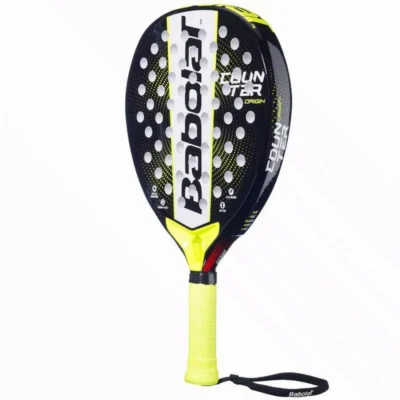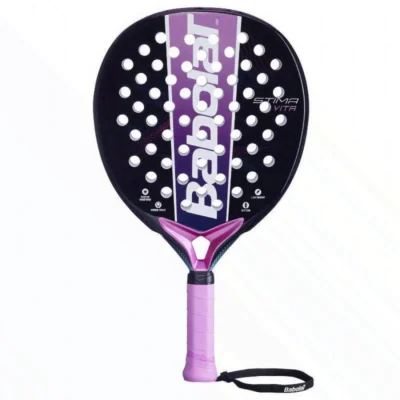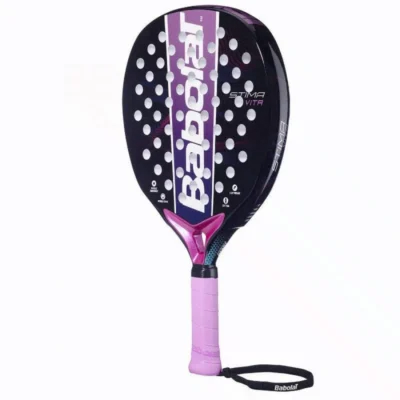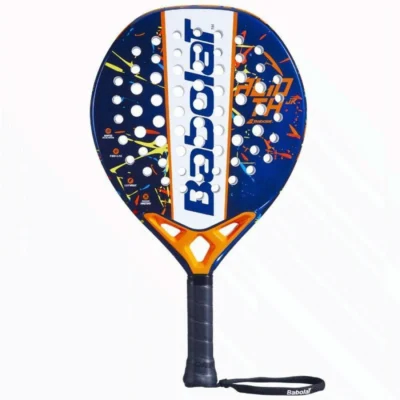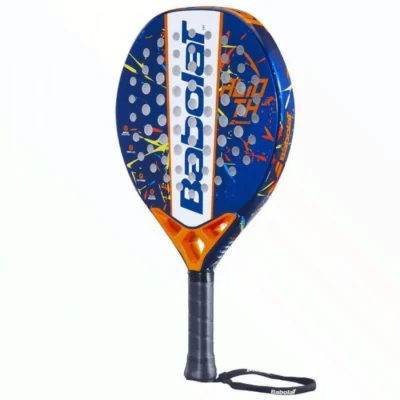
If you are searching for the best padel rackets beginners can trust, start with one simple rule – do not buy the most aggressive racket you can find. A beginner racket should make padel feel easier from the first session. That means more control, a larger sweet spot, and enough comfort to help you build technique without fighting the racket on every shot.
A lot of new players make the same mistake. They see a power model used by an experienced player, assume it must be better, and end up with something too demanding. The result is usually mishits, sore arms, and slower progress. A good beginner racket should help you keep more balls in play, feel stable at the net, and give you confidence from the back of the court.
What makes the best padel rackets for beginners?
The best beginner rackets are usually easier to handle, softer on contact, and more forgiving when you do not strike the ball perfectly. That matters because, as a new player, consistency is worth more than raw power. You are still learning timing, positioning, and how to control pace, so the racket should support that process rather than punish small mistakes.
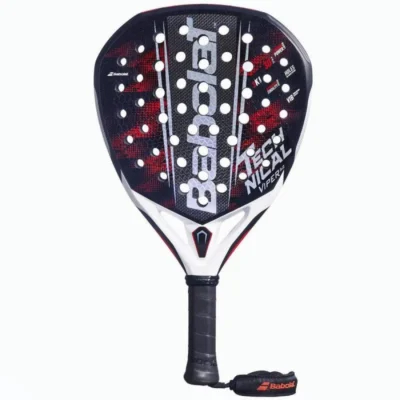
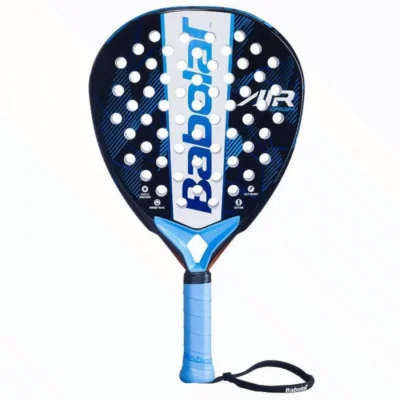
In most cases, beginners benefit from a round or hybrid shape. Round rackets tend to offer the biggest sweet spot and the best control, which is why they are often the safest starting point. Hybrid models can also work well if you want a bit more all-round performance without stepping too far into advanced territory. Diamond-shaped rackets, on the other hand, usually put more weight towards the top and can feel harder to manage unless your technique is already solid.
Weight matters too. A racket that is too heavy can slow your reactions and put extra strain on your arm, shoulder, or wrist. A lighter or medium-weight racket often feels better for new players because it is easier to manoeuvre in quick exchanges. That does not mean the lightest racket is always best, but comfort and control should come before headline power.
The surface and core also play a part. Softer materials usually give beginners a more comfortable feel and a little extra help on slower shots. Harder, stiffer rackets can offer sharper response, but they are less forgiving and tend to suit players with cleaner technique.
How to choose without overthinking it
Buying your first racket does not need to become a technical project. The quickest way to narrow your options is to focus on three things: shape, weight, and feel. If a racket is round, medium or light in weight, and described as control-focused or beginner-friendly, you are probably looking in the right area.
Brand matters less than fit, although trusted names do make shopping easier because their ranges are usually better structured. Brands such as Adidas, Babolat, Bullpadel, Head, Nox, Starvie, and Wilson all offer beginner-friendly models. The key is not choosing the most famous racket, but choosing the one that matches where you are right now.
If you only play casually once in a while, a very forgiving control racket is often the smart buy. If you know you will play every week and improve quickly, a beginner-to-intermediate hybrid racket may give you a bit more room to grow. That trade-off is worth thinking about. The easiest racket today is not always the one you will want six months from now, but going too advanced too early is still the bigger risk.
Best padel rackets beginners should look for by type
Round control rackets
For most new players, this is the safest category. Round rackets are built to keep the sweet spot more central and generous, which helps on off-centre hits. They usually feel balanced and predictable, and that is exactly what you need when learning basic groundstrokes, volleys, and serves.
If your main goal is to rally more, reduce errors, and enjoy the game faster, start here. Round rackets also tend to suit players who prefer a calmer, more controlled style rather than trying to finish every point with power.
Hybrid rackets
Hybrid rackets sit in the middle. They give you a blend of control and power, which can be a good fit if you already have some racket sport experience from tennis or squash. They are still manageable for beginners, but not all hybrid models are equally forgiving, so it is worth checking whether the racket is clearly aimed at entry-level or intermediate players.
This category makes sense if you want one racket that can support your first months and still feel relevant as your game improves. Just do not mistake hybrid for advanced by default. Some are friendly and balanced, while others lean much more towards attacking play.
Lightweight comfort rackets
If you are worried about arm comfort, slower reactions at the net, or simply want something easy to swing, lightweight models deserve attention. They can be especially suitable for players who are completely new to padel or who prefer a more effortless feel.
The trade-off is that very light rackets can sometimes feel less solid against harder balls. For many beginners that is not a big problem, but if you play against stronger opponents quite early, you may prefer a slightly more stable medium-weight option.
Features that matter more than marketing claims
It is easy to get distracted by technical labels, but beginners should keep their focus on what actually changes the playing experience. A forgiving sweet spot matters. So does a comfortable touch. Balance matters because it affects how heavy the racket feels in your hand, not just the number on the spec sheet.
Surface texture is often promoted heavily, especially for spin. It can help, but it is not near the top of the list for a new player. Before worrying about extra grip on slice or kick, make sure your racket helps you hit cleanly and consistently. The same goes for power-focused technologies. If your timing is still developing, control will do more for your results than extra explosiveness.
Grip comfort is another detail that should not be ignored. If the handle feels too thick or too thin, the racket can be harder to control. Overgrips can help fine-tune that feel, so you do not always need to reject a racket immediately, but comfort in the hand still matters from the start.
Common beginner buying mistakes
The biggest mistake is buying for the player you hope to become rather than the player you are today. It sounds ambitious, but it usually slows improvement. A racket that demands perfect contact does not teach confidence. It teaches hesitation.
Another mistake is assuming a higher price means a better beginner choice. Sometimes it simply means more advanced materials or a more specialised design. Entry-level and beginner-focused rackets are often better value because they give you the qualities you actually need instead of features you cannot use yet.
Some players also ignore playing style too early. Even as a beginner, your instincts matter. If you like building points and keeping the ball in play, a control racket will probably feel right. If you naturally enjoy pressing forward and attacking, a beginner-friendly hybrid may suit you better. You do not need a fully formed style yet, but a racket should still feel aligned with how you want to play.
When to move on from your first beginner racket
A beginner racket is not something you need to replace immediately once you improve. In fact, staying with a forgiving racket for a while often helps you develop cleaner habits. You should only think about changing when you genuinely feel limited by it – for example, if you are controlling rallies well but want more finishing power, or if your touch and timing have become much more reliable.
That point arrives at different times for different players. For some, it takes a few months. For others, a year or more. There is no prize for upgrading early. The best move is the one that matches your level, not your impatience.
Where to shop smart
When buying online, look for stores that make it easy to shop by level and racket type rather than leaving you to sort through everything alone. That saves time and cuts down the chance of ending up with the wrong spec. At https://7padel.ee, players can browse by beginner, intermediate, and advanced level, as well as control, hybrid, and power categories, which makes the process much clearer.
You should also pay attention to practical buying details. Competitive pricing matters, of course, but so do delivery terms, return policies, and whether the shop actually explains who each racket is for. A broad range of trusted brands is useful, but clear guidance is what turns a big selection into a good decision.
Your first racket does not need to be perfect. It just needs to help you enjoy the game, improve steadily, and step onto court feeling ready rather than unsure.