Best Power Padel Racket for Smashes
If your overhead feels good but the ball still sits up for your opponent, the problem is not always technique. Sometimes your racket is working against you.
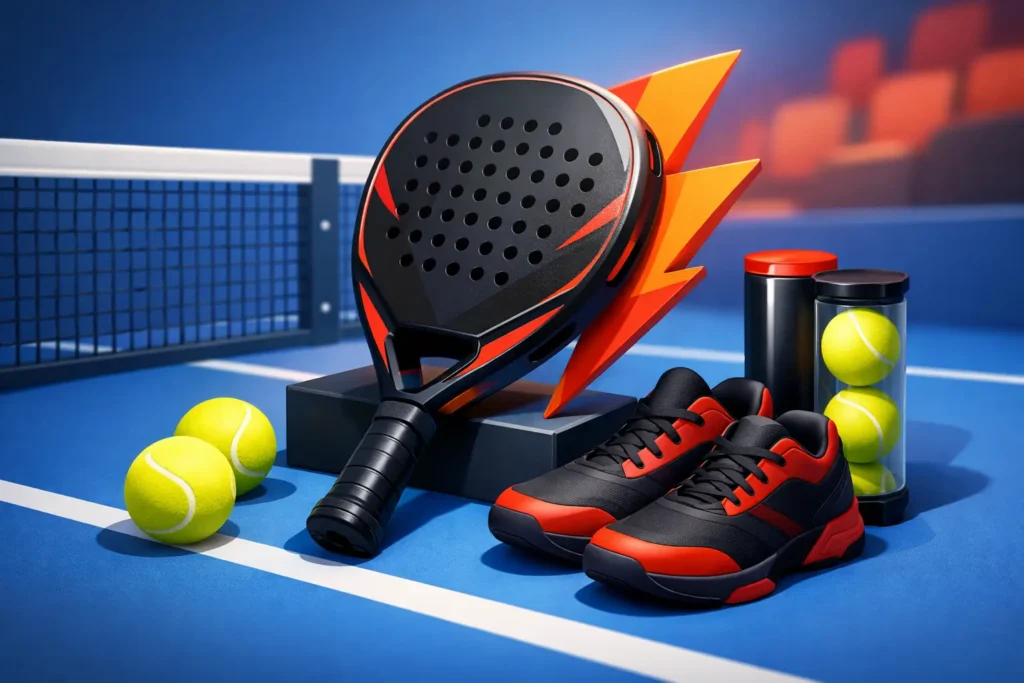
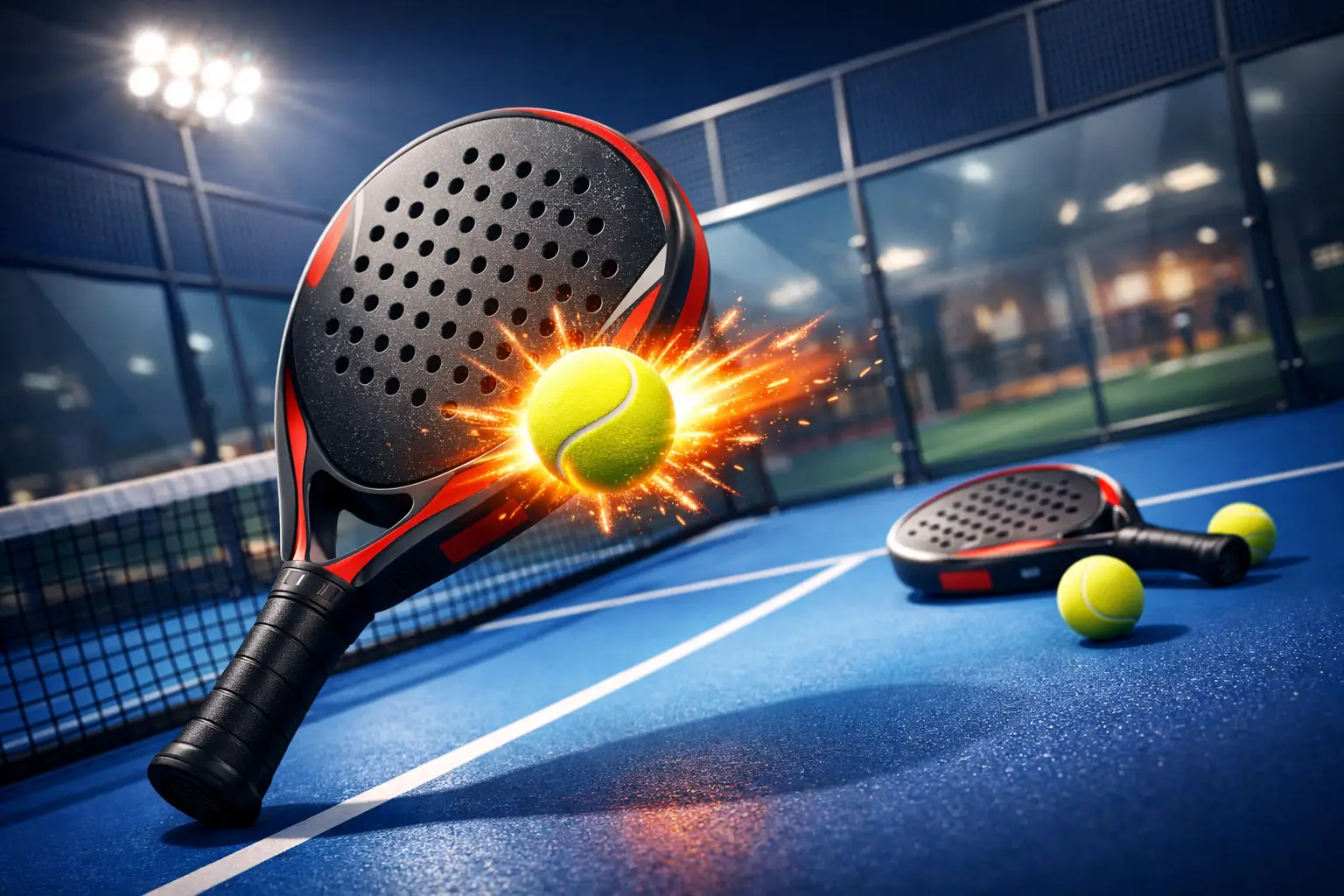
A power padel racket for smashes is built to help you hit through the ball with more speed and weight. That matters when you want to finish points at the net, force weak returns, or make your overheads more threatening even when contact is not perfect. The key is choosing power you can actually control. Too demanding, and your smash gets wild. Too soft or too low-balanced, and it never quite bites.
For most players, the best choice sits somewhere between raw power and usable performance. That means looking beyond the marketing and focusing on how the racket behaves in real play.
What makes a power padel racket for smashes?
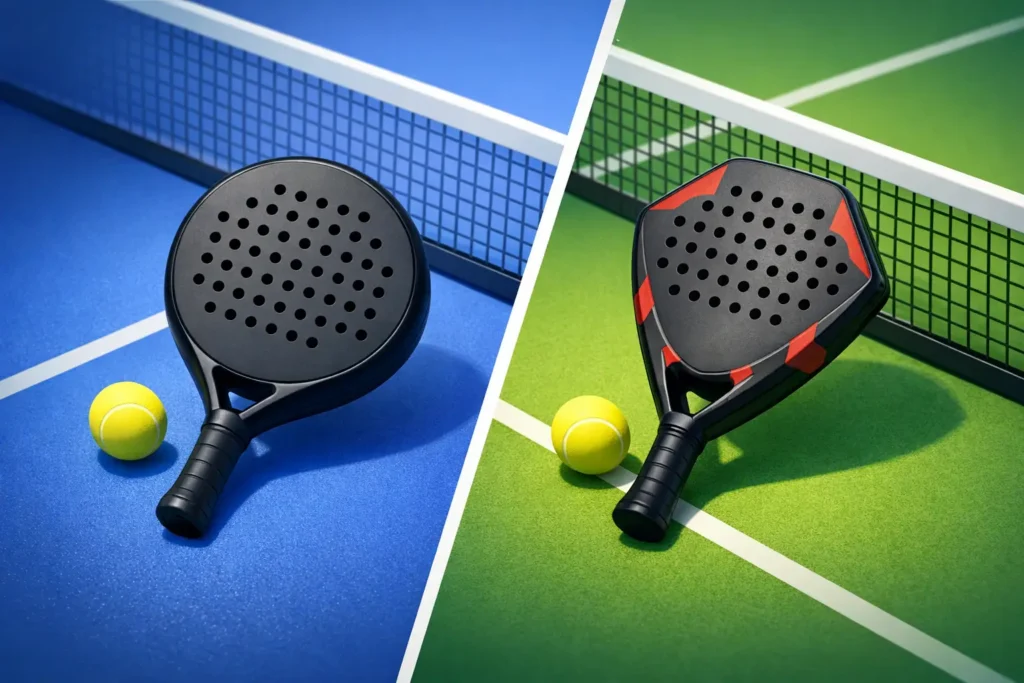
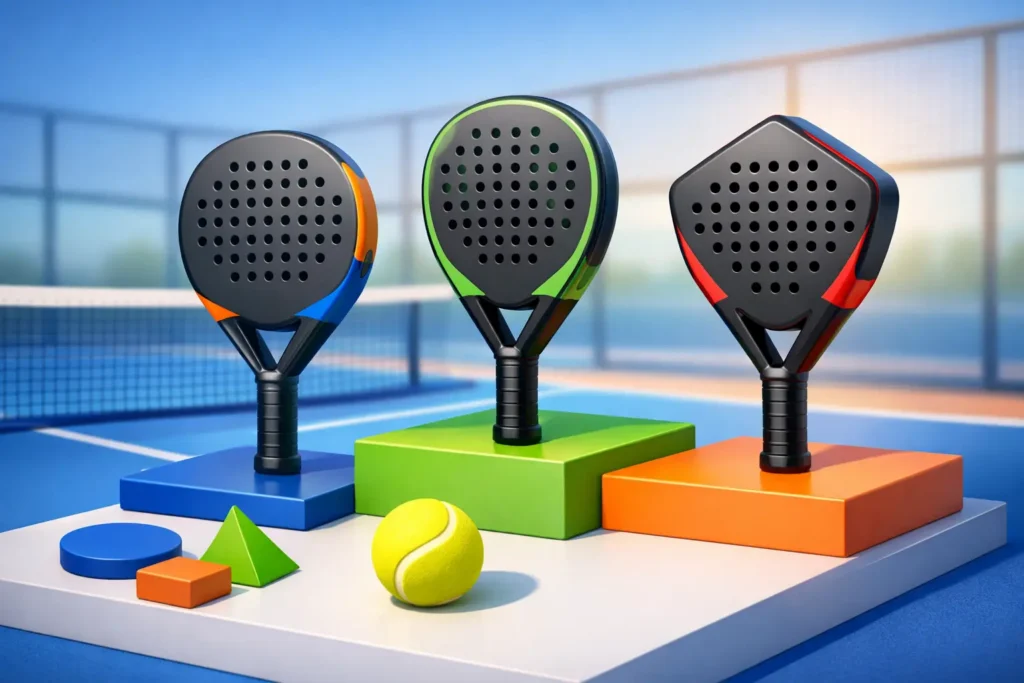
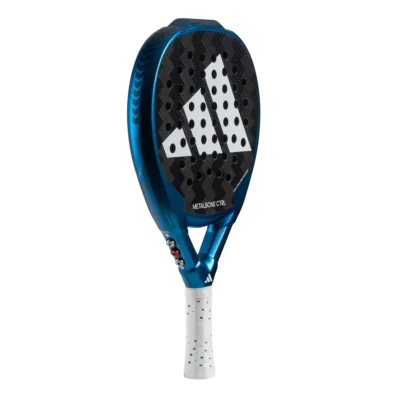
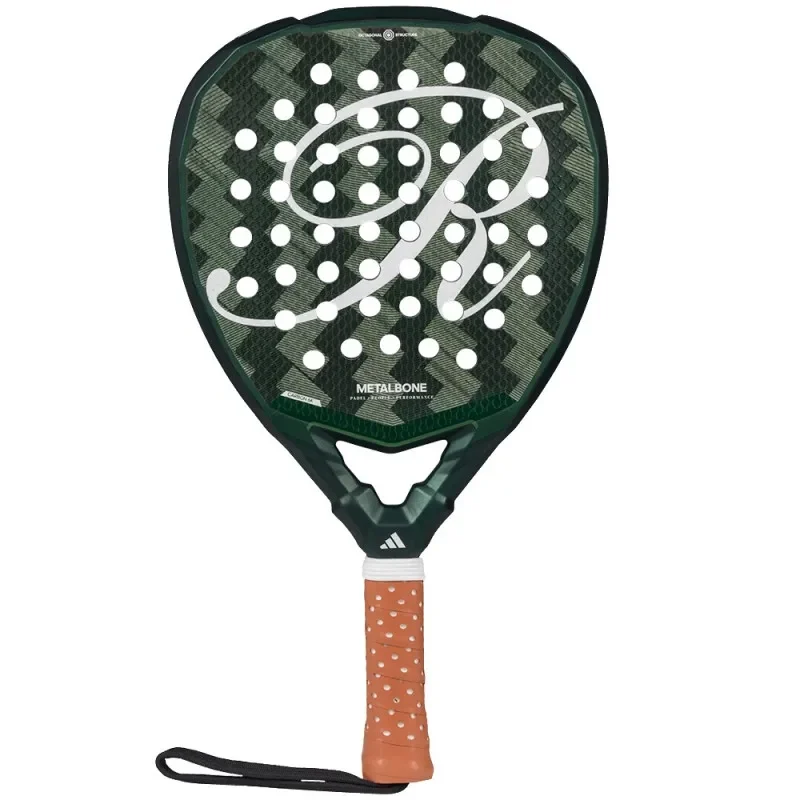
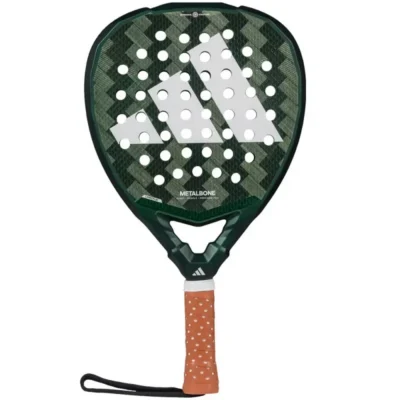
The first thing to look at is shape. Diamond-shaped rackets are the classic power option because more of the weight is placed towards the top of the frame. That higher balance helps generate more momentum on overheads, especially on flat smashes and aggressive viboras. If you like attacking at the net and finishing points above shoulder height, this shape usually makes the most sense.
The second factor is balance. A high-balance racket can feel explosive on smashes, but it also asks more from your arm and timing. You get extra punch, yet defensive shots and quick reactions can become harder. A medium-high balance is often the smarter choice for intermediate players who want more power without sacrificing too much control.
Then there is the face and core. A firmer face, often carbon-based, tends to return more energy to the ball and gives a crisper hit. That helps on overheads when you want a more direct response. A softer core can add comfort and a bigger sweet spot, but if it is too soft, your smash may feel less decisive. It depends on what kind of power you need. Some players want outright put-away speed. Others want a racket that still helps them attack while staying comfortable over a long match.
Weight matters too. Heavier rackets can produce more power, but only if you can swing them confidently. If the racket feels sluggish, your smash timing suffers and the extra grams stop being useful. In practice, the right weight is the heaviest option you can handle without losing racket-head speed.
Who should use a power racket?
Not every player needs a full-blooded attacking racket. If you spend more time defending from the back glass, or if your overhead technique is still developing, a very demanding diamond model may feel frustrating. You might gain a little on your best smashes and lose far more on volleys, returns and control.
That is why player level matters. Beginners usually benefit from a more forgiving hybrid or teardrop racket, even if they want extra pop overhead. Intermediate players often get the biggest benefit from a power-oriented hybrid or a manageable diamond racket. Advanced players with strong timing and fast preparation can make the most of high-balance, firmer rackets designed for aggressive play.
Your physical comfort matters just as much as your level. If you have had elbow or shoulder discomfort before, chasing maximum power is rarely worth it. A racket with a slightly softer feel and a more balanced weight distribution can still improve your smash while being kinder on the arm.
How to choose the right power padel racket for smashes
The easiest way to shop smart is to match the racket to your actual game, not the player you imagine yourself to be.
If your main goal is to finish points at the net, look for a diamond or power-hybrid shape with a firm face and medium-high to high balance. This setup rewards aggressive players who attack lobs and look to dominate overhead exchanges.
If you want more power but still need all-round control, a teardrop or hybrid model is often the better buy. You will not get the same extreme top-end punch as a pure diamond racket, but you are more likely to play well across the full match. For many club players, that trade-off is worth it.
If you already hit hard but want more consistency, focus less on the most powerful specification and more on sweet spot and handling. A racket that feels stable on off-centre contact often produces better real-world smashes than a stiffer, more extreme model that only shines when struck perfectly.
Brand families can help narrow things down. Across Adidas, Babolat, Bullpadel, Head, Nox, Starvie and Wilson, power lines typically lean towards diamond shapes, firmer materials and head-heavier balance. The names vary, but the playing profile is usually clear once you know what to look for.
What advanced players should look for
If you are an experienced player, your smash is probably already a weapon. At that point, the racket is about sharpening a strength rather than creating one.
A firmer carbon construction can give you the direct response needed for aggressive overheads. You may also prefer a smaller, more defined sweet spot if it gives better precision when you really go after the ball. Advanced players often accept that trade-off because they have the technique to hit cleanly and the confidence to use a more demanding frame.
Even so, not every advanced player needs the stiffest racket on the shelf. If you play several times a week, comfort and recovery matter. A slightly more forgiving power racket can keep your overhead dangerous while reducing fatigue over time.
What intermediate players should avoid
Intermediate players are often tempted by the same rackets used by top-level hitters. The problem is that elite-level power rackets can feel brilliant for ten minutes and hard work for the rest of the match.
The biggest mistake is choosing too much balance at the top of the racket before your overhead preparation is reliable. On a perfect contact, it feels great. Under pressure, it can feel late and awkward. The result is not more winners but more mishits.
A second mistake is going too stiff. If your technique is still improving, a very hard face can make the racket feel unforgiving on volleys and defensive shots. A power-hybrid with a touch more comfort is often the better path. You still gain help on smashes, but your game does not fall apart elsewhere.
The trade-off: power versus control
There is no getting around it. More power usually comes with some compromise.
A racket built for smashing tends to have a smaller margin for error, especially in defence. Quick blocks, soft touch shots and controlled lobs may require more attention. That does not make a power racket the wrong choice. It simply means you should be honest about where you win and lose points.
If you are an attacking player who takes the net early and gets lots of overhead chances, investing in a power racket makes sense. If your matches are full of long rallies and defensive recovery, all-out power may not give you the biggest improvement.
This is why the best racket is rarely the most extreme one. It is the one that lets you play your style with confidence from the first game to the last.
A simple way to narrow your options
When you are comparing models, think in three steps. First, choose your shape – diamond for maximum attacking intent, hybrid for more all-round play. Second, decide how much firmness you really want – crisp and direct, or slightly softer and easier on the arm. Third, be realistic about balance and weight – enough to help your smash, not so much that it slows your swing.
That approach usually gets you closer to the right choice than chasing buzzwords. It also makes online shopping far easier because you can filter by playing style and level instead of trying to decode every technical detail.
At 7padel, that is exactly how many players find their match – by starting with how they play, then narrowing the field to trusted brands and sensible price points.
So what is the best choice?
The best power padel racket for smashes is the one that gives you extra bite overhead without making the rest of your game harder than it needs to be. For advanced attackers, that may be a high-balance diamond racket with a firm feel. For most intermediate players, it is more likely to be a power-hybrid that still offers comfort and a usable sweet spot.
If you are shopping for more power, do not just ask which racket hits hardest. Ask which one lets you hit harder more often. That is where real value sits, and that is usually the racket you will keep enjoying long after the first big smash.