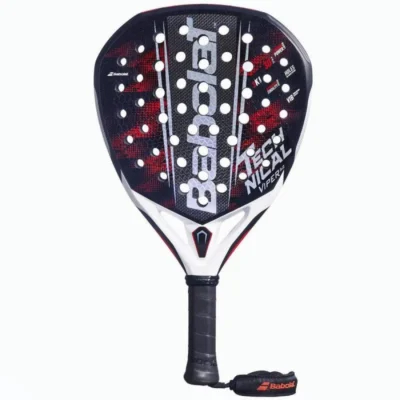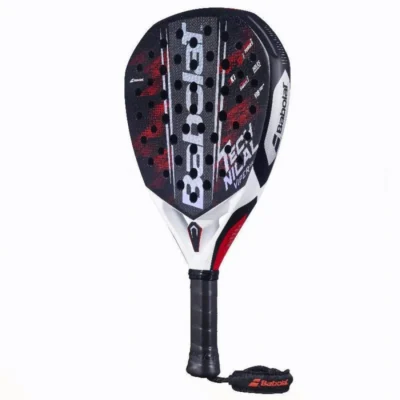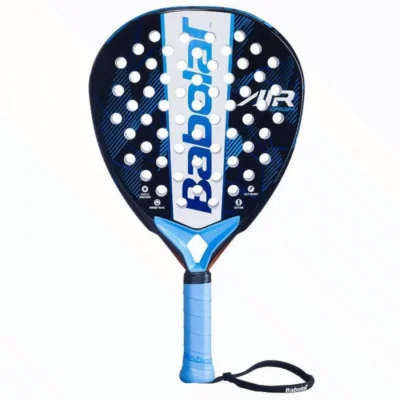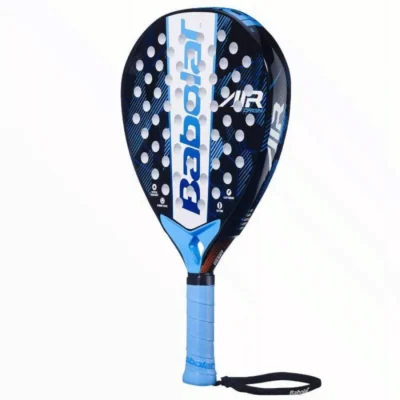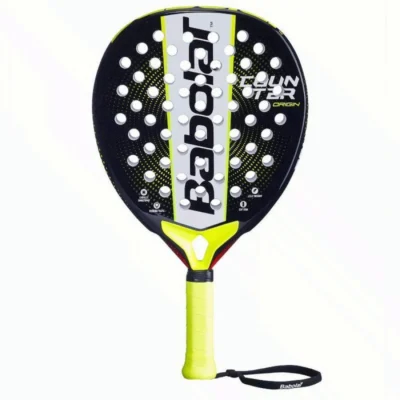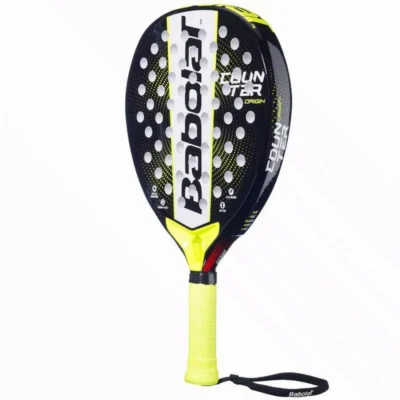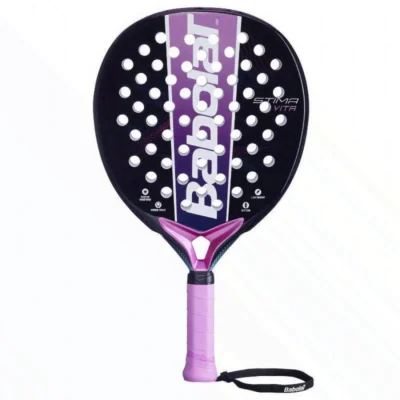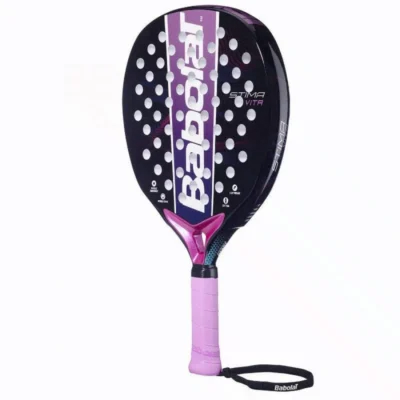
A lot of players say they want more control, but what they really want is fewer rushed volleys, cleaner returns and a racket that does not feel wild when the pace goes up. If you are wondering how to select a control racket, the best place to start is not the brand name – it is your own game.
A control racket should help you place the ball more accurately, defend with more confidence and keep points under control when matches get messy. That sounds simple, but not every control racket suits every player. The right one depends on how often you play, how cleanly you strike the ball and whether you need help with comfort, manoeuvrability or stability.
What a control racket actually does
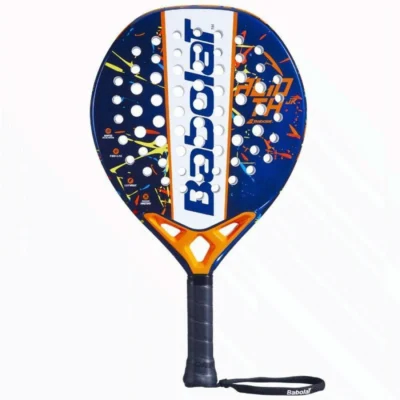
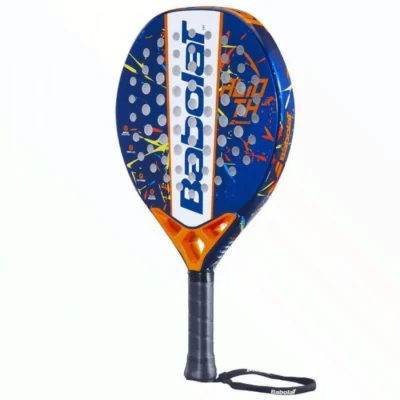
In padel, control rackets are usually designed to give you a more predictable response. That often means a rounder head shape, a lower or more central balance, and a sweet spot that is easier to find than on many power-focused models.
The main benefit is consistency. When you defend from the back glass, block fast balls at the net or try to keep your bandeja deep rather than flashy, a control racket can make the game feel calmer. You are less likely to overhit, and you usually get better feedback on contact.
That said, control does not mean no power. It simply means the racket is built to prioritise placement and feel first. If you generate your own racket head speed, you can still finish points well with a control model.
How to select a control racket for your level
The quickest way to make a bad choice is to buy for the player you hope to be in six months rather than the player you are now. Ambition is useful. Buying a racket that is too demanding is not.
Beginners
If you are newer to padel, look for a control racket that is easy to swing and forgiving on off-centre hits. A round shape is usually the safest option. Softer materials also help because they make the racket feel more comfortable and reduce the harshness of mis-hits.
For beginners, the best control racket is rarely the stiffest or most technical one. A lighter model with a medium-soft feel will usually help you improve faster because it lets you focus on timing and positioning rather than wrestling with the racket.
Intermediate players
This is where selection gets more personal. Intermediate players often know whether they want extra stability at the net, better comfort on longer matches, or slightly more pop without losing control.
If your technique is improving and you play regularly, you can move towards a slightly firmer or heavier control racket. That can give you a more solid feel on volleys and better precision when you start attacking more often. Just be honest about your consistency. If you still miss the sweet spot regularly, forgiveness matters more than a sharper spec sheet.
Advanced players
Advanced players can be more selective about balance, face feel and construction. At this level, a control racket might still be round, but it could also edge towards a hybrid design if you want more put-away power.
If you play a tactical game, build points patiently and value touch at the net, a firmer control racket can be a strong fit. If you defend a lot and play long matches, comfort and manoeuvrability may matter more than maximum stiffness.
The key features to look at
When choosing a control racket, four things matter most: shape, balance, weight and feel. Brand matters too, of course, but only after these basics are right.
Shape
Round rackets are the classic control choice. They tend to have a larger sweet spot positioned closer to the centre of the face, which makes them more forgiving and easier to handle.
Teardrop or hybrid rackets can still offer good control, especially for players who want a more all-round setup. If you feel limited by a fully round racket when finishing points, a hybrid shape may be the better compromise.
Diamond shapes are usually less suited to players specifically shopping for control, particularly if they have a higher balance. They can work for strong, technical players, but for most buyers, they pull the racket away from the calm, predictable feel that control-focused play needs.
Balance
Lower balance usually means easier handling. You can react faster at the net, prepare earlier in defence and feel less strain through the arm over a long session.
Higher balance adds more weight towards the head, which can help with power but often makes the racket feel less nimble. If your goal is to improve placement and consistency, lower to medium balance is generally the right area.
Weight
Lighter rackets are easier to manoeuvre and usually better for beginners, players who rely on quick hands, or anyone concerned about comfort. Heavier rackets can feel more stable and solid, especially on volleys and blocked balls, but they require better technique and can become tiring if the weight does not suit you.
There is no perfect number for everyone. A slightly lighter racket that you swing confidently is usually a better choice than a heavier one that feels impressive for ten minutes and awkward after one set.
Feel and hardness
A softer feel tends to give more comfort and a bit more help with ball خروج, while a firmer feel usually gives cleaner feedback and more precise response on flatter shots. Neither is automatically better.
If you have any history of arm discomfort, softer materials and a more forgiving construction are often the safer route. If you strike the ball cleanly and want a crisp response in volleys and directional control, medium-firm to firm can work well.
Think about your playing style, not just the label
Two players can both buy a control racket for completely different reasons. One wants help defending. The other wants more precision when attacking the net. That is why the label alone is not enough.
If you are a defensive player who likes to reset points and wait for mistakes, prioritise forgiveness, comfort and easy handling. If you are a front-court player who values touch and placement, look for stability and a more precise feel. If you split your time between both, a control-oriented hybrid may give you a better balance.
This is also where many players realise they do not need the most extreme control model available. Sometimes the best option is one that leans towards control without becoming too low-powered for your game.
Common mistakes when selecting a control racket
The biggest mistake is choosing based on appearance or tour-player marketing alone. A racket can look sharp and still be completely wrong for your level.
Another common issue is assuming control equals beginner. It does not. Many advanced players prefer control rackets because they create their own power and care more about precision under pressure.
The opposite mistake is buying too stiff a racket because it sounds more serious. If the racket feels demanding, unforgiving or uncomfortable after a short session, it will not help your game no matter how premium it is.
How to narrow your options faster
If you want a practical way to choose, start with three questions. First, are you a beginner, intermediate or advanced player? Second, do you need the racket to feel more forgiving or more precise? Third, do you want pure control or control with a bit of added power?
Your answers will quickly narrow the field. A beginner who wants forgiveness should stay with round, softer and easier-to-handle models. An intermediate player who wants a cleaner volley game can look at medium-weight, control-focused rackets with a slightly firmer response. An advanced player who still wants control but needs more attacking support may prefer a hybrid model with balanced handling.
That simple filtering method is often more useful than comparing ten technical terms at once. It keeps the decision practical and gets you closer to a racket you will actually enjoy using.
How to select a control racket without overthinking it
You do not need to become an equipment expert to make a smart choice. Focus on the racket that matches your level, supports your style and feels manageable for the full length of a match, not just the first few shots.
If you are shopping online, use category filters properly. Separate rackets by player level, shape and playing style first, then compare the finer details. Stores such as 7padel make this easier by grouping options around control, power and hybrid needs, which saves time and avoids a lot of guesswork.
The right control racket should make you feel more confident, not more careful. When you find one that suits you, your game usually shows it straight away – cleaner contact, better placement and fewer points thrown away for no reason. That is a much better sign than any flashy product claim.