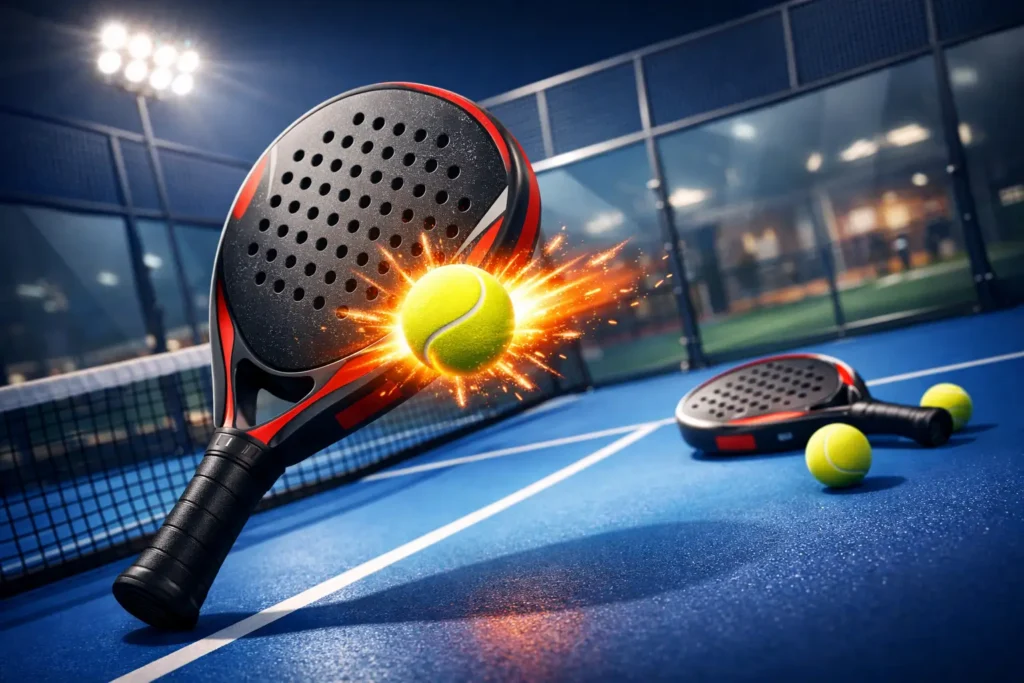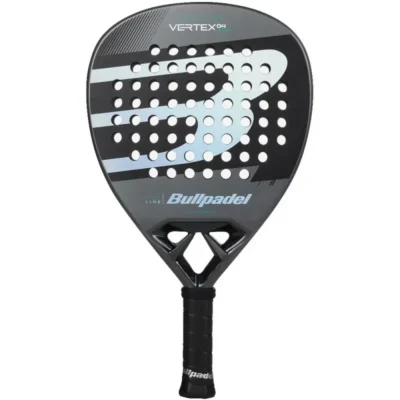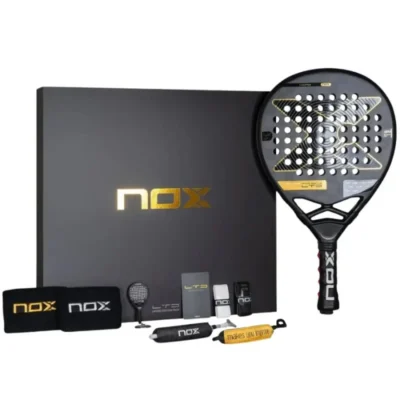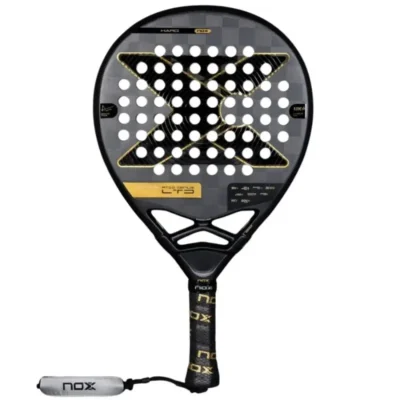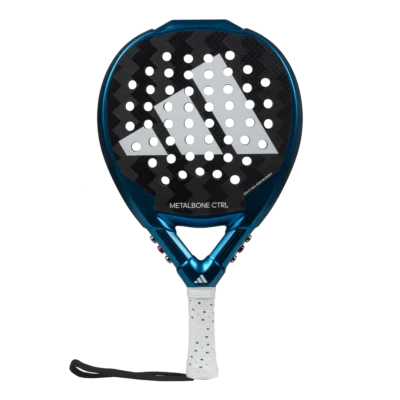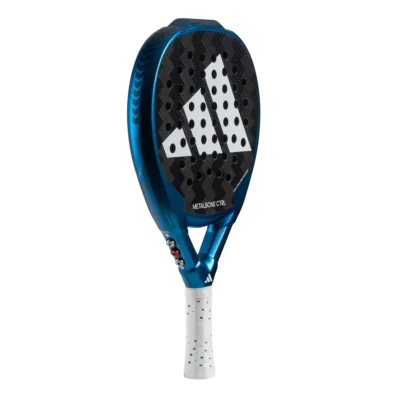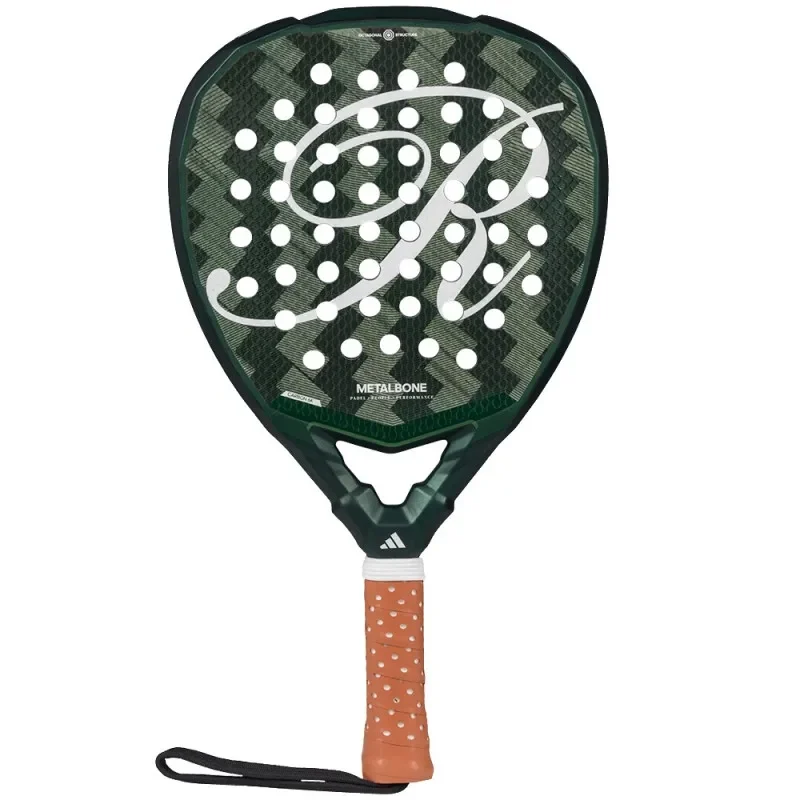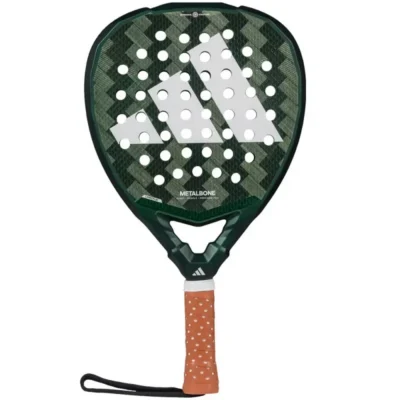
A racket that feels fine for twenty minutes can feel completely different by the end of a long match. If your arm gets tired early, your shoulder starts to tighten, or you simply never feel fully relaxed through the ball, a lightweight padel racket for comfort is often the smarter choice than chasing extra power.
Comfort in padel is not just about soft materials or a pleasant grip. It starts with how heavy the racket feels in your hand, how easy it is to move, and how much effort you need to repeat the same swing again and again. For many players, especially beginners, improving intermediates, and anyone managing arm fatigue, going lighter can make the game more enjoyable straight away.
Why a lightweight padel racket for comfort makes a difference
The main benefit of a lighter racket is simple – less strain over time. A racket with lower overall weight is easier to manoeuvre at the net, quicker in defensive situations, and less demanding during long rallies. That matters whether you play once a week or several times across a busy month.
It also helps with timing. When a racket feels easier to accelerate and stop, you are more likely to meet the ball cleanly and stay in control under pressure. This is especially useful for players who are still building technique or those who prefer placement and consistency over all-out hitting.
That said, lighter does not always mean better. If a racket is too light for your swing, it can feel unstable against harder shots. You might gain comfort but lose some solidity. The aim is not to find the lightest racket on the shelf. It is to find one that feels easy to use without becoming flimsy.
What counts as lightweight in padel?
Most adult padel rackets sit somewhere around the mid-300 gram range. A lightweight model will usually be at the lower end of that scale, often around 340 to 360 grams. The exact sweet spot depends on your strength, experience, and the way you play.
For many players, that range offers the best balance between comfort and stability. Below that, some rackets can feel very quick but may lack punch or control on off-centre contact. Above that, you may gain power and a more solid hit, but comfort starts to become more dependent on good technique and physical condition.
If you are recovering from tennis elbow, shoulder soreness, or general fatigue, a few grams can make more difference than you expect. The repeated motion matters more than the number on the spec sheet.
Weight alone is not the full story
Two rackets can weigh the same and feel completely different. That is where balance comes in.
A head-heavy racket places more mass towards the top, which can help generate power. The trade-off is that it usually feels heavier during fast exchanges and can put more load on the arm. A head-light or evenly balanced racket is normally the better option if comfort is your priority, because it feels quicker and less demanding through the swing.
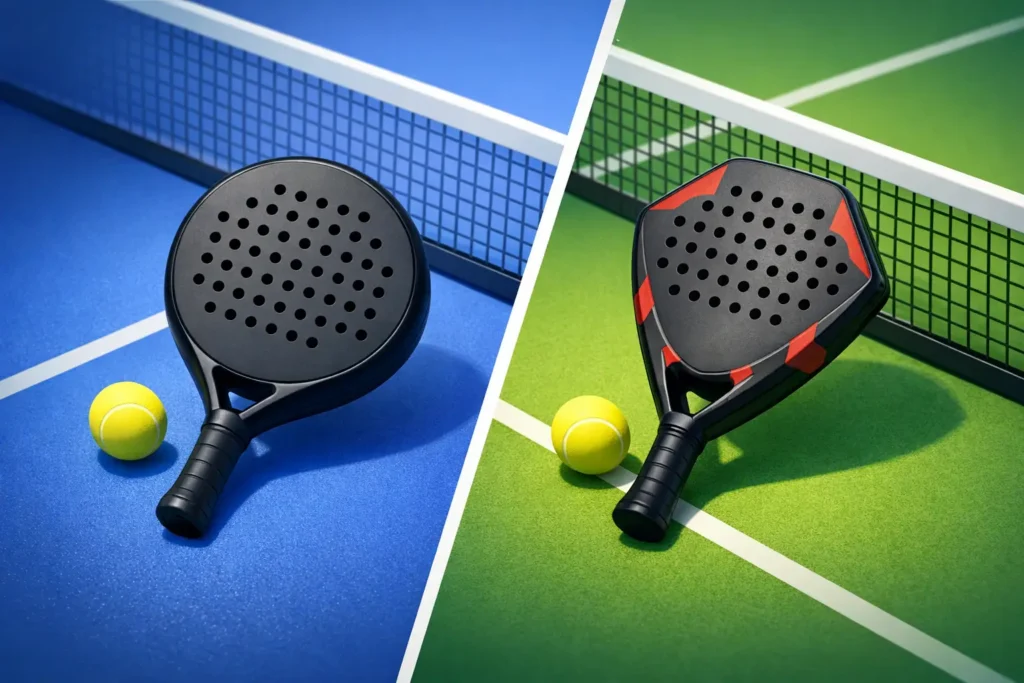
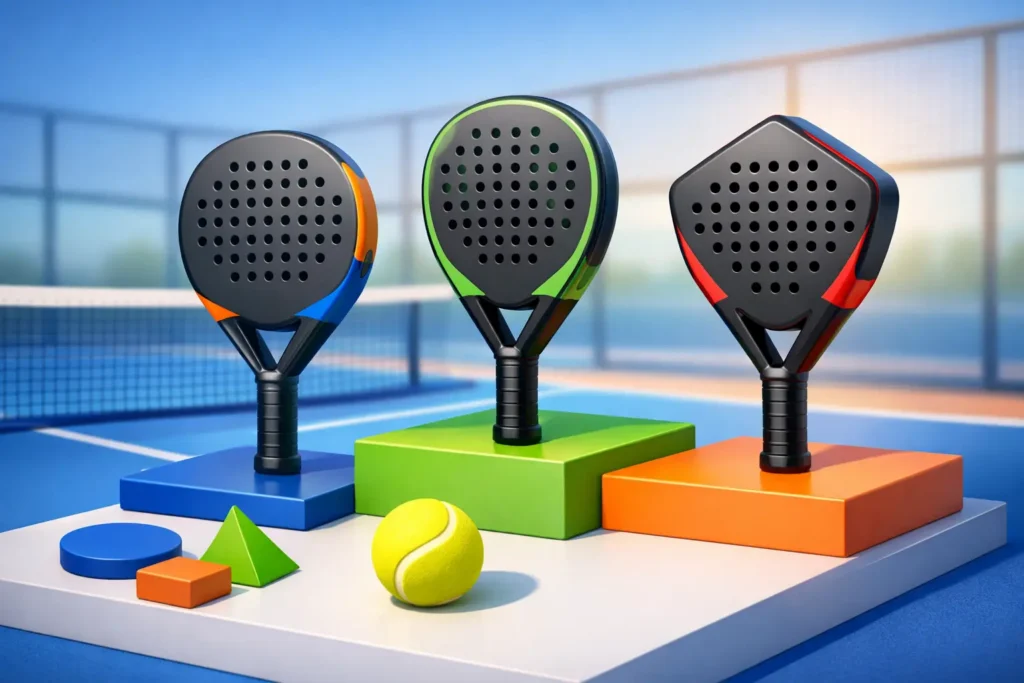
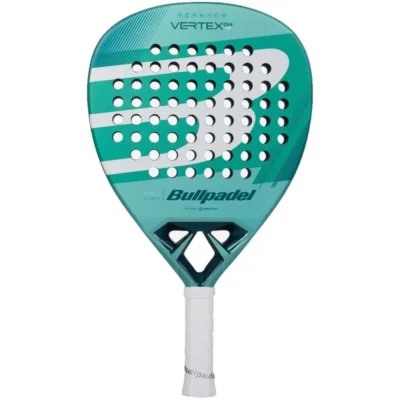
Shape matters too. Round rackets are usually the most forgiving and comfort-friendly option. They tend to have a larger sweet spot and a control-focused feel, which helps reduce mishits. Teardrop shapes offer a middle ground, while diamond shapes often suit players who want more attacking power but can be less forgiving and more tiring if your technique is not sharp.
Then there is the frame and core. Softer materials generally absorb impact better and produce a gentler feel. A softer EVA core, for example, can help reduce harsh vibration, though it may also feel less crisp on hard contact. It depends on what you value more – pure comfort or a firmer response.
Who should choose a comfort-focused lightweight racket?
This type of racket suits more players than people think. Beginners are the obvious group, because they benefit from easier handling and a larger margin for error. A lighter, more forgiving racket helps you learn the game without fighting your equipment.
Intermediate players often benefit just as much. Once matches get faster, many players realise that control at the net, quick reactions in defence, and reduced arm fatigue are worth more than chasing maximum power. A comfortable racket can help you play your best level for longer.
It is also a very sensible choice for players with a history of elbow, wrist, or shoulder discomfort. While a racket will not fix an injury by itself, choosing a lighter model with a softer, more forgiving feel can make regular play easier on the body.
Advanced players should not rule it out either. If your game is built around speed, touch, and quick volleying, a lightweight racket can still be a serious performance option. Comfort is not just for beginners. It is also part of efficient, repeatable padel.
How to choose the right one without overthinking it
Start with your current problem. If your arm gets tired, focus on lower weight and a head-light or even balance. If you struggle with mishits, lean towards a round shape. If you want comfort but still need some all-round performance, a teardrop shape with a moderate weight can be the better fit.
Next, be honest about your level. Many players buy above their level and end up with a racket that looks exciting but feels demanding. If you are still developing consistency, comfort and control will usually help you more than a power-focused frame.
Finally, look at the full setup, not just the racket label. Grip size and overgrips affect comfort more than many shoppers realise. If the handle feels too small, you may squeeze harder than necessary, which can increase tension in the forearm. A small adjustment here can improve the overall feel immediately.
Brand differences are real, but fit matters more
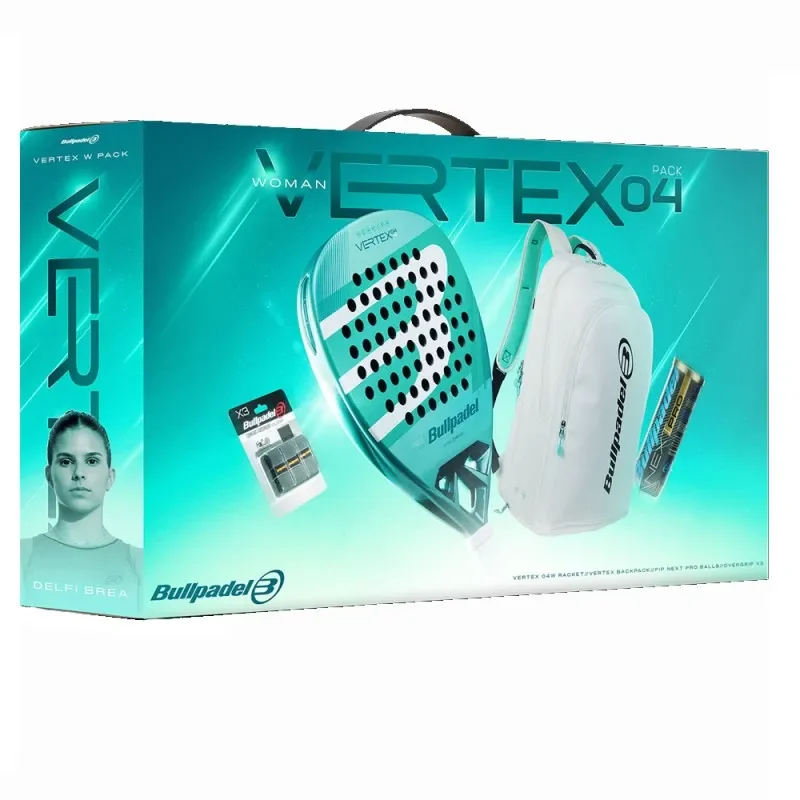
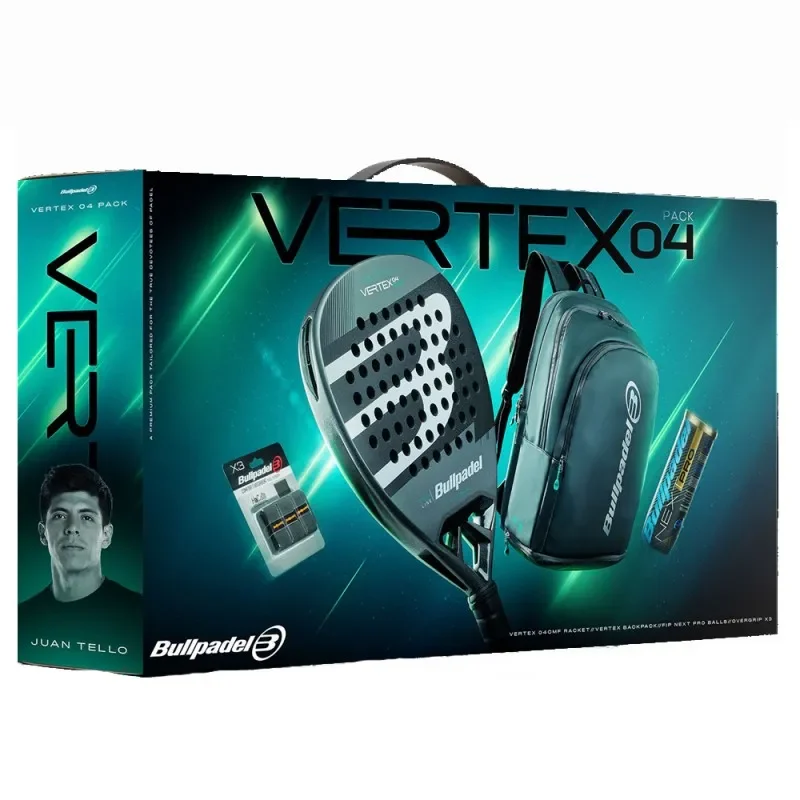
Well-known padel brands such as Adidas, Babolat, Bullpadel, Head, Nox, Starvie and Wilson all offer lighter, comfort-oriented models. Each brand has its own feel, with some leaning softer and more forgiving, and others feeling sharper or more structured.
What matters most is not chasing a logo or a headline feature. It is finding the racket that matches how you actually play. A control-focused round racket from one brand may suit you far better than a more expensive hybrid model from another. Shop smart, and the right fit usually beats the most hyped option.
If you are comparing several models, it helps to narrow them by three filters first: weight range, balance, and shape. That quickly removes options that are unlikely to feel right and makes the final decision much easier.
Common mistakes when buying for comfort
One common mistake is assuming comfort means low quality or low performance. In reality, many comfortable rackets are high-performing products designed for better handling, easier playability, and less physical stress.
Another mistake is choosing a racket based only on attacking power. Power sounds attractive, but if a heavier or stiffer racket leaves you late on the ball or sore after play, it is not helping your match performance.
Some players also ignore balance and focus only on static weight. As mentioned earlier, a racket can look light on paper but still feel tiring if too much mass sits in the head.
And finally, there is the temptation to copy what stronger or more advanced players use. Your ideal racket is the one that lets you play with confidence, not the one that suits somebody else.
A practical way to shortlist your next racket
If comfort is your main goal, begin with round or round-hybrid shapes, a lower weight range, and a softer feel. From there, decide whether you want maximum forgiveness or a bit more all-round response.
For beginners, the safest route is usually a light round racket with easy manoeuvrability. For intermediates, a light-to-midweight hybrid can work well if you want more versatility without losing comfort. For experienced players, the best option may be a lighter performance racket that keeps reactions fast while still giving enough stability on harder shots.
At 7padel, this is exactly why shopping by level and playing style makes the process simpler. Instead of getting buried in technical details, you can focus on the options that genuinely fit the way you play.
The best racket is not the one that promises the most. It is the one that lets you step on court feeling relaxed, move freely, and finish the match with enough left in the arm to want another set.