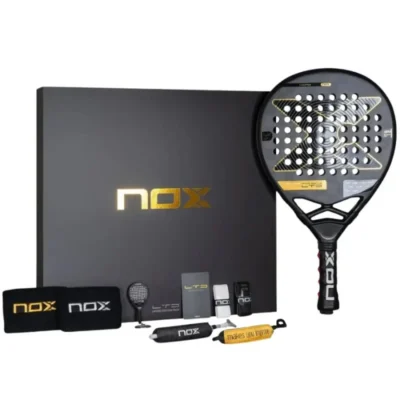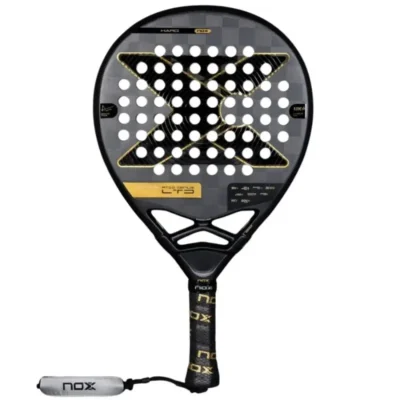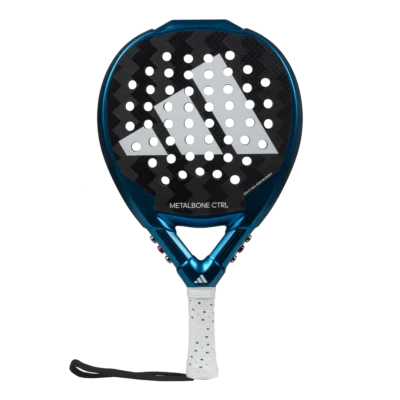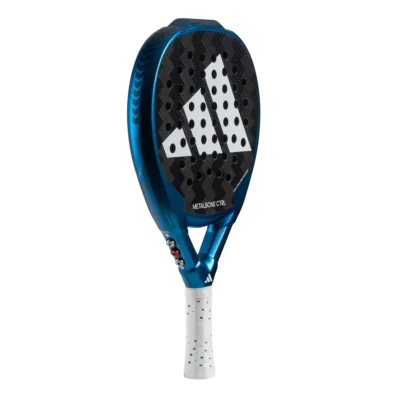
If you have ever looked at a wall of padel rackets and thought they all seem vaguely the same until the prices change, you are not alone. Shape is one of the first things that affects how a racket feels in your hand, how forgiving it is on off-centre shots, and how much help it gives when you want power.
That is why getting padel racket shape explained properly matters before you buy. You do not need a physics lesson. You just need to know what each shape does well, where it can make life harder, and which one suits the way you actually play.
Why racket shape matters more than many players think
A padel racket’s shape changes the balance, the size and position of the sweet spot, and how easy it is to control the ball under pressure. In simple terms, some shapes help you keep more balls in play, while others help you finish points harder.
This does not mean one shape is best for everyone. A beginner who wants cleaner contact and confidence from the back of the court usually needs something very different from an advanced player who loves overheads and quick put-aways. The right choice depends on your level, your style and, just as importantly, what part of your game needs the most help.
Padel racket shape explained – the three main types
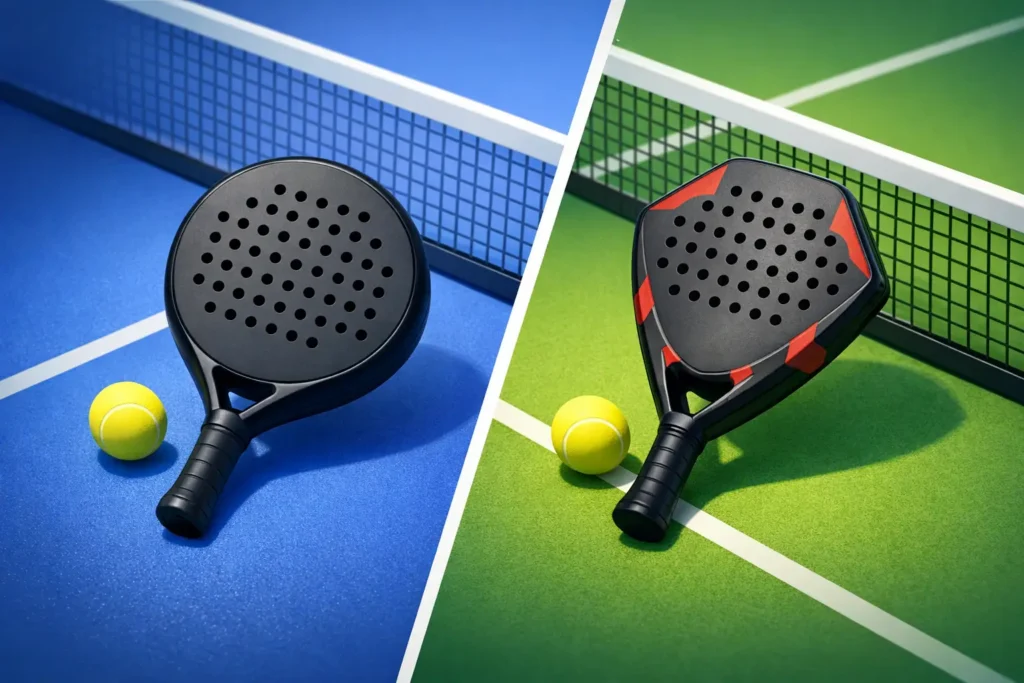
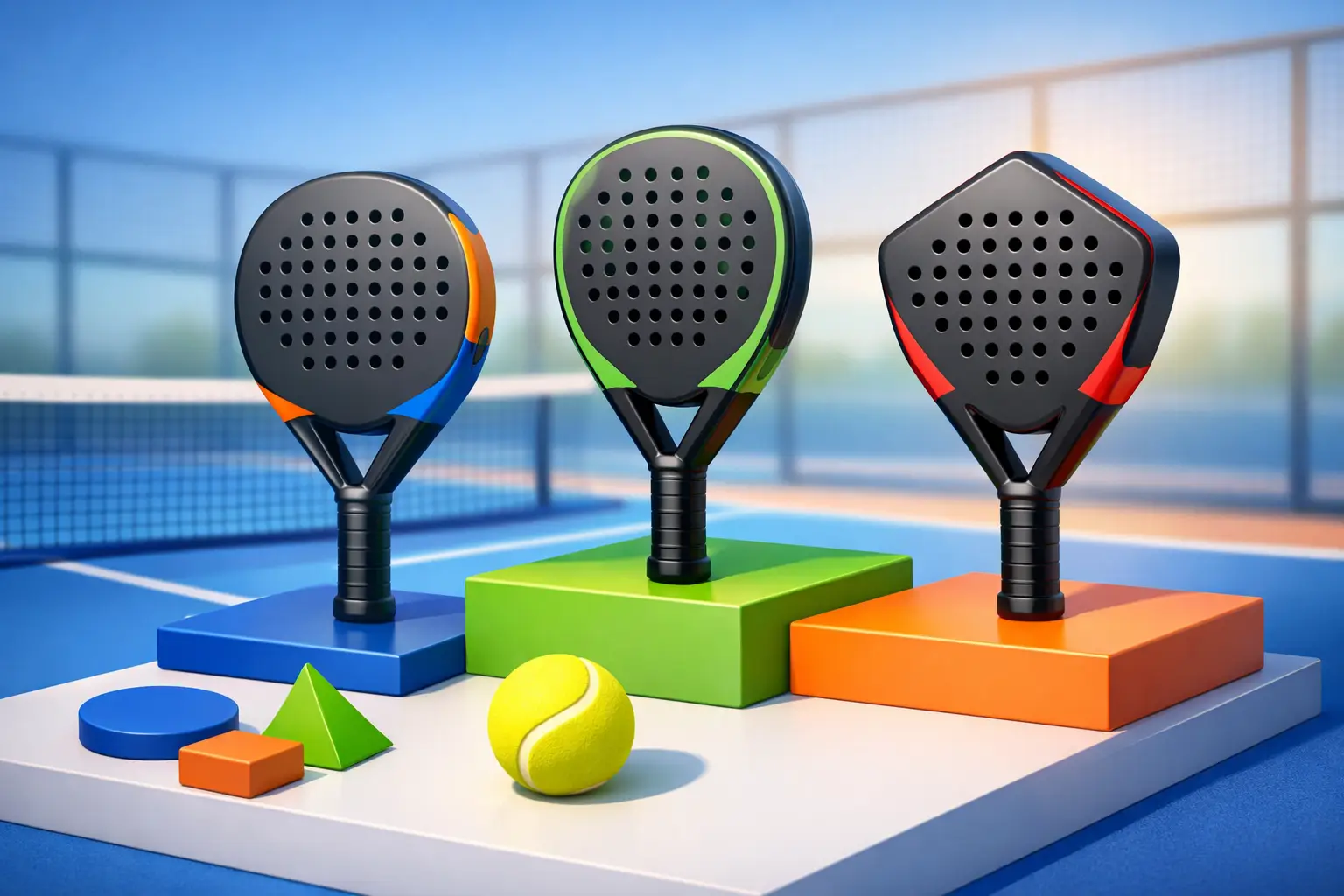
Most padel rackets fall into three main shape categories: round, teardrop and diamond. You will also see some brands describe rackets as hybrid, which usually means they sit somewhere between round and diamond, often close to teardrop.
Round rackets
Round rackets are the easiest place to start because they are built for control and forgiveness. Their sweet spot is usually larger and more centred, which means you get a more consistent response even when you do not catch the ball perfectly.
For beginners, this can be a big advantage. You are still working on timing, positioning and contact point, so a racket that forgives small mistakes helps you improve faster and enjoy matches more. Intermediate players who value precision, defensive stability and comfort often stay with round rackets too.
Round shapes also tend to have lower or more central balance. That makes them feel easier to manoeuvre, especially in fast exchanges at the net or when defending awkward balls near the glass. If your game is based on control, placement and building points patiently, round is a very sensible choice.
The trade-off is simple. You usually get less easy power than with a more aggressive shape. You can still hit hard, of course, but the racket is doing less of the work for you.
Teardrop rackets
Teardrop rackets sit in the middle. They are designed to offer a blend of control and power, which is why they are often described as all-round or hybrid options.
For a lot of players, this is the sweet spot in the market. If you are beyond the beginner stage but do not want a demanding power racket, teardrop shapes make a lot of sense. They usually have a medium balance and a sweet spot that sits slightly higher than on a round racket. That gives you extra punch without making the racket feel too unforgiving.
Teardrop shapes suit players who want versatility. Maybe you defend well but also like to attack when the chance is there. Maybe you are improving and do not want to outgrow your racket too quickly. In those cases, teardrop is often the safest choice.
The downside is that it may not excel at one extreme. It will not feel quite as easy and controlled as a true round racket, and it may not deliver the same outright power as a true diamond shape. Still, for many players, balance beats extremes.
Diamond rackets
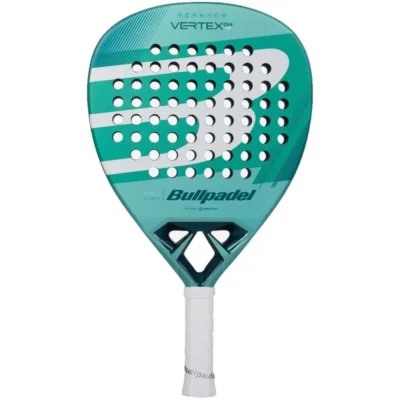
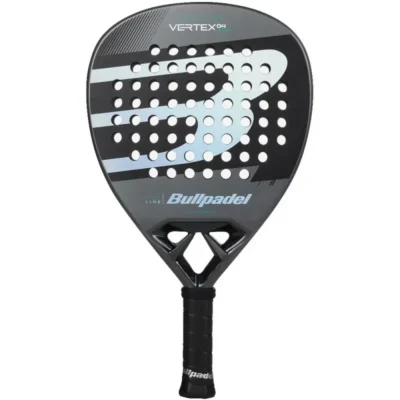
Diamond rackets are built with power in mind. Their balance is usually higher towards the head, and the sweet spot tends to sit higher as well. When you strike the ball cleanly, especially on overheads, viboras and aggressive volleys, they can feel explosive.
This shape is usually aimed at advanced players or confident intermediates with solid technique. The reason is not that diamond rackets are impossible to use. It is that they ask more from you. If your timing is off or you hit outside the sweet spot, they can feel less forgiving and less comfortable than round or teardrop models.
For attacking players, though, that extra demand can be worth it. If your game is based on pressing forward, finishing points and putting opponents under pressure, a diamond racket can match that style very well.
The key word is confidence. A diamond shape tends to reward players who create their own consistency.
Which shape suits your level?
For beginners, round is usually the smartest starting point. It helps with control, comfort and cleaner contact. It makes the game easier while you build technique, and that matters more than chasing power too early.
For intermediate players, teardrop often becomes the most attractive option. By this stage, you want more from your racket, but you probably still value forgiveness. A good teardrop gives you room to attack without feeling like you need perfect timing every rally.
For advanced players, the answer depends more on style than level alone. Plenty of advanced players still choose round or teardrop because they prioritise control, feel and tactical precision. But if your game is aggressive and you regularly finish points overhead, diamond becomes far more appealing.
Padel racket shape explained by playing style
If your main goal is to keep the ball in play, defend well and place shots accurately, round is usually your best match. It supports a control-first game and stays manageable in quick exchanges.
If you want one racket that can do a bit of everything, teardrop is hard to beat. It is often the best fit for all-round players who switch between defence and attack depending on the point.
If you actively look to dominate at the net, hit hard overheads and end rallies on your terms, diamond is the shape worth considering. Just be honest with yourself about whether your technique is ready for it.
That honesty matters. Buying a racket that looks powerful on paper is not always the same as buying a racket that helps you win more points.
Shape is not the whole story
Shape matters, but it does not work alone. Weight, balance, core softness, surface feel and overall construction all affect performance too. Two teardrop rackets can feel very different if one is softer and easier to handle while the other is stiffer and more demanding.
That is why it helps to use shape as your starting filter, not your only decision. First choose the family that suits your level and style. Then look at the finer details.
As a simple rule, softer and lighter rackets tend to feel easier and more comfortable, while heavier and stiffer rackets usually offer more stability and power for stronger players. The best racket is the one that gives you useful performance without making the game harder than it needs to be.
Common buying mistakes
One of the most common mistakes is beginners buying diamond rackets because they want more power. In reality, many beginners get more effective power from a round or teardrop racket because they hit the sweet spot more often.
Another mistake is assuming round means only beginner. It does not. Many experienced players choose round shapes because they like precision, comfort and control under pressure.
A third mistake is ignoring your own match habits. If you mostly play social matches once or twice a week and are still refining basics, a demanding racket may sound exciting but feel frustrating after the first few sessions.
A simple way to choose
If you are unsure, make the decision by asking one clear question: what do you want more help with right now?
If the answer is control and consistency, go round. If it is balance across all areas, go teardrop. If it is attacking power and point finishing, look at diamond.
That approach keeps things practical. It stops you shopping by marketing language and helps you shop by what improves your game.
At 7padel, that is the easiest way to narrow the options without overcomplicating the process. Start with shape, match it to your level and style, then choose the model that fits your budget and preferred brand.
The right racket should feel like support, not a challenge. Pick the shape that makes your strengths clearer and your weaknesses less costly, and you will enjoy every match a lot more.