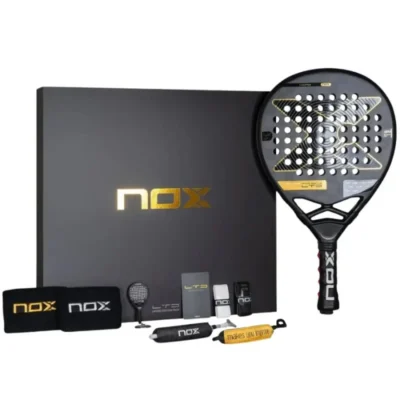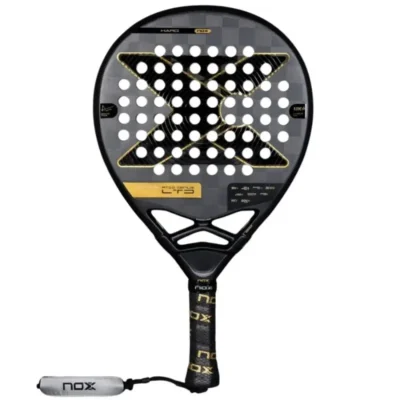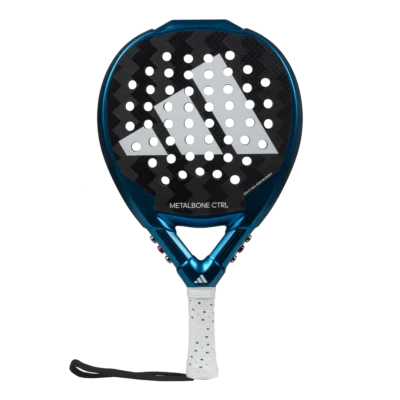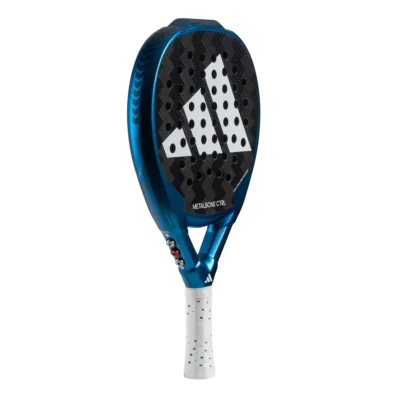
If you are stuck choosing a round or diamond padel racket, you are not overthinking it. Shape changes how a racket feels in the hand, how much help it gives on defensive shots, and how easy it is to generate pace when the point speeds up. Get this choice right and the racket works with your game. Get it wrong and even a good model can feel awkward.
For most players, this is not really a question of which shape is better overall. It is about which shape makes your strengths easier to use and your weak spots less costly. That matters whether you are buying your first proper racket or replacing one that no longer fits the way you play.
Round or diamond padel racket – what changes on court?
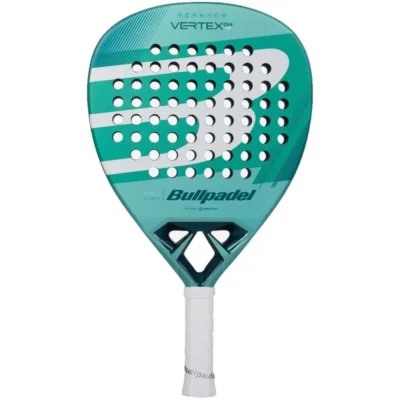
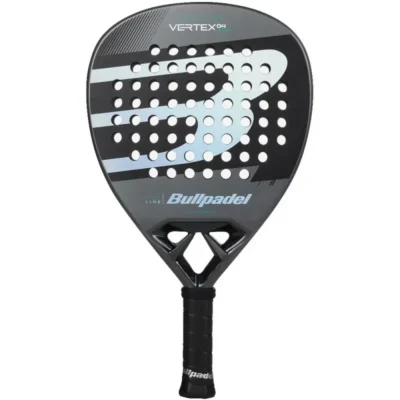
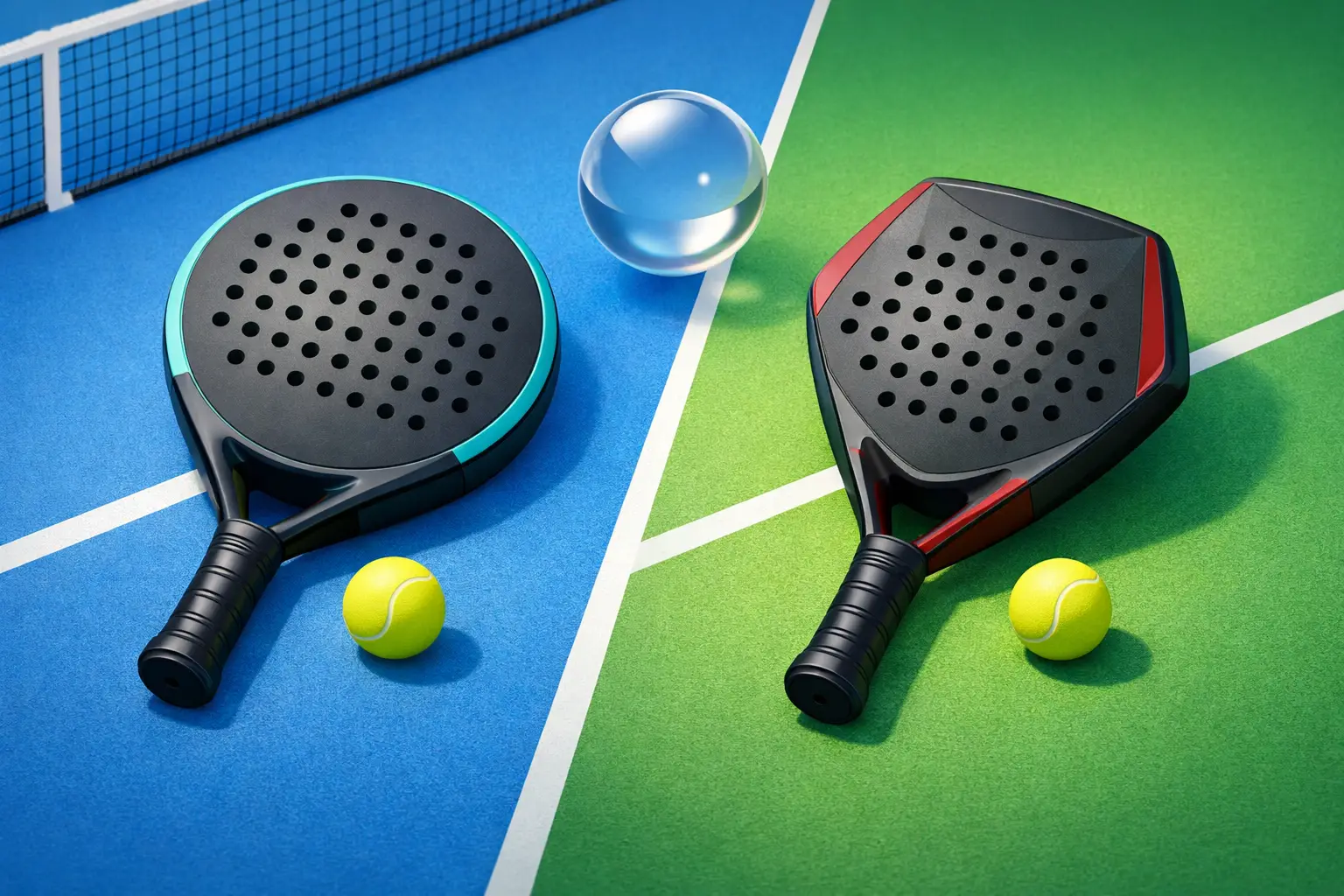
The main difference is balance and sweet spot. A round racket usually has a lower balance and a larger, more central sweet spot. That makes it feel calmer, easier to control, and more forgiving when contact is not perfect. A diamond racket usually carries more weight towards the top, with a smaller sweet spot that sits higher on the face. That gives more punch on attacking shots, but it asks for cleaner timing.
You will notice this straight away in different parts of the game. In defence, a round shape tends to help more because blocked balls, volleys under pressure and slower resets come off the racket face with less drama. At the net or on overheads, a diamond shape can feel more explosive, especially if you like to finish points rather than build them.
That does not mean a round racket cannot attack, or that a diamond racket cannot defend. Modern ranges from Adidas, Bullpadel, Head, Nox, Babolat, Starvie and Wilson blur the lines quite a bit. But the general rule still holds – round leans towards control and forgiveness, diamond leans towards power and aggression.
Who should choose a round padel racket?
A round racket is usually the safer buy for beginners and a very smart buy for many intermediates. If you are still building consistency, learning glass rebounds, or trying to reduce unforced errors, a larger sweet spot is a real advantage. It helps you keep more balls in play and makes the racket easier to trust in long matches.
Round shapes also suit players who value placement over raw pace. If your game is based on defending well, resetting points, and waiting for the right ball instead of forcing winners, you will probably feel at home with this shape. Many right-side players prefer round rackets for exactly that reason. They want control on volleys, stability in defence and dependable touch.
There is also a comfort factor. Lower balance often means less strain through the arm and shoulder, especially over longer sessions. If you have had elbow discomfort before, a round racket with softer feel can be a more forgiving option than a top-heavy power model.
The trade-off is simple. You may need to work a little harder to generate finishing power on smashes and overheads. If your technique is strong, that is manageable. If it is still developing, the racket can feel slightly underpowered when you try to end points quickly.
Who should choose a diamond padel racket?
A diamond racket makes most sense for players who actively look to attack. If you like stepping forward, taking volleys early, and putting weight behind bandejas, viboras and smashes, the higher balance can reward that style. It gives the sensation that more mass is moving through the ball, which can produce stronger finishing shots.
This shape is often a better fit for advanced players because it is less forgiving. Miss the sweet spot and you are more likely to feel a loss of control, especially on fast exchanges. That is why some players buy a diamond racket too early and then wonder why their game suddenly feels rushed.
For left-side players with aggressive intent, diamond can be a great match. If you are the one expected to pressure overheads and finish points when the chance appears, the extra power potential is useful. But even then, your technique matters more than the marketing label on the frame. A player with solid mechanics will get more from a diamond shape than someone trying to use racket power to compensate for timing issues.
The main compromise is in defence and touch. Top-heavy rackets can feel slower to manoeuvre, and softer control shots may need more precision. If your game includes a lot of scrambling, blocking hard balls back, or resetting from difficult positions, a diamond racket can feel demanding.
Skill level matters more than ambition
A lot of players shop with the game they want, not the game they currently have. That is understandable, but it can lead to the wrong choice. Buying a diamond racket because you want more power only makes sense if you can already handle the smaller sweet spot and higher balance.
For beginners, round is usually the smarter place to start. It gives immediate help where most new players need it – cleaner contact, easier control and more confidence under pressure. For intermediates, the decision becomes more personal. If your control is reliable and you are looking to add more attacking threat, moving towards diamond can work. If consistency still disappears on busy points, staying with round may improve your results faster.
Advanced players can genuinely go either way. Some high-level players still prefer round because they create power with technique and want maximum control in the rest of the rally. Others want the sharper attacking edge of diamond. There is no status prize for choosing the more difficult shape.
Don’t ignore weight, balance and surface feel
If you only compare a round or diamond padel racket by shape, you miss half the picture. Weight, balance, foam density and surface texture all affect how the racket plays.
A lighter diamond racket may still feel manageable, while a heavier round racket can feel more demanding than expected. A soft-core diamond can be easier to use than a very hard round model. Rough surfaces can help with spin, but they do not fix poor contact or timing. This is why two rackets with the same shape can feel completely different.
That is also why simple shopping filters are useful. Looking by level, control or power category can help narrow the field much faster than trying to decode every technical term. At 7padel, that kind of structure makes the decision easier because you can match racket type to the way you actually play, not just the way the product page sounds.
A quick way to decide between round and diamond
If you are still unsure, think about the shots that define your matches. Do you win points by staying solid, defending well and placing the ball with control? Round probably fits better. Do you win by taking time away, attacking overheads and putting pressure on volleys? Diamond is more likely to suit you.
Then ask yourself a harder question. What costs you more points right now – lack of power, or lack of consistency? Most club players lose more through rushed errors than through not hitting hard enough. If that sounds familiar, round is usually the better investment.
Budget matters too. A forgiving racket you use well is better value than an expensive power model that never feels comfortable. Well-known brands across different price points offer both shapes, so you do not need to overspend to find a good fit.
The best choice is the one you can trust
The right racket should make your game feel clearer, not more complicated. If you want easy control, more comfort and a forgiving response, round is the sensible choice. If your technique is strong and your game is built around attack, diamond can give you the sharper edge you want.
Shop with honesty about your level, your usual position on court and the type of points you actually play. A racket should support your decisions, not force new problems. Choose the shape you can trust when the rally gets tight, and the rest of your game has a much better chance to follow.