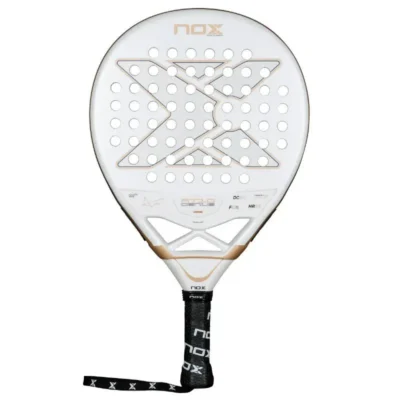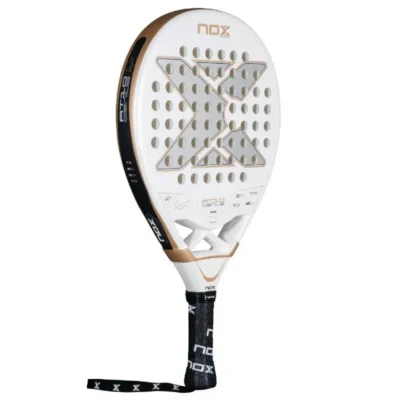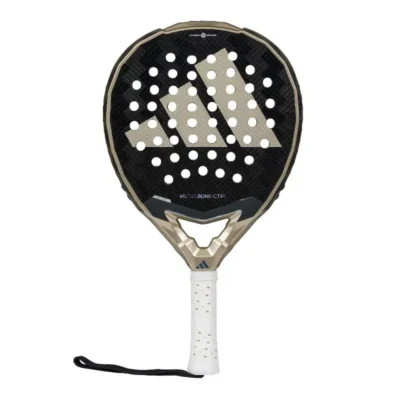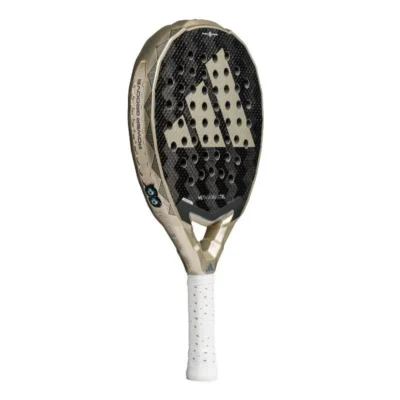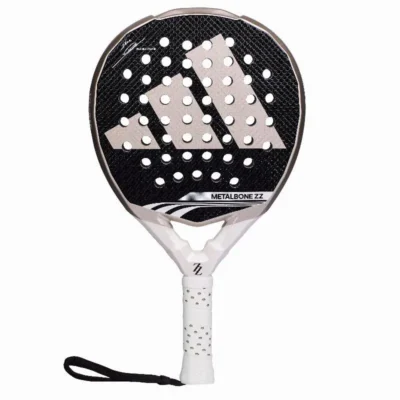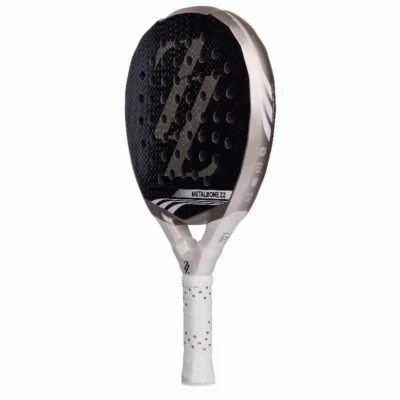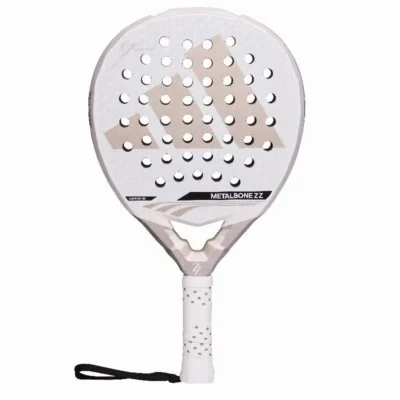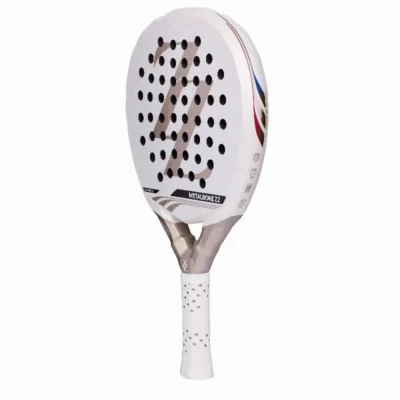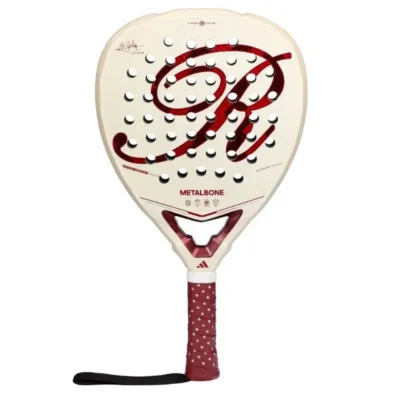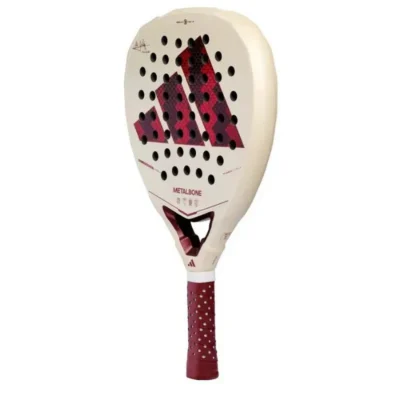

If you feel half a step late at the net, your racket might be working against you. The best rackets for fast volleys are not always the most powerful or the most expensive. They are the ones that help you get the racket head in place quickly, keep the ball under control and let you react cleanly when the pace picks up.
Fast volleys in padel are about compact movement, quick preparation and confidence under pressure. At the net, you do not usually have time for a big swing or a late adjustment. That is why racket choice matters so much. Shape, weight, balance and feel all affect how quickly you can block, punch or angle the ball away.
What makes a racket good for fast volleys
The first thing to look at is manoeuvrability. A racket that moves quickly through the air will always feel easier in hand exchanges and quick net battles. In most cases, that points you towards a lighter model or one with a lower to medium balance. If too much weight sits in the head, the racket can feel slower when you need an instant reaction.
Shape matters as well. Round rackets are often the easiest to use for fast volleys because they usually have a larger sweet spot and a more control-focused feel. That helps when contact is rushed or slightly off-centre. Teardrop models can also work very well if they stay balanced and do not become too demanding. Diamond shapes are usually less forgiving at the net unless you are an advanced player with very fast hands.
The face and core feel also play a part. A softer touch can help absorb pace and keep volleys controlled, especially on defensive blocks close to the body. A firmer feel can give you a crisper punch on attacking volleys, but it may punish poor timing. There is no single right answer here. It depends on whether you want comfort and margin or a sharper, more direct response.
Best rackets for fast volleys by player type
The best choice depends on how you actually play at the net. Some players want maximum control on every touch. Others want a quick, aggressive volley that finishes the point early.
For beginners and improving players
If you are still building confidence at the net, go for a round racket with a medium or low balance. This gives you the easiest handling and the biggest margin for error. You will feel more stable on blocked volleys, easier on reflex shots and less rushed when the ball comes quickly at your body.
This is also the safer option if you play once or twice a week and do not want a racket that demands perfect timing. A forgiving racket helps you improve your volley technique rather than forcing you to compensate for a small sweet spot or heavy head.
For intermediate all-round players
Many intermediate players do best with a hybrid or teardrop racket that still feels quick in the hand. This gives you enough control for fast exchanges but a bit more punch when you want to press forward and finish points.
The key is balance. If the racket starts to feel sluggish in quick volleys, it stops being an all-round option and becomes harder work than it should be. A lot of players in this group make the mistake of buying too much racket too early. If your volleys become late or inconsistent, a more manageable model will often improve your game faster than a more powerful one.
For advanced aggressive net players
If your game is built around taking the net early, volleying hard and putting opponents under pressure, you may prefer a firmer, slightly more offensive racket. Advanced players can use teardrop and even some diamond models effectively for fast volleys, but only if they have the technique to prepare early and contact cleanly.
The trade-off is simple. You gain punch and finishing ability, but you lose some forgiveness. In high-speed exchanges, that can be the difference between a clean winner and a loose ball sitting up in the middle of the court.
The racket features worth prioritising
When shoppers look for the best rackets for fast volleys, they often focus only on shape. Shape matters, but it is only one part of the picture.
Weight
A lighter racket is usually quicker to position and easier to control in reaction volleys. That makes it a strong choice for most players. Still, too light can feel unstable when absorbing pace. If your volleys flutter or lack firmness, you may need a bit more mass rather than less.
Balance
Low and medium balance rackets are usually the safest bet for fast net play. They help the racket feel quicker in the hand and less tiring over long matches. Higher balance can add punch, but it often slows down fast adjustments.
Sweet spot
A larger sweet spot gives you more confidence when points speed up. This is especially valuable in padel because volleys are often hit under pressure, from awkward body positions or with very short preparation.
Feel
Softer rackets help with comfort and control. Firmer ones give a more direct hit. If you struggle to keep volleys down, a softer or more forgiving feel may suit you better. If your technique is strong and you want more bite on the ball, a firmer response can be a good fit.
Which brands tend to suit fast volley players
Several major padel brands make strong options here, but they do it in slightly different ways.
Head and Nox often appeal to players who want a clean balance of control, comfort and easy handling. Bullpadel and Adidas have models that suit quick attacking net play, though some are more demanding than others. Babolat and Wilson can work very well if you know whether you want a softer touch or a more explosive response. Starvie is often appreciated by players who like a solid, precise feel at the net.
This is why brand alone is never enough. Even within one range, two rackets can feel completely different in a fast volley exchange. It is smarter to shop by level, shape and balance first, then narrow down by brand preference.
Common mistakes when choosing a volley racket
The biggest mistake is buying for smash power when your actual problem is net speed. Plenty of players think a more attacking racket will make them more dangerous, but if it slows your reactions, your volley game can get worse instead of better.
Another common mistake is copying advanced players. A racket that works for a tournament-level player may feel brilliant for five minutes and frustrating over a full match. If you are late on the ball, struggling to defend your body line or mishitting quick exchanges, the racket is probably too demanding.
Grip setup also gets ignored. If the grip feels too thick or too thin, your hand speed can suffer. Small adjustments here can make a noticeable difference in quick reactions at the net.
How to choose with confidence
Start with your level and be honest about your match play. If your volleys are more about control and consistency, choose a round or hybrid racket with easy manoeuvrability. If you already dominate at the net and want extra sting, consider a firmer hybrid or a manageable attacking model.
Think about what usually goes wrong in your volleys. If you are late, go lighter or lower balance. If you feel unstable on contact, look for a touch more weight or a more solid construction. If you mishit under pressure, prioritise a bigger sweet spot.
For most players, the best racket for fast volleys is not the one with the boldest power claims. It is the one that feels quick, settled and reliable when the point gets hectic. That is what helps you hold the net, play with confidence and make better decisions under pressure.
At 7padel, that is exactly how we think about racket choice – not just what sounds impressive, but what actually helps you play better. Shop smart, trust the fit over the hype, and your volleys will start feeling a lot quicker.