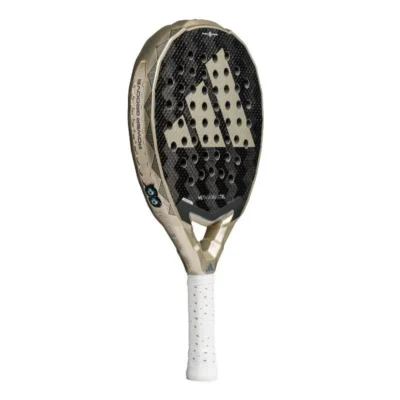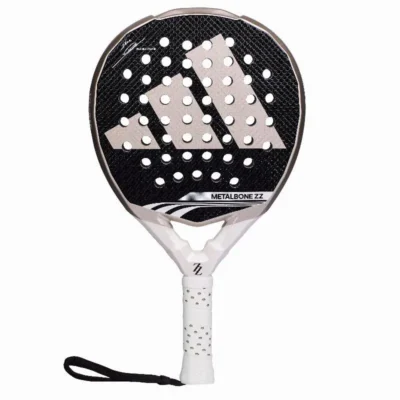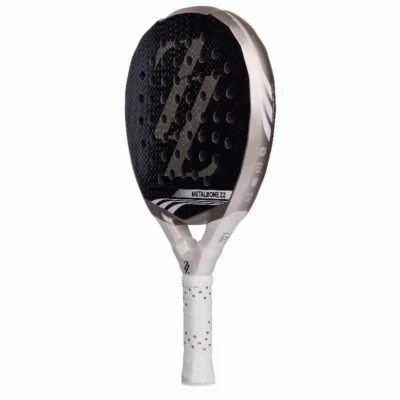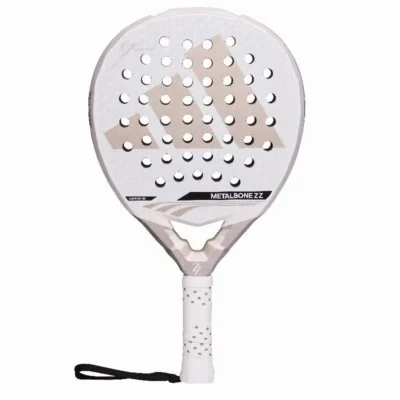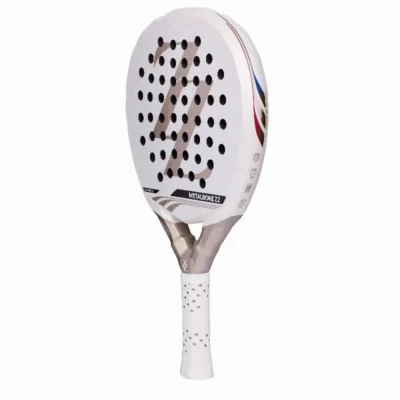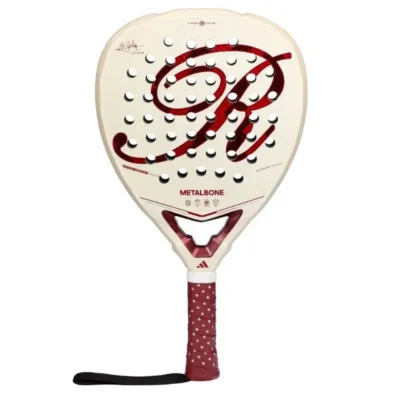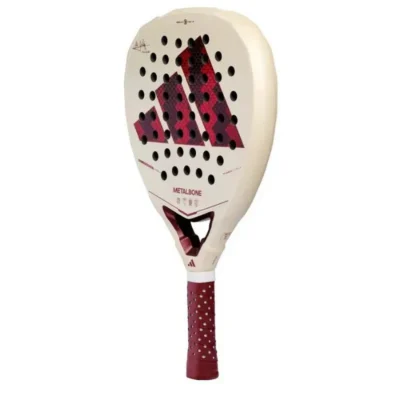
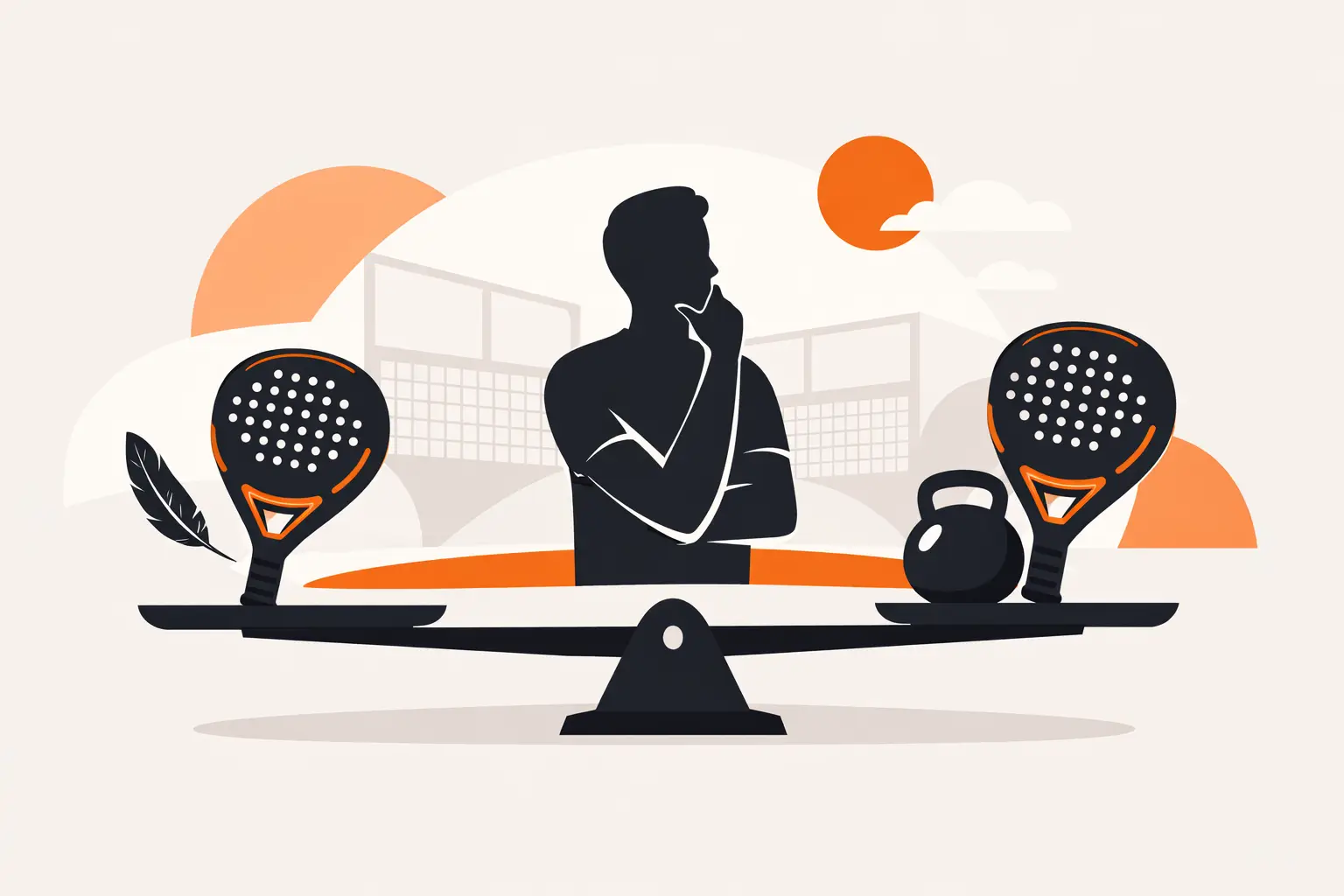
That first swing tells you a lot. Some rackets feel quick and easy straight away, while others seem solid but slightly harder to move. If you are asking what padel racket weight to choose, the answer usually comes down to your level, your style of play, and how much comfort you need over a full match.
Weight is one of the biggest factors in how a padel racket feels in your hand, but it should never be judged in isolation. Two rackets can have a similar listed weight and still play very differently because of their balance, shape, and materials. Still, weight is one of the best places to start if you want to narrow down your options quickly and shop with confidence.
What padel racket weight means in real play
Most adult padel rackets sit somewhere between roughly 340g and 380g. A lighter racket tends to feel easier to manoeuvre, especially at the net, on reaction volleys, and when defending awkward balls near the glass. A heavier racket usually gives you more stability on impact and can help the ball come off the face with more authority.
That sounds simple, but there is a trade-off. Lighter rackets can be more forgiving on the arm and easier for newer players to handle, yet they may feel less stable against hard shots. Heavier rackets can add solidity and power, but if they are too demanding for your strength or technique, your timing can suffer and your arm may tire sooner.
So when people ask what padel racket weight is best, there is no single number that works for everyone. The better question is what weight helps you play your best padel for a full match, not just for five minutes in a shop or on the first set of a good day.
A practical weight guide by player level
If you are new to padel, a lighter or mid-weight racket is usually the safest starting point. For many beginners, that means around 345g to 360g. In this range, the racket is generally easier to control, easier to prepare quickly, and less likely to feel heavy as your technique is still developing. That matters because beginners often benefit more from comfort and manoeuvrability than from extra mass.
Intermediate players often land in the middle, around 355g to 370g, depending on style. At this stage, you may want a bit more stability and a more solid feel without giving up too much speed around the net. If you are improving your bandeja, vibora, and overhead game, a slightly heavier racket can start to make more sense.
Advanced players can use the full range, but many prefer 365g to 375g or more, especially if they play an aggressive game. A stronger, more technically sound player can normally handle extra weight and may enjoy the added power and firmness on volleys and smashes. Even then, heavier is not automatically better. Plenty of advanced players still choose lighter setups for speed, touch, and comfort.
How playing style changes the right racket weight
Your playing style matters as much as your level. If you value control, consistency, and quick hands, you may prefer a lighter or more balanced racket. This is often a good fit for players who build points patiently, defend well, and rely on placement rather than brute force.
If you like to attack, finish points at the net, and hit with more aggression, a heavier racket can feel more stable and more decisive through the ball. That extra mass may help when blocking hard shots or putting more weight behind overheads.
Hybrid players usually sit somewhere in between. If your game changes depending on the opponent or the court conditions, a mid-weight racket is often the smart choice because it keeps your options open. You get enough manoeuvrability for defence and enough substance for attack.
Weight and balance are not the same thing
This is where many buyers get caught out. A 360g racket with a high balance can feel heavier in play than a 365g racket with a lower balance. That is because balance affects where the mass sits.
Head-heavy rackets place more weight towards the top of the racket. They can help with power, but they often feel slower through the air and more demanding on the arm. Head-light rackets keep more of the weight closer to the hand. They tend to feel faster, easier to manoeuvre, and more comfortable for many players.
So if you have picked up a racket and thought, this feels heavier than the number suggests, balance is probably the reason. When deciding what padel racket weight works for you, always think in terms of overall feel, not just the gram figure on the label.
Should you go lighter for comfort?
Often, yes. If you have any history of elbow, wrist, or shoulder discomfort, it makes sense to pay close attention to weight. A racket that is too heavy for your strength or technique can put extra strain on the arm, especially during off-centre hits or long matches.
That said, the lightest racket is not always the most comfortable. If a racket is very light but unstable, the vibration and shock from impact can still feel unpleasant. Comfort usually comes from a combination of sensible weight, manageable balance, and forgiving materials.
For many recreational players, the sweet spot is a racket that feels easy to move but still stable enough on contact. That is one reason mid-weight options are so popular. They offer a good middle ground and suit a wide range of players.
Men and women do not need completely different rules
You will sometimes see weight advice split sharply by gender, but that is too simplistic. Strength, technique, fitness, and playing style matter more than labels. Some women prefer heavier rackets because they like the extra stability and hit with confidence. Some men play better with lighter rackets because they value speed and arm comfort.
A more useful way to choose is to be honest about how you play and how the racket feels after a full session. If your reactions slow down, your shoulder gets tired, or your contact point starts drifting late, the racket may be too demanding. If the racket feels flimsy or unstable on firmer shots, it may be too light.
Signs your racket weight is wrong
A racket that is too heavy often shows itself in small ways before it becomes a clear problem. You may feel slow at the net, late on defensive balls, or tired earlier than expected. Overheads may lose timing, and your arm can feel worked after one match.
A racket that is too light can be harder to trust when the pace goes up. Volleys may lack firmness, blocks can feel less secure, and you may struggle to generate enough depth without swinging harder than you want to.
The right weight normally feels natural. You can prepare quickly, make clean contact, and play your normal game without fighting the racket.
The safest choice for most players
If you are unsure, start in the middle. For a lot of adult players, around 355g to 365g is a sensible range. It is usually light enough to stay comfortable and easy to handle, while still offering enough stability for all-round play.
That is especially true if you are moving beyond beginner level but do not want a racket that feels too demanding. A balanced mid-weight option often gives you the best chance of improving without forcing you into a racket that only suits one style.
If you are shopping online, this is where clear filters by level and playing style make life easier. Rather than guessing from brand names alone, you can narrow the field to options that actually fit the way you play.
What padel racket weight should you choose?
Choose the lightest weight that still gives you enough stability for your game. That is the simplest rule, and for most players it works well. It keeps the racket comfortable, easier to manoeuvre, and less tiring over time, while avoiding the loose or overly light feel that can hurt control.
Beginners usually do best with lighter to mid-weight rackets. Intermediates often find their best fit in the middle. Advanced players can go heavier if it supports their style, but they still need a racket they can move quickly and use confidently under pressure.
If you are between two options, do not chase weight for its own sake. Go with the racket that fits your level, your style, and the way you want to play next month, not just today. Shop smart, and the right racket will make the game feel simpler from the first point.