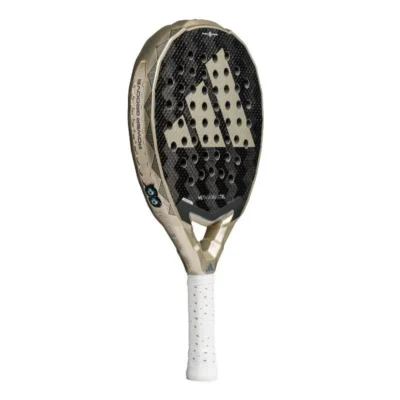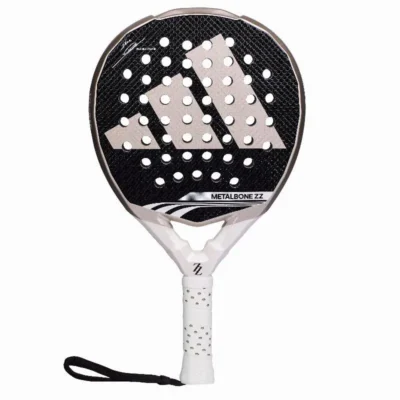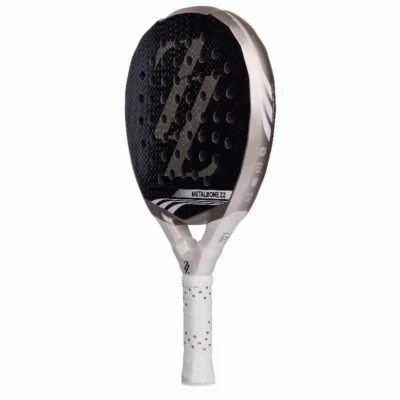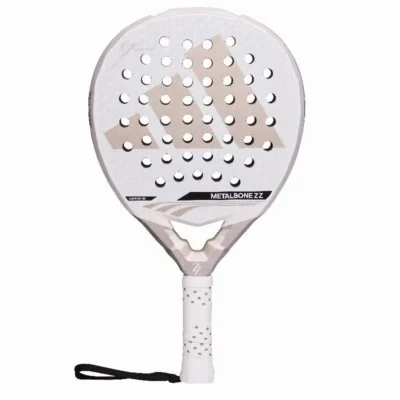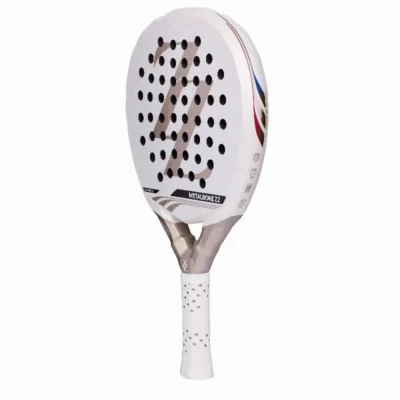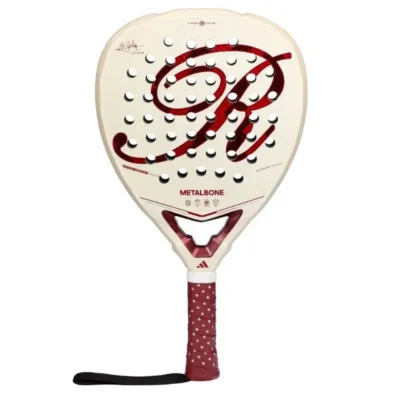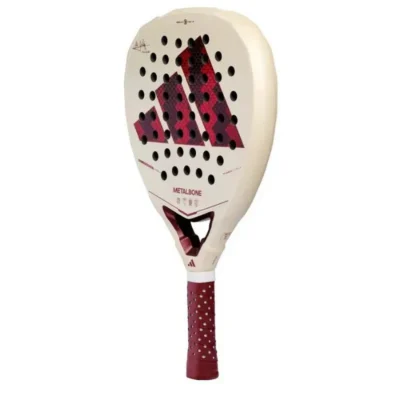
If you are winning more rallies but still leaking points on mishits, your racket is probably part of the story. That is the stage where many players outgrow a forgiving beginner frame, but are not yet ready for a demanding advanced model. Choosing the right padel racket for intermediate players is really about finding the sweet spot between help and control.
At this level, the wrong racket usually shows up in familiar ways. Your volleys feel quick enough, but not solid. Your bandeja has shape, but not enough depth. You can generate power when everything lands cleanly, but under pressure the racket starts to feel either too soft, too heavy or too lively. A better match will not fix technique on its own, but it can make your game more stable and more repeatable.
What intermediate players actually need
Most intermediate players need a racket that rewards improvement without punishing small mistakes. That usually means a balanced blend of comfort, control and manageable power. You want enough forgiveness to defend well and enough response to finish points when the chance comes.
This is where many shoppers get pulled in the wrong direction. Power rackets often look tempting because they promise easier winners, but if the balance is too head-heavy or the sweet spot is too demanding, your consistency can dip fast. On the other hand, a very soft control racket can feel safe but leave you wanting more punch at the net. It depends on your style, but for most players in this bracket, hybrid models are the safest place to start.
How to choose a padel racket for intermediate players
The best padel racket for intermediate players is rarely the most expensive or the most aggressive-looking model. It is the one that fits how you play now, while still giving you room to improve over the next season.
Start with shape
Shape has a big effect on how a racket behaves. Round rackets are the easiest to handle and usually offer the biggest sweet spot. They suit players who value control, comfort and cleaner contact from the back of the court. If you are still improving your timing, round is often a smart move.
Teardrop rackets sit in the middle and are a strong option for all-round players. They blend decent forgiveness with extra power compared with round frames, which makes them popular at intermediate level. If you split your game between defence and attack, this shape often gives the best balance.
Diamond rackets lean towards power. They can be brilliant for aggressive players who attack overheads and want extra weight through smashes, but they are less forgiving. If your technique is not consistent yet, a diamond shape can feel great one day and hard work the next.
Then look at balance
Balance matters just as much as shape. A low-balance racket feels easier to manoeuvre and is usually kinder on the arm. It helps in quick exchanges and defensive situations. A high-balance racket puts more mass towards the top, which can boost power, but it also makes the racket feel less nimble.
For intermediate players, medium balance is often the sweet spot. It gives enough stability at the net without becoming tiring over a long match. If you play twice a week and want an all-round racket, medium balance is a sensible starting point.
Do not ignore weight
Many players focus on shape and forget weight until the racket is in hand. That is a mistake. A slightly heavier racket can add stability and power, but if it slows your reactions or strains your shoulder, the trade-off is not worth it.
There is no perfect number for everyone, but most intermediate adult players feel comfortable somewhere in the middle range rather than at either extreme. If you prefer speed and touch, go lighter. If you want more solidity on volleys and overheads, go a little heavier. Comfort should always win over theory.
The materials question – softer or firmer?
Racket feel can be confusing because brands describe it in different ways, but the basic choice is simple. Softer rackets absorb more vibration and are easier on the arm. They also help generate easy depth when your swing is not full. Firmer rackets give more direct response and can feel more precise, especially when you strike cleanly.
For intermediate players, the best option is often somewhere in the middle. Too soft, and the racket can feel vague when you want to place the ball with confidence. Too firm, and off-centre hits can feel harsh. If you have had elbow discomfort before, lean slightly softer. If you are a stronger player with reliable timing, you can move towards a firmer feel.
Surface finish and spin
Rough or textured faces have become popular because they can help with spin, especially on viboras and sliced shots. They are useful, but they should not be the main reason you buy a racket. Shape, balance and feel will affect your game far more than a textured finish on its own.
If two rackets feel equally good and one offers a rough surface, that can be a nice extra. Just do not expect the texture to do the work for you.
Match the racket to your style of play
A practical way to narrow the field is to be honest about how you win points.
If you build rallies, defend well and prefer placement over brute force, look at round or control-leaning hybrid rackets. These will usually give you the confidence to reset points and play with fewer errors.
If you are an all-court player who likes to defend patiently but also press forward and finish at the net, hybrid or teardrop models make the most sense. They are the easiest category for intermediate players to grow with.
If your game is built around overhead pressure, quicker put-aways and an attacking position near the net, a more powerful hybrid or even a manageable diamond racket can work. The key word is manageable. If the racket feels demanding in defence, it may be too much for your current level.
Common buying mistakes at intermediate level
The biggest mistake is buying aspirationally instead of realistically. A racket used by a top player can look appealing, but professional-level models are often less forgiving than club players expect. What works for elite timing and strength does not always work in a competitive social match on a Wednesday evening.
Another common mistake is choosing only by brand or price. Premium brands like Adidas, Babolat, Bullpadel, Head, Nox, Starvie and Wilson all make strong options, but the logo alone will not tell you if the racket suits your game. Fit matters more than hype.
The third mistake is assuming more power solves everything. Intermediate players usually improve faster with a racket that helps them defend one extra ball, control the volley and stay confident under pressure. Free power is useful, but only if you can direct it.
A smarter way to shop
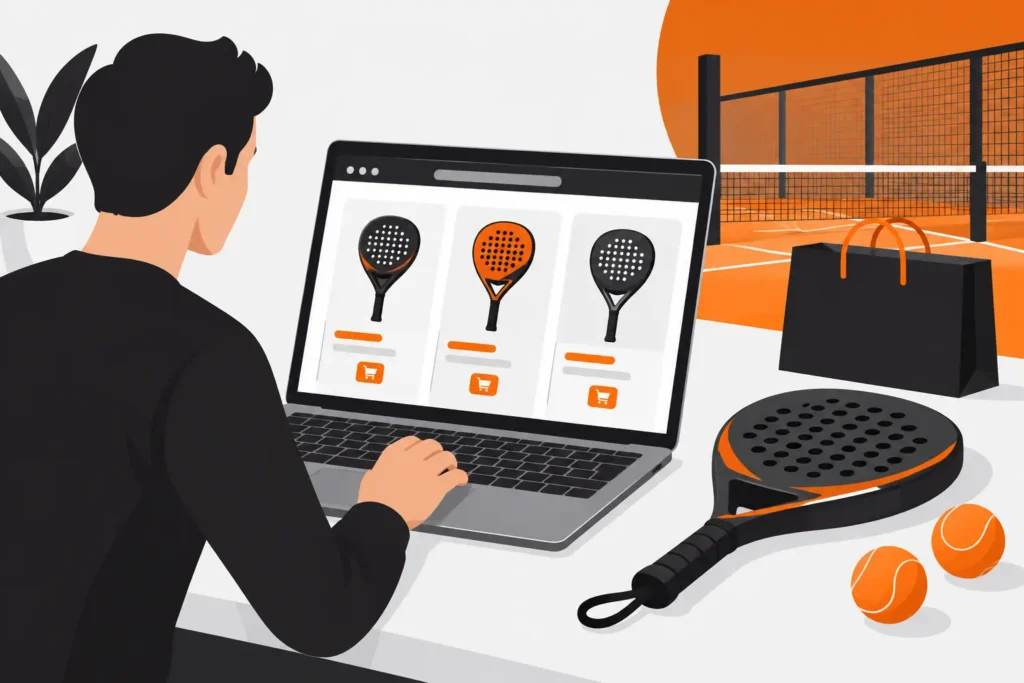
When you are comparing rackets online, keep the process simple. Start with your level, then narrow by playing style – control, hybrid or power. After that, look at shape, balance and feel. This gives you a much better shortlist than scrolling through dozens of models at random.
If you are between two options, choose the one you will handle more easily for a full match. An intermediate racket should support better habits, not force compensation. The easiest way to shop smart is to focus on the racket that gives you confidence in both defence and attack, not just one spectacular shot.
That is also why a retailer with clear categories and trusted brands makes life easier. On https://7padel.ee, players can sort by level and racket type, which cuts down the guesswork and helps you find a sensible match faster.
So what should you buy?
If you want the safest recommendation, go for a hybrid or teardrop racket with medium balance and a medium feel. That setup suits the broadest range of intermediate players and gives the best mix of forgiveness and progression. If your game clearly leans towards control, move rounder and softer. If you are more aggressive and technically sound, edge towards a firmer hybrid with a touch more top-end power.
The good news is you do not need to chase extremes. At intermediate level, better padel usually comes from making cleaner choices, not louder ones. Pick a racket that feels reliable on the shots you hit most often, and your best points will start showing up more often too.