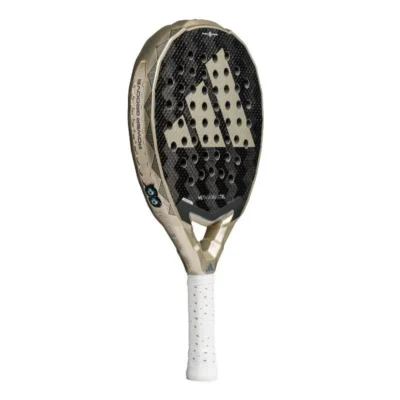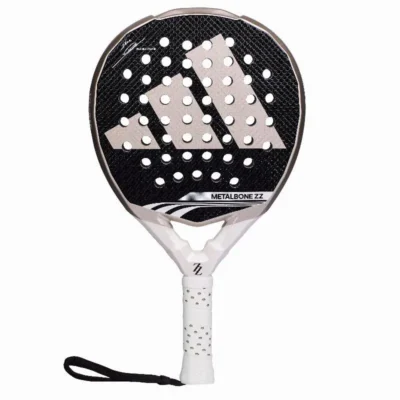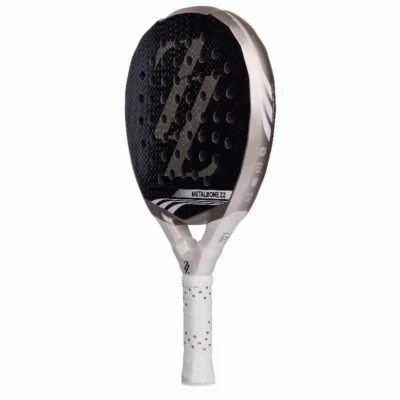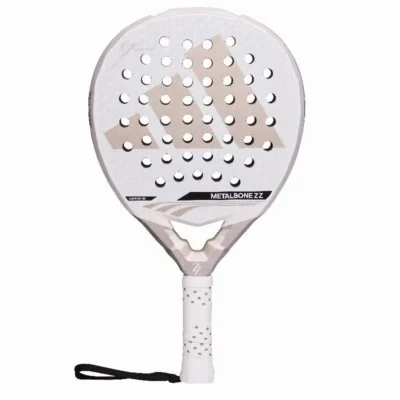
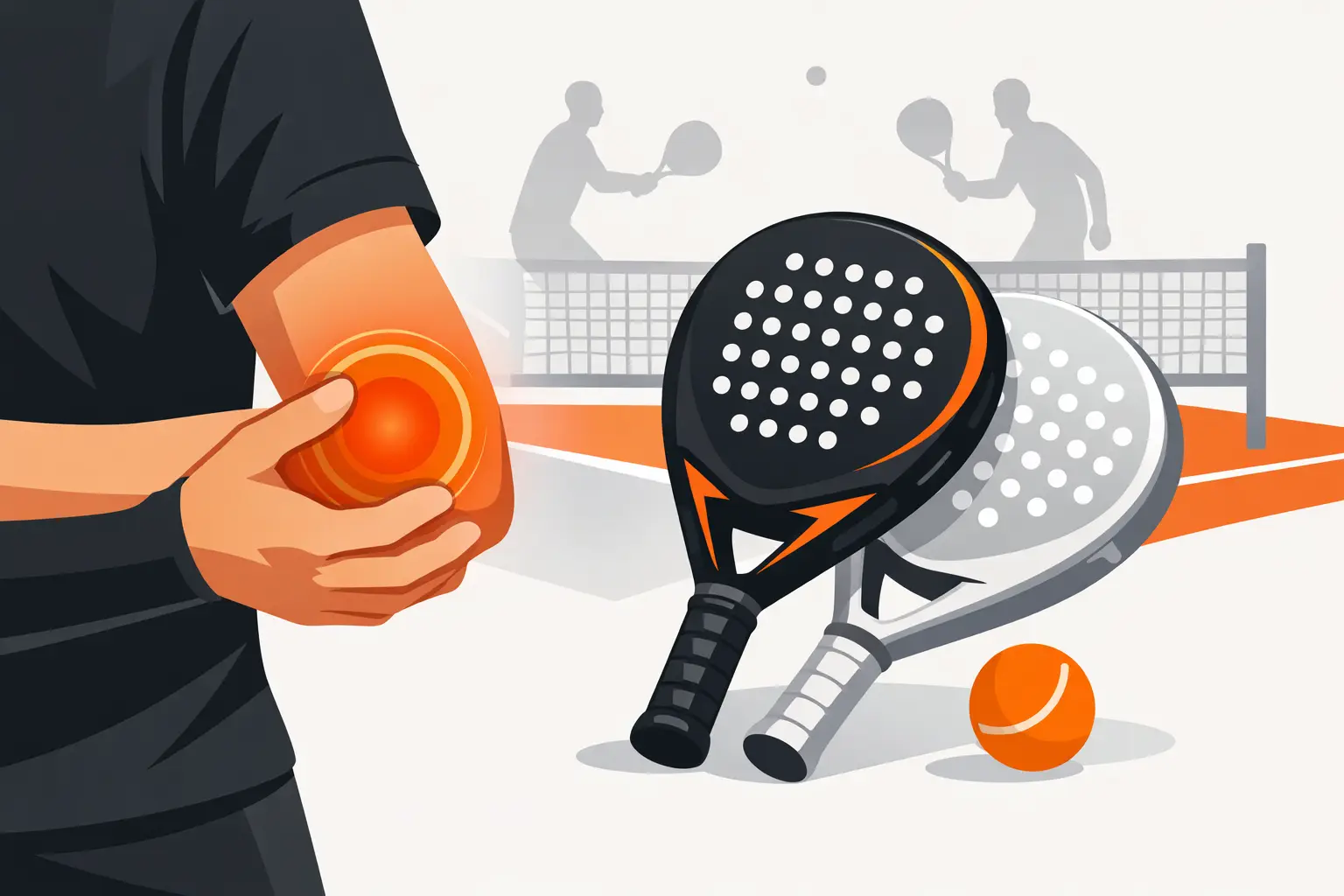
A sore elbow changes how you play before you even notice it. You hesitate on volleys, tense up on smashes and start steering the ball instead of striking it cleanly. If you are wondering what padel racket for elbow pain, the right answer is usually not the most powerful model on the shelf. It is the racket that asks less from your arm on every contact.
Elbow pain in padel often comes from a mix of vibration, poor timing, overuse and a racket that is simply too demanding for your level. That is why choosing the right racket matters. A more forgiving setup can take pressure off the joint, help you hit cleaner and make the game enjoyable again.
What padel racket for elbow pain: start with comfort, not power
If your elbow is already irritated, comfort should be your first filter. That means looking for a racket with a softer feel, a larger sweet spot and manageable weight. A lot of players make the mistake of buying a hard, head-heavy power racket because it sounds like an upgrade. In reality, if your technique is not consistently clean, that type of racket can punish off-centre hits and send more shock through the arm.
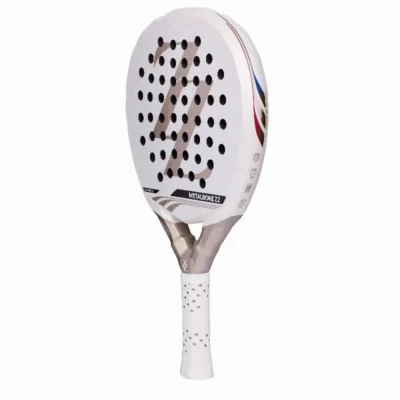
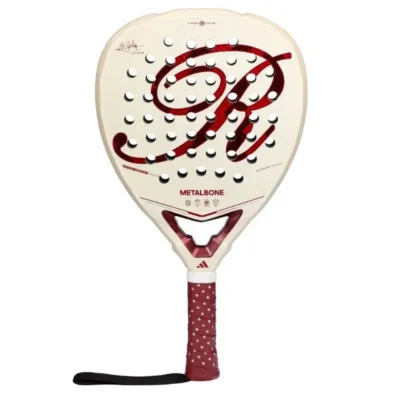
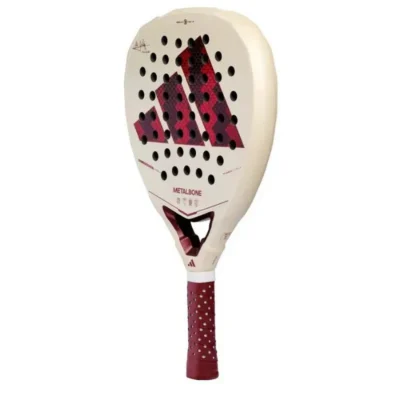
The safer place to start is usually a round or hybrid racket with low to medium balance. Round rackets tend to have the sweet spot closer to the centre, which makes them easier to control and more forgiving when contact is not perfect. Hybrid rackets can also work well if you want a bit more versatility without moving into a demanding power frame.
The key point is simple. When your elbow hurts, you want the racket to help you, not test you.
The features that usually make the biggest difference
Not every comfortable racket feels the same, but certain features tend to be better for sensitive elbows.
Softer core
A soft or medium-soft EVA core is often easier on the arm than a very hard core. It absorbs more of the impact and gives a gentler feel at contact. For many club players, this is one of the biggest factors in reducing discomfort. Harder cores can offer a crisp response and more direct power, but they are less forgiving if you regularly hit outside the sweet spot.
Fibreglass or softer face materials
The face material matters too. Fibreglass tends to feel softer and more elastic than carbon fibre, which can reduce the harshness of impact. That does not mean carbon is always bad for elbow pain. Some carbon rackets are engineered to feel very comfortable. But if you want the safest general rule, a softer face usually puts less stress on the arm.
Lower balance
Balance tells you where the racket feels heavy. A head-heavy racket can generate more power, but it also puts more strain on the wrist, forearm and elbow during repeated swings. Lower-balance or even-balance rackets are usually easier to manoeuvre and less tiring over a full match.
Sensible weight
Heavier is not always worse, and lighter is not always better. That is where many buying guides oversimplify things. If a racket is too light, some players grip too tightly and absorb more shock through the arm. If it is too heavy, the elbow can suffer from the extra load over time. For most adults dealing with elbow pain, a moderate weight is the safest choice. You want enough mass for stability, but not so much that the racket becomes hard work in defence and at the net.
Bigger sweet spot
A larger sweet spot means fewer painful mishits. This is one reason round rackets are so often recommended for players with arm discomfort. Cleaner contact means less twisting in the hand and less vibration up the arm.
Shape matters more than many players think
If you are comparing shapes, round is usually the most elbow-friendly option. It offers control, comfort and a centred sweet spot. That is especially useful for beginners and intermediate players who do not always strike the ball perfectly under pressure.
Hybrid can be the right middle ground if you want all-round performance without going fully into a power profile. A good hybrid racket can still feel comfortable while giving you a bit more punch on attacking shots.
Diamond-shaped rackets are the ones to approach with caution if your elbow is already complaining. They are often head-heavy, have a higher sweet spot and are designed for aggressive players who can generate clean contact consistently. Used by the wrong player, they can turn a mild irritation into a problem that keeps coming back.
Skill level changes the right answer
There is no single best answer to what padel racket for elbow pain because your level matters.
For beginners, comfort and forgiveness should lead the decision. A soft round racket is usually the smart choice because it makes learning easier and reduces the punishment from off-centre hits. You do not need an advanced power frame to improve. In fact, it often slows progress.
For intermediate players, the ideal racket is usually a comfortable control or hybrid model. At this stage you may want more response and precision, but not at the expense of your arm. If you play twice a week and your elbow flares up after harder sessions, avoid very stiff constructions and head-heavy balances.
For advanced players, it depends on style. If you attack a lot and want power, you may still need to dial things back while the elbow settles. That could mean switching from a hard diamond racket to a more arm-friendly hybrid for a period. You might lose a little raw punch, but gain more repeatable performance and finish matches without pain.
What to avoid if your elbow is sore
The wrong racket setup is not always obvious because many premium models look appealing and promise more performance. If your priority is protecting the elbow, be careful with very hard cores, rigid carbon-heavy constructions, high balance and extreme power shapes. Those features are not bad in themselves. For the right player, they can be excellent. But if your arm is already under strain, they tend to be less forgiving.
It is also worth avoiding the temptation to copy what advanced tournament players use. Their timing, strength and swing mechanics are different. A racket that works brilliantly for them can feel harsh and tiring for a regular club player.
The racket helps, but it is not the whole fix
If elbow pain has become a pattern, the racket is only one part of the solution. Grip size, overgrip build-up, stringless impact feel, technique and playing volume all matter. Sometimes players use too small a grip and squeeze too hard, which increases tension through the forearm. Sometimes the real issue is hitting late or muscling the ball instead of letting the racket do the work.
If the pain is sharp, persistent or getting worse, taking a short break and getting proper advice makes sense. No racket can fully compensate for an injury that needs rest or treatment. But once you are ready to play again, choosing a more comfortable model can make a noticeable difference.
A practical way to choose the right racket
When shopping, keep the process simple. Start by filtering for round or hybrid rackets. Then look for soft or medium touch, medium or low balance and a weight that feels manageable rather than impressive on paper. If two models look similar, the one built more for control and comfort is usually the safer bet for elbow issues.
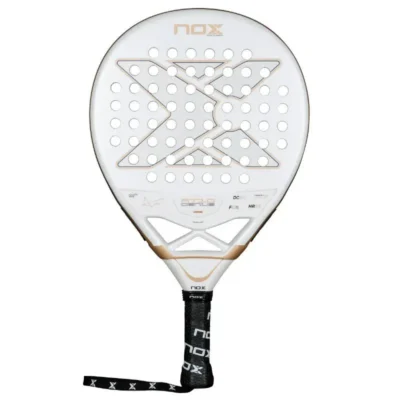
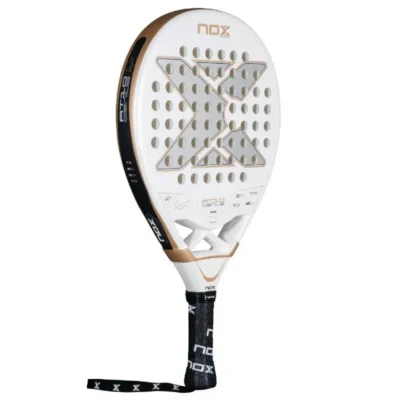
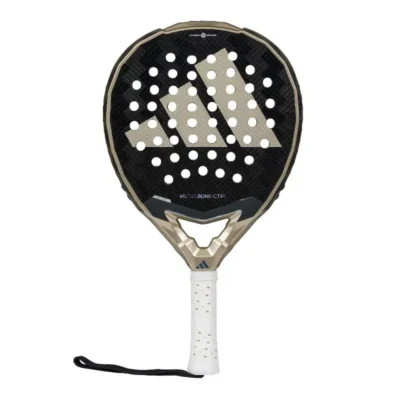
Brand matters less than fit, although the good news is that major names such as Adidas, Babolat, Bullpadel, Head, Nox, Starvie and Wilson all make options aimed at comfort and easier playability. The best choice is the one that matches your level, your playing style and the current state of your arm.
If you are between two options, choose the racket that feels easier to swing and more forgiving. Most players with elbow pain do better with that than with the racket that promises extra power but demands perfect timing.
So, what padel racket for elbow pain is usually best?
For most players, the safest answer is a round or hybrid racket with a soft core, a comfortable face material, a large sweet spot and low to medium balance. That combination gives you more control, less harsh feedback and a better chance of playing without aggravating the elbow.
You do not need to chase the most advanced model to play better. You need a racket that lets you swing freely, defend comfortably and strike the ball without dreading the next mishit. Shop smart, trust the fit over the hype, and your elbow will usually tell you when you have found the right match.