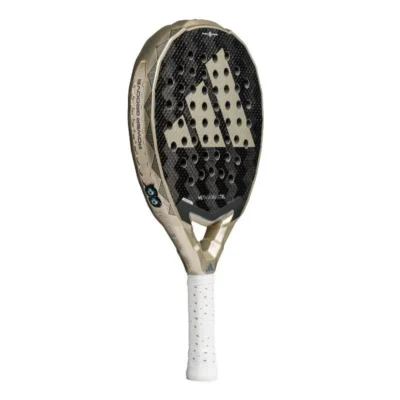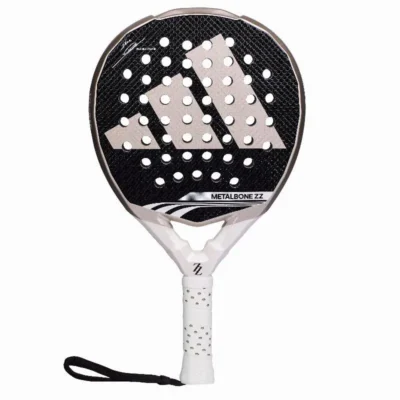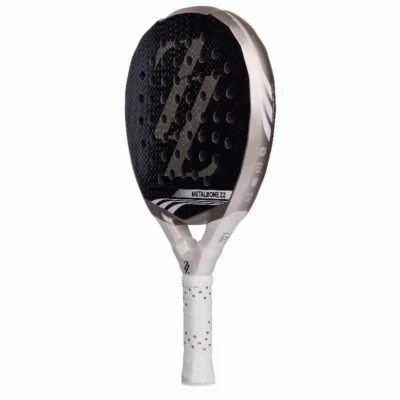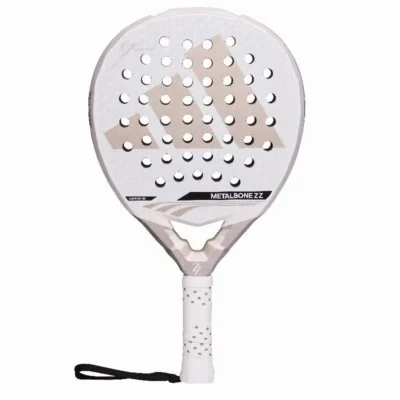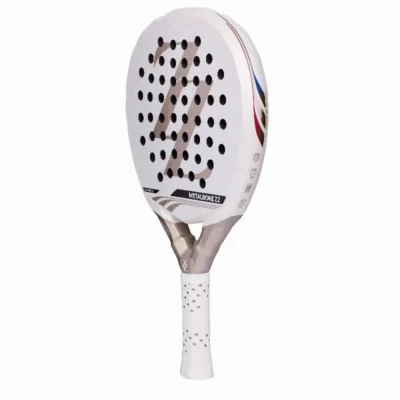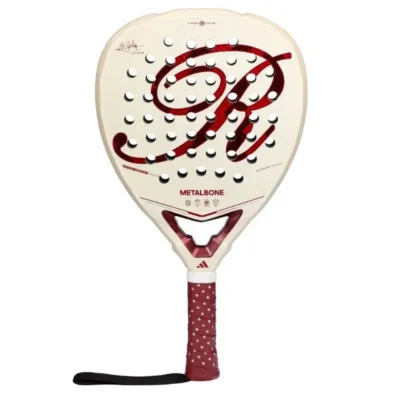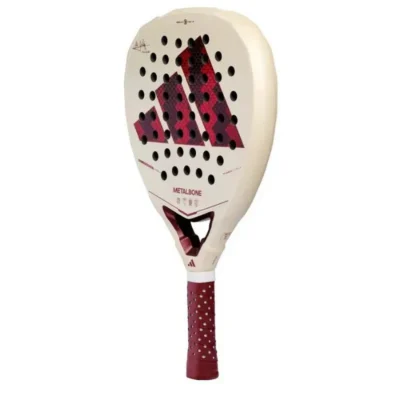
Buying the wrong padel racket usually feels great for about ten minutes. It looks sharp, the brand is familiar, and the specs sound impressive. Then you get on court, mistime a few volleys, feel extra strain in your arm, and start wondering why your old racket suddenly seemed easier to play with. That is exactly why a proper padel racket buying guide matters – not to make the choice more complicated, but to help you avoid paying for performance that does not suit your game.
The right racket depends on three things above all: your level, your playing style, and the feel you actually enjoy. Price matters too, of course, but expensive does not always mean better for you. A racket that helps one player hit harder can make another player less consistent. Shop smart, and you give yourself a better chance of playing better from the first match.
How this padel racket buying guide helps you choose
Most players start with brand names or sale prices. That is understandable, but it is not the best place to begin. Start instead with how you play now, not how you hope to play six months from now.
If you are a beginner, your priority is forgiveness. You need a racket that gives you a larger sweet spot, easy handling, and enough comfort to build confidence. If you are intermediate, you can start being more selective about control, power, and balance. If you are advanced, you probably already know whether you want faster hands at the net, heavier impact from the back of the court, or a more precise all-round setup.
That means the smartest way to buy is to narrow your options by level first, then by racket shape, then by weight and balance. Once those are right, brand and cosmetics become much easier decisions.
Start with your level, not the marketing
Beginner players
If you are new to padel, keep it simple. Look for a round or hybrid racket with a soft feel and medium to low balance. This type of racket is generally easier to manoeuvre and more forgiving when you do not strike the ball cleanly.
Many beginners are tempted by power rackets because they sound exciting. In practice, they can be harder to control and less comfortable if your technique is still developing. A softer, more manageable racket usually helps you improve quicker because you keep more balls in play and feel more confident under pressure.
Intermediate players
This is where choice gets more interesting. Intermediate players often benefit most from hybrid rackets because they offer a good mix of control and power without pushing too far in either direction. If your game is becoming more aggressive, you might prefer a slightly higher balance. If you value consistency and defence, stay with a more control-focused setup.
At this level, small differences matter more. A racket that feels stable on volleys but slightly demanding in defence may still be the right pick if you spend most of your time pressing forward. It depends on where you win points.
Advanced players
Advanced players can make use of more specialised rackets, but specialisation comes with trade-offs. Diamond shapes and head-heavy balances can produce more punch on smashes and attacking shots, yet they usually ask more from your timing and technique. Control-oriented rackets reward precision, but they may feel less explosive when finishing points.
If you play several times a week and know exactly what you want from contact, this is where performance details start to justify the price. If not, a balanced racket can still be the better buy.
Padel racket shapes explained
Shape has a big influence on how a racket performs and feels in hand.
Round
Round rackets are usually the easiest to use. They tend to have a larger sweet spot positioned more centrally, which helps with control and comfort. They are a strong choice for beginners, defensive players, and anyone who values consistency over outright power.
Hybrid or teardrop
Hybrid rackets sit in the middle and are often the safest recommendation for most club players. They aim to blend control with extra attacking potential, making them well suited to intermediate players or anyone who wants an all-round racket that adapts to different match situations.
Diamond
Diamond rackets are built more for power. The sweet spot is typically smaller and higher up the racket, which can reward aggressive players with stronger overheads and more penetration on attacking shots. The trade-off is that they are usually less forgiving, especially on off-centre contact.
Weight and balance matter more than many players realise
Two rackets can look nearly identical online and feel completely different on court. Weight and balance are a big reason why.
A lighter racket is generally easier to move, which can help in defence, quick exchanges, and for players who want less strain through the arm and shoulder. A heavier racket may offer more stability and punch, but it can also feel slower and more demanding over a long match.
Balance changes how that weight is distributed. Low-balance rackets feel easier to control and quicker in the hand. High-balance rackets can generate more power but often feel less forgiving. If you are between options, it is usually safer to choose easier handling over extra power. Most recreational players gain more from manoeuvrability than from a racket that only performs at its best when timing is perfect.
Soft or hard feel – what actually suits you?
This is one of the most overlooked parts of any padel racket buying guide. Players often focus on shape and forget that feel has a huge effect on comfort and confidence.
Softer rackets tend to absorb impact better and can feel more comfortable, especially for newer players or those with arm sensitivity. They often help in slower conditions and make defensive play feel easier. Harder rackets usually offer a crisper response and can suit players with faster swings who want more precision and direct feedback.
Neither is automatically better. If your game is compact and controlled, a very hard racket may feel unforgiving. If you hit aggressively and want a cleaner response at pace, a soft racket may feel too muted. The best choice is the one that matches how you naturally strike the ball.
Do not buy only by brand
Well-known brands such as Adidas, Babolat, Bullpadel, Head, Nox, Starvie, and Wilson all make strong rackets across different player levels. That is good news, because it means you do not need to chase one logo to get a good fit.
A smart shopper compares within the category they actually need. Instead of asking, which brand is best, ask which racket type suits my level and style at the right price. That approach usually leads to a better racket and a better deal.
This is also where a curated store helps. If the product range is organised by level and racket type, it becomes much easier to filter out the noise and focus on realistic options rather than every model on the market.
Common buying mistakes to avoid
The biggest mistake is buying too advanced, too soon. A racket made for elite attacking players can feel exciting in theory but frustrating in real matches if your game is not there yet.
The second mistake is choosing pure power when what you really need is control. Most players lose more points through inconsistency than through lack of speed. A racket that helps you defend well, return confidently, and volley cleanly often adds more to your results than one big smash every few games.
Another common mistake is ignoring comfort. If a racket feels harsh, heavy, or awkward, you are less likely to trust your shots. That affects your game far more than any spec sheet can show.
A simple way to narrow your choice
If you want to make the decision faster, think in this order. First, be honest about your level. Second, decide whether your priority is control, all-round play, or power. Third, choose a shape that matches that priority. Fourth, look at weight and balance with handling in mind. Finally, compare price, brand, and design between the rackets that remain.
For most players, that process cuts the search down quickly. Beginners usually land on round or easy hybrid rackets. Intermediate players often find their best fit in hybrid models. Advanced players can be more selective, but even then, matching the racket to your actual style matters more than choosing the most demanding model available.
At 7padel, that is the practical way to shop – less guesswork, clearer choices, and a better chance of finding your perfect match without overpaying for the wrong racket.
A good racket should make the game feel simpler, not harder. If you choose one that suits your level and the way you play now, you will enjoy every session more and give yourself room to improve naturally.