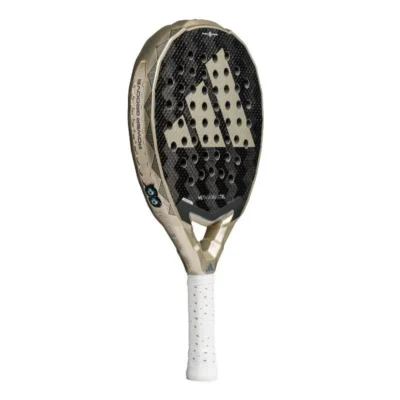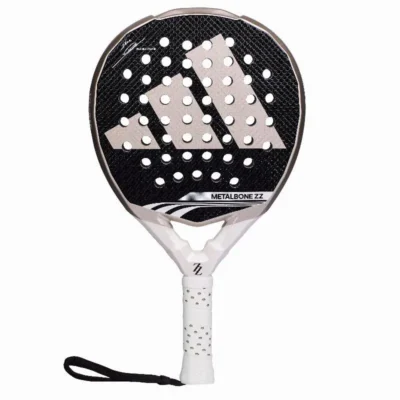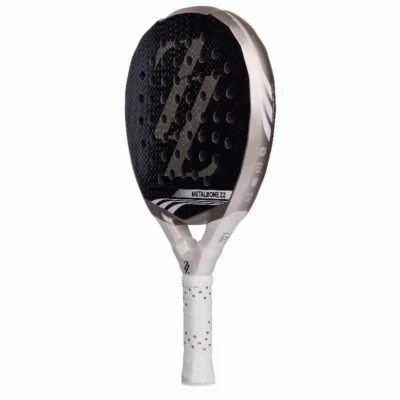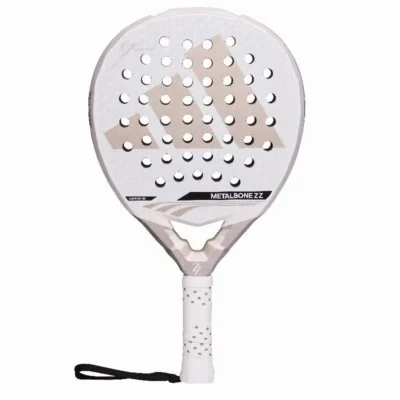
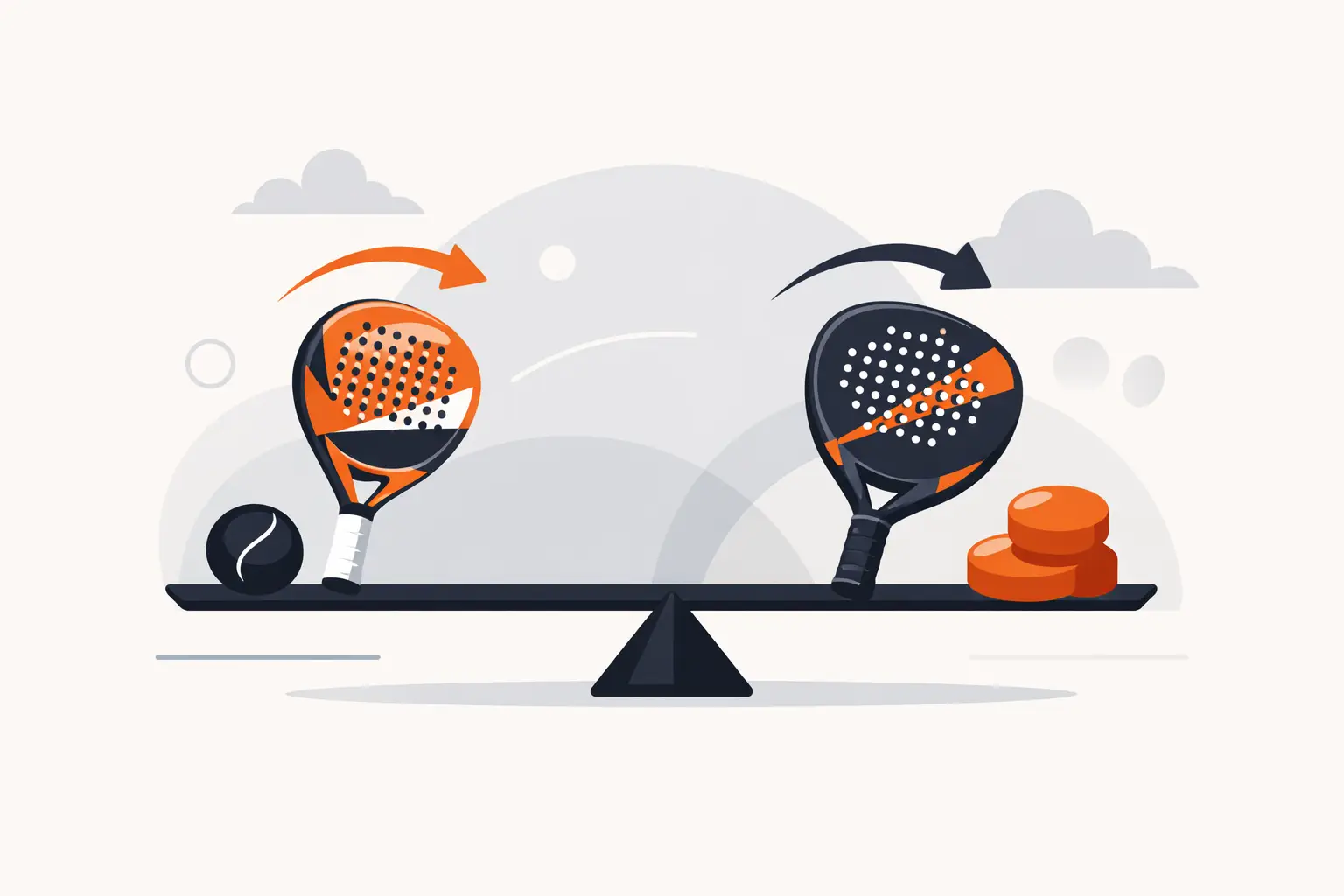
You feel it straight away on court. One racket comes through the ball with more punch, while another feels quicker in the hand at the net. That is why so many players ask, is a heavier padel racket better? The honest answer is no – not for everyone. A heavier racket can give you more stability and power, but it can also slow your swing, tire your arm and make quick reactions harder.
For most players, racket weight is not about finding the heaviest option you can handle. It is about finding the right balance for your level, technique and style of play. If you shop smart here, you usually play better there.
Is a heavier padel racket better for power and control?
A heavier padel racket often feels more solid through contact. When you block a fast ball or drive from the back of the court, the extra mass can help the racket stay stable instead of twisting in your hand. That is why stronger and more advanced players often like slightly heavier models. They can generate racket-head speed on their own, so the added weight becomes an advantage rather than a burden.
Power is the obvious benefit. If your timing is good and your technique is clean, a heavier racket can help you hit deeper shots and more forceful smashes. You may also notice better control on defensive balls because the racket feels less flimsy against pace.
But there is a catch. Control in padel is not only about stability. It is also about being able to prepare early, adjust quickly and meet the ball cleanly. If a racket feels too heavy for your arm speed, your timing drops off. Suddenly your bandeja arrives late, your volleys sit up and your overheads lose accuracy. In that case, the extra weight is not helping your control at all.
So yes, heavier can mean more power and a more planted feel. No, it does not automatically mean better results.
What a heavier racket really changes on court
Weight affects more than one thing, and that is where many buying decisions go wrong. Players often look only at the number in grams, but the feel of a racket depends on how that weight is distributed.
A racket with a higher balance point feels heavier towards the head. That usually increases power, but it also makes the racket slower to move. A model with a lower balance point can still have a fairly solid overall weight while feeling easier to manoeuvre, especially in fast exchanges near the net.
This matters because padel is full of quick decisions. You are defending glass, reacting to rebounds, lifting low balls and trying to win points at the net in tight spaces. A racket that feels great on one hard smash might feel sluggish in every other phase of the rally.
That is why a heavier racket is often best for players who already have efficient footwork and preparation. If your game is still developing, a more manageable weight usually makes it easier to build consistency.
Heavier does not always mean harder to use
There is a difference between slightly heavier and simply too heavy. A small increase in weight can make a racket feel more premium and more stable without becoming demanding. Many intermediate players benefit from this kind of step up once they have outgrown very light beginner frames.
The problem starts when the racket asks more from your body than you can comfortably give. If you need to muscle every swing, you will not get the best from it for long.
Is a heavier padel racket better for beginners?
Usually, no. Most beginners do better with a lighter or mid-weight racket that is easy to swing and forgiving on off-centre hits. At this stage, the biggest wins come from cleaner contact, better timing and confidence, not from adding mass.
A racket that is too heavy can make learning harder. You may struggle to set up early, especially on defensive balls or quick volleys. You may also feel your forearm and shoulder fatiguing faster, which often leads to poor technique. When that happens, players blame themselves when the real issue is that the racket is not a good fit.
That does not mean every beginner should buy the lightest racket on the market. Very light models can sometimes feel less stable, and some adult players with good natural strength prefer a bit more substance. But in general, beginners should lean towards comfort, manoeuvrability and forgiveness first.
If you are new to padel, it is smarter to choose a racket that helps you play longer and cleaner rather than one that promises extra power you cannot yet use consistently.
Intermediate and advanced players: when heavier starts to make sense
Once your technique improves, the equation changes. Intermediate players often reach a point where their racket starts to feel a little too light on harder shots. The frame may flutter under pressure, or smashes may lack the weight they want. This is where moving slightly heavier can be a very good decision.
For intermediates, the ideal move is usually gradual. You want a racket that gives a bit more stability and punch without sacrificing hand speed. Hybrid-shaped rackets often work well here because they keep a useful blend of control and power.
Advanced players have more room to benefit from heavier rackets, particularly if they play an aggressive style. If you attack overheads, finish points at the net and can generate fast, efficient swings, extra weight can support your game. You are more likely to appreciate the added stability on volleys, viboras and powerful smashes.
Even then, there is no universal rule. Plenty of advanced players still choose lighter or more manoeuvrable setups because they value speed, touch and quick recovery between shots. Better players do not always use heavier rackets. They use rackets that match exactly how they play.
Comfort matters more than many players think
One of the biggest drawbacks of going too heavy is comfort. Padel puts repeated stress on the wrist, elbow and shoulder, especially if you play often. A racket that feels slightly too demanding in a ten-minute test can feel much worse after two matches in a week.
If you have had arm discomfort before, be careful with heavier and head-heavy models. More weight can increase the load on your joints, particularly if your technique is not compact or if you contact the ball late. In these cases, a more manageable racket can actually improve performance because you stay fresher and move more naturally.
This is where smart buying beats chasing specs. The best racket is not the one that sounds most powerful. It is the one you can use well, comfortably and consistently.
How to decide if you should go heavier
A simple question helps: are you limited by your racket, or by your current technique? If your shots are clean, your preparation is early and you still want more stability or depth, a slightly heavier racket could be the right next step. If your timing is inconsistent and your arm gets tired quickly, it probably is not.
You should also think about your playing style. If you rely on quick hands, defence and control, manoeuvrability may matter more than added mass. If you are a strong attacking player who likes to dominate overheads, a heavier setup might suit you better.
The shape and balance of the racket matter too. A round racket with sensible balance can feel easier to handle than a lighter diamond-shaped racket with weight in the head. That is why choosing by grams alone is rarely enough.
For online shoppers, the safest route is to filter your options by level and playing style first, then compare weights within that shortlist. At 7padel, that approach makes the choice much simpler because you are not trying to decode every racket from scratch.
The better question is not heavier or lighter
The better question is whether the racket helps your game. A heavier model can be better if you have the strength, technique and style to use it well. It can give you stronger ball output, a steadier feel and more confidence on attacking shots. But if it slows your reactions or strains your arm, it is the wrong choice, however good the spec sheet looks.
For beginners, lighter to mid-weight rackets are usually the safer bet. For intermediate players, a small step up in weight can bring real benefits. For advanced players, heavier rackets can be excellent tools, but only when the balance and feel match the demands of their game.
The smartest purchase is not about chasing the most power. It is about choosing a racket that lets you swing freely, defend comfortably and attack with confidence. Find that match, and the weight number becomes a lot less mysterious.