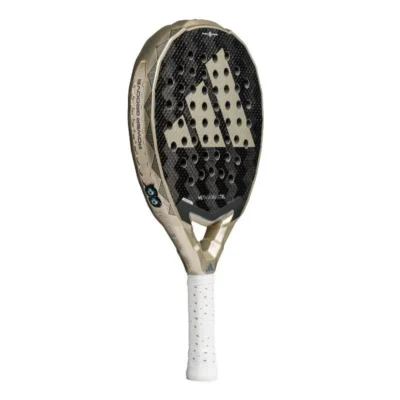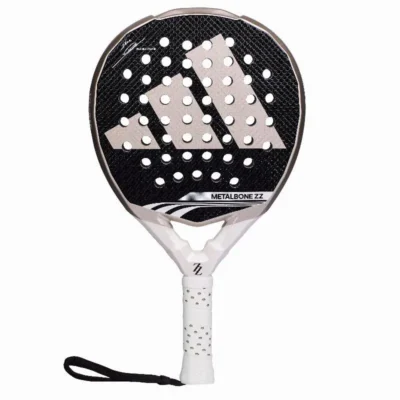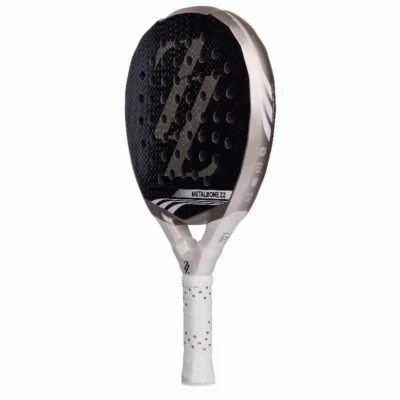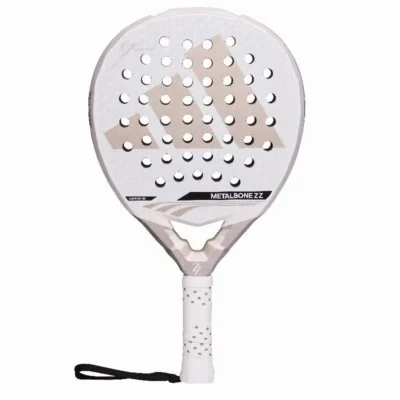
Buying a padel racket should feel exciting, not like a guess. If you are wondering how to avoid buying wrong racket options online, the biggest mistake is usually starting with the brand or the look instead of your level, style and what actually helps your game. A racket can be brilliant on paper and still be completely wrong for you.
That is where many players waste money. They buy a model used by an advanced player, pick the most aggressive shape because it sounds powerful, or choose a very cheap racket that needs replacing too soon. The smarter move is simpler – match the racket to how you play now, not how you hope to play six months from now.
How to avoid buying the wrong racket from the start
The quickest way to narrow your choices is to answer three questions honestly. Are you a beginner, intermediate or advanced player? Do you need more control, more power or a bit of both? And do you want a racket that feels easy straight away, or one that demands more from your technique?
Most wrong purchases happen when one of those answers is ignored. A beginner often buys too much racket. An advanced player sometimes buys too little and ends up feeling held back. Intermediate players can go either way, especially if they are improving fast and want something that still suits them after a few months of regular matches.
Level matters because it affects forgiveness. If your contact point is inconsistent, a racket with a larger sweet spot and easier handling will help more than a demanding power model. If your technique is solid and you hit cleanly under pressure, you can afford to be more specific.
Start with your level, not the marketing
A racket described as powerful, explosive or pro-level can sound tempting. It can also punish off-centre shots, tire your arm and make defending harder. That is fine if you are an advanced player who knows exactly why you want that feel. It is not ideal if you are still working on timing and consistency.
Beginner players
If you are new to padel, prioritise comfort, forgiveness and control. A softer feel and a manageable weight usually make the game easier to learn. You want a racket that helps on defensive shots and gives you confidence when rallies speed up.
Too many beginners buy a diamond-shaped racket because power sounds attractive. In reality, that higher balance can make the racket feel heavier in the head and less forgiving. For most new players, that means more mishits and less enjoyment.
Intermediate players
This is where choosing gets more interesting. You probably know what annoys you in your current racket. Maybe it feels underpowered at the net, too lively on volleys, or awkward on slower defensive balls near the glass.
Intermediate players usually do well with a hybrid option. It gives enough all-round performance without forcing a big compromise. If your game is balanced and you are still refining your identity on court, hybrid is often the safest and smartest zone.
Advanced players
Advanced players can be more demanding, but the same rule still applies – choose based on your real game, not your ego. If you dominate with placement and transitions, a control-focused racket may suit you better than an ultra-aggressive model. If your game is built around overhead pressure and fast finishes, a power racket makes more sense.
The better you get, the more personal racket choice becomes. Small changes in balance, feel and surface can matter. But even then, buying the wrong racket usually comes down to choosing something that fights your natural strengths instead of supporting them.
Shape changes more than most players expect
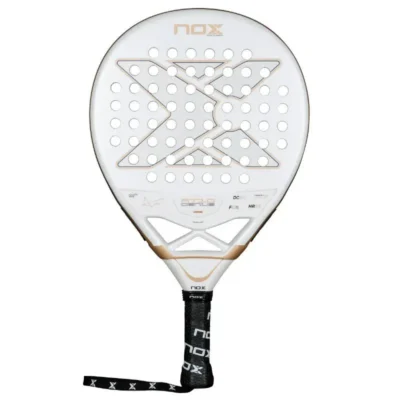
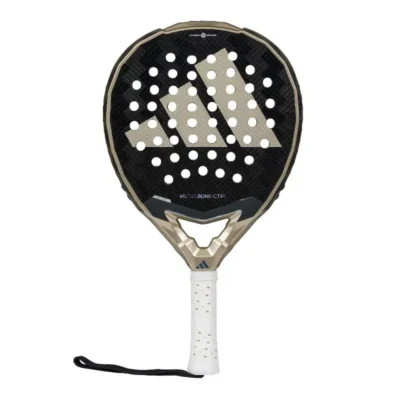
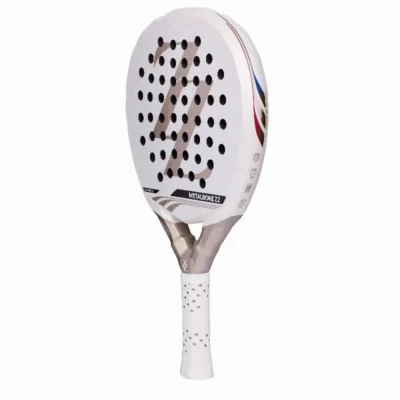
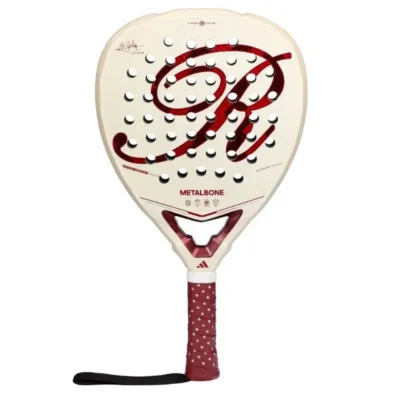
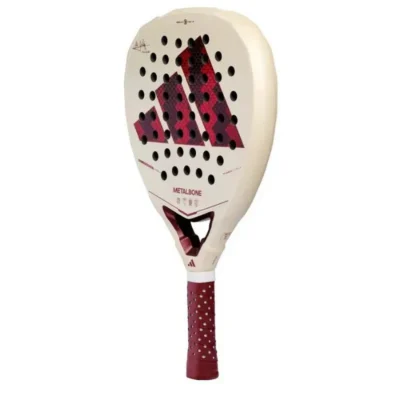
One of the easiest ways to understand racket fit is shape. Round, hybrid and diamond rackets each change the way a racket behaves.
A round racket usually offers more control and a larger sweet spot. It is often the easiest place to start for beginners and a solid choice for players who value consistency. If you defend a lot, prefer placement, or want a more forgiving response, round makes sense.
A hybrid racket sits in the middle. It aims to blend control and power, which is why it suits a wide range of intermediate players. If you do not want to lean too far in one direction, this is often the safest bet.
A diamond racket is usually built for more attacking intent. The sweet spot tends to sit higher, and the balance can feel more demanding. When used by the right player, it can be excellent. When chosen too early, it is one of the main reasons players end up regretting a purchase.
Weight and balance can make or break comfort
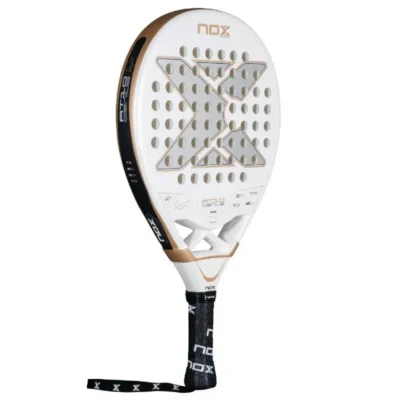
If two rackets look similar online, weight and balance are often the hidden difference. A racket can have the right shape and still feel wrong in your hand if it is too heavy or too head-heavy for your strength and timing.
Lighter rackets are easier to manoeuvre, especially in defence and fast exchanges. They can also feel kinder on the arm. Heavier rackets may offer more stability and punch, but only if you can swing them comfortably over a full match.
Balance matters just as much. A lower balance often feels easier to control. A higher balance can help generate power but may reduce handling. Neither is automatically better. It depends on your level, your physical comfort and the type of points you usually play.
If you have had elbow or shoulder discomfort before, do not ignore it. Chasing more power is rarely worth it if the racket feels harsh or tiring after one session.
Do not buy based on one good feature
A common mistake is shopping around one headline benefit. More power. Rough surface. Harder core. New season model. Premium brand. These features can all matter, but none of them should decide the purchase on their own.
A racket is not right because one detail sounds impressive. It is right when the whole package suits your game. A slightly less powerful racket that gives you cleaner contact and better control will often help you win more points than a demanding model that only feels good on your best smashes.
This is especially true online, where product names can make every racket sound exceptional. Good buying decisions come from fit, not hype.
Think about how you win points
If you are not sure what style suits you, keep it simple. Ask yourself how you usually win or lose points.
If you win through consistency, placement and making fewer mistakes, lean towards control. If you like finishing points at the net and playing aggressively overhead, power may suit you. If your game changes depending on the opponent and you want versatility, hybrid is likely the best route.
It also helps to think about where your current racket lets you down. If you struggle to defend and block balls back, more control and easier handling can help. If you feel solid in rallies but cannot put enough pressure on the ball when attacking, you may need more punch.
Price matters, but value matters more
The cheapest racket is not always the bargain. If it does not suit your level or needs replacing quickly, it becomes expensive in the long run. On the other hand, the most expensive racket is not automatically the best option either.
Good value means getting a racket that fits your game from a trusted brand, at a fair price, without paying for features you will not use. For most players, that is the sweet spot. Recognisable brands often give more confidence in materials and consistency, but the right model within the range matters more than the logo.
A well-chosen mid-range racket can be a far better buy than a top-end model that is too advanced for you.
How to avoid buying wrong racket models online
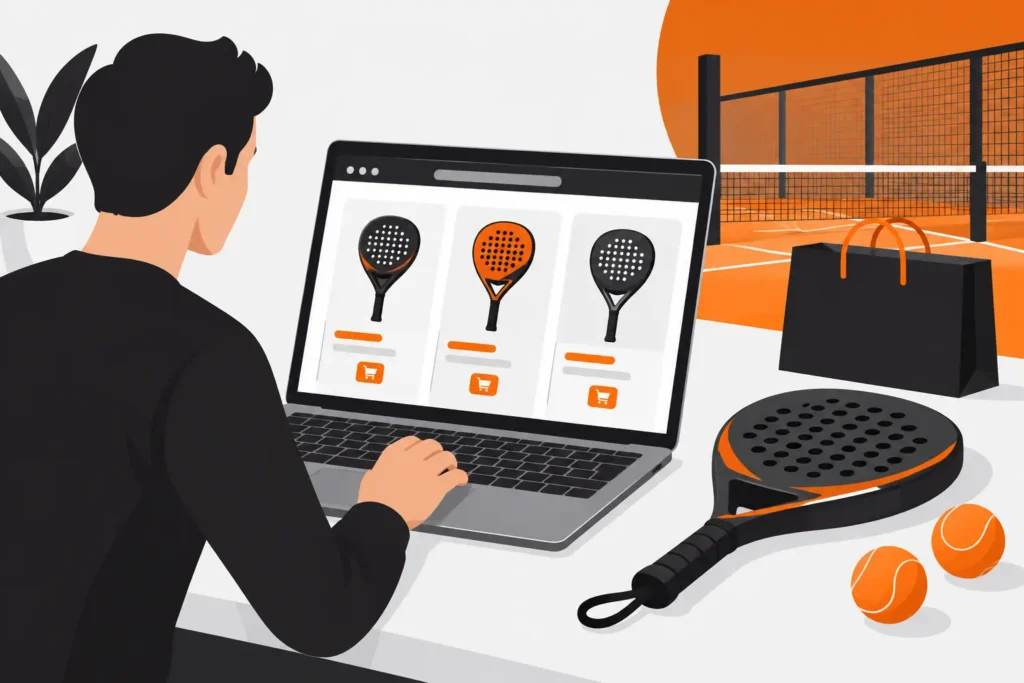
When you cannot hold the racket before buying, product structure becomes important. Look for stores that let you shop by skill level and playing style, not just by brand. That saves time and reduces bad matches.
Read specifications with a purpose. Check shape, weight range, balance and whether the racket is aimed at control, hybrid or power. Then compare that with your actual needs. If the racket sounds exciting but does not line up with your level or playing style, keep scrolling.
It also helps to buy from a retailer that makes the process less risky. Clear categorisation, competitive pricing and a straightforward return window all make online buying easier. That is one reason players use shops like 7padel – the goal is to help you shop smart rather than bury you in jargon.
The best racket is the one you can use well
There is no perfect racket in isolation. There is only the right racket for the way you play today, with enough room for your game to grow. The best choice usually feels less dramatic than people expect. It is the racket that gives you confidence on ordinary points, not just the one that promises spectacular winners.
If you keep your level, playing style, shape, weight and comfort in focus, you will avoid most buying mistakes. Start there, be honest about your game, and your next racket has a much better chance of feeling right from the first match.