You do not need a boot full of kit to enjoy your first few padel matches. But the right padel accessories for beginners can make a real difference from day one – not because they look the part, but because they help you feel more comfortable, move better and avoid buying the wrong extras too early.
That is where most new players get stuck. They buy too much, buy too cheaply, or miss the items that actually improve the experience. If you are just starting out, the smart move is to focus on a small group of accessories that support your game without overcomplicating it.
Which padel accessories for beginners matter most?
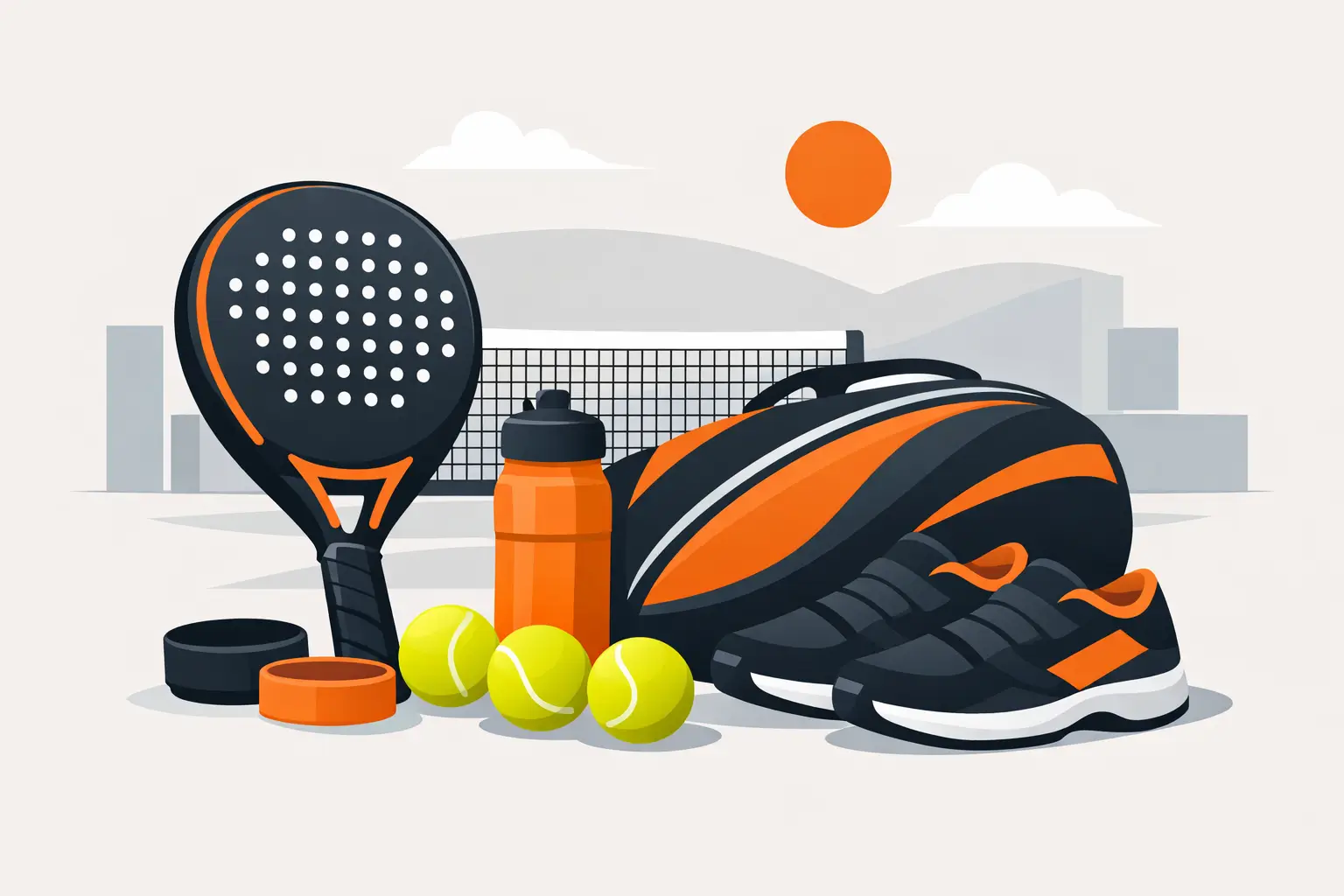
A beginner does not need every accessory in the padel shop. You need the basics that affect play, comfort and racket care. For most players, that means balls, overgrips, a practical bag and proper shoes. After that, a few add-ons can make sense depending on how often you play and whether you are still borrowing equipment or building your own setup.
The key is buying in the right order. Accessories should solve a problem. If your hand slips, you need overgrips. If you are carrying trainers, water and spare clothes to the court, you need a bag. If your shoes struggle on artificial turf or sand-dressed surfaces, that is where your money should go next.
Start with padel balls, not tennis balls
This sounds obvious, but plenty of beginners still use tennis balls because they are easy to find. Padel balls look similar, but they are made for the pace and bounce of padel. The pressure and response are different, and that changes how rallies feel.
If you are learning timing and control, using the wrong balls only makes the game harder. You will get a truer feel for defensive shots, volleys and glass rebounds with proper padel balls. They also help you understand how your racket responds, which matters when you are trying to build confidence.
If you play casually once in a while, one or two tubes may be enough. If you are booking courts every week, it is worth keeping extra balls at home. Old balls lose pressure and make the game feel flat, so replacing them regularly is not wasteful – it keeps practice more realistic.
Overgrips are cheap, useful and often overlooked
A good overgrip is probably the best-value accessory in padel. It improves comfort, helps with sweat control and can make the racket feel more secure in the hand. For a beginner, that matters more than most premium extras.
Many new players assume the factory grip is enough. Sometimes it is, but often it feels too smooth, too thin or too worn after a short period of play. Adding an overgrip is a simple fix. It can also slightly change the handle thickness, which some players prefer if they feel they are squeezing too hard.
There is a trade-off here. Very tacky grips can feel great at first but wear down faster, while drier grips may last longer but feel less sticky. If you sweat a lot, comfort and absorption should matter more than appearance. Keep a few spare overgrips in your bag because once a grip starts slipping, your control usually drops with it.
Shoes are not really optional for long
If you have only played once or twice, you might get away with general sports trainers. If you plan to keep playing, padel shoes are one of the smartest upgrades you can make. They support quick changes of direction, improve grip and reduce the chance of sliding at the wrong moment.
Padel involves short sprints, side steps and frequent stops. Ordinary gym shoes are not built for that movement on court surfaces used in most UK and European clubs. The issue is not just performance. It is also stability.
That does not mean the most expensive pair is automatically right for a beginner. Comfort comes first. If the shoe feels heavy, stiff or narrow, it will distract you more than it helps. Look for a sole suitable for padel courts, solid lateral support and enough cushioning for repeated sessions. If you play once a month, you can keep this purchase simple. If you are already hooked, it is worth getting right early.
A padel bag should be practical, not oversized
A lot of new players buy a large tour-style bag because it looks serious. Then they realise they are carrying around empty compartments and extra bulk they do not need. For beginners, a compact padel bag or practical backpack is often the better choice.
You need enough room for your racket, balls, water bottle, towel, overgrips and maybe a change of top. That is usually it. If you cycle to the club or walk from the car park, a lighter bag is easier to live with. If you play before work or on the way home, separate space for shoes and damp clothing is genuinely useful.
Bigger bags make more sense later if you are carrying multiple rackets or playing several times a week. At the start, organisation matters more than size.
The small extras that are worth adding
Once the basics are covered, a few smaller accessories can make your sessions smoother. A wrist strap replacement or protector can be useful if your racket gets knocked about, especially in early games when timing near the glass and fence is still developing. A towel and water bottle are obvious, but they are still part of a good setup because padel gets sweaty quickly.
Some players like a racket protector straight away. Others prefer to keep the racket as it is because extra weight on the head can slightly alter the feel. That is one of those it-depends purchases. If you are prone to scraping the frame, a protector is sensible. If you are using a very light beginner racket and value its easy handling, you may want to keep changes minimal.
A ball hopper, vibration accessories or specialist training gear can wait. They are not bad products. They are just not first-purchase essentials for most beginners.
What beginners should avoid buying too soon
The most common mistake is buying accessories for the player you hope to become instead of the player you are now. Premium bags, advanced customisation items and large bulk orders of gear can wait until you know your routine and preferences.
The same goes for copying what strong club players use. Their choices may suit frequent competition, specific racket balances or long training sessions. A beginner usually benefits more from comfort, simplicity and value.
Price matters, but cheapest is not always smartest either. Low-quality grips wear out quickly. Poor shoes can feel unstable. Very cheap balls lose life fast. Buying sensible products from trusted padel brands usually saves money in the long run because you replace them less often and enjoy using them more.
How to choose accessories that match how often you play
If you are playing once every couple of weeks, keep your setup lean. Buy a few tubes of padel balls, spare overgrips and a practical bag. Upgrade your shoes when you know padel is becoming a habit.
If you are already on court once or twice a week, invest sooner in footwear and keep replacement accessories ready. That means more grips, fresh balls and a bag that can handle regular use. At that point, convenience matters because you do not want every session to start with missing kit or worn-out essentials.
If you are progressing quickly and taking lessons, think about racket care too. A simple protector and organised storage become more worthwhile when your equipment gets used often.
A simple beginner setup that works
For most players, the best starting combination is straightforward: proper padel balls, several overgrips, shoes designed for padel or clay-style court movement, and a medium-sized bag. That setup covers the biggest practical needs without pushing you into unnecessary spend.
From there, build around your habits. If your hands sweat heavily, stock up on grips. If you travel to play, prioritise a better bag. If you are training regularly, keep fresh balls in reserve. Shop smart, and each accessory will have a clear reason for being in your kit.
That is really the point. The best beginner setup is not the one with the most extras. It is the one that gets you on court feeling comfortable, prepared and ready to enjoy the game. If you are choosing carefully, even a small kit can go a long way – and that is exactly how most players should start.