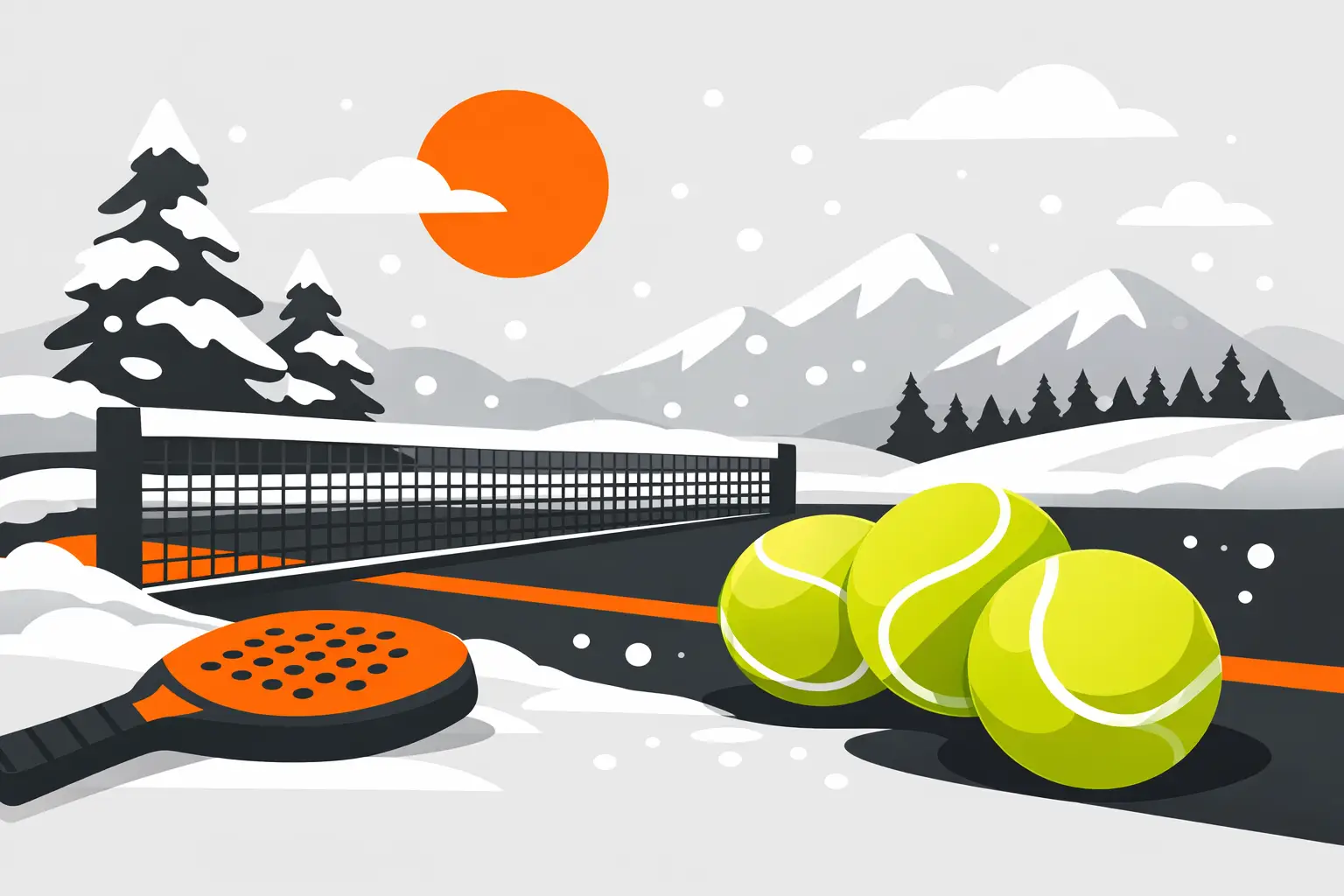
A lot of players blame their racket when winter arrives, but the ball is usually the first thing that changes your match. On cold, damp courts, a ball that felt lively in September can suddenly seem flat, slow and heavy. If you are looking for the best padel balls for winter courts, the goal is simple – keep enough bounce and speed to play your normal game without losing control.
That does not mean there is one perfect ball for everyone. Winter conditions vary, and so does your style. An aggressive player who likes fast points may want a livelier ball, while a beginner or control-focused player may actually benefit from a slightly calmer response. The right choice depends on temperature, court surface, humidity and how hard you hit.
What changes on winter courts
Cold air affects pressure inside the ball. As temperatures drop, the ball tends to feel less lively off the racket and off the glass. Add moisture from damp air or a wet court surface and the felt can become heavier too. That slows rallies down and can make timing awkward, especially if you are used to a sharper rebound.
Indoor winter play is a bit different. The temperature is usually more stable, but many indoor halls still feel cooler than summer conditions, and some balls can still play slower than expected. Outdoor winter padel is where the difference becomes obvious. Lower temperatures, denser air and occasional surface moisture all combine to take some speed out of the game.
This is why winter ball choice matters more than many players think. A ball that works brilliantly in warm conditions may not be the best option once the weather turns.
Best padel balls for winter courts – what to look for
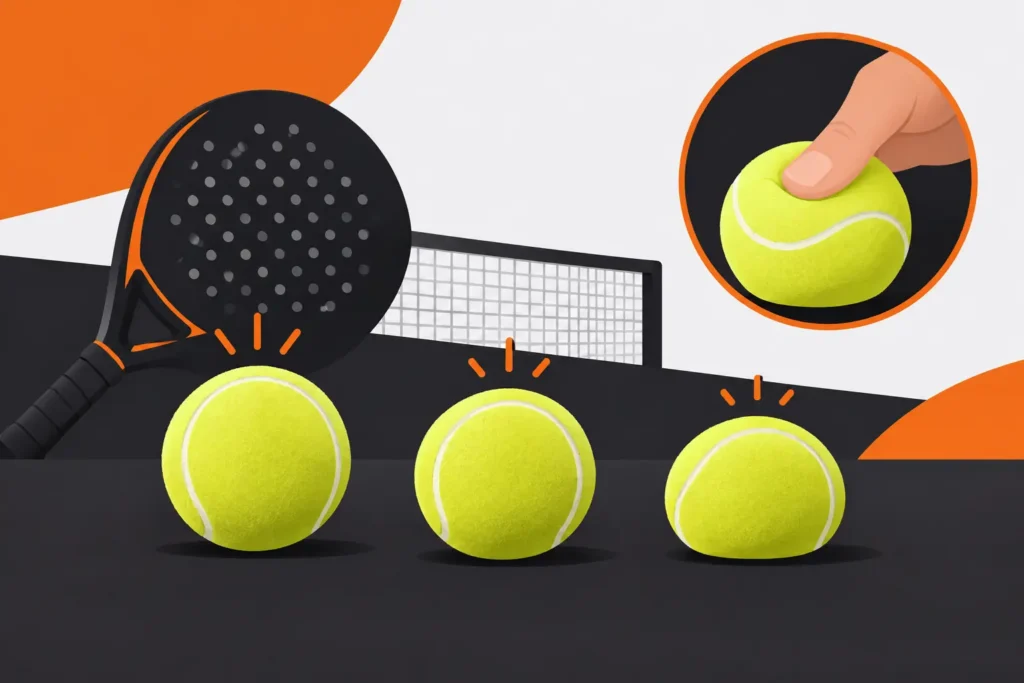
The first thing to look for is consistent pressure retention. In winter, balls lose that lively feel more quickly, so models known for staying fresh for longer usually make more sense. You want a ball that still feels responsive after a set, not one that starts well and drops off fast.
The second factor is speed profile. Some padel balls are naturally quicker and more reactive, while others are designed to be slightly more controlled. On winter courts, many players benefit from a faster ball because the conditions already slow everything down. That said, if you are a newer player or you often overhit, going too lively can create a different problem.
Felt matters as well. A denser, heavier felt can help durability, but it may also pick up moisture and feel sluggish in damp outdoor conditions. A slightly lighter-feeling ball can stay more playable when the court is cold. The trade-off is that lighter balls sometimes wear faster, especially if you play frequently.
Which type of player needs a faster winter ball?
If you are an advanced player who likes to attack, finish points early and use bandejas, viboras and smashes to pressure opponents, a faster winter ball usually makes sense. It helps restore some of the pace that cold conditions remove. Without that extra liveliness, your attacking shots can sit up instead of pushing opponents back.
Intermediate players often benefit too, especially if they play outdoors and train regularly through autumn and winter. A slightly quicker ball can make rallies feel more natural and reduce the sense that every shot needs extra effort.
Beginners are a bit different. If you are still working on clean contact and basic control, an ultra-lively ball is not always the answer. A balanced ball with good pressure retention is often the better fit. You still want enough responsiveness for winter, but not at the expense of confidence.
Brand-by-brand buying guidance
Because 7padel focuses on recognised padel brands, it helps to think in brand families rather than chasing one miracle ball. Most major brands offer reliable options, but they tend to lean slightly differently in feel.
Head padel balls are often a safe all-round choice for players who want a good mix of speed, control and easy availability. They tend to suit a wide range of levels, which makes them a practical winter pick if you want something dependable rather than overly specialised.
Bullpadel and Adidas options often appeal to players who want a more competition-style feel. Depending on the exact model, they can offer a crisp response that helps in slower winter conditions. They are a strong fit for regular players who do not want their game to feel dulled by the cold.
Wilson and Babolat padel balls are also worth considering if you like a more responsive strike and stable quality from tube to tube. For many club players, these are the sort of balls that make winter sessions feel closer to normal playing conditions.
Nox and Starvie can be particularly appealing if you already favour those brands in other gear and want consistency across your setup. The key point is not the logo on the tube, but choosing a model with a reputation for maintaining pressure and giving you enough energy off the bounce.
Should you choose faster or more durable balls?
This is where winter buying gets more specific. If you play one or two social matches a week, a slightly faster ball is often the smarter buy. You will notice the benefit immediately, and long-term durability may matter less if you are not burning through tubes every few days.
If you coach, play league matches, or train several times a week, durability becomes more important. A ball that starts quick but dies early can cost more in the long run. In that case, a balanced model with solid pressure retention may be better value, even if it feels a touch less lively on day one.
There is also the court surface to consider. Artificial turf courts with more sand can already slow the ball down, so many players prefer a more reactive option in winter. On faster indoor courts, you may not need as much extra speed.
How to get the most from padel balls in winter
Storage makes a bigger difference than people realise. If you leave your balls in a cold car boot overnight, do not expect them to perform well the next morning. Keep them at room temperature before you play whenever possible. Even a good ball will feel worse if it starts the match cold.
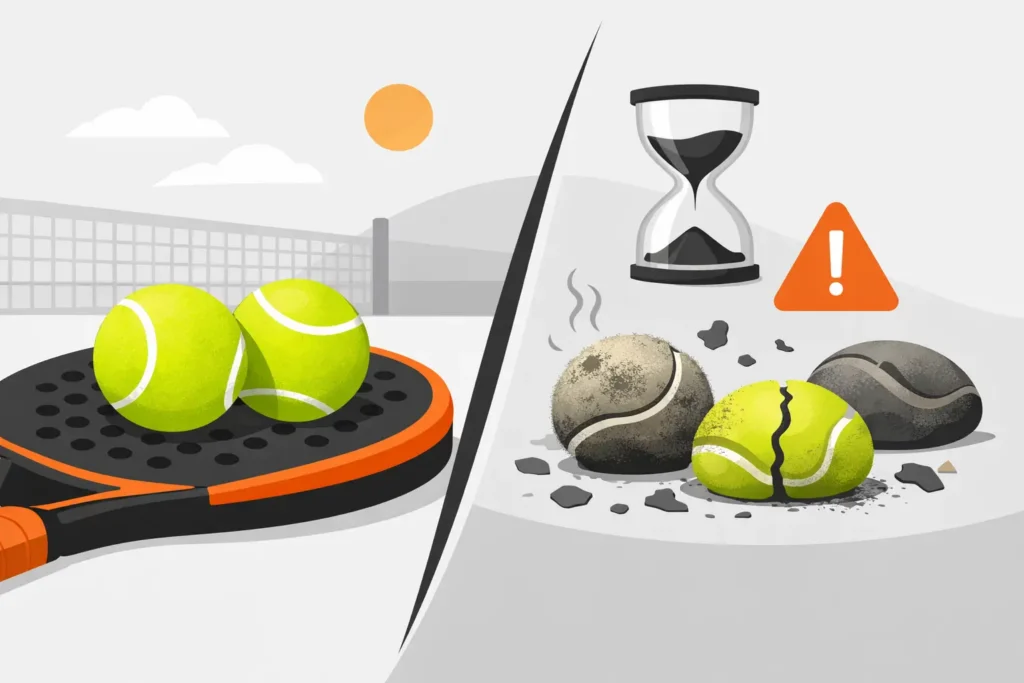
It also helps to open a fresh tube closer to the session rather than days earlier. Once the seal is broken, the clock starts ticking. In winter, that drop in feel can become noticeable more quickly.
If you play regularly, it is sensible to rotate tubes instead of squeezing too much life out of one set. Lots of players keep using winter balls that are clearly past their best, then wonder why every rally feels laboured. Fresh balls do not just make the game faster – they make your timing more predictable.
A pressure-preserving container can help if you are particular about ball feel, especially for frequent players. It is not essential for everyone, but if you care about consistency and want better value from each tube, it can be worthwhile.
Common mistakes when buying winter padel balls
The biggest mistake is choosing exactly the same ball you use in hot weather without thinking about the conditions. Summer habits do not always transfer well to winter courts.
Another mistake is assuming the fastest ball is always best. If your game relies more on control, placement and patience, too much liveliness can make touch shots harder to judge. Winter does not cancel out the need for a ball that suits your level.
Price can be misleading too. The cheapest tube is not always the best value if the balls lose pressure quickly. On the other hand, the most expensive option is not automatically the best performer for casual winter play. Good buying is about fit, not just price point.
How to choose the right winter ball for your game
Start with three simple questions. Do you mainly play indoors or outdoors? Are you a beginner, intermediate or advanced player? And do you want more speed, or more consistency over several matches?
If you play outdoors in cold British winter conditions, a quicker, more responsive ball is usually the smart place to start. If you mainly play indoors, choose a balanced all-round model unless you know you prefer extra pace. If you are newer to padel, prioritise consistency and comfort over raw speed. If you are experienced and want to keep your attacking game alive through the colder months, lean towards livelier competition-style balls from trusted brands.
That is usually the easiest way to shop smart without overcomplicating it. You do not need a science experiment. You need a ball that matches the court, the weather and the way you actually play.
Winter padel can still feel sharp, fast and enjoyable with the right setup. Pick a ball that gives you enough life for the conditions, store it properly, and be honest about your level. Get that right, and cold courts stop feeling like a compromise and start feeling like just another good match day.