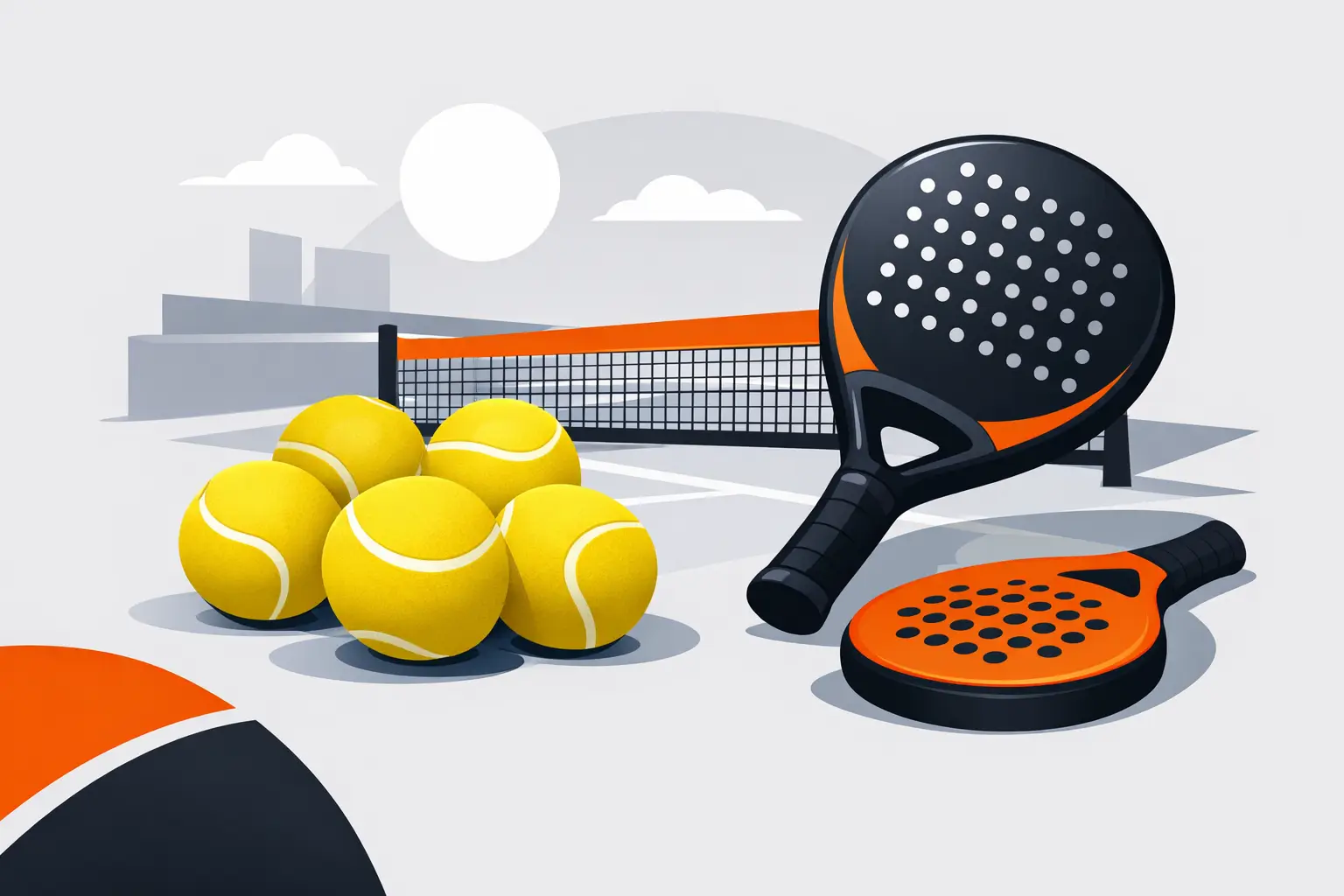
If fast balls leave you feeling rushed, late on contact, or short on control, the best soft padel balls can make the game far more enjoyable. They come off the racket with a little less bite, give you more time to set up, and often feel kinder on the arm. For beginners, improving intermediates, and anyone playing in colder conditions, that change is not small – it can be the difference between scrappy rallies and clean, confident padel.
What makes a padel ball feel soft?
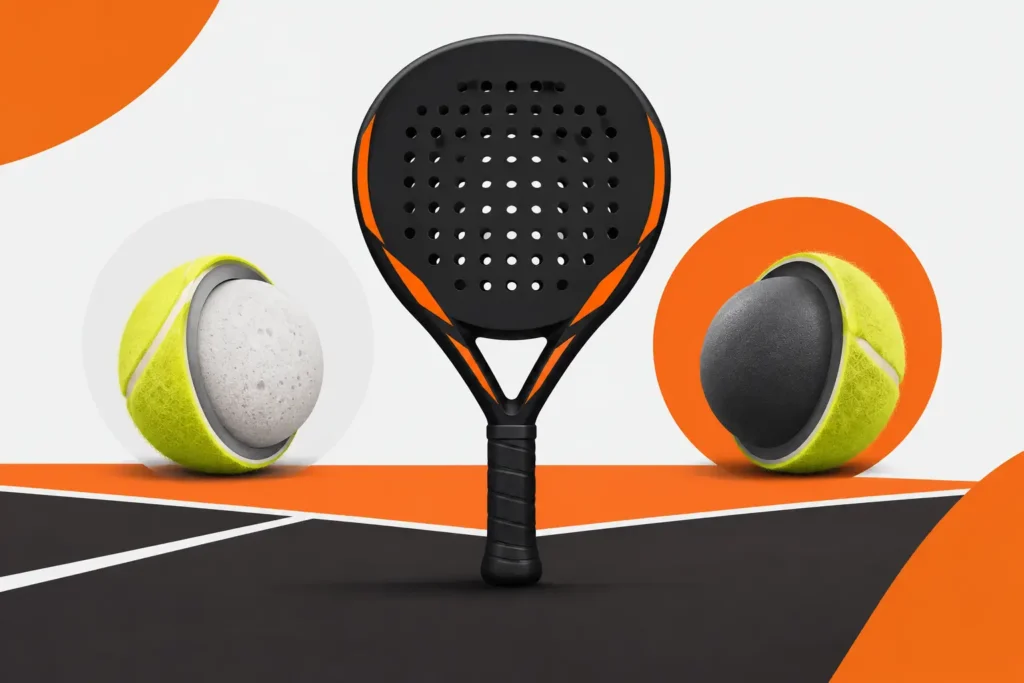
A soft padel ball is usually lower in pressure than a livelier match ball. That lower pressure changes the bounce, speed and feel. You get a slightly slower response off the glass and the racket, which helps when you are still building timing or trying to play with more control.
That does not mean every soft ball is dull or dead. The best ones still have enough bounce to keep rallies natural. The aim is not to remove pace completely. It is to make the game more manageable, especially if you prefer control over outright speed.
Felt also plays a part. A ball with a slightly thicker or denser felt can feel softer in play because it takes a little speed off the shot. In warm weather, even softer balls can start to feel quicker, while in cold weather they often feel just right. That is why choosing a ball always depends a bit on where and how often you play.
Best soft padel balls by player type
There is no single ball that suits everyone. The best soft padel balls for a new player are not always the best choice for a competitive player who wants precision in fast exchanges.
For beginners
If you are new to padel, a softer ball is usually the smarter pick. It slows the game down just enough to help you read rebounds, prepare your swing, and keep more balls in play. That means better practice, longer rallies and less frustration.
Beginners often benefit from training-focused balls or comfort-oriented models from well-known brands such as Head, Wilson, Babolat and Nox. These tend to offer a balanced bounce without feeling too lively. If you are still learning how to use the glass and control depth, softer balls give you more margin.
For intermediate players
Intermediate players often sit in the middle. You may want a soft ball for coaching sessions, social matches or colder months, but a slightly quicker ball for match play. In that case, look for a model that is described as controlled or medium-soft rather than extremely low pressure.
This is where trade-offs matter. A very soft ball can improve comfort and consistency, but if it is too slow for your level, points can feel flat. The better option is often a ball that keeps a good bounce while still taking the edge off pace.
For arm comfort
Some players move towards soft balls because of elbow or shoulder discomfort. A softer response can help reduce the harsh feel at impact, especially when combined with a more forgiving racket. It is not a cure for technique or equipment issues, but it can make regular play feel easier on the body.
If comfort is your main goal, avoid the hardest, fastest pressurised balls. A control-friendly ball with steady bounce is usually the safer choice.
How to spot the best soft padel balls
When shopping online, product names do not always make this easy. Not every ball labelled for padel will clearly say soft, low pressure or control. So it helps to look at the practical signals.
First, check whether the ball is positioned for training, control or comfort. These are often softer than tournament-style options. Second, look at player reviews and product notes around speed and bounce. If people say a ball is lively, fast or very reactive off the glass, it is probably not the softest option.
Brand reputation matters too. Established names like Adidas, Bullpadel, Head, Wilson and Babolat usually offer more consistent quality. That matters because soft should not mean inconsistent. You still want reliable bounce, decent durability and a feel that stays predictable for more than one session.
Packaging also gives clues. Some premium match balls are built for speed and sharp response from the first game. Others are tuned for club players who want easier handling. If your priority is control, choose the second group.
Best soft padel balls from popular brands
You do not need obscure products to find a softer feel. Many major brands make options that suit players who want more control.
Head often appeals to players who want dependable quality and an easy-to-read feel. Some models in the range are better for controlled club play than outright pace. Wilson tends to offer user-friendly options as well, especially for recreational players who want comfort and consistency.
Babolat and Bullpadel usually sit closer to performance, but that does not mean every ball feels quick or demanding. Within those ranges, you can still find balls that feel more measured in play. Nox is also worth considering if you want a controlled response that does not feel overly dead.
The key point is this: choose by playing feel, not just by brand name. A top brand can make both fast and soft models. If you only buy based on logo, you may end up with something too lively for your needs.
Soft padel balls versus standard balls
The difference shows up fastest on reaction time. Softer balls give you a fraction longer to prepare, particularly on rebounds from the back glass. That helps newer players and anyone working on positioning. Standard or faster balls speed the game up and reward sharper timing.
Durability can vary. Some soft balls lose their ideal feel sooner, especially if they start with lower pressure. Others hold up very well because the felt and core are better made. Price alone does not always tell you which is which.
Then there is match suitability. If you play friendly games, lessons or club sessions, softer balls often make the experience better. If you play high-level matches and want a ball that jumps through the court, you may prefer something firmer. It depends on whether your priority is control, comfort or pace.
When softer is the wrong choice
There are times when a soft ball can hold you back. If you already generate plenty of control and rely on aggressive overheads, a very soft ball may take too much sting out of your game. Smashes can feel less effective, and quick exchanges may lose their intensity.
It can also be the wrong fit in hot weather. Warm conditions already make balls feel livelier, but if your court is slow and your level is higher, going too soft may leave you with a ball that feels heavy and underpowered.
This is why it is useful to think in terms of soft enough rather than softest possible. The best soft padel balls are the ones that improve your play without making it feel sluggish.
How many tubes should you buy?
If you have found a ball that suits your game, buying a few tubes at once usually makes sense. It gives you consistency across sessions and often works out better on price. For players who train regularly, keeping a couple of fresh tubes aside is practical rather than excessive.
If you are still testing what feel you prefer, start smaller. Try one or two types and compare them over similar conditions. That is usually enough to notice whether a ball gives you the control you want or whether it feels too flat.
A simple way to choose the best soft padel balls
Start with your level. If you are a beginner, lean towards softer, control-focused balls from trusted brands. If you are intermediate, look for a balanced option that softens the pace without draining all the energy from the game. If comfort is your main concern, prioritise feel and consistency over speed.
Then think about conditions. Cold weather often makes soft balls a great choice. Warm weather may push you towards something only slightly softer than standard. Finally, be honest about your style. If you win points through placement and patience, softer balls usually help. If your game is built around speed and put-aways, go moderate rather than ultra-soft.
That is the practical route most players need – not chasing the most expensive tube, just choosing a ball that matches the way they actually play. At 7padel, that is the kind of decision that helps you shop smart and play better.
A good padel ball should make you want to stay on court for one more set, and if a softer feel gives you better timing, calmer swings and more enjoyable rallies, that is probably your best place to start.