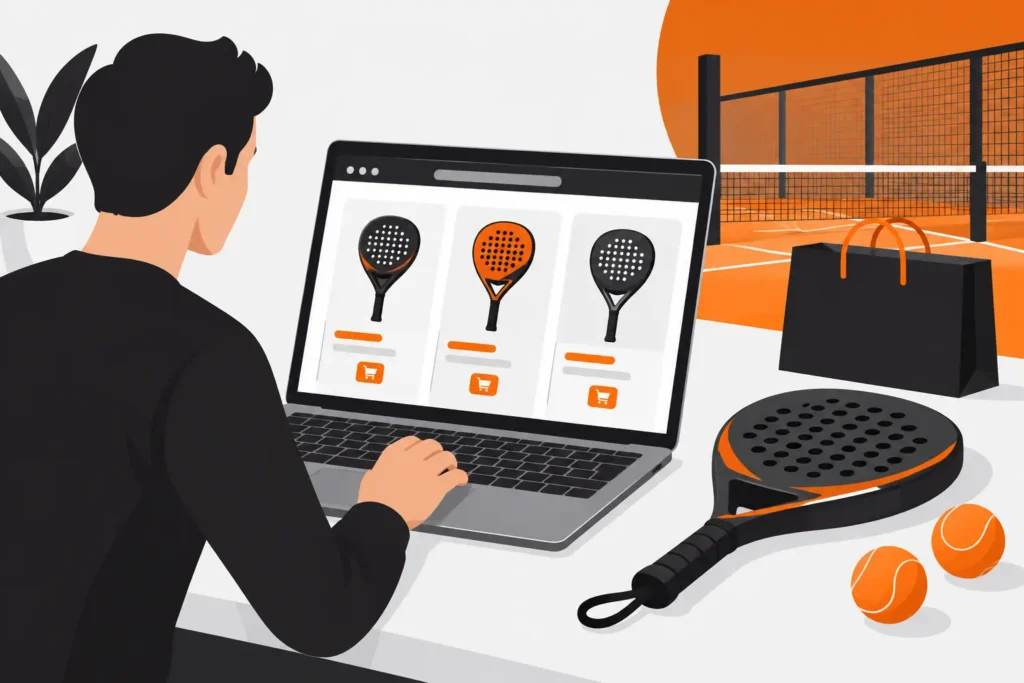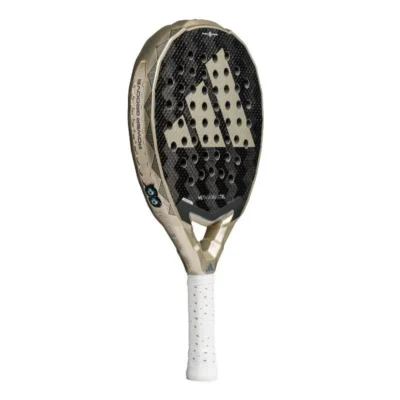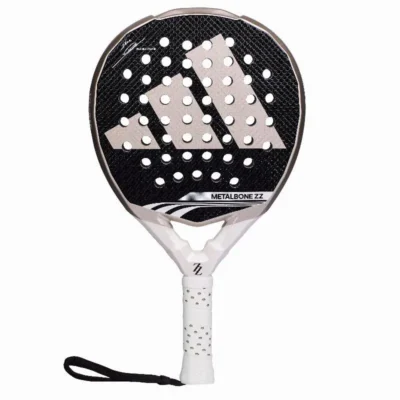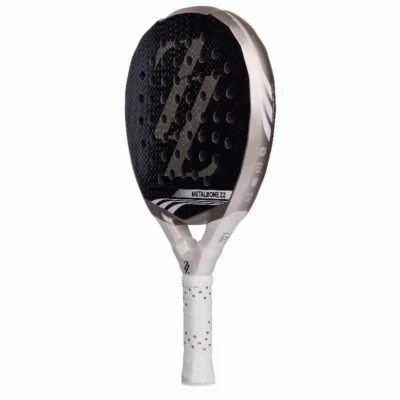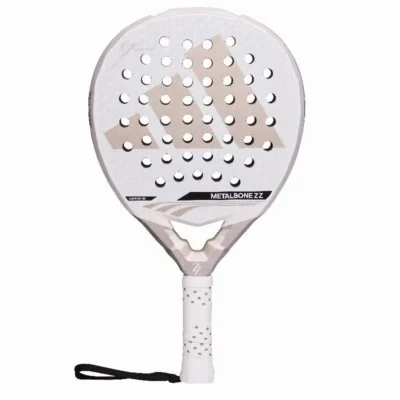
One player wants more power on the smash. Another just wants to keep the ball in play and stop spraying volleys into the glass. That is why the question which padel racket suits my style matters so much – the right racket does not magically fix your game, but it can make your strengths easier to use and your mistakes less costly.
If you are shopping online, the choice can look bigger than it really is. Most rackets sit around the same core ideas: control, power or something in between. Once you know how you play and what you still need help with, narrowing it down gets much easier.
Which padel racket suits my style and level?
The biggest mistake is choosing a racket for the player you hope to be in six months, not the player you are now. A very demanding power racket can look tempting, especially if you like the idea of attacking points, but if your timing is still inconsistent it may leave you feeling late on volleys and unstable in defence.
Beginners usually benefit from a racket that feels forgiving. That means a larger sweet spot, easy handling and enough comfort to keep your arm happy while you build technique. Intermediate players often want a bit more response and precision, while advanced players can make better use of rackets with a stronger, more specialised feel.
So before you think about brands or cosmetics, ask yourself three simple things. Do you win more points through consistency or attack? Do you feel more under pressure at the back of the court or at the net? And do you need help generating pace, or controlling it?
Those answers matter more than any marketing label.
Start with racket shape
Shape is usually the quickest way to understand what a racket is trying to do.
Round rackets
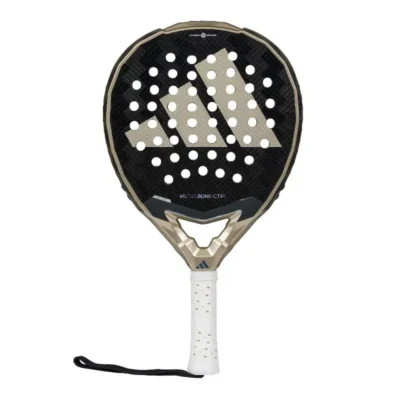
Round rackets are the most control-focused option. Their sweet spot tends to sit closer to the centre, which helps on defensive shots, blocks and controlled volleys. They are often the safest choice for newer players, but they are not only for beginners. Plenty of experienced players prefer a round shape because it gives them confidence under pressure and keeps unforced errors down.
If you value placement, comfort and consistency, a round racket is often the right starting point.
Diamond rackets
Diamond rackets are built with power in mind. The sweet spot usually sits higher, and the balance is often more head-heavy. That can help you hit harder overheads and more aggressive volleys, but there is a trade-off. They can be less forgiving when contact is off-centre, and they may feel harder to manage if your reactions or technique are not yet sharp enough.
If your game is based on finishing points and you regularly attack at the net, a diamond shape can suit you well. If not, it may feel like too much racket.
Teardrop or hybrid rackets
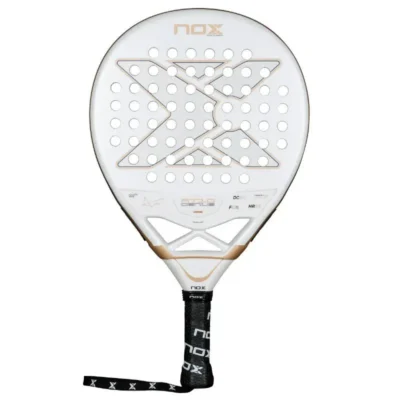
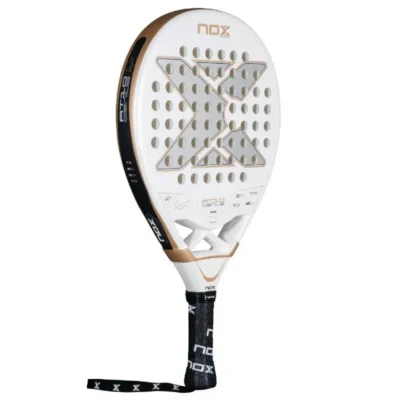
Teardrop and hybrid shapes sit in the middle. They aim to blend control with accessible power, which is why they are so popular with improving players. You get a more balanced feel without going fully into either extreme.
For many club players, this is the sweet spot. If you want one racket that can defend, volley and attack without making big demands on your timing, hybrid is often the smartest choice.
Balance changes how the racket behaves
When players ask which padel racket suits my style, balance is one of the most useful things to look at.
A low-balance racket keeps more weight towards the handle. It usually feels quicker in the hand, easier to manoeuvre and more comfortable in fast exchanges. That is useful for defence, reaction volleys and players who rely on touch.
A high-balance racket puts more weight towards the head. That can add punch on attacking shots, especially overheads, but it can also feel slower through the air. If your arm gets tired easily or you are still working on preparation, that extra head weight may become a problem over a full match.
An even or medium balance sits between the two and suits all-round players well. If you are unsure, this is often the least risky option.
Weight matters, but not in the way many players think
Heavier does not always mean better, and lighter does not always mean easier. Weight affects stability, comfort and manoeuvrability all at once.
A lighter racket can be easier to swing and react with, which helps many beginners and players who prefer speed around the net. It can also be friendlier on the arm. The downside is that very light rackets can feel less stable against hard shots.
A heavier racket can offer more solidity and power, especially when blocking or driving through the ball. But if it is too heavy for your strength and technique, your timing can suffer and your shoulder or elbow may let you know about it.
The best choice is the heaviest racket you can handle comfortably for a full match without losing speed or control. That answer will be different for each player.
Feel, comfort and stiffness
Not every racket with the same shape plays the same. Materials and foam change the feel a lot.
Softer rackets usually offer more comfort and easier ball output. They help when you need the racket to do a bit of the work for you, especially from the back of the court. They can also be a better option if you have any history of arm discomfort.
Stiffer rackets tend to give a crisper, more direct response. Advanced players often like that because it can improve precision and reward strong technique. The trade-off is that they are usually less forgiving and can feel harsher if your timing is off.
If you play once a week and want confidence and comfort, softer is often smarter. If you play regularly, strike the ball cleanly and want sharper feedback, a firmer racket may suit you better.
Match the racket to how you actually play
This is where buying gets practical.
The control-first player
If you win points through consistency, placement and patience, look for a round or hybrid racket with low to medium balance. You want a generous sweet spot, easy handling and a comfortable feel. This type of racket helps on returns, lobs, chiquitas and steady volleys. It keeps your game tidy.
The all-round player
If you like to adapt, defend when needed and attack when the chance is there, a hybrid racket is usually the best fit. Medium balance and a balanced feel will give you enough help in every area without pushing you too far towards one style.
This is also a strong choice for intermediate players who are still refining their identity on court.
The aggressive player
If you look to take the net, finish points overhead and pressure opponents with pace, you will probably prefer a diamond or more attack-minded hybrid racket. A higher balance and firmer feel can make sense here, as long as your technique is good enough to control it.
The key point is honesty. Plenty of players like the idea of an attacking racket more than the reality of using one.
Common buying mistakes
The first mistake is buying too advanced too soon. A racket that feels amazing for five perfect shots in a demo can become frustrating over a full match.
The second is ignoring comfort. If a racket feels too stiff, too head-heavy or tiring after twenty minutes, that will not improve your game.
The third is focusing only on power. Most club matches are won by fewer mistakes, better positioning and smarter shot selection, not by hitting harder.
And the fourth is copying your partner’s racket. What works for them may not suit your swing speed, technique or preferred tempo.
A simple way to choose with confidence
If you want to narrow your options quickly, start with your level, then your style, then your preferred feel.
If you are a beginner, stay mostly in round or easy hybrid models. If you are intermediate, decide whether you want more control or more bite in attack. If you are advanced, choose the racket that supports your strongest patterns without creating new weaknesses.
Then think about comfort. If you want easy handling and forgiveness, go softer and lower balance. If you want sharper response and more attacking weight, go firmer and higher balance.
That is usually enough to cut a huge product range down to a shortlist that actually makes sense.
A good racket should make you feel more certain, not more confused. Shop smart, trust how you play now, and choose the option that helps you enjoy the next match a bit more than the last.