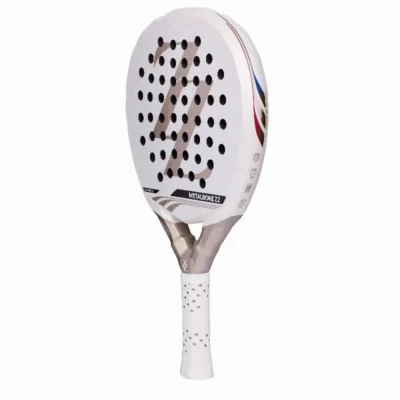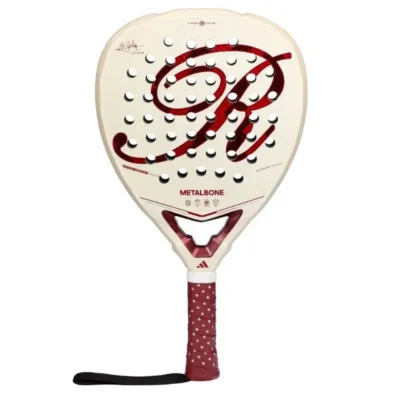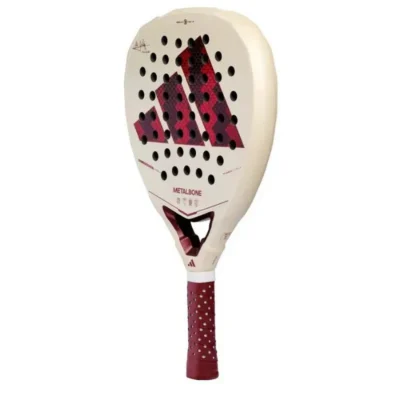

If you have ever picked up a Babolat and thought, this feels quicker, firmer or more explosive than my last racket, you are not imagining it. This babolat padel racket guide is here to make sense of that feeling, so you can choose a racket that actually suits your level, your style and your budget – not just the one with the boldest cosmetics.
Babolat has built a strong reputation in padel by making rackets that feel modern, crisp and performance-led. That is great when you find the right one. It is less great when you end up with a model that asks more from your arm or technique than you can comfortably give. The smart buy is not always the most expensive racket. It is the one that helps you play better more often.
How this Babolat padel racket guide helps you choose
The quickest way to narrow down a Babolat racket is to look at three things together: shape, balance and feel. Most buying mistakes happen when players focus on just one.
Shape affects the sweet spot and the type of help the racket gives you. Round shapes tend to offer more control and easier handling. Teardrop shapes sit in the middle and suit all-round players. Diamond shapes lean more towards power, but they can be less forgiving when your timing is off.
Balance changes how the racket moves through the air. A head-heavy racket can give you extra punch on overheads, but it may feel slower in quick exchanges at the net. A lower or medium balance usually feels easier to manoeuvre and can take pressure off the arm.
Feel is where Babolat really separates opinion. Some players love a firmer, more direct response because it gives them precision and speed off the face. Others prefer a softer, more cushioned feel because it is easier on off-centre shots and generally more comfortable over a long match. Neither is automatically better. It depends on how cleanly you strike the ball and how much feedback you enjoy.
Choosing a Babolat racket by your level
Beginners
If you are new to padel, the main goal is simple: make the game easier. You want a racket that helps you find the sweet spot, defend comfortably and build confidence without punishing every slight mis-hit.
For most beginners, that means looking towards round or rounder hybrid shapes with manageable weight and a softer feel. A racket that feels too hard or too head-heavy can make your learning curve steeper than it needs to be. You may get a bit more power on the occasional clean smash, but you will usually lose more in consistency, comfort and control.
Babolat does make beginner-friendly options, but the key is resisting the urge to buy a model designed for high-level attacking players. If your game is still developing, a forgiving racket will help far more than a demanding one with a pro-style profile.
Intermediate players
This is where Babolat starts to make a lot of sense. If you can generate your own pace, defend with reasonable control and are beginning to play with more intent at the net, a hybrid or teardrop Babolat can be a very strong fit.
Intermediate players often want more from a racket without going fully extreme. You may want sharper volleys, a livelier bandeja or a little more authority on viboras and smashes, but you still need enough control on slower balls. In this range, the best choice is often the one that gives you room to improve without forcing you to play at full speed every point.
A medium balance and medium feel usually work well here. It keeps the racket versatile, which matters if your game changes from defensive to aggressive depending on the match.
Advanced players
Advanced players can make the most of Babolat’s firmer, more explosive side. If your timing is reliable and you actively look to finish points, a higher-balance or more attacking shape can reward you with serious output.
That said, advanced does not always mean power-only. Some stronger players still prefer control-oriented frames because they value placement, quick hands and repeatability more than outright punch. The right advanced racket is the one that matches how you win points, not how you think an advanced player ought to look.
Babolat rackets by playing style
Control players
If your game is built around consistency, placement and defending one extra ball, look for a round shape or a very balanced hybrid. You want a generous sweet spot and handling that stays predictable under pressure.
With Babolat, control players should pay close attention to feel. A very firm racket can be excellent if you strike the ball cleanly, but if you rely on touch and absorption in defence, something a little softer may serve you better. Control is not just about aiming accuracy. It is also about how easy the racket is to use when you are stretched or late.
All-round players
This is the broadest group, and for good reason. Many club players need a racket that can defend well, transition smoothly and still offer enough pop to attack when the chance appears. A teardrop or hybrid Babolat often lands nicely here.
The trade-off is that all-round rackets usually do many things well without being the absolute best at one thing. For most players, that is a strength, not a weakness. If your matches involve lots of different situations, versatility is worth paying for.
Power players
If you like to take the ball early, press forward and finish points overhead, Babolat’s more attacking rackets will be tempting. Diamond shapes and higher balances can give you that extra weight through the ball, especially on smashes and aggressive volleys.
But be honest with yourself. Power rackets work best when you can consistently get into good positions and strike cleanly. If your game is not there yet, a slightly less extreme model often gives better results over a full match. More power on paper does not always mean more points won.
What makes Babolat different on court
Babolat rackets often appeal to players who like a fast, direct response. The ball can come off the face quickly, and that can feel brilliant when you are attacking with confidence. It can also feel a bit unforgiving if your technique is still inconsistent.
This is why some players try a Babolat for ten minutes and love it, while others need more time or prefer another brand altogether. The brand identity leans performance-first. That does not mean every racket is hard to use, but it does mean you should pay attention to comfort and forgiveness rather than assuming all premium models will suit everyone.
If you have had arm discomfort before, be especially careful with very stiff or head-heavy options. Weight, balance and firmness all play a part. A racket can be excellent and still be the wrong choice for your body.
Common mistakes when buying a Babolat racket
The first mistake is buying for aspiration rather than reality. It is easy to think a more advanced racket will raise your level overnight. Usually, it just asks you to play cleaner than you currently do.
The second is ignoring balance. Many shoppers look only at shape, but two teardrop rackets can feel very different if one carries more weight in the head. That changes manoeuvrability, reaction speed and comfort.
The third is treating power as the main goal. In padel, points are often won through positioning, consistency and good decisions. If a racket helps you defend better, volley more confidently and keep quality under pressure, it may improve your results more than an extra bit of smash speed.
A simple way to narrow your choice
Start with your level, then filter by style. If you are a beginner, prioritise comfort and forgiveness. If you are intermediate, look for balance and room to grow. If you are advanced, decide whether you want control precision or attacking output.
Then think about your typical match, not your perfect one. Are you mostly defending and building points, or are you regularly taking control at the net? Do you want easy handling in fast exchanges, or are you happy to trade some speed for more punch overhead?
Finally, be realistic about feel. Some players enjoy a crisp, firmer response straight away. Others play better with a racket that gives them more cushion and margin. The best racket is the one that fits your game for two hours on court, not two shadow swings in your living room.
If you are shopping smart, a good babolat padel racket guide should leave you with fewer options, not more confusion. Keep it simple, match the racket to how you actually play, and give yourself a setup that makes the game feel easier from the first match.