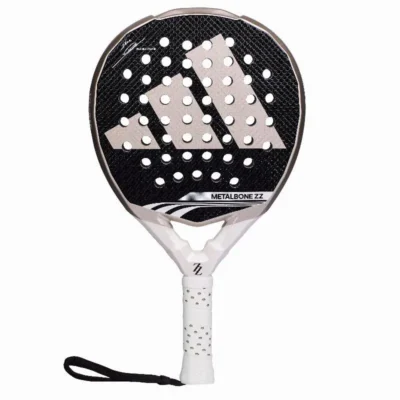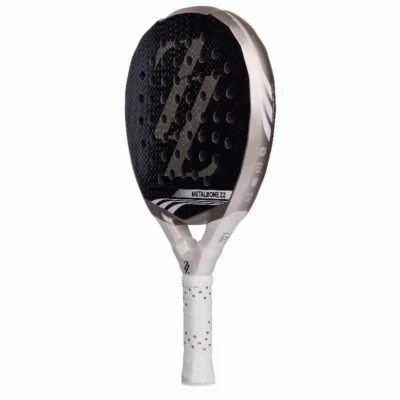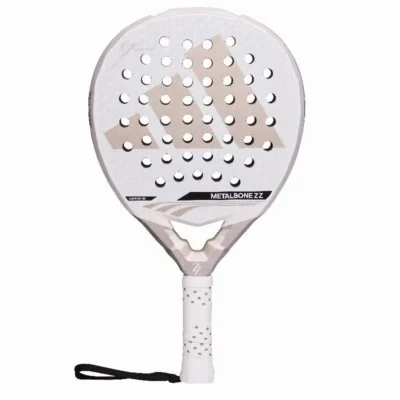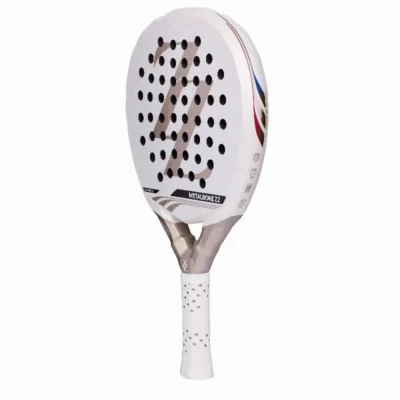
One off-centre volley tells you a lot about a racket. If it still feels comfortable and easy to control, you are probably holding something more forgiving. If it feels sharper, firmer and more precise, you are likely in the fibreglass vs carbon padel racket decision that every player faces sooner or later.
This choice matters because the face material changes how a racket feels in the hand, how much help it gives you, and how demanding it is over a long match. It is not just a spec on the label. It affects touch, pace, comfort and confidence.
Fibreglass vs carbon padel racket: the real difference
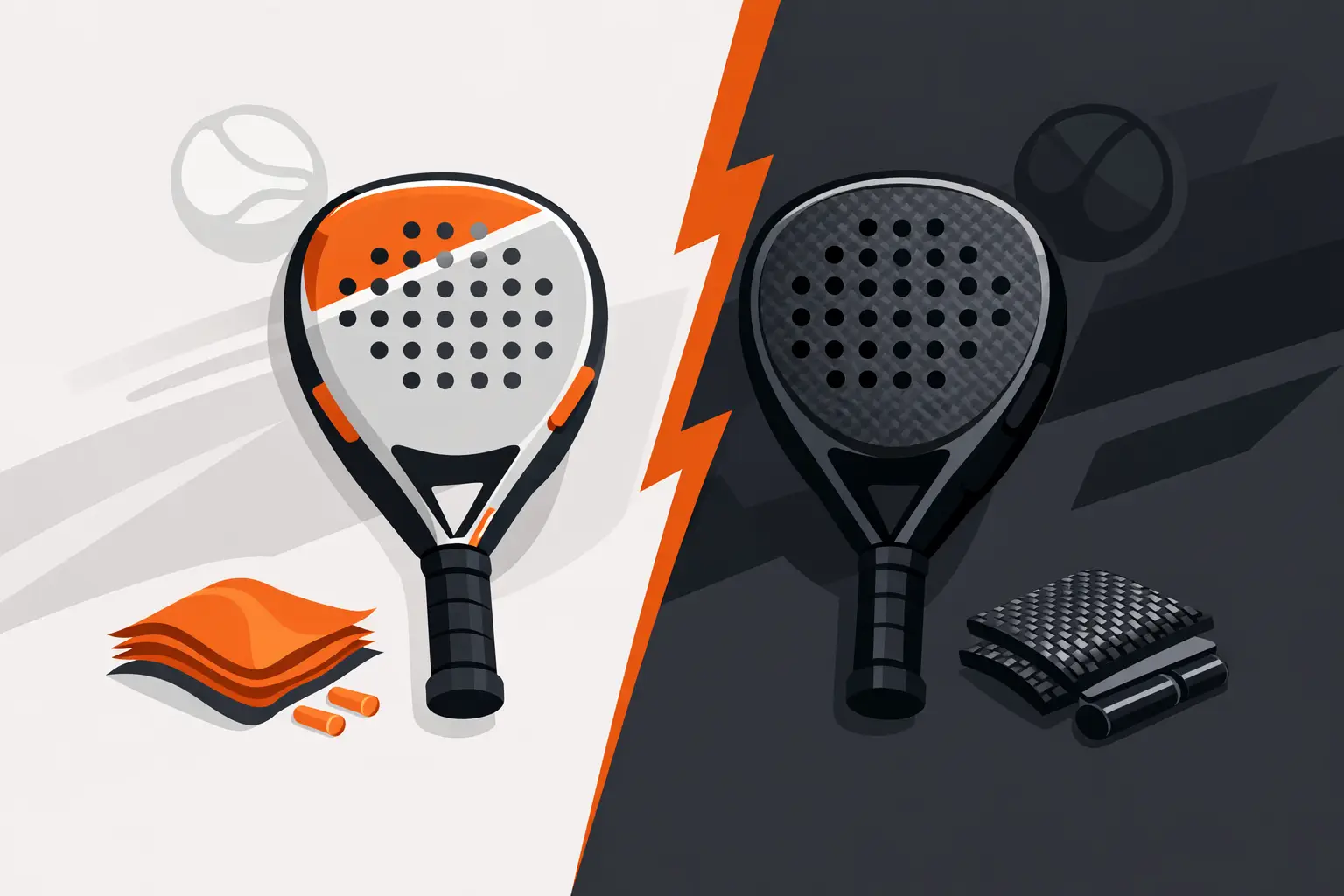
At the simplest level, fibreglass is softer and more elastic, while carbon is stiffer and more responsive. That difference shapes almost everything you notice on court.
A fibreglass racket tends to bend a little more at impact. That usually creates a softer feel and a larger margin for error, especially when contact is not clean. For beginners and many improving players, that extra forgiveness can make the game feel easier straight away.
A carbon racket reacts faster and with less flex. You often get a crisper hit, better precision and a more direct response. For stronger or more technical players, that can be a big advantage. The trade-off is that carbon often asks more from your timing and technique.
The key point is simple. Neither material is automatically better. The right choice depends on how you play now, not just how you hope to play six months from now.
How fibreglass feels on court
Fibreglass is popular for good reason. It gives many players a friendlier, more comfortable hitting experience, especially at beginner and intermediate level.
When you block a fast ball or defend from the back of the court, a fibreglass face usually feels softer on contact. That can help if you are still building confidence with timing. The racket does more of the work for you, and mishits are generally less punishing.
This softer response also helps with comfort. Players who want to reduce harsh vibrations often prefer fibreglass, particularly if they play regularly or have had minor arm discomfort before. Comfort is not only about injury concerns – it also affects how relaxed you feel during longer sessions.
There is a limit, though. As swing speed increases, some players find fibreglass a bit too muted or less exact on aggressive shots. If you like to attack hard and finish points with confidence, you may eventually want something firmer.
How carbon feels on court
Carbon is usually the choice for players who want a more solid, precise and performance-led response.
At the net, carbon often feels cleaner and more decisive. Volleys can come off the face with more accuracy, and quick exchanges tend to reward compact, confident technique. On smashes and bandejas, carbon can also feel more explosive because less energy is lost in the racket face.
That said, carbon does not flatter poor contact in the same way fibreglass can. If your timing is late or your technique is inconsistent, the racket may feel unforgiving. Some players describe it as more demanding, and that is fair. It gives back what you put in.
Comfort can also vary. A full carbon racket often feels firmer and harsher than a fibreglass model, although the core, balance and overall construction matter too. Not every carbon racket feels hard, but many are clearly less forgiving than their fibreglass equivalents.
Fibreglass or carbon by skill level
If you are new to padel, fibreglass is usually the safer bet. It offers easier access to comfort and control, and it helps you develop strokes without feeling punished by every off-centre hit. Most beginners benefit more from forgiveness than from maximum responsiveness.
For intermediate players, it depends on what you need from your next racket. If you are improving consistency and still want a comfortable all-round feel, fibreglass can still be the smart choice. If your technique is becoming cleaner and you want more precision at pace, carbon starts to make more sense.
Advanced players often lean towards carbon because they can take advantage of the extra responsiveness. Better technique, faster swing speed and stronger tactical awareness usually mean they can use that firmer feel to gain more control and finishing power.
Still, level alone is not enough. Some experienced players prefer softer rackets because they value comfort and touch. Some newer players enjoy firmer rackets straight away. Skill level helps narrow the options, but playing style finishes the job.
Playing style matters as much as material
If your game is built around consistency, defence and keeping the ball in play, fibreglass can be a very practical match. It helps absorb pace and can feel more manageable when you are under pressure. That is useful for players who build points patiently rather than forcing winners.
If you like to press forward, take the ball early and attack with intent, carbon often suits that style better. The firmer response can give you more confidence on volleys, overheads and flatter attacking shots.
Hybrid players sit in the middle. If you want a bit of everything, the answer is not always pure fibreglass or pure carbon. Some rackets combine materials or use carbon in a way that softens the feel. That is why reading only the face material can be misleading. Shape, balance and core density still matter.
Power, control and comfort in a fibreglass vs carbon padel racket
Players often ask which material gives more power. The honest answer is that it depends on your swing and contact quality.
Fibreglass can feel easier to generate power with at slower swing speeds because the face has a more elastic response. That helps newer players get decent depth and pace without forcing the shot. Carbon, on the other hand, usually rewards faster, cleaner swings with more direct power and better precision.
For control, carbon generally has the edge. The firmer face gives a more exact response, which better players often prefer on volleys, returns and placement shots. But if your technique is not stable yet, that same firmness can work against you. In practice, the racket you can control consistently is the one that gives you more control.
For comfort, fibreglass usually wins. It tends to feel softer, easier on the arm and more forgiving over a full match. If comfort is high on your list, that matters.
What about durability and price?
Carbon is typically seen as the more premium material, and in many cases it is more durable over time. It resists deformation well and often keeps its performance character longer, particularly in rackets designed for regular competitive use.
Fibreglass is usually more affordable, which is one reason it is so common in beginner and value-focused ranges. For many players, that lower price makes perfect sense. If you are still learning what shape, balance and weight suit you, there is little point overspending on a racket that may not match your game in a few months.
Price does not always reflect suitability, though. A more expensive carbon racket is not automatically the smarter buy. If it feels too stiff for your game, it will not help you play better.
How to choose the right one without overthinking it
If you want your racket to feel easy, comfortable and forgiving, start with fibreglass. If you want a firmer, sharper and more precise response, look at carbon.
If you are stuck between the two, think about your last few matches. Were you missing because the racket felt too lively and vague, or because it felt too hard and demanding? That answer usually points you in the right direction.
It also helps to be honest about where you are as a player. Buying too advanced too early is a common mistake. So is staying with an overly soft racket when your technique is ready for more. The best choice is the one that supports your current game while giving you a little room to grow.
For most beginners and casual improvers, fibreglass is the easier recommendation. For confident intermediates and advanced players who want more precision and a cleaner response, carbon is often worth the step up. If you are browsing different brands and models at 7padel, using your level and playing style as the starting point will get you closer to the right fit much faster.
The best racket material is the one that makes you play with more confidence on the next point, not the one that sounds most impressive on the product page.