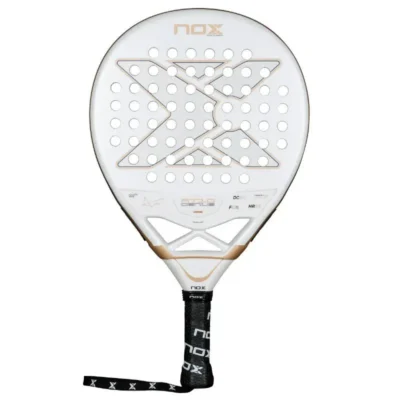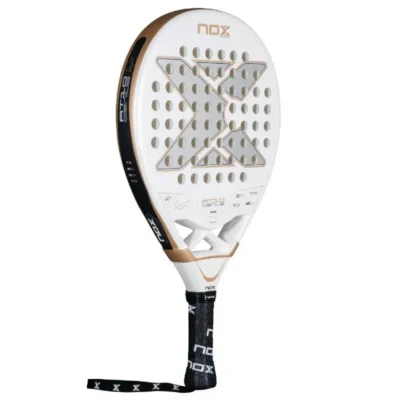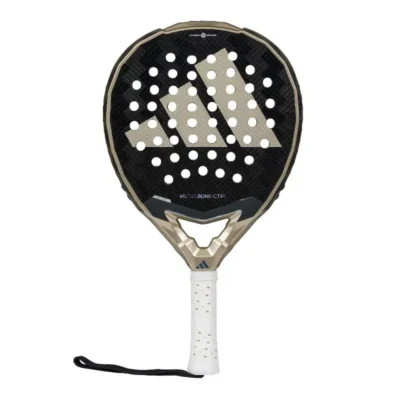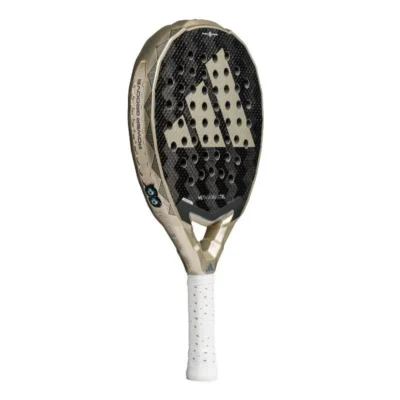
You feel it straight away when a racket does not suit you. Volleys sit up, defensive shots land short, and those simple balls off the glass suddenly feel awkward. If your game is built on placement, consistency and cleaner contact, a control racket usually makes more sense than chasing raw power.
This control padel racket guide is here to make that choice easier. No jargon for the sake of it, no overcomplicating things – just the key points that help you buy the right racket for your level and the way you actually play.
What is a control padel racket?
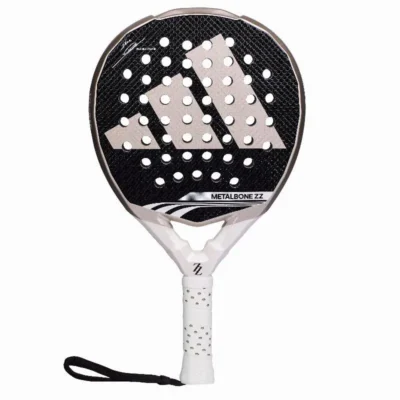
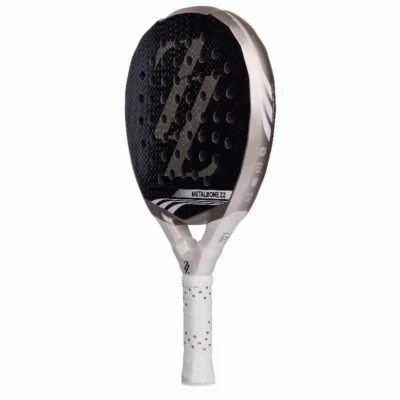
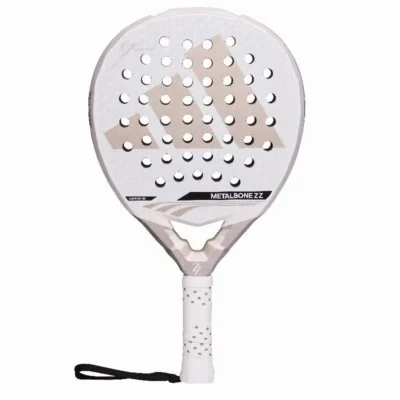
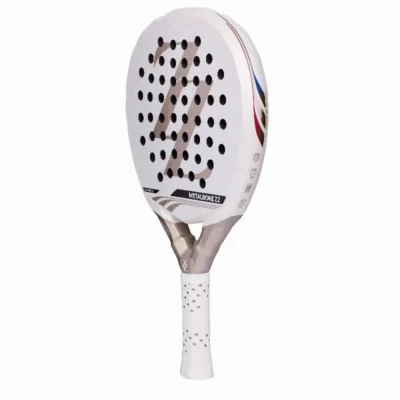
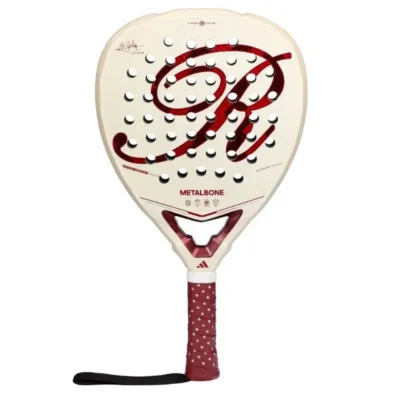
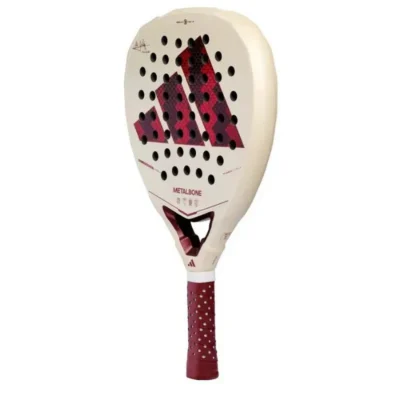
A control padel racket is designed to help you place the ball accurately, feel the contact better and keep more shots under control in defensive and neutral phases of play. Most control-focused models have a round shape, a larger sweet spot and a balance that sits closer to the handle rather than the head.
That combination matters. A larger sweet spot is more forgiving when you do not strike the ball perfectly, and a lower balance makes the racket easier to manoeuvre, especially in quick exchanges at the net or when reacting under pressure.
That does not mean a control racket is only for cautious players. Plenty of strong players prefer control because better placement often wins more points than simply hitting harder. If you can defend well, build points and choose the right moment to attack, control is a serious advantage.
Control padel racket guide: who should use one?
The short answer is that control rackets suit a wide range of players.
Beginners often do well with control rackets because they are easier to handle and more forgiving. If you are still working on timing, technique and confidence, a round racket with a softer feel can help you keep more balls in play and improve faster.
Intermediate players often move towards control when they want more consistency. At this level, it is common to realise that winning more points is not always about hitting harder. Better returns, steadier bandejas and cleaner volleys can make a bigger difference than chasing maximum power.
Advanced players choose control rackets when precision is central to their game. If you like directing points, defending with calm, and using variation instead of brute force, a control model can be a better fit than a top-heavy power racket.
If your game is very aggressive and based on overhead winners at every opportunity, you may prefer a hybrid or power option. But even then, many attacking players still want a racket that gives them enough touch and confidence in the short game. That is where the details matter.
The features that matter most
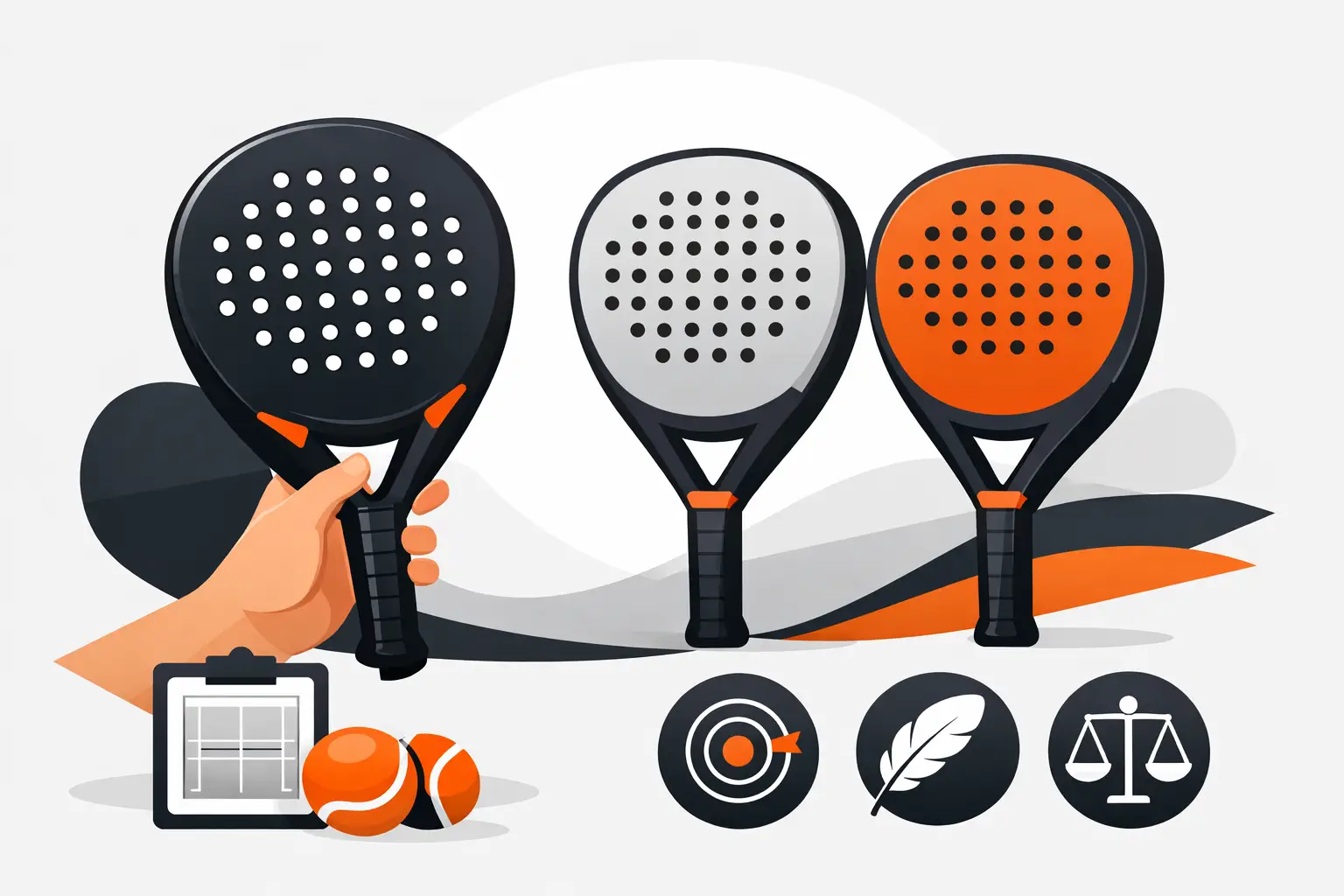
When you are comparing control rackets, four things make the biggest difference: shape, balance, weight and feel.
Shape
Round-shaped rackets are the classic choice for control. They tend to place the sweet spot closer to the centre, which makes them easier to use and more forgiving on off-centre hits. For most players shopping specifically for control, this is the best place to start.
Hybrid shapes sit somewhere between round and diamond. They can still offer good control, but with a little more power potential. If you want all-round performance rather than pure control, hybrid can be a smart middle ground.
Balance
Lower balance means the racket’s weight is distributed closer to the handle. This usually improves manoeuvrability and helps in quick reactions, blocks and compact volleys. It can also reduce the heavy feeling some players get from head-heavy rackets.
A medium balance can still work well if you want control but do not want to give away too much put-away power. It depends on how you play and how much racket head speed you naturally generate.
Weight
Lighter rackets are generally easier to swing and easier on the arm. They suit newer players, anyone who values speed and comfort, and players who spend a lot of time in fast exchanges.
Heavier rackets can offer more stability and a more solid feel on contact. The trade-off is that they may be slower through the air and less forgiving over long matches if your technique or strength is not there yet.
There is no perfect weight for everyone. A racket that feels solid to one player can feel sluggish to another.
Feel and materials
Some control rackets feel softer and more comfortable, while others feel firmer and more direct. Softer options can help with comfort and easy ball output. Firmer options often give a crisper response and can suit players who already generate their own pace.
This is where player level matters. Beginners and many intermediates usually benefit from a racket that gives them a little help. Advanced players may prefer a firmer, more precise response because they want to feel exactly what the racket is doing.
How to choose based on your level
A good control racket for a beginner is not always a good control racket for an advanced player. The label may be the same, but the right spec is different.
Beginners
Look for a round shape, low balance and a manageable weight. Comfort and forgiveness should come before advanced materials or very firm faces. You want a racket that helps you learn proper contact and keeps the game enjoyable.
If you buy something too demanding too early, you often end up fighting the racket instead of improving with it.
Intermediate players
This is usually the sweet spot for choice. You may still want a round control racket, or you might prefer a hybrid shape if you are starting to attack more confidently. Focus on finding the right mix of forgiveness, precision and stability.
If you already play regularly, this is also where feel becomes more personal. Some players want a softer touch for defending and comfort, while others want a firmer response for sharper volleys and better feedback.
Advanced players
At this level, control can mean different things. For some, it means maximum touch and precision. For others, it means a racket that keeps volleys stable and overheads accurate without feeling too powerful.
Advanced players can usually handle more demanding frames, slightly higher weights and firmer constructions. Even so, the best choice still comes down to style. A right-side player who builds points may want something very different from a left-side player who still values control but finishes more aggressively.
Common mistakes when buying a control racket
One of the biggest mistakes is assuming control means low performance. It does not. A good control racket can still offer plenty of pace when your technique is right. What it usually avoids is that wild, unpredictable feel that makes consistency harder.
Another mistake is copying what a better player uses. A racket that suits an advanced tournament player can feel unforgiving if your timing is not there yet. Buying for your current level is usually smarter than buying for the player you hope to become six months from now.
Price can also mislead people. More expensive does not automatically mean better for you. Premium materials can improve feel and performance, but only if the racket’s shape, balance and response suit your game in the first place.
Control or hybrid – which makes more sense?
If you are stuck between control and hybrid, think about how you win points.
If you rely on consistency, placement, patient construction and dependable defence, go control first. If you want a more all-round racket that still feels manageable but gives you a bit more attacking help, hybrid may be the better option.
A lot of players shopping online fall into the middle. They want control, but not at the cost of every attacking shot. In that case, a control-oriented hybrid can be an excellent choice. It keeps the racket easy enough to handle while adding a little more punch when you step in.
Shopping smart for the right fit
When you are choosing online, it helps to filter by shape, player level and playing style rather than jumping straight to brand alone. Big names such as Adidas, Babolat, Bullpadel, Head, Nox, Starvie and Wilson all make strong options, but the right racket is the one that matches your game, not just the logo you recognise.
At https://7padel.ee, the easiest way to narrow things down is to start with your level and then compare control and hybrid models in your budget range. That keeps the process simple and avoids paying for features you do not really need.
If you are between two rackets, choose the one that gives you more confidence in the areas where you miss most often. For many players, that means better control on returns, more comfort in defence and easier handling at the net. A racket that helps you play cleaner padel is usually the better buy than one that only feels impressive on your best smashes.
The best control racket is the one that makes your game feel simpler. When the racket suits your hand, your level and your style, you stop thinking about equipment and start playing your shots with more trust.