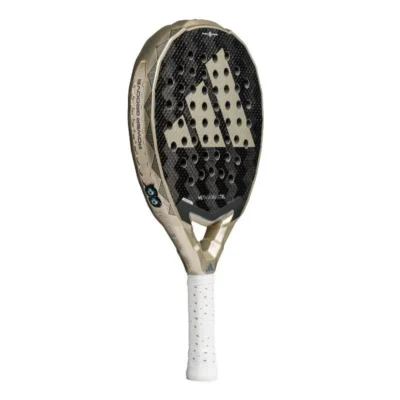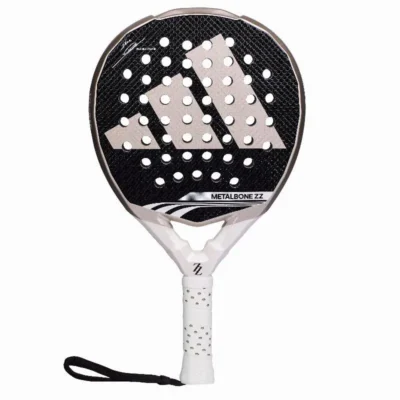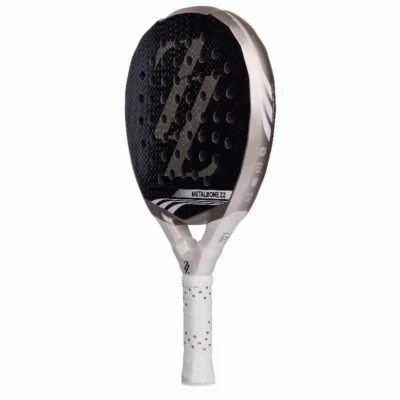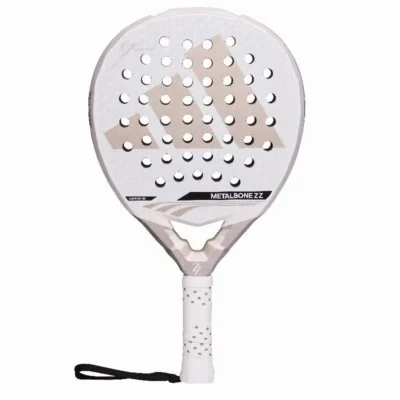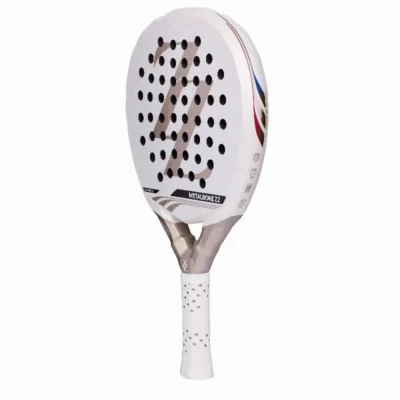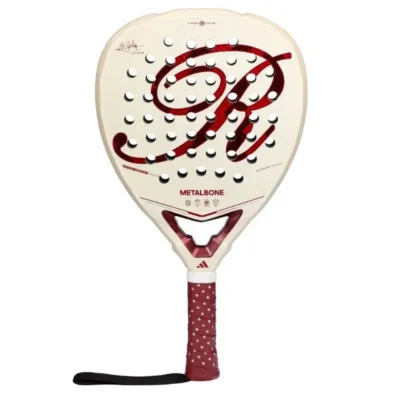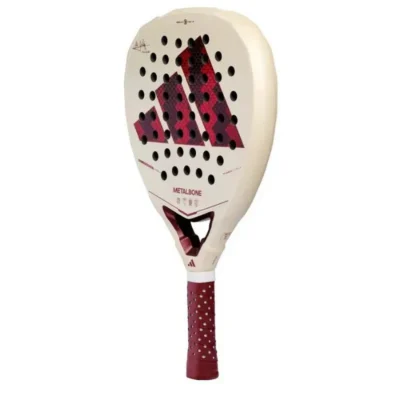
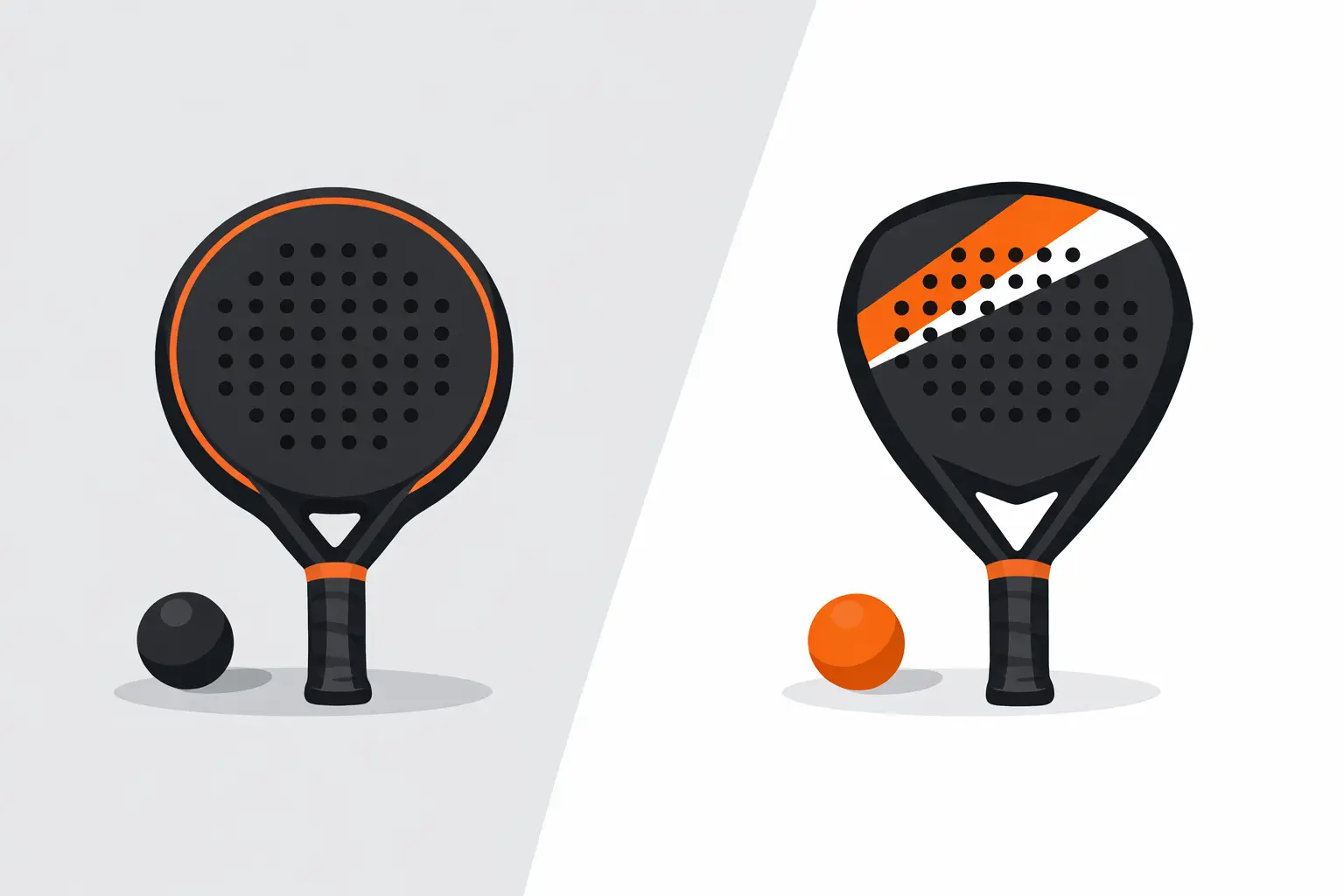
One mishit at the glass, one late volley at the net, and suddenly the choice between a round vs diamond padel racket stops feeling like a small detail. Racket shape changes how easy the game feels. It affects your control, your power, your timing, and how much forgiveness you get when contact is not perfect.
If you are shopping for a new racket, this is one of the first choices to get right. The good news is that it does not need to be complicated. In most cases, round rackets suit players who want more control and comfort, while diamond rackets suit players who want more attacking power. The catch is that your level, playing style, and confidence under pressure matter just as much as the shape itself.
Round vs diamond padel racket: what is the real difference?
The biggest difference is balance. A round racket usually has a lower balance, which means more of the weight sits closer to the handle. That makes it easier to manoeuvre, easier to control, and usually more forgiving on off-centre shots.
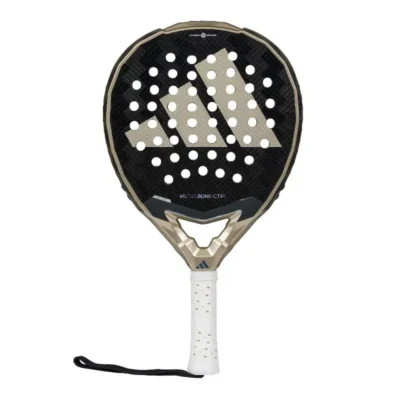
A diamond racket usually has a higher balance, with more weight towards the top of the racket. That helps generate more power, especially on smashes, aggressive volleys, and overheads. It can also feel less forgiving if your timing is off.
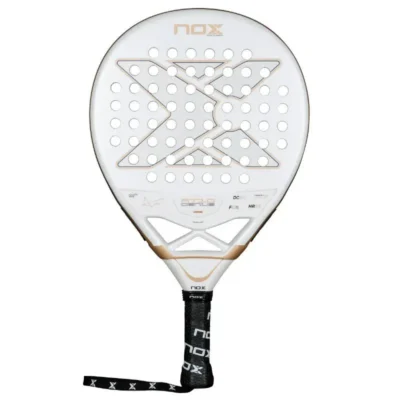
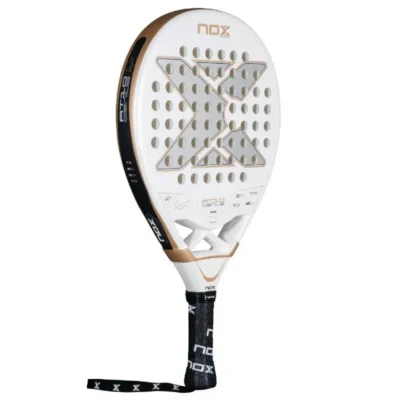
Shape also affects the sweet spot. Round rackets tend to have a larger and more centred sweet spot. Diamond rackets often have a smaller sweet spot placed higher up. For a confident attacker, that can be a good trade. For a newer player, it can mean more mishits and less consistency.
This is why shape should never be treated as a fashion choice. It should match the way you actually play, not just the way you want to play on your best day.
Why round rackets suit so many players
Round rackets are often the safest recommendation because they make padel easier. They help with control from the back of the court, defensive blocks, softer touch shots, and steady rallies when you are still building technique.
For beginners, that matters a lot. A forgiving racket lets you feel the ball better and develop cleaner habits. Instead of fighting the racket, you spend more time learning positioning, timing, and shot selection. If you are still working on consistency, a round shape usually gives you more margin for error.
Intermediate players also get plenty from a round racket. Not every improving player needs maximum power. Many win more points by returning one extra ball, controlling the pace, and placing volleys well. A round racket supports that style.
There is also the comfort factor. Lower balance often feels less demanding on the arm and shoulder, especially over long matches. If you play regularly, or if you have had any elbow discomfort, that can be a practical reason to lean towards round.
Who should choose a round padel racket?
A round racket is a strong fit if you are new to padel, if you value control over raw power, or if you play a patient game built on consistency. It also makes sense for players who defend a lot, block well at the net, or simply want a racket that feels easy to handle from the first session.
That does not mean round rackets are only for beginners. Plenty of experienced players stay with round models because they trust the control and prefer to create points with placement rather than force.
Where diamond rackets make sense
Diamond rackets are built for players who want to finish points. If your game is based on aggressive volleys, viboras, bandejas with intent, and powerful smashes, the extra weight in the head can help you hit a heavier ball.
This is where advanced players often feel the benefit. If your technique is sound and you contact the ball well, a diamond shape can reward that with more attacking output. In the right hands, it feels sharp, lively, and dangerous.
But there is a trade-off. A more powerful racket does not automatically improve your game. If your movement is late or your touch is inconsistent, the higher balance can make quick reactions harder. Defending low balls or absorbing pace at the net may feel less comfortable than with a round racket.
That is why some intermediate players buy a diamond racket too early. They want more power, but end up losing control in the areas that matter most. More difficult handling often means more unforced errors.
Who should choose a diamond padel racket?
A diamond racket is best for advanced or confident intermediate players who attack often and can handle a higher balance. It suits players who like to finish points overhead, press hard at the net, and accept a little less forgiveness in exchange for more firepower.
If your strengths are timing, racket-head speed, and offensive intent, diamond can be a very good match. If not, it can feel demanding rather than helpful.
Control vs power is not the whole story
When people compare a round vs diamond padel racket, they often reduce it to control versus power. That is true, but only partly. The better question is how much help you need in your weaker areas.
If you already generate enough power naturally, a round racket may improve your overall game more by adding stability and precision. If you struggle to put the ball away and your technique is strong enough to manage the balance, a diamond racket may give you the extra edge you want.
You should also think about where you win points. Some players dominate from the back with patience and smart lobs. Others take over at the net and look to end rallies quickly. Your racket should support your patterns, not fight them.
Another factor is match frequency. If you play once in a while, a more forgiving racket is often the smarter buy because it gives you reliable performance without needing perfect timing every week. If you train regularly and want a more specialised feel, diamond starts to make more sense.
Round vs diamond padel racket for beginners, intermediates and advanced players
For beginners, the answer is simple more often than not. Round is usually the better choice. It is easier to control, easier to manoeuvre, and more forgiving while you learn the game.
For intermediate players, it depends on how you are improving. If you are still building consistency and confidence, stay with round or move to a hybrid shape later. If you are clearly becoming a more aggressive player and your overhead game is reliable, you can start considering diamond.
For advanced players, shape should be based on role and style rather than level alone. An advanced left-side attacker may love a diamond racket. An advanced right-side player focused on defence, control, and construction may still prefer round. Better players do not always use the most extreme racket. They use the one that gives them the best results.
Do not ignore weight, material and feel
Shape matters, but it is not the only thing that changes performance. Two round rackets can feel very different, and the same goes for diamond models.
Weight plays a major role. A lighter racket is usually easier to move and kinder on the arm. A heavier racket can add stability and power, but may feel harder over time. Core and face materials also change the response. Softer rackets tend to feel more comfortable and forgiving. Harder ones can offer more precision and power, but usually ask more from the player.
That is why buying by shape alone can lead to the wrong choice. The smart approach is to start with the shape that fits your style, then narrow down by balance, weight, and feel.
If you are comparing recognised brands such as Adidas, Babolat, Bullpadel, Head, Nox, Starvie, or Wilson, you will notice each one interprets control and power slightly differently. Brand matters, but fit matters more.
The smarter way to choose
If you want the shortest route to the right racket, be honest about your current game. Not your ideal game – your real one. Are you winning points with consistency and placement, or with put-away power? Do you need help controlling the ball, or do you need more finishing strength? Are you comfortable with a head-heavy feel, or do you prefer fast handling?
For most players, the safest path is this: choose round if you want confidence, comfort, and control. Choose diamond if you have the technique and intent to use extra power properly. And if you are stuck in the middle, do not force the decision. A hybrid racket may suit you better than either extreme.
At 7padel, that is exactly how we think about racket shopping – clear choices, practical guidance, and the right fit for the way you play. The best racket is not the one that sounds most aggressive. It is the one that helps you play better the moment you step on court.