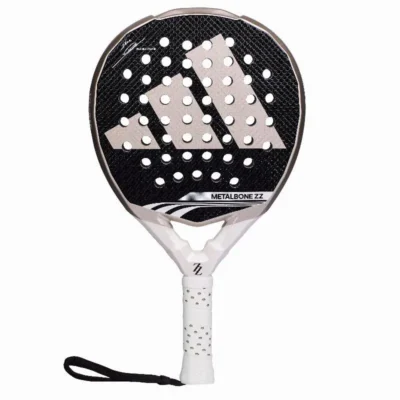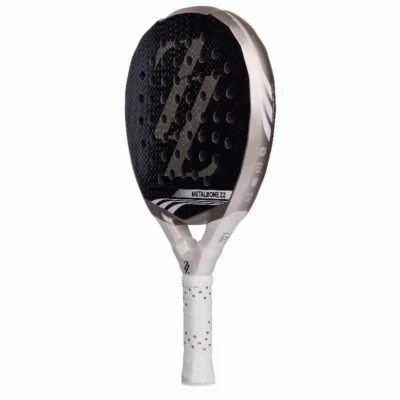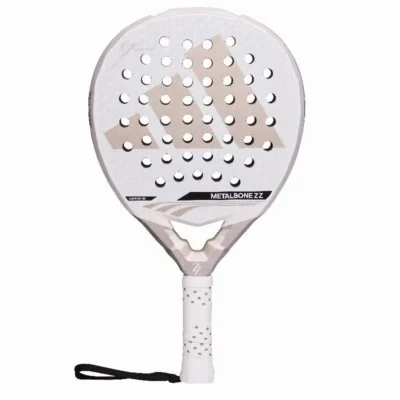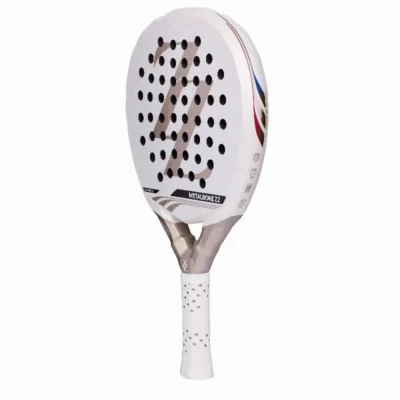
A padel racket can feel perfect on paper and still feel wrong in your hand within five minutes. That usually comes down to grip. If you are wondering how to choose padel grip size, the good news is that it is much simpler than most players expect, and getting it right can improve comfort, control and confidence straight away.
Unlike tennis, padel grip size is not always sold in a long list of handle measurements. Many padel rackets come with a fairly standard handle size, and the real adjustment happens through the grip and overgrips you add on top. That means choosing the right size is less about hunting for a specific factory handle and more about building the handle so it suits your hand and playing style.
Why grip size matters more than people think
Grip size affects how securely you hold the racket, how freely your wrist moves and how much strain goes through your hand and forearm. If the grip is too small, many players squeeze too hard to stay in control. That can make the racket feel twitchy and can contribute to fatigue, especially in longer matches. It may also put extra pressure on the wrist, forearm and elbow.
If the grip is too big, the opposite problem shows up. You can struggle to change grip quickly, lose some touch on volleys and bandejas, and make the racket feel less responsive. A larger grip can sometimes add comfort, but only to a point. Too much bulk often makes the hand work harder, not less.
That is why the best grip size usually feels secure without forcing tension. You want enough handle thickness to feel stable on contact, but not so much that the racket becomes awkward to manoeuvre.
How to choose padel grip size without overthinking it
The simplest starting point is this: when you hold the racket in a continental-style grip, it should feel snug but not cramped. Your fingers should wrap around the handle comfortably, and there should be a small amount of space between your fingertips and the base of your palm.
If your fingertips dig firmly into your palm, the grip is probably too small. If there is a large gap and the handle feels bulky or hard to close your hand around, it is probably too big.
This is not an exact science, because padel involves lots of short reactions, wrist work and grip changes. Some players prefer a slightly thinner feel for extra hand speed and spin generation, while others want a slightly thicker grip for comfort and stability. Still, that basic hand check gives you a reliable place to start.
The finger gap test
A practical test is to hold the racket as if you are ready to play and check the space between your fingertips and palm. You are looking for a narrow gap, roughly around the width of a finger. It does not need to be perfect to the millimetre, but it should not feel either cramped or oversized.
This test works best as a guide rather than a rule. Padel players often fine-tune grip thickness based on feel during play, not just by holding the racket still in a shop or at home.
Start smaller, then build up
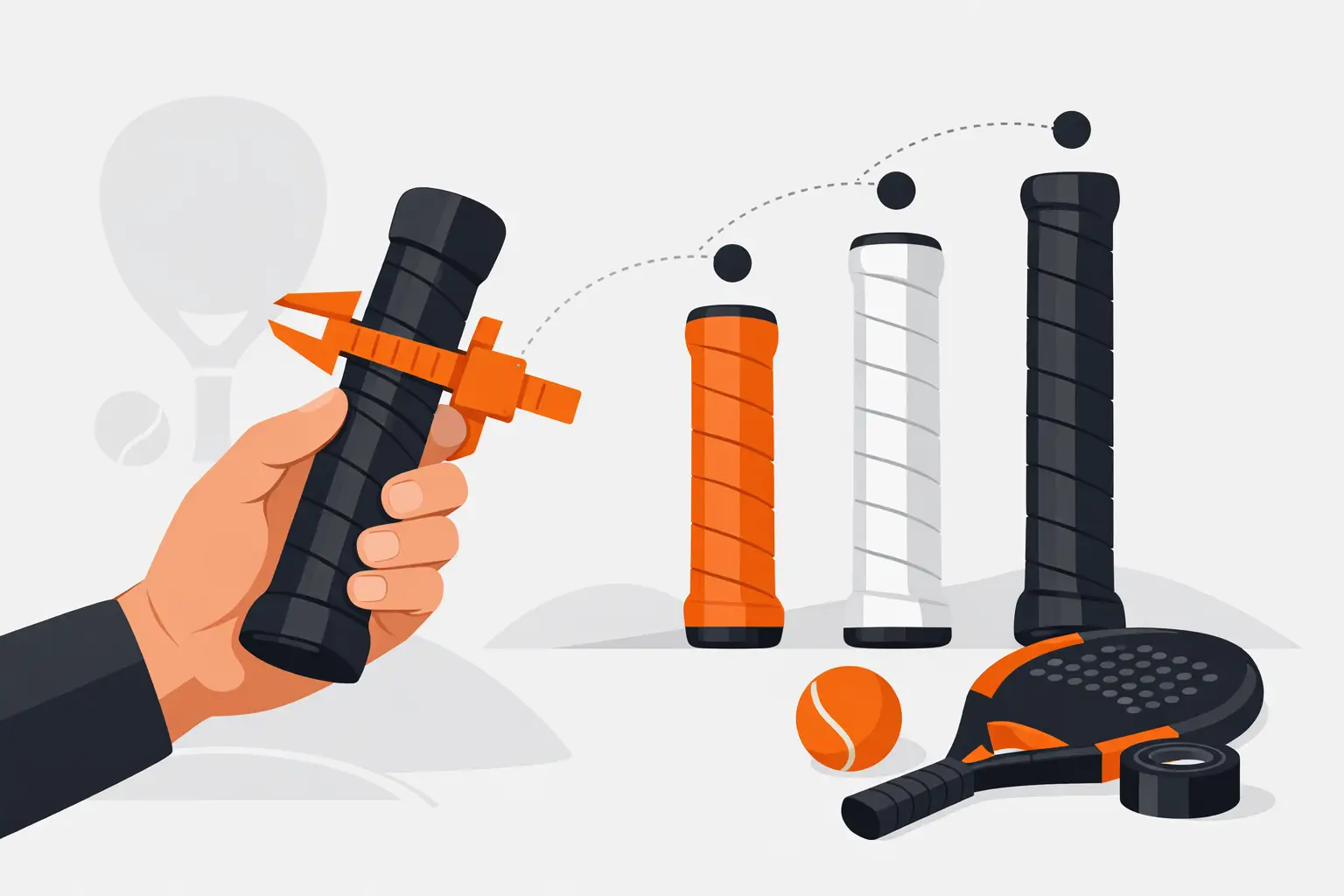
In padel, it is usually easier to start with a slightly smaller handle and add overgrips until it feels right. You can make a grip thicker in a few minutes. You cannot easily make an oversized handle smaller without removing material, which most players will not want to do.
That is why many experienced players prefer a handle that begins on the slimmer side. It gives you room to adjust as you learn what feels best.
Overgrips are where the real fit happens
If you buy a padel racket from a major brand, the underlying handle size is often fairly standard. The final fit comes from the replacement grip and overgrips. One overgrip can make a noticeable difference. Two or three can completely change how the racket sits in your hand.
This matters because the “right” size is not only about hand measurement. It is also about playing comfort. A beginner may benefit from a slightly fuller grip because it encourages a more relaxed hold. An advanced player who likes quick hand battles at the net may prefer a thinner setup for faster adjustments.
Overgrips also affect texture and cushioning. A tackier overgrip can help you hold the racket with less pressure. A more cushioned overgrip can soften vibrations and improve comfort, especially if you have any sensitivity in the arm.
How playing style changes the ideal grip size
There is no single best grip size for every padel player because style changes the equation.
If you play a control-focused game, you may prefer a grip that feels stable and connected without being too thick. This helps with precision on volleys, lobs and defensive shots from the back of the court. You still want manoeuvrability, but not at the expense of feel.
If you play a more aggressive game with fast exchanges and overheads, a slightly smaller grip can sometimes help with racket head speed and quick changes in hand position. The trade-off is that smaller grips can encourage over-squeezing if they are too thin.
If comfort is your top priority, especially if you have had elbow or wrist discomfort before, a slightly thicker and more cushioned grip setup can be the better choice. Just do not go so thick that the racket becomes clumsy in fast rallies.
Beginners, intermediate players and advanced players
Beginners often make the mistake of ignoring grip size completely. They focus on racket shape, weight and brand, then play with whatever handle setup comes out of the bag. That can work, but it is not always the best route. If you are new to padel, a comfortable grip helps you relax your hand, develop cleaner technique and avoid unnecessary strain.
Intermediate players usually start noticing whether the handle feels too thin on volleys or too bulky during quicker exchanges. This is the stage where small changes in overgrip thickness can make a big difference. If your racket feels nearly right but not quite, the grip setup is often the easiest fix.
Advanced players tend to be more particular. They may choose a very specific number of overgrips depending on weather, court speed and how much feel they want from the hand. At that level, preference becomes more personal, but the same principle still applies: secure, comfortable and easy to manoeuvre.
Signs your current grip size is wrong
Your hand usually tells you before your game does. If you finish matches with a tired forearm from gripping tightly, the handle may be too small. If you struggle to generate clean touch on volleys or feel slow changing grip for overheads and defensive shots, it may be too thick.
Another common clue is slipping. If the racket twists in your hand even with a fresh overgrip, that could mean the grip is too small or too smooth for the way you play. On the other hand, if your hand feels locked in place and the racket never feels lively, you may have added too much thickness.
Discomfort around the wrist or elbow does not always come from grip size, but it can be a factor. It is worth checking before blaming the racket itself.
How to adjust grip size properly
The easiest way to adjust padel grip size is one layer at a time. Add a single overgrip and test it in play. Do not judge it only by how it feels while standing still. Hit serves, volleys, viboras, lobs and defensive balls off the glass. Grip size should work across the whole match, not just one shot.
If the racket still feels too slim, add another overgrip. If it starts to feel too blocky, remove one. Small changes matter more than most players expect.
Pay attention to shape as well as thickness. Some overgrips feel softer and rounder, while others preserve more of the handle edges. Players who rely on grip changes often like feeling those edges clearly, because it helps them know racket position without looking.
How to choose padel grip size when shopping online
When you cannot hold the racket before buying, keep things simple. Focus first on choosing the right racket for your level and style, then plan to fine-tune the grip with overgrips once it arrives. That is the most practical approach for most padel players.
If you know you have smaller hands, you will probably want to avoid building the handle up too much. If you have larger hands or usually prefer a more substantial grip, you may expect to add an extra overgrip or two. This is one reason online shopping for padel rackets is less risky than many players think. Grip fit is one of the easiest things to personalise after purchase.
At 7padel, this is exactly the kind of detail worth getting right from the start, because a racket that suits your level but feels wrong in the hand will never feel like the right match.
The best grip size is the one that lets you loosen your hand
A lot of players search for an exact measurement, but padel does not work quite like that. The best grip size is the one that lets you hold the racket securely without squeezing, react quickly at the net and play for longer without your arm complaining.
If you are between two options, go slightly smaller and build up gradually. It is a safer place to start, and it gives you room to adjust as your game develops. The right setup should feel natural enough that you stop thinking about your hand and get on with playing better.