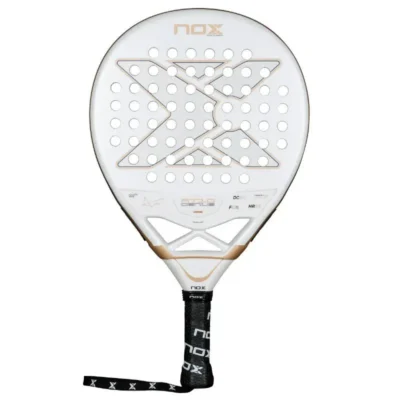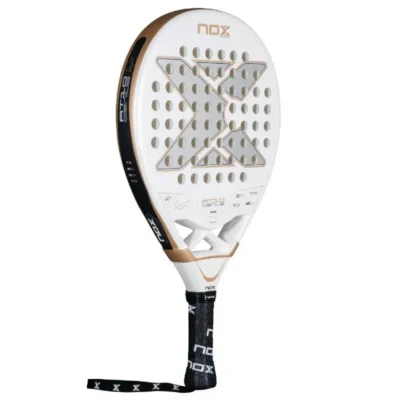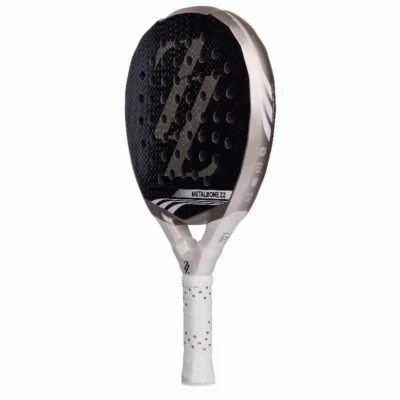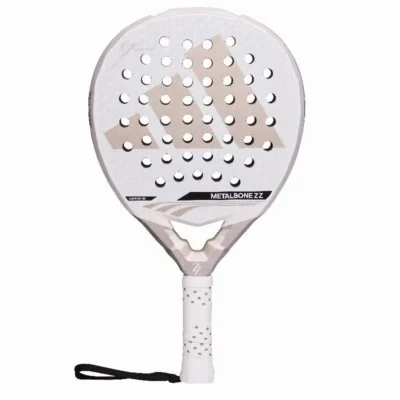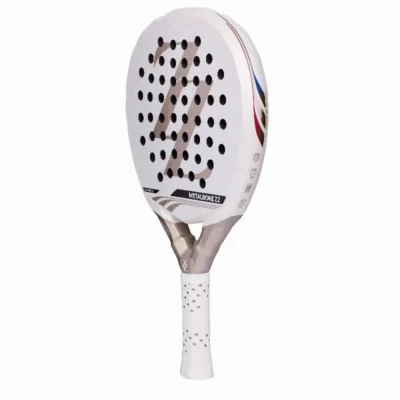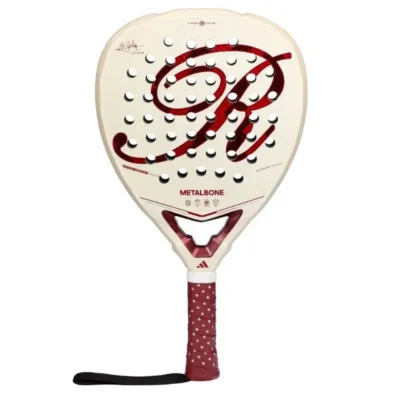
If you have been eyeing the AT10 because it seems to turn up everywhere from club matches to serious tournament play, this nox at10 racket review is for you. The AT10 range has built a strong reputation for being easy to trust under pressure, but that does not mean every player will get the same result from it.
What makes the AT10 so popular is simple. It sits in that sweet spot between all-out power and easy control, which is exactly where many padel players want to be. You get a racket that feels competitive without becoming demanding or punishing on slower days.
Nox AT10 racket review: who is it really for?
The AT10 is usually best suited to intermediate and advanced players, though some confident beginners will also get on well with it. If your game is built around consistency, controlled aggression and solid defence, this range makes a lot of sense.
It is not the kind of racket that only works for one narrow style. That is one of the main reasons it sells so well. Players who like to build points patiently will appreciate the control and touch, while those who attack with bandejas, viboras and overheads still get enough punch to finish points.
The key detail is that the AT10 tends to reward good technique rather than cover up poor timing. It is forgiving enough for regular club players, but it still feels like a performance racket. That balance is hard to find.
Shape and balance on court
Most AT10 models are built around a teardrop shape, sometimes leaning towards a round-hybrid feel depending on the version. On court, that gives you a useful middle ground. You are not sacrificing too much manoeuvrability for power, and you are not giving away too much put-away speed in exchange for control.
The balance is one of the best parts of the AT10. It generally feels stable without becoming head-heavy and sluggish. At the net, that matters. Quick exchanges need a racket that reacts fast, and the AT10 usually keeps up well in hand.
From the back of the court, the balance also helps when defending low balls off the glass. You do not feel like you are dragging the racket through the shot. Instead, it comes through cleanly, which gives you better confidence on lobs, blocks and softer resets.
Feel at impact
The first thing many players notice is that the AT10 feels solid but not overly harsh. That is a big plus if you play often or have had any arm discomfort with stiffer power rackets.
On slower shots, the contact feels controlled and predictable. You can guide the ball rather than simply react to it. On harder shots, the racket has enough firmness to stop it feeling vague or soft. That mix makes it easier to trust in different phases of the point.
This is where the AT10 separates itself from many rackets that claim to be versatile. Some hybrid rackets end up feeling average at everything. The AT10 usually feels more complete than that. It has a clear identity – stable, clean and dependable.
Power vs control
If you are shopping for maximum smash power above everything else, the AT10 may not be the most explosive option in the shop. There are more aggressive choices out there with higher balance and a stiffer response.
But if you want usable power, the AT10 is a strong candidate. The power is easier to access because the racket does not ask you to swing perfectly every time. You can still generate strong overheads and attacking volleys, but you are less likely to lose control when the tempo rises.
That is why the AT10 works so well for all-round players. It gives enough pop to stay dangerous without forcing you into a one-speed game. For many club and league players, that is more valuable than raw top-end power.
Comfort and arm-friendliness
Comfort is one of the biggest reasons to consider this racket. The AT10 range is often praised for offering a pleasant feel without becoming dull. If you have played with very stiff carbon rackets and ended up with a sore elbow or shoulder, this will matter.
That said, comfort depends on the exact model, your technique and even the balls you use. A softer version will naturally feel kinder on off-centre hits, while a firmer version may suit players who prefer a crisper response. If you play three or four times a week, this trade-off is worth taking seriously.
In practical terms, the AT10 tends to be easier on the arm than many pure power rackets. It is not a magic fix for poor technique, but it can reduce some of the unnecessary shock that makes longer sessions less enjoyable.
Nox AT10 racket review: strengths and compromises
The biggest strength of the AT10 is how well-rounded it feels. It defends well, transitions smoothly and holds up in attacking situations. For players who do not want a racket that feels extreme in one direction, that is a real advantage.
Its second major strength is confidence. Some rackets impress in a short test but become harder to trust in match play. The AT10 usually does the opposite. The more points you play, the more you appreciate its stability and predictable response.
The compromise is that it may not feel specialised enough for players with a very clear game identity. If you are a left-side attacker who wants maximum overhead power, you may prefer something more aggressive. If you are a control-first player who values a very soft touch and low balance, there are rounder and more forgiving options available.
So the question is not whether the AT10 is good. It is. The real question is whether its blend of control, power and comfort matches the way you actually play.
How it suits different player levels
For beginners, the AT10 can be a smart long-term choice, but only if you already have some racket sport experience or plan to improve quickly. Complete beginners may find it slightly more performance-focused than necessary, especially if they would benefit from a softer, more forgiving racket first.
For intermediate players, this is where the AT10 really shines. It gives enough support to help you defend better and enough quality to grow with your game. If you are moving beyond basic rallying and starting to play with more tactical intent, it fits nicely.
For advanced players, the answer depends on style. If you want an all-court racket that performs well under pressure, the AT10 remains a strong option. If your game is built around constant attacking and heavy overhead winners, you might want a more specialised power model.
Is the Nox AT10 worth the money?
In the premium padel market, value is not just about the lowest price. It is about whether a racket gives you enough performance and confidence to justify the spend. On that front, the AT10 generally delivers.
You are paying for a racket with broad appeal, proven on-court usability and a feel that suits a wide range of players. It is not a budget buy, but it often represents better real-world value than flashier rackets that only work well for a small group of players.
If you are the type of buyer who wants one racket that can handle defence, control and attacking moments without drama, the AT10 is a sensible investment. That is especially true if you prefer shopping smart rather than chasing hype.
Final verdict
The AT10 earns its reputation because it makes padel feel simpler. You get control when you need to settle the point, enough power to stay aggressive and a comfortable feel that does not punish you for every imperfect contact.
It will not be the perfect racket for every player, and that is fine. The best racket is always the one that fits your level and style, not the one with the biggest reputation. But if you want a high-quality all-rounder from a trusted brand, the Nox AT10 is very easy to recommend.
If your game sits somewhere between controlled and aggressive, this is the kind of racket that can help you play with more confidence from the first match and still feel right months later.