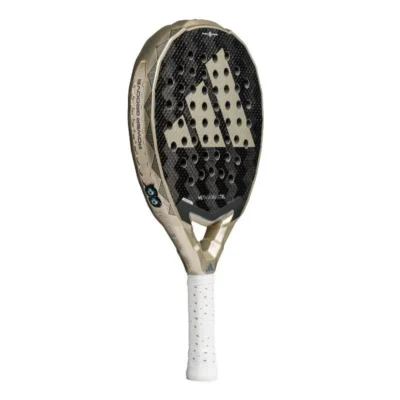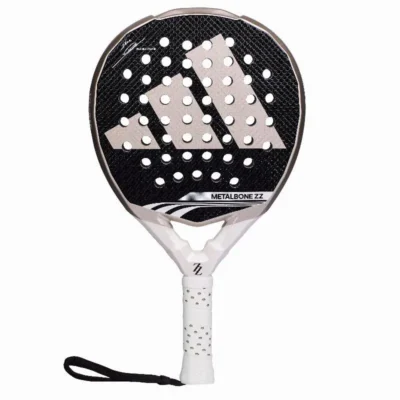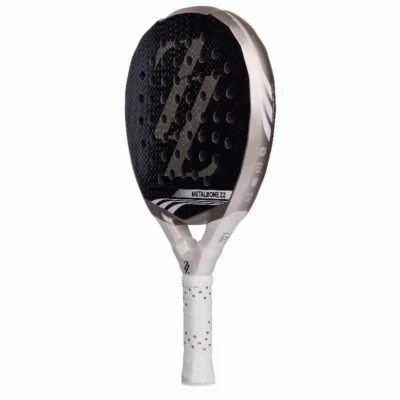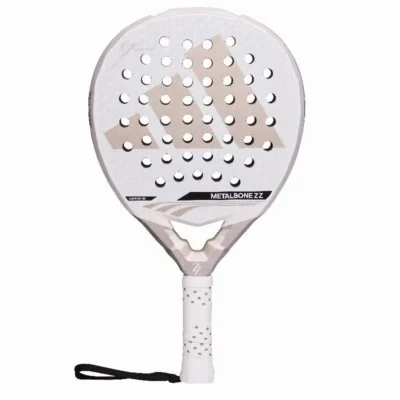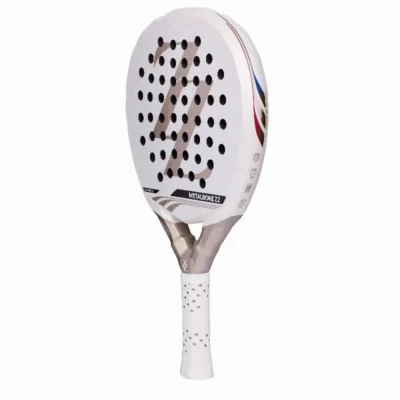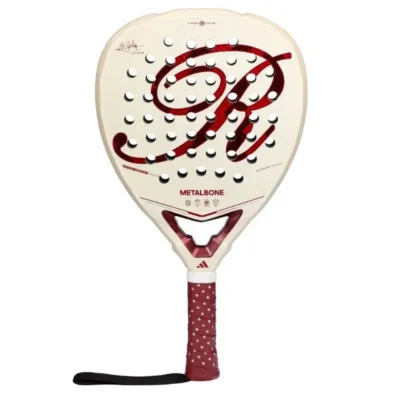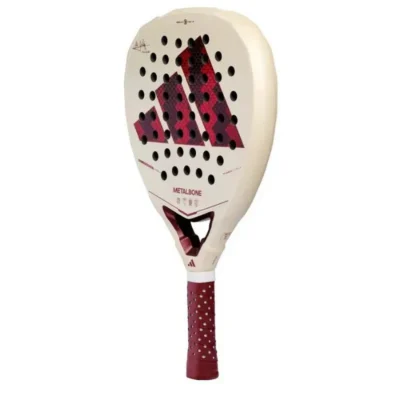
If you keep finding the glass when you meant to find the corner, or your volleys sit up instead of staying low, you probably do not need more power. You need better control. Choosing the best padel racket for control is less about buying the most expensive model and more about picking the right shape, balance and feel for the way you actually play.
A control racket should help you place the ball cleanly, defend under pressure and slow the game down when needed. That matters whether you are a newer player trying to cut down mistakes or a more experienced player who wins points through positioning rather than brute force. The right racket will not fix poor technique on its own, but it can make good habits easier to repeat.
What makes the best padel racket for control?
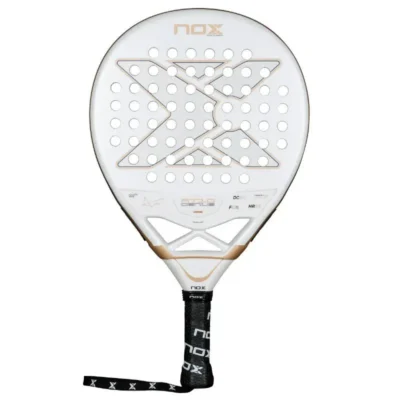
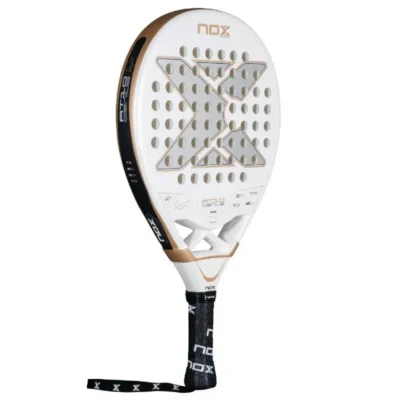
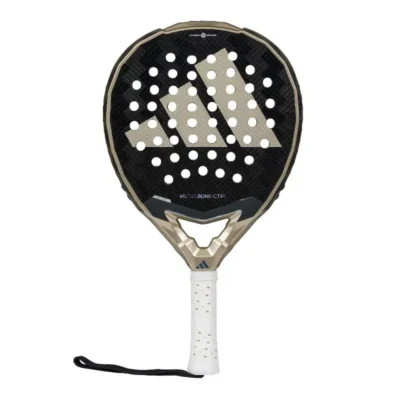
The biggest clue is usually the shape. Round rackets are the classic control option because they tend to have a larger sweet spot centred closer to the hand. That makes them more forgiving on off-centre contact and easier to handle in defensive situations. If your priority is consistency, this is normally the safest place to start.
Balance matters just as much. A lower balance means less weight in the head, which usually gives you quicker reactions and a steadier feel through volleys, blocks and resets. Head-heavy rackets can produce more punch, but they are often less forgiving when you are stretched or late to the ball.
Then there is touch. Softer constructions can feel easier on the arm and help with comfort, while firmer faces often give a more precise response. Neither is automatically better. If you like to feel the ball sit on the racket for a fraction longer, softer may suit you. If you want a crisp, direct response on contact, a firmer racket might feel more controlled to you.
Control does not mean low performance
A lot of players hear “control” and assume “beginner”. That is not the case. Plenty of advanced players use control-focused rackets because placement wins points. In padel, the player who keeps the ball low, chooses the right height and forces awkward rebounds often controls the match.
The trade-off is simple. Pure control rackets usually give away some free power. If your game relies on finishing points overhead from anywhere on court, you may prefer a hybrid shape instead. But if you build points patiently, defend well and want confidence on every shot, control is often the smarter choice.
How to choose the right control racket for your level
Beginners
If you are still building clean contact and learning court positioning, look for a round racket with a large sweet spot and manageable weight. This will help you keep more balls in play and reduce the harsh feel of mis-hits. You do not need an overly technical model. In fact, too much stiffness can make the game harder than it needs to be.
For most beginners, comfort and forgiveness should come before precision at the highest level. A racket that feels easy to manoeuvre and stable from the back of the court will let you improve faster.
Intermediate players
This is where things get more interesting. If you can already rally well and understand basic tactics, you can be more selective about feel. Some intermediate players want a true control racket to tighten up their game. Others want a hybrid racket that still offers plenty of placement but with a little more put-away power.
At this level, think about where you win and lose points. If errors come from rushed volleys, inconsistent lobs or defensive blocks that pop up too much, lean further towards control. If you are solid in those areas and only lack finishing power, a hybrid may be the better fit.
Advanced players
Advanced players usually know whether they want a softer or firmer response, and whether they are happy sacrificing some power for sharper placement. A high-level control racket can be a serious weapon, especially for players who dominate through anticipation, variation and court craft.
The key here is honesty. If your timing is excellent and you generate pace easily, a control racket can sharpen your game. If you need the racket to help create speed, going too far into the control category may leave you working harder than necessary.
The features worth paying attention to
When you are comparing models, ignore the marketing noise for a minute and focus on what actually affects play.
Weight is one of the first checks. Lighter rackets tend to feel easier to swing and quicker at the net. Heavier rackets can add stability, but they also demand more from your arm and timing. If you play often or have any history of elbow discomfort, do not underestimate the value of a racket that feels comfortable over a full match.
Surface feel also plays a role. Some rackets have a rougher face to help with spin, which can be useful on slices and kick smashes, but it should not be the main reason you buy a control racket. Shape, balance and touch will affect your consistency more than surface texture alone.
Core and face materials matter, but only in practical terms. Softer materials usually feel more forgiving and comfortable. Firmer ones tend to feel more exact and stable when hitting harder. If you are shopping online and cannot test rackets, this is where brand guidance and clear product descriptions become valuable.
Brand styles to expect from top padel names
Different brands often have their own feel, even within the control category. Adidas, Bullpadel, Head, Nox, Starvie, Wilson and Babolat all produce control-focused options, but they do not all play the same.
Some brands lean towards comfort and ease of use, which can suit newer or intermediate players. Others deliver a firmer, more precise response that appeals to stronger, more technical players. That is why shopping by brand alone is risky. It is better to start with your level and playing style, then narrow down to models that match those needs.
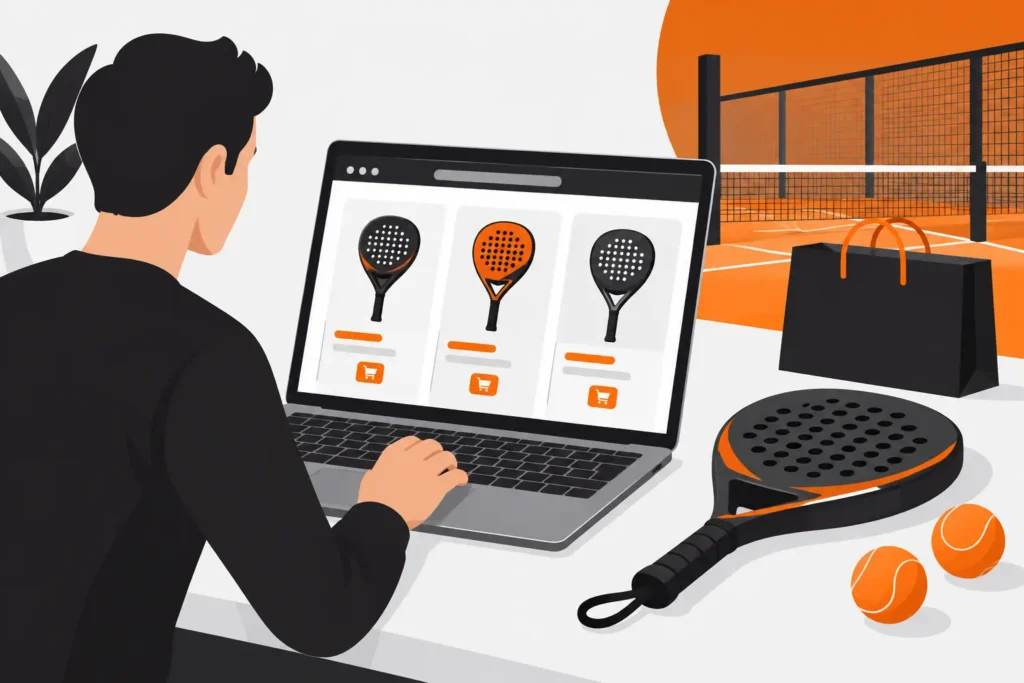
If you are browsing a store with clear filters for control, hybrid, beginner, intermediate and advanced categories, use them. It saves time and usually gets you closer to the right shortlist much faster than chasing whatever model is getting the most hype.
Best padel racket for control or hybrid – which is right?
This is the decision many players wrestle with. If you want the simplest answer, choose a control racket when consistency is your top priority and choose a hybrid when you want a more balanced mix.
A control racket is ideal if you value defence, reset shots, accurate volleys and patient point construction. A hybrid racket makes more sense if you like control but still want extra power overhead and on attacking shots. Neither choice is wrong. It depends on whether your current problem is too many mistakes or not enough finishing strength.
For a lot of intermediate players, hybrid is the bridge option. It gives enough forgiveness to stay dependable while adding more punch than a pure round control model. But if your game already feels too rushed or unpredictable, going back to a true control racket can actually help you win more.
Common mistakes when buying a control racket
One common mistake is assuming that “pro” means “better”. Professional-level rackets can feel amazing in the right hands, but they are not always the easiest option for everyday players. If a racket is too demanding, you will not get the benefit of its higher-end features.
Another mistake is chasing power when your game is asking for precision. Many players lose more points through unforced errors than through a lack of finishing ability. If that sounds familiar, a control racket could improve your results immediately.
The last mistake is ignoring comfort. A racket that feels great for ten minutes but heavy or harsh after two sets is not the right buy. Your best option should help you play well consistently, not just look impressive on paper.
A smarter way to shop for the best padel racket for control
Start with three questions. What is your level? Where do you lose points? Do you prefer a softer or firmer feel? Once you answer those honestly, your shortlist gets much smaller.
If you are a beginner, favour forgiveness and comfort. If you are intermediate, decide whether you need pure control or a hybrid balance. If you are advanced, be specific about feel and match it to your tactical style. That is a far better approach than buying based on price alone.
At 7padel, the easiest way to shop smart is to use level and playing-style categories first, then compare the control models that fit your budget. That keeps the process simple and helps you find a racket that suits your game now, not just the game you hope to have one day.
The best control racket is the one that lets you trust your shots when the point gets tight. If a racket helps you defend better, volley cleaner and play with fewer doubts, you are already much closer to the right choice.