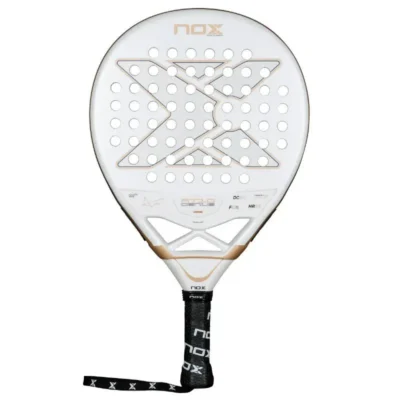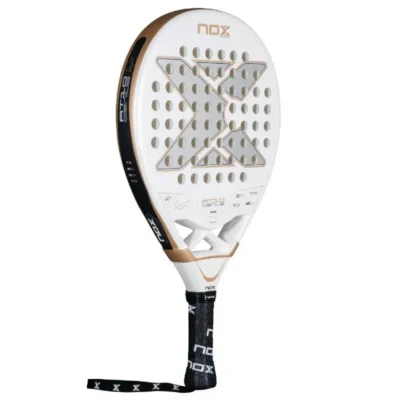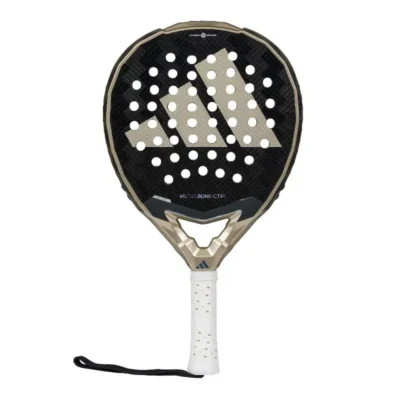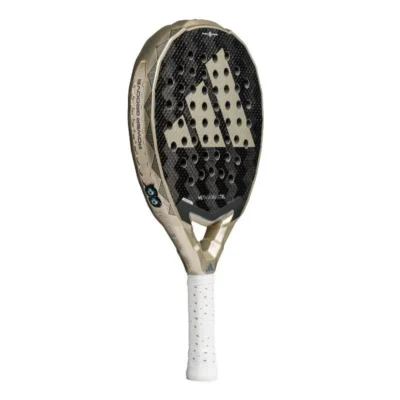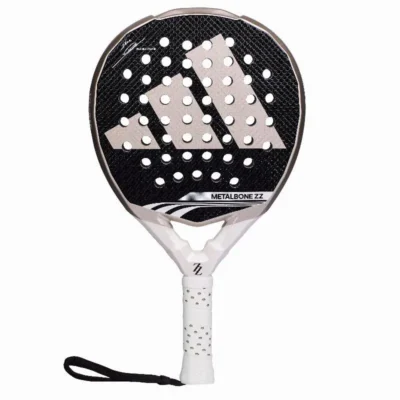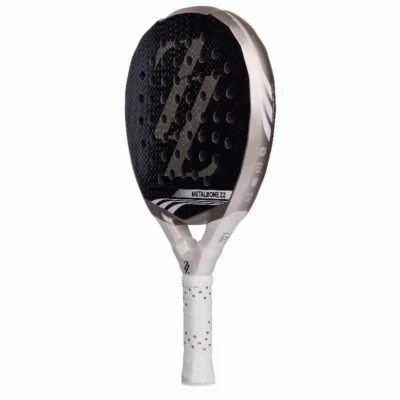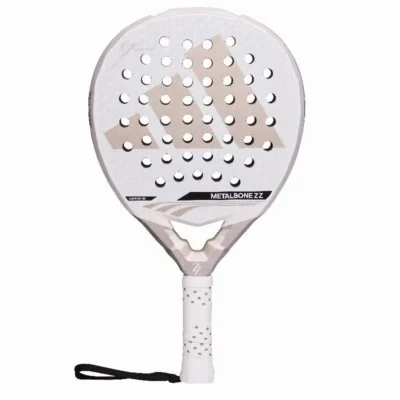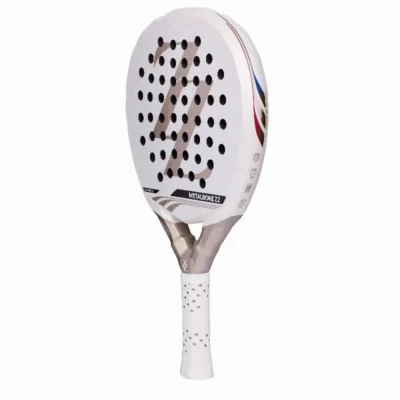
You feel it within the first few rallies. One racket helps you block volleys cleanly and keep more balls in play. Another gives you extra pop on smashes but asks more from your timing. That is the real teardrop vs round padel racket question – not which shape is better overall, but which one helps you play your best padel right now.
If you are shopping online, shape is one of the quickest ways to narrow your options. It tells you a lot about how a racket is likely to feel in the hand, where the sweet spot sits, and how much forgiveness you get when contact is not perfect. For most players, especially beginners and improving intermediates, that matters more than chasing the most aggressive model on the page.
Teardrop vs round padel racket: the main difference
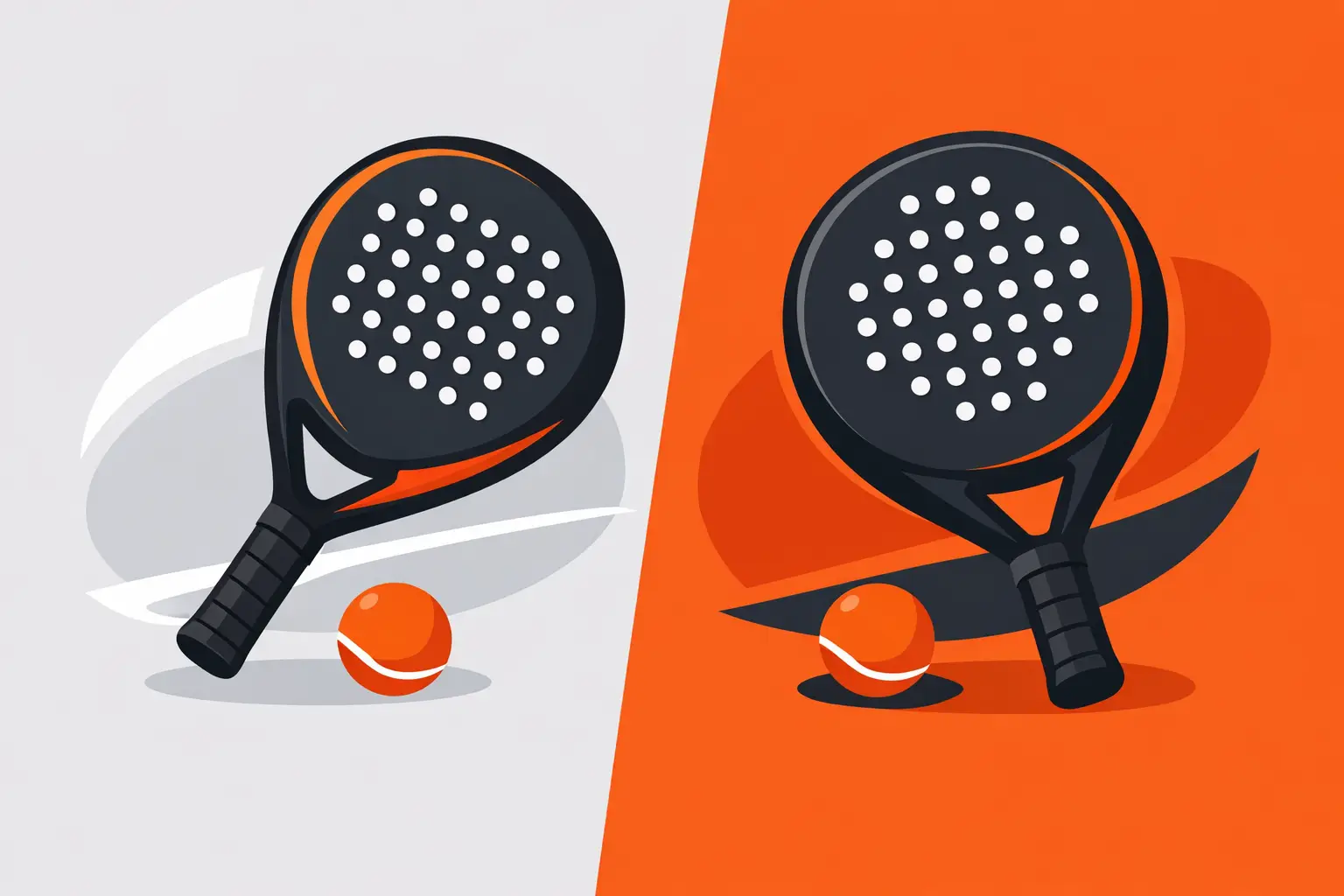
A round padel racket is built with control and forgiveness in mind. Its sweet spot is usually larger and more centred, which makes off-centre hits less punishing. The balance tends to be lower or more even, so the racket feels easier to manoeuvre in defence, at the net, and during fast exchanges.
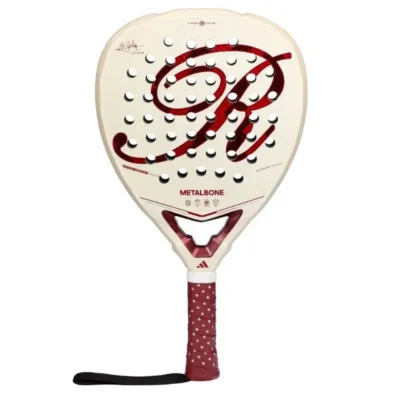
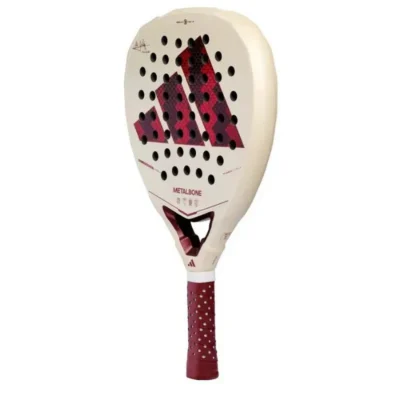
A teardrop racket sits closer to the middle ground between control and power. The sweet spot is often slightly higher, and the balance is usually more head-heavy than a round shape, though not as extreme as a diamond racket. That extra weight higher up can help generate more speed through the ball, especially on overheads and attacking volleys.
In simple terms, round is usually easier to handle. Teardrop usually gives you a more attacking response. Neither is automatically right. It depends on your level, your technique, and how you actually win points.
What a round padel racket feels like on court
Round rackets suit players who want confidence, consistency, and easy handling. If you are still building your technique, they can make the game feel simpler because you do not need perfect timing on every shot. You get a more forgiving response on defensive lobs, compact backhand blocks, and those awkward balls that arrive at your feet.
That is why round models are often the safest choice for beginners. They help you return more balls, settle into rallies, and learn proper shot mechanics without fighting the racket. For many intermediate players, they also remain a smart option because control never stops being valuable.
There is sometimes a myth that round means boring or only for entry-level players. That is not true. Plenty of advanced players choose round rackets because they prioritise placement, touch, and fast reactions over raw power. If your game is built on patience, positioning, and making few mistakes, a round shape can still be your best match.
What a teardrop padel racket feels like on court
Teardrop rackets appeal to players who want more all-round punch without stepping fully into a demanding power racket. You often get a livelier feel through volleys and overheads, with enough control to stay comfortable in rallies. That balance is exactly why teardrop shapes are so popular with intermediate players.
If you have developed reliable timing and can generate decent racket head speed, a teardrop racket may help you finish points more easily. Viboras, bandejas, aggressive volleys and smashes can all feel a bit more rewarding. The racket does more for you when you attack.
The trade-off is forgiveness. Compared with a round racket, teardrop models usually ask for cleaner contact. If your timing is late or your preparation is rushed, you may notice more inconsistency, especially under pressure in defence.
Control, power and forgiveness
Most buying decisions come down to these three things.
Round rackets lead on forgiveness. The larger centred sweet spot gives you margin for error, which is useful when you are learning, defending deep in the court, or simply having an off day. They also tend to support control because the lower balance helps you keep the racket stable and easy to position.
Teardrop rackets usually add power more naturally. The slightly higher balance can help the racket travel through the ball with more force, which benefits attacking shots. You still get a decent mix of control and comfort, but you lose a bit of the effortless forgiveness that round models are known for.
That is why the right choice is not just about what sounds more exciting. It is about what helps you win more points in real match situations. Extra power is only useful if you can access it consistently.
Which shape suits your level?
For beginners, round is usually the safer and smarter place to start. It supports better habits, gives you more confidence, and makes the learning curve less steep. If you are new to padel, you will probably improve faster with a racket that helps you control the ball rather than one that punishes technical mistakes.
For intermediate players, this is where teardrop becomes very tempting. If you are striking the ball cleanly, moving well, and starting to attack with purpose, a teardrop racket can feel like the natural next step. It gives you a bit more bite without becoming too difficult to use.
For advanced players, it depends on style more than level. A control-focused player on the right side may still prefer round. An all-court or more aggressive player may lean teardrop for the extra finishing power. Better players can use both well, but the best choice still comes down to how you build points.
Teardrop vs round padel racket for different playing styles
If you are a defensive player who likes to absorb pace, reset points and wait for the right moment, round will often suit you better. It is easier to manoeuvre, easier to control, and generally kinder when you are under pressure.
If you are an all-round player, teardrop can be a strong fit. It gives you support in attack while still keeping enough control for rallies and transitions. Many players in this category want one racket that does a bit of everything, and teardrop shapes are designed for exactly that.
If your game is built around heavy attacking play, teardrop may be the minimum you want, though some players in that category eventually move to diamond. Still, if you want power without making the racket too demanding, teardrop is often the more balanced option.
Shape is not the whole story
It is easy to focus only on shape, but two teardrop rackets can feel completely different. Weight, balance, core density, face material and surface texture all change how a racket performs. A soft teardrop may feel easier than a stiff round model. A lightweight round racket may suit one beginner, while a heavier version feels too sluggish for another.
That is why shape should be your starting point, not your only filter. Once you know whether you want more control or more attacking help, then you can look at weight and materials to refine the choice.
For online shoppers, the simplest path is to think in this order: level, playing style, then shape. That approach keeps things practical and stops you being pulled towards a racket that looks exciting but does not really fit your game.
When to switch from round to teardrop
A lot of players ask this when they feel ready for the next step. Usually, the signs are clear. You are controlling rallies well, defending comfortably, and starting to feel that your current racket lacks put-away power. You can generate clean contact regularly and you want more reward on attacking shots.
If that sounds like you, moving from round to teardrop can make sense. But do not switch too early just because it feels like the more advanced option. If your consistency drops, the extra power is not helping. The best upgrade is one that improves your overall level, not just your best highlights.
The smarter choice for most players
If you want the safest recommendation, round works for more people. It is forgiving, confidence-boosting, and useful across every level of the game. If you want a racket that helps you stay in points and build solid habits, it is hard to go wrong.
If you already have decent technique and want a more versatile attacking feel, teardrop is often the better buy. It gives you a stronger blend of control and power, which is why so many improving players end up there.
At 7padel, the easiest way to shop smart is to be honest about your game today, not the player you hope to be six months from now. Choose the shape that gives you more good shots, more confidence, and more reasons to enjoy your next match.