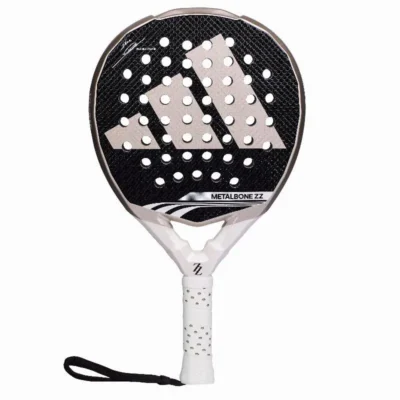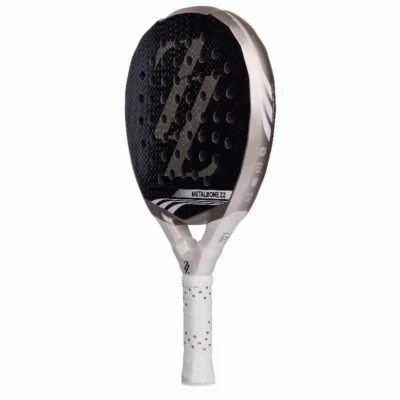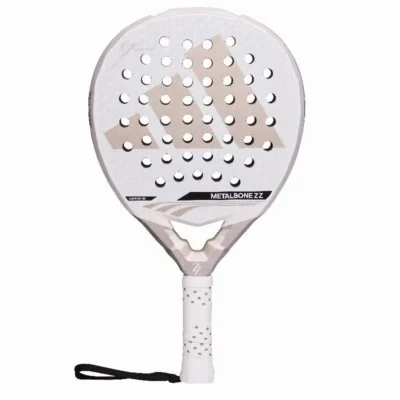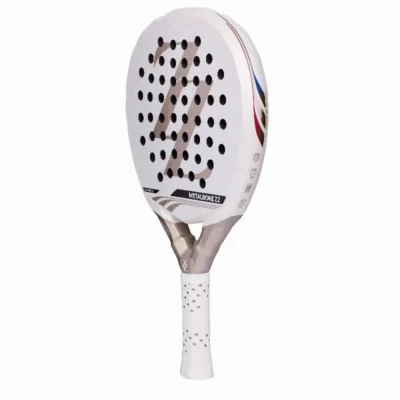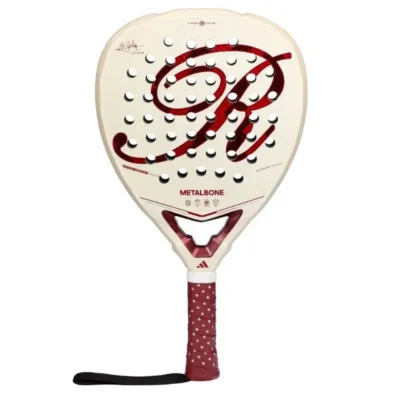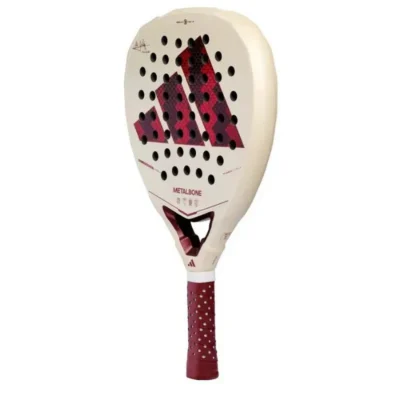

Your first padel racket got you on court. Now you can return serves, build points and occasionally finish a bandeja with real confidence, it may be holding you back. The best intermediate padel upgrade examples are not always the hardest-hitting rackets in the shop. They are the ones that give your improving game more consistency without making every off-centre contact feel expensive.
An upgrade should make your next level easier to reach. That usually means a better balance of control, manageable power and comfort, rather than choosing the most aggressive racket simply because a stronger player uses it. Shop smart, play better: start with the shots you play most often, then choose a shape, balance and feel that supports them.
What changes when you move beyond a beginner racket?
Beginner rackets tend to have a large sweet spot, softer materials and a light, easy-going feel. Those qualities are helpful while you learn basic contact and positioning. Once rallies become quicker and you begin to generate your own pace, however, a very soft racket can feel vague. Volleys may sit up, overheads can lack weight and you may need an extra swing to play a firm, deep ball.
Intermediate rackets usually add a little more structure. They may use firmer faces, a more responsive core or a medium balance that transfers energy more directly into the ball. The gain is clearer feedback and more reliable pace. The trade-off is that poor timing is less forgiven, so the right upgrade is rarely the stiffest or most head-heavy option.
Think of it as moving from “easy to use” to “easy to improve with”. You still want enough comfort for a long match, but you also want a racket that rewards better technique.
Intermediate padel upgrade examples by playing style
The control-first player: round shape with a firmer feel
If you build points patiently, favour placement over wild winners and spend plenty of time at the net, a round intermediate racket is often the right move. Compared with a basic round racket, look for a model with a medium-density foam and a carbon or carbon-blend face. This keeps the familiar large sweet spot but provides a more precise, solid response on volleys and chiquitas.
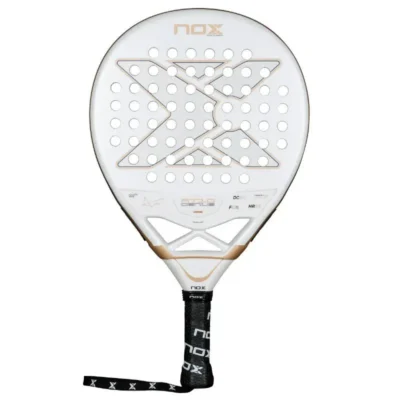
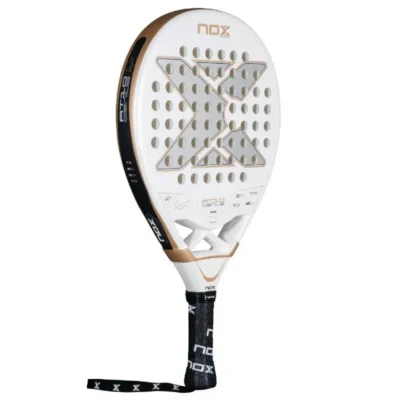
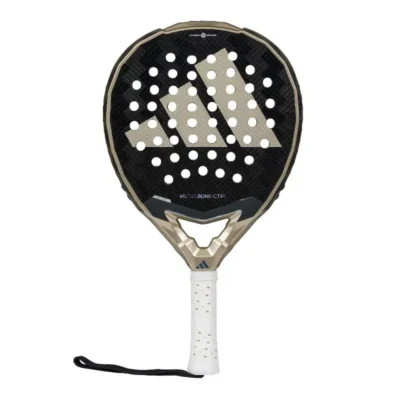
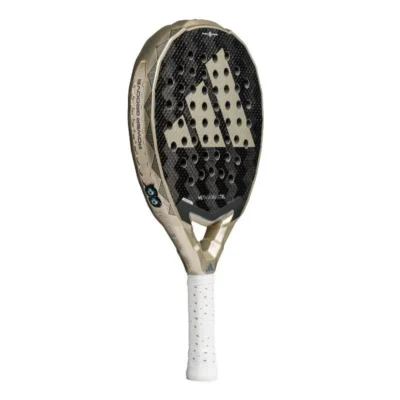
A player upgrading from a soft fibreglass round racket might choose a round Adidas, Bullpadel, Head, Nox or Starvie model designed for intermediate control. The aim is not to turn every ball into a winner. It is to make your defensive lobs more accurate, your blocks more stable and your volleys harder for opponents to attack.
This is a particularly sensible choice if you are still improving your overhead technique. A round racket with low-to-medium balance is easier to manoeuvre when you are late to a ball and less likely to strain your arm during repeated volleys.
The all-round player: teardrop shape for useful extra pace
Many intermediate players reach the point where they want more punch but do not want to give up control. A teardrop, often called hybrid, racket is the natural answer. Its sweet spot sits slightly higher than on a round racket, and the balance is usually medium. That combination can add speed to volleys, viboras and overheads while remaining practical from the back of the court.
This is one of the strongest intermediate padel upgrade examples because it suits so many games. You can defend, construct points and attack a short ball without changing your whole technique. Players who play once or twice a week and are still working out whether they are naturally more defensive or aggressive often get the best value from this category.
The trade-off is that a teardrop racket needs slightly cleaner contact than a round one. If you regularly mishit near the frame, choose a softer medium feel and avoid an overly high balance. You will get a more enjoyable racket now, not just a demanding racket for a future version of your game.
The attacking player: a controlled route towards diamond shape
You may be ready for more attacking weight if you actively look for overheads, finish points at the net and can keep your racket preparation under pressure. A diamond-shaped racket places more mass towards the head and can help create stronger smashes and aggressive volleys. But it is the category where players most often upgrade too far, too quickly.
A sensible step is a medium-weight diamond or hybrid-diamond racket with a medium, rather than extreme, balance. Several brands offer versions aimed at developing attacking players, not only competition-level hitters. These rackets can give your bandeja and vibora more penetration while staying manageable in defence.
Be honest about your match play. If your smash is only effective when the ball is perfectly placed, a full-power diamond racket will not fix it. It may make defensive blocks, low volleys and rushed returns tougher. Build the technique first, then let the racket add a little extra reward.
Choose weight and balance before chasing materials
Marketing terms around carbon, foam and surface texture can be useful, but weight and balance have a more immediate effect on how a racket feels in your hand. For many adult intermediate players, a racket around 355-370 grams is a sensible starting range. The right number depends on your strength, previous racket and how often you play.
A lighter option is quicker at the net and can reduce fatigue. A heavier option may feel more stable against fast shots and deliver more weight through the ball. Neither is automatically better. If your shoulder or elbow gets tired after matches, do not assume that a heavier racket is a performance upgrade.
Balance matters just as much. Low balance keeps the weight nearer the handle for quicker handling and control. Medium balance is the all-round choice. High balance supports attacking shots but can feel slower in defensive exchanges. Two rackets with the same stated weight can play very differently because of this.
Do not ignore comfort and injury history
An intermediate upgrade should help you play more confidently, not leave your elbow aching. Firmer carbon faces can give satisfying response, but they can also feel demanding if you hit late or play in cold conditions. Softer materials and more flexible constructions are often kinder on the arm, especially for players returning from tennis elbow or shoulder issues.
Grip size also deserves attention. A handle that feels too thin can encourage you to grip too tightly, while an overly thick handle can reduce wrist movement. Overgrips are an inexpensive way to fine-tune the feel. Add one or two until you can hold the racket securely without squeezing it through every shot.
If discomfort continues, do not treat it as a reason to buy an even stiffer racket. Check your technique, warm-up, grip and playing volume first. Equipment can help, but it cannot compensate for an overloaded arm.
A quick way to narrow your choice
Before adding a racket to your basket, answer these four questions:
- Do I win more points through patience and placement, or through attacking pace?
- Can I consistently strike overheads and volleys near the middle of the racket?
- Do I need faster handling in defence, or more weight on attacking shots?
- Have I had any elbow, wrist or shoulder discomfort recently?
Your answers point towards the right category. Control-focused players should begin with round shapes. Players seeking one racket for every area of the court should look at teardrop and hybrid shapes. Regular attackers can consider a manageable diamond, provided they can handle the smaller sweet spot.
Brand matters less than fit, though recognised brands give you a useful range of consistent options. Compare the stated shape, balance, weight and intended level rather than choosing purely by colourway or the racket used by your favourite professional. Their timing, strength and training volume are unlikely to match yours.
Make the upgrade count on court
Give a new racket a few sessions before making a final judgement. Start with controlled rallies and volleys, then test lobs, serves and overheads. Notice whether you are swinging freely or forcing the racket through the ball. The right choice should feel stable and predictable when the point gets messy, not only impressive during a perfect warm-up.
At 7padel, the practical starting point is simple: filter by intermediate level, then choose control, hybrid or power based on the matches you actually play. A well-chosen upgrade will not replace footwork or decision-making, but it can make every good habit feel more effective and every session more enjoyable.