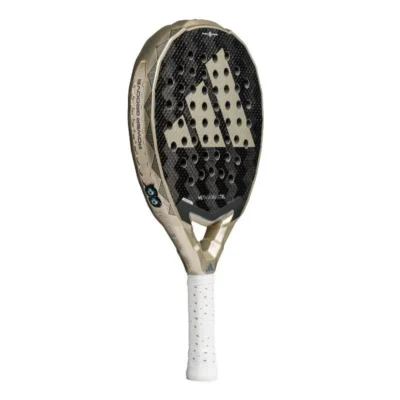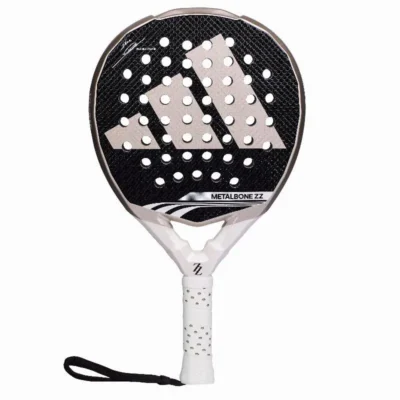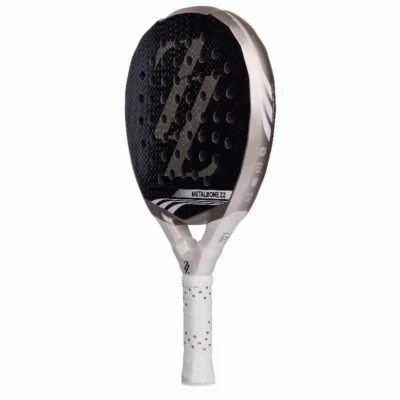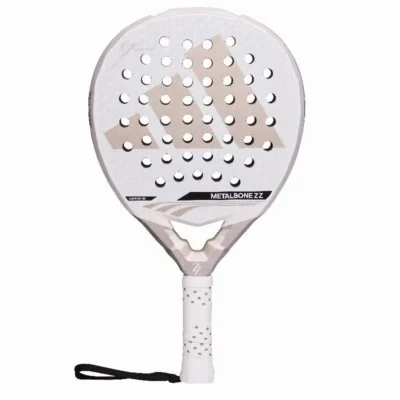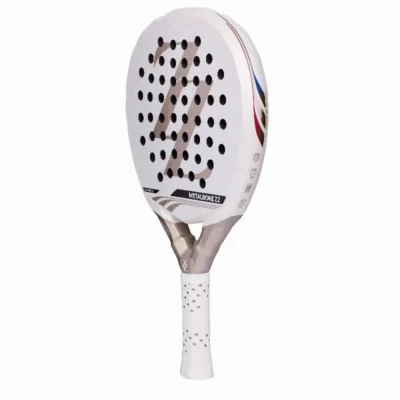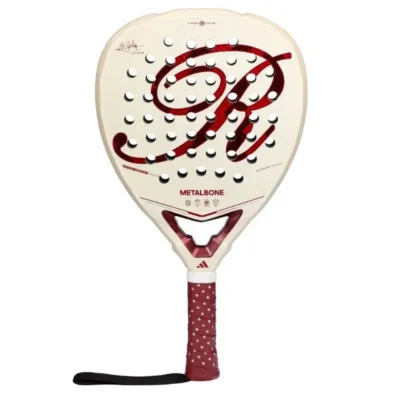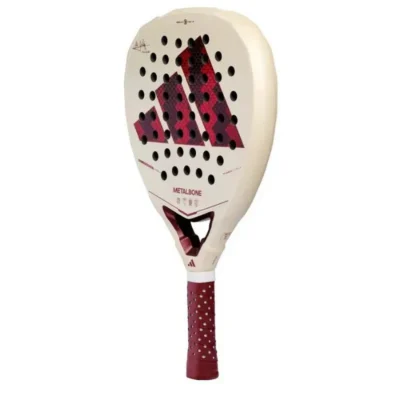
Buying a padel racket online should feel exciting, not like decoding a catalogue. A good online padel shopping guide starts with one simple question: what do you need the racket to help you do better? Hit with more control, add easy power, become more consistent, or simply enjoy your first proper games without fighting your equipment?
The right answer is rarely the most expensive racket or the one used by a professional player. It is the racket that suits your current level, your playing style and the way you want to develop. Start there, and the rest of the shopping process becomes much easier.
Start with your playing level
Your level is the quickest way to narrow a large selection. Be honest rather than ambitious. A racket designed for advanced players can look impressive, but it may have a smaller sweet spot and demand cleaner technique than you currently have.
Beginner: make learning easier
If you are new to padel or still building reliable contact, prioritise comfort and forgiveness. Look for a round racket with a low balance and a larger sweet spot. These models are easier to manoeuvre, help you return off-centre shots, and give you more control during rallies.
A softer feel can also be useful at this stage. You do not need maximum power when you are learning positioning, volleys and how to use the glass. A manageable racket lets you focus on the game rather than forcing every shot.
Intermediate: choose the direction of your game
Intermediate players usually know what they are missing. Perhaps your defence is solid but your volleys lack bite, or perhaps you attack well but make too many errors under pressure. This is where hybrid or teardrop-shaped rackets become especially useful.
They sit between round control models and diamond power models, offering a balanced mix of manoeuvrability and punch. Many players stay in this category for years because a good hybrid racket adapts well to different courts, partners and match situations.
Advanced: buy for a clear purpose
Advanced players can be more specific. If you dominate the net and finish points overhead, a high-balance diamond racket may give you the extra power and attacking response you want. If you build points patiently, defend deep and value placement, a control-focused round racket may still be your best option.
The trade-off matters. More power-oriented shapes often ask for quicker reactions and more precise contact. They are rewarding in confident hands, but they are not automatically better for every advanced player.
Understand racket shape before you compare brands
Shape affects where the racket feels most effective. It is one of the most practical filters when shopping online.
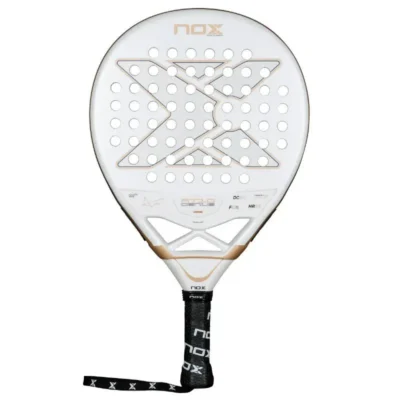
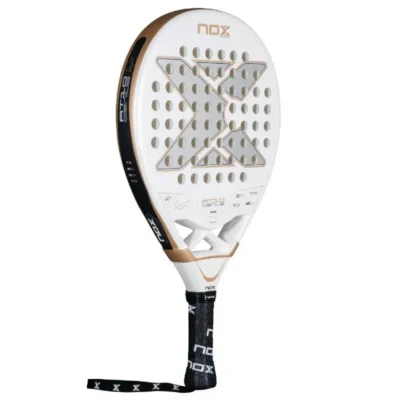
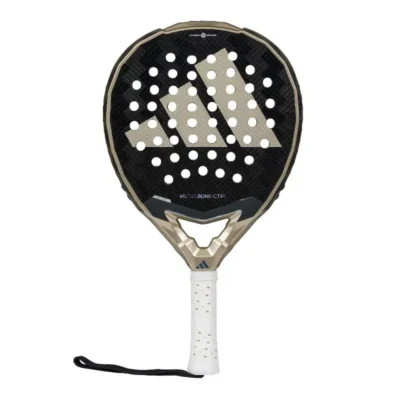
Round rackets place the sweet spot closer to the centre and tend to feel controlled and forgiving. They suit beginners, defensive players and anyone who wants reliable handling at the net. Teardrop or hybrid rackets move the sweet spot slightly higher, balancing control with accessible power. They are a strong choice for all-round players.
Diamond rackets have a higher balance and are built for attacking output. They can produce serious power on smashes, viboras and aggressive volleys, but they can feel less forgiving when you are late to the ball. Choose them because they fit your game, not because they look like the fast route to harder shots.
Weight and balance: the details you will feel every point
Two rackets can have a similar shape but play very differently. Weight and balance explain much of that difference.
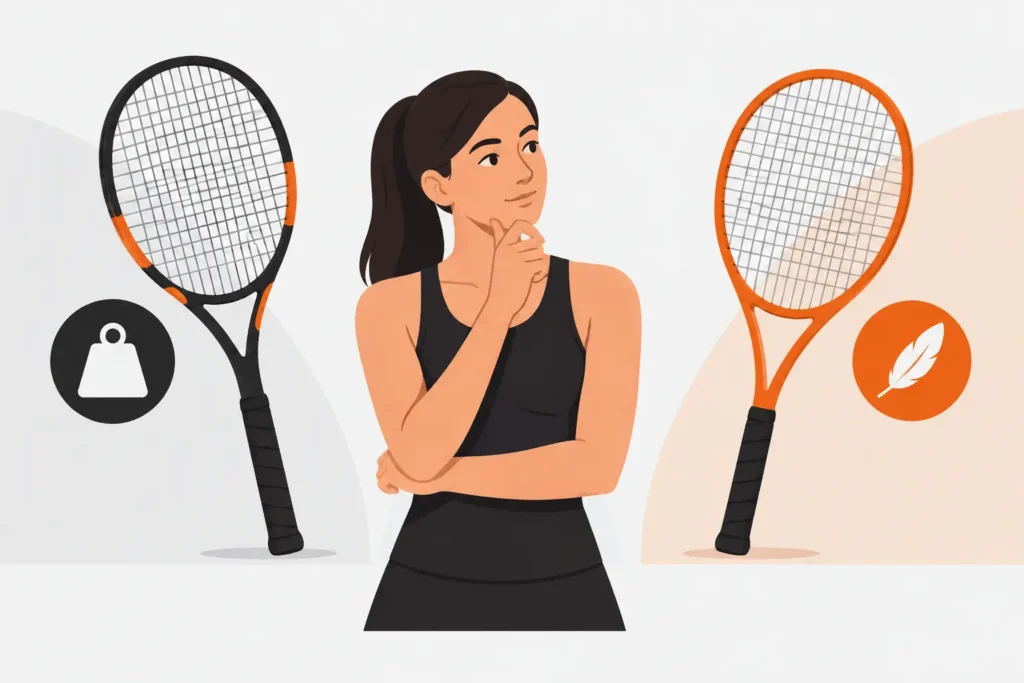
Most adult padel rackets sit roughly between 350g and 375g. A lighter racket is easier to move, especially in quick exchanges and defensive situations. It can be a sensible choice if you have arm discomfort, prefer fast hands at the net or are returning to sport after a break.
A heavier racket can provide more stability and solid contact, particularly when blocking hard shots or driving the ball. However, extra weight is not free power. If it feels slow through the air, your timing can suffer and your arm may tire during longer matches.
Balance refers to how the weight is distributed. Low-balance rackets feel nimble and controlled. Medium balance gives you an all-round response. High-balance rackets put more mass towards the head, helping attacking shots but making the racket feel heavier in play. If you are unsure, medium or low balance is usually the safer online purchase.
Do not get lost in materials and marketing terms
Carbon, fibreglass, EVA foam, 3K, 12K, 18K: these details can be helpful, but they should support your decision rather than lead it. Higher carbon numbers may suggest a firmer, more direct response, while fibreglass often feels softer and more comfortable. Yet construction varies between brands, so two rackets with similar descriptions may not feel identical.
A softer racket generally offers comfort and easier ball output. A firmer racket can feel more precise and powerful when you hit cleanly. Neither is universally better. If you value a forgiving touch and play regularly in cooler conditions, softer feel may be more enjoyable. If you like crisp feedback and hit with pace, a firmer face may suit you.
Read product descriptions for the useful facts: racket shape, balance, weight range, player level and intended style. These tell you more than a long list of proprietary technology names.
Shop by style, not just by discount
A sale price is a good reason to look twice, not a reason to buy the wrong racket. When comparing discounted models, check their original purpose. An older premium racket can be excellent value, but it may still be a demanding, attack-first model that does not suit a developing player.
Shopping by recognised brands gives you a useful starting point because each brand often has a clear range of control, hybrid and power rackets. Adidas, Babolat, Bullpadel, Head, Nox, Starvie and Wilson all offer options across different levels and budgets. Compare the specifications and intended player profile instead of assuming one brand is right for everyone.
At 7padel, the easiest route is to filter by skill level and racket type first, then compare the models that remain. This keeps the choice focused and makes it easier to spot real value rather than getting distracted by features you do not need.
Check the practical side before you pay
Online shopping is easier when you confirm the basics before placing your order. Check the listed weight range, as rackets are often supplied within a small range rather than at one exact weight. If you prefer a lighter feel, choose accordingly where that option is available.
Also consider grip. Most rackets arrive with a standard grip, but many players add one or more overgrips for comfort, sweat absorption and a better hand fit. A slightly thicker grip can improve confidence and reduce the urge to squeeze the handle too tightly.
Finally, make sure you understand delivery, returns and the money-back period. A clear return policy reduces the risk of trying a new shape or brand. It is particularly useful if you are moving from a beginner racket to your first more performance-focused model.
Add the accessories that protect your purchase
You do not need a trolley full of extras, but a few basics make a difference. Use fresh padel balls rather than worn-out tennis balls, as padel balls are designed for the game’s pace and bounce. Keep a couple of overgrips ready, especially if you play often or your hands sweat in competitive matches.
A racket protector can help guard the frame against light contact with the glass or court, although it adds a small amount of weight near the head. A cover or padel bag is also worthwhile if you travel to clubs regularly, particularly in wet or cold weather.
The best racket is not the one with the loudest specification sheet. It is the one you pick up before a match knowing it will help you play your game. Choose for where you are now, leave room to improve, and let every purchase make the next session more enjoyable.