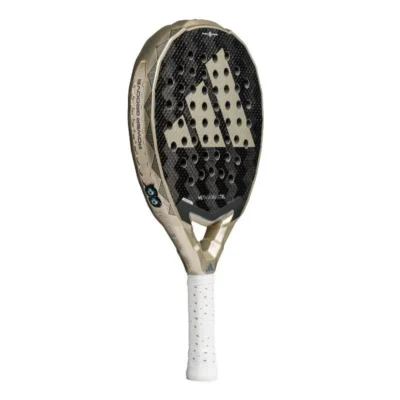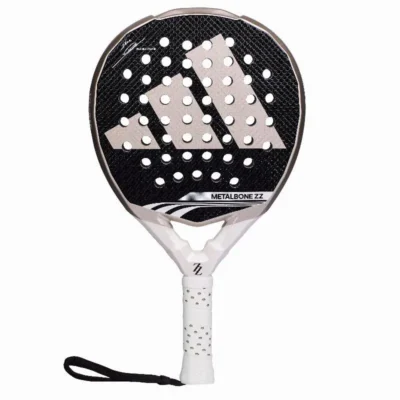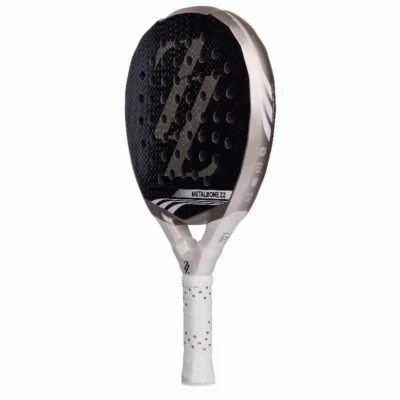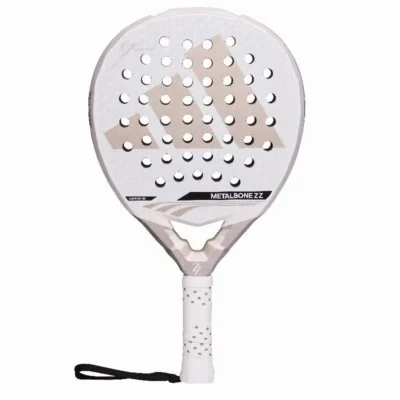
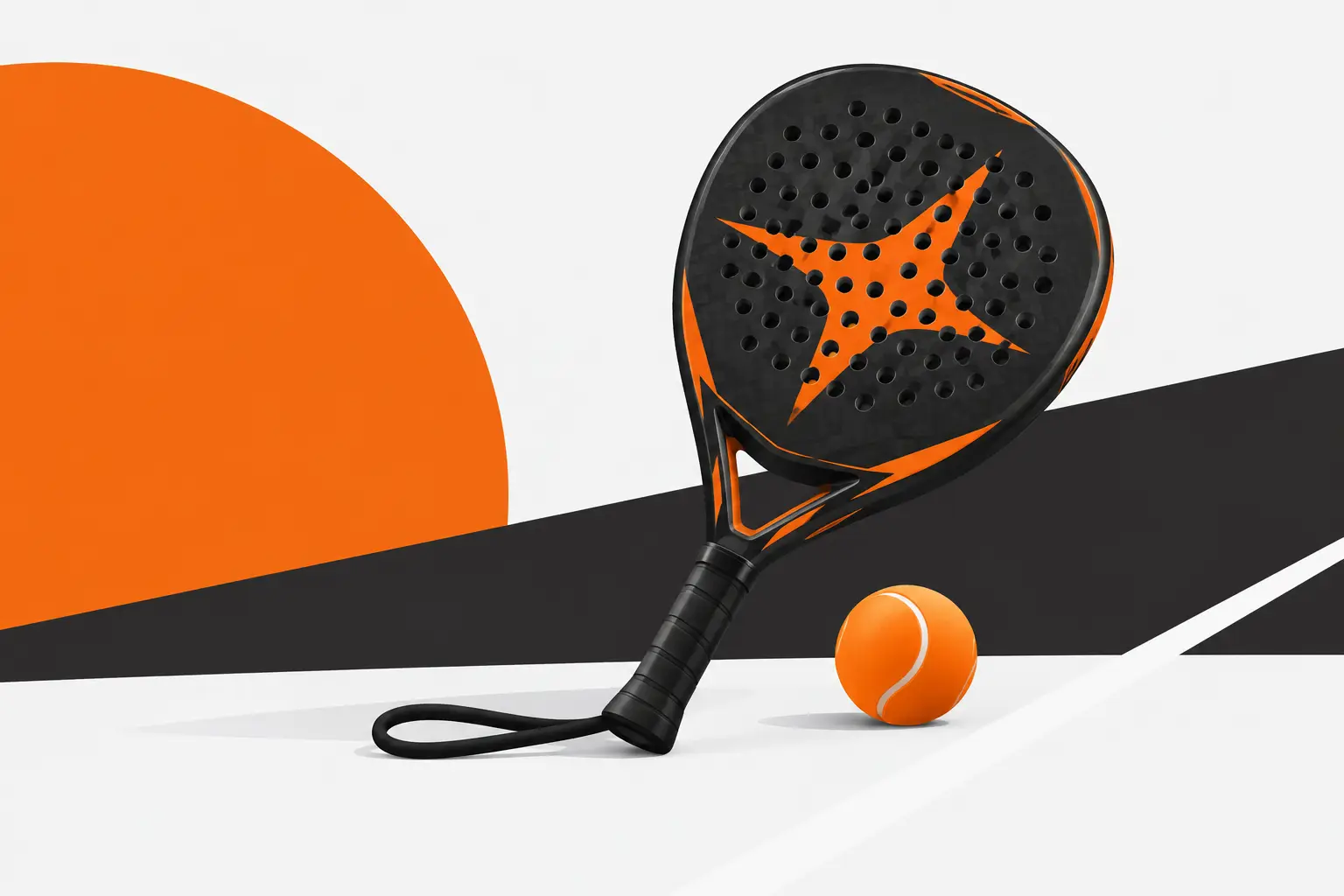
A racket can look powerful on the shelf and still feel unmanageable when the match gets tight. This Starvie Triton review focuses on the point that matters most: whether the Triton gives you the attacking punch you want without taking away the confidence to defend, volley and build the point.
The StarVie Triton range has earned its place among advanced padel players because it is built for purposeful, attacking play. It is not a forgiving beginner racket, and it does not pretend to be. Players who can generate a clean swing and like to take charge near the net will get the most from it.
Starvie Triton review: who is it for?
The Triton is best suited to advanced players and confident intermediates moving towards a more aggressive racket. Its diamond-leaning shape, firmer construction and higher balance are designed to reward players who finish points with volleys, bandejas, viboras and smashes.
If you play regularly, strike the ball cleanly and feel that a round control racket is holding back your overhead game, the Triton is a logical step up. It offers the reach and momentum that make attacking shots feel heavier, especially when you are pressing forward rather than reacting from the back of the court.
That does not mean it is only for power hitters. Players on the right side who like a firm volley and a decisive bandeja can also enjoy the Triton, provided they are comfortable handling a more head-heavy feel. The key is technique. This racket rewards preparation and timing far more than short, improvised swings.
For beginners, or anyone still working on consistent contact, a lower-balance round or hybrid model will usually be the smarter buy. The Triton can feel demanding when defending low balls or returning a fast serve late.
Shape, balance and feel on court
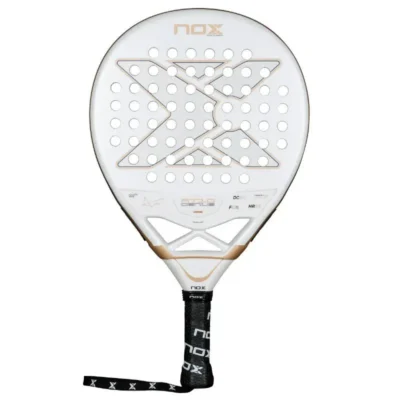
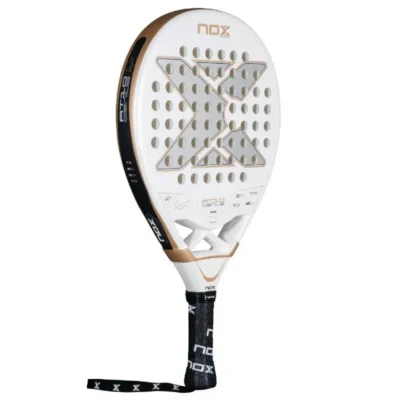
The Triton family is known for a diamond shape and a balance point towards the head. That combination gives the racket extra leverage through the ball. On an overhead, you can feel the head moving through the shot and helping create pace without needing to force every swing.
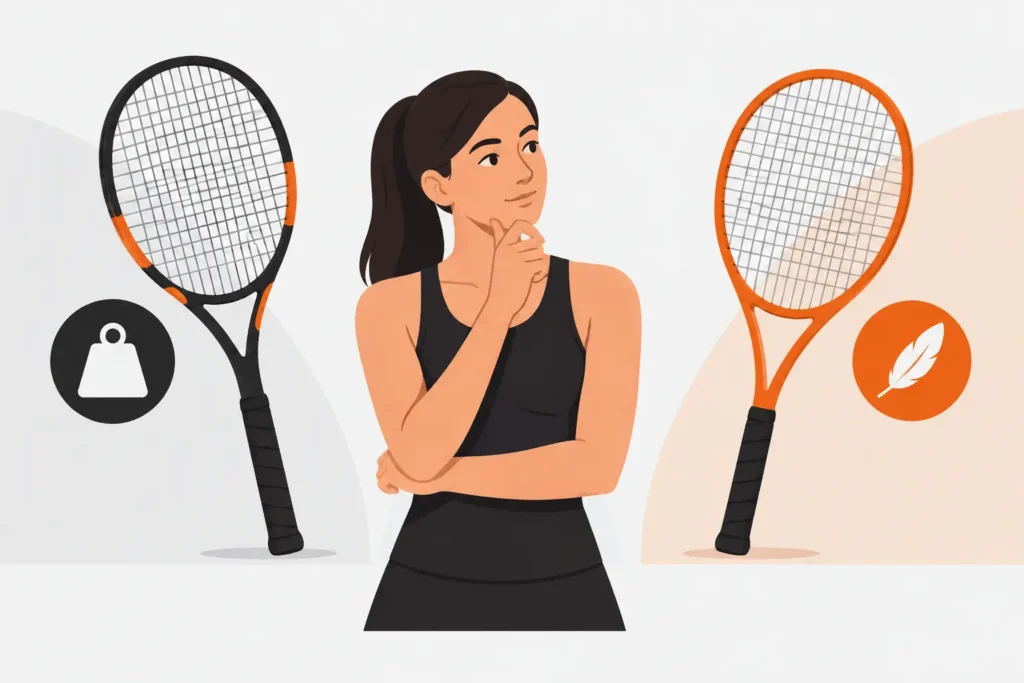
The trade-off is manoeuvrability. A head-heavy racket generally takes more effort to position quickly, particularly during fast exchanges at the net. If your game is built around lightning-quick hand battles, blocks and reflex volleys, you may need an adjustment period. Players coming from a round control racket will notice it immediately.
At the net, the Triton feels stable and assertive. Firm volleys travel with purpose, and the racket does not feel vague when you meet a hard ball in front of your body. The larger, more power-focused head also helps when putting away a high volley or attacking a loose ball near the centre.
From the back of the court, it performs best when you stay composed. With a full preparation, the racket gives good depth on lobs and powerful groundstrokes. When you are stretched wide or defending a ball close to the glass, the higher balance can make it less forgiving than a lighter, lower-balanced alternative. It is capable in defence, but it will not do all the work for you.
Power is the main event
The Triton’s strongest quality is its ability to turn good technique into meaningful attacking pressure. It is especially enjoyable for players who use the bandeja or vibora to keep opponents pinned back, then look for the short ball to finish the point.
On smashes, the extra mass in the head helps produce a more penetrating ball. Whether that becomes an easy x3, x4 or a ball that stays low after the glass depends on your technique and court conditions, not just the racket. Still, the Triton gives skilled players a useful platform for hitting with authority.
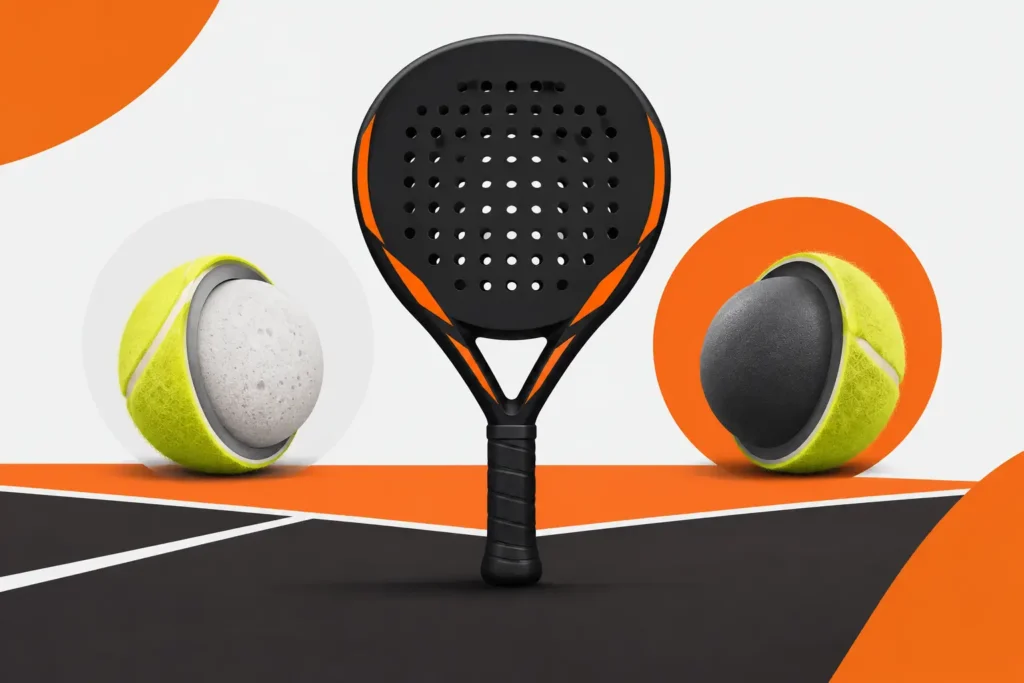
The firmer versions in the range tend to offer a sharper response. They suit players who like direct feedback and prefer the ball to leave the face quickly. Softer versions feel more comfortable at slower speeds and can offer a little more help when the contact is not perfect. Neither option is automatically better. A powerful player who values precision may prefer the firmer feel, while a player seeking easier depth could favour a softer build.
This is why it is worth checking the exact Triton edition before buying. StarVie has released different constructions and surface finishes across seasons, so details such as carbon lay-up, foam and finish can vary. The overall character remains attacking, but the feel can change enough to affect your choice.
Control and the sweet spot
Calling the Triton a power racket does not mean it lacks control. Its control comes from stability and a predictable response when you strike the centre of the face. On well-timed volleys and overheads, placement is very good. You can play deep to the corner, direct a volley at the feet or use the side walls with confidence.
The difference compared with a round racket is the margin for error. The sweet spot is typically less generous and sits higher in the head. When you catch the ball cleanly, the reward is excellent. When you contact it low on the face or late in the swing, the shot can lose accuracy and feel less comfortable.
That makes the Triton a racket for players who want to actively shape the point, rather than simply keep the ball in play. It will support touch shots, drop volleys and controlled chiquitas, but its personality is more decisive than delicate.
Comfort, durability and surface grip
StarVie rackets are widely valued for their solid, handcrafted feel, and the Triton range follows that pattern. The frame and face feel made for regular competitive play rather than occasional social matches. For players who train several times a week, that reassuring construction matters.
The firmer nature of some Triton models does mean comfort is personal. If you have a history of elbow or wrist discomfort, do not assume a powerful carbon racket will suit you just because you are an advanced player. Weight, balance, grip size and your own technique all matter. A slightly lighter option, an overgrip fitted properly or a softer racket may be the better long-term choice.
Many Triton versions also feature a textured surface intended to help players add spin. In real match play, texture can improve confidence when cutting a vibora or putting slice on a serve return, but it is not magic. Spin still comes from racket-head speed and the right brushing contact. Consider it a useful extra, not the reason to buy the racket.
Should you choose the Triton over a hybrid racket?
Choose the Triton if you already know that your best padel is played on the front foot. It makes sense for the player who wants more weight behind overheads, enjoys attacking volleys and is happy to accept a more demanding defensive feel.
A hybrid racket is often the better choice if you want a more even balance between attack and defence. It will normally turn faster in the hand, offer a friendlier sweet spot and make long matches less taxing. For many intermediate players, that all-round usability produces better results than chasing maximum power too early.
The Triton is also less suitable if your main priority is effortless comfort. There are softer, lower-balanced rackets that will be easier on the arm and more forgiving on off-centre contact. Choosing the right racket is not about buying the most aggressive model available. It is about buying the model that supports the shots you can repeat under pressure.
Final verdict
The StarVie Triton is a strong choice for ambitious and advanced players who want genuine attacking intent from their racket. It delivers power, stability and a confident response on volleys and overheads, while still giving capable players enough control to construct points properly.
Its limitations are clear too: the higher balance and more focused sweet spot demand clean technique, especially in defence. If that sounds like a challenge you are ready for rather than a compromise you want to avoid, the Triton could be the racket that helps you turn more attacking opportunities into winning points. Shop smart, choose the version that matches your preferred feel, and let your game make the decision.