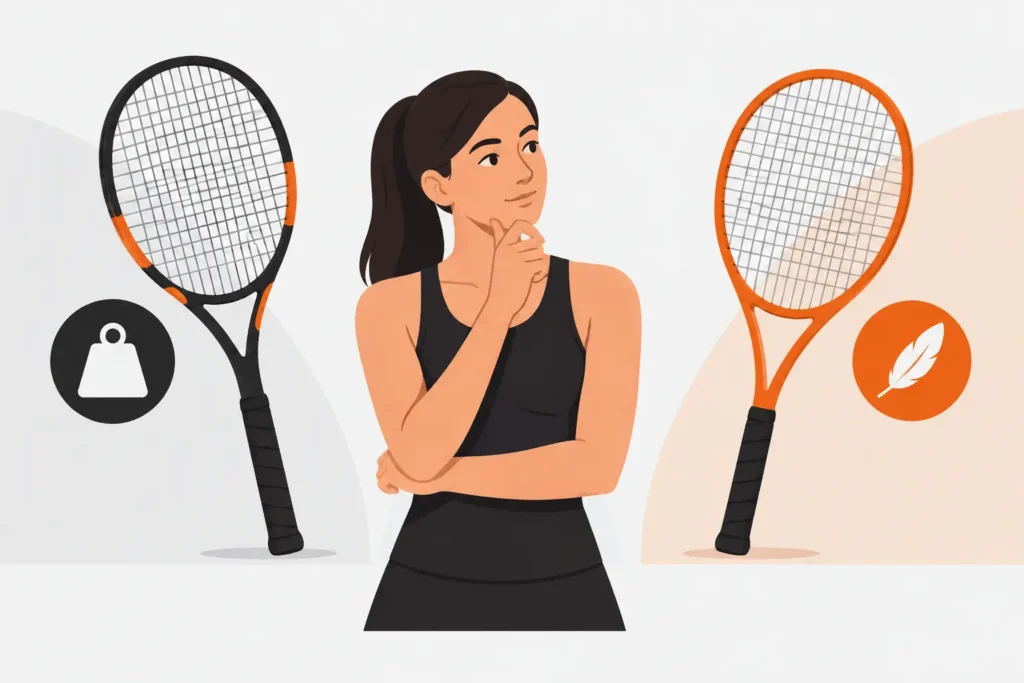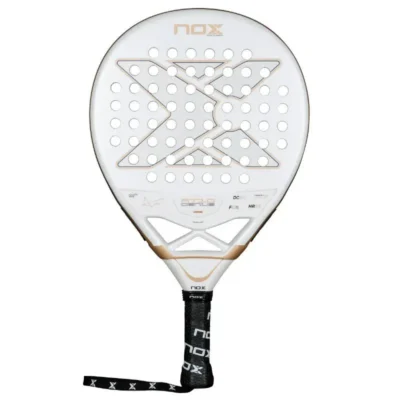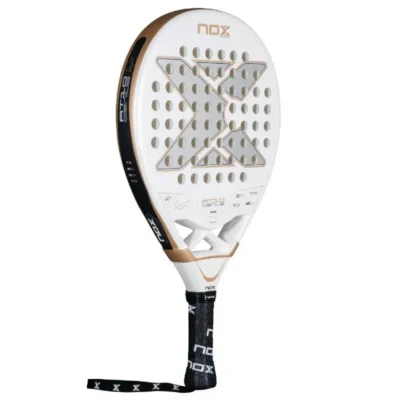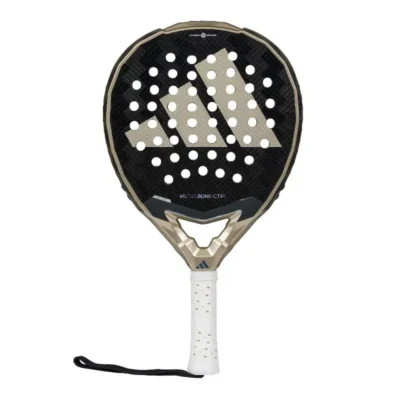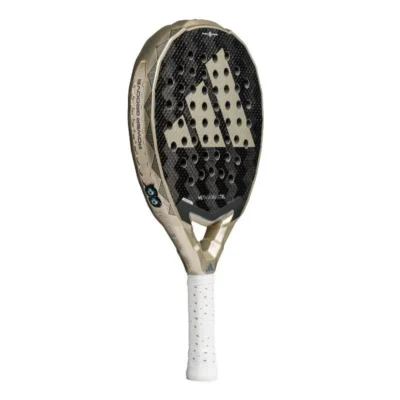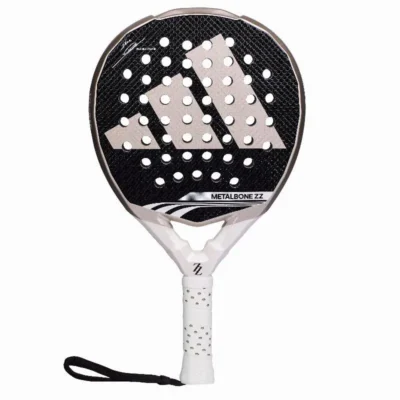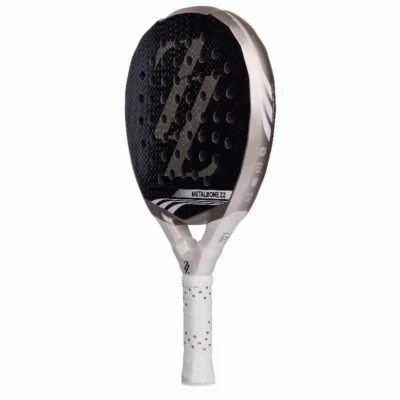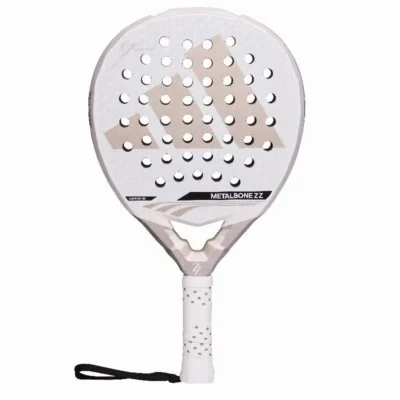
A racket can look perfect on paper, then feel completely wrong on the first cold, misty evening at your local club. When comparing soft versus hard padel cores, the difference is not just a technical detail. It changes how the ball leaves the racket, how much feedback reaches your arm and how confident you feel under pressure.
The right choice depends on more than your level. Your swing speed, preferred position on court, injury history and the type of point you want to play all matter. A soft core is not automatically for beginners, and a hard core is not automatically for advanced players. The best racket is the one that helps you hit your usual shots better, more often.
What does a padel racket core do?
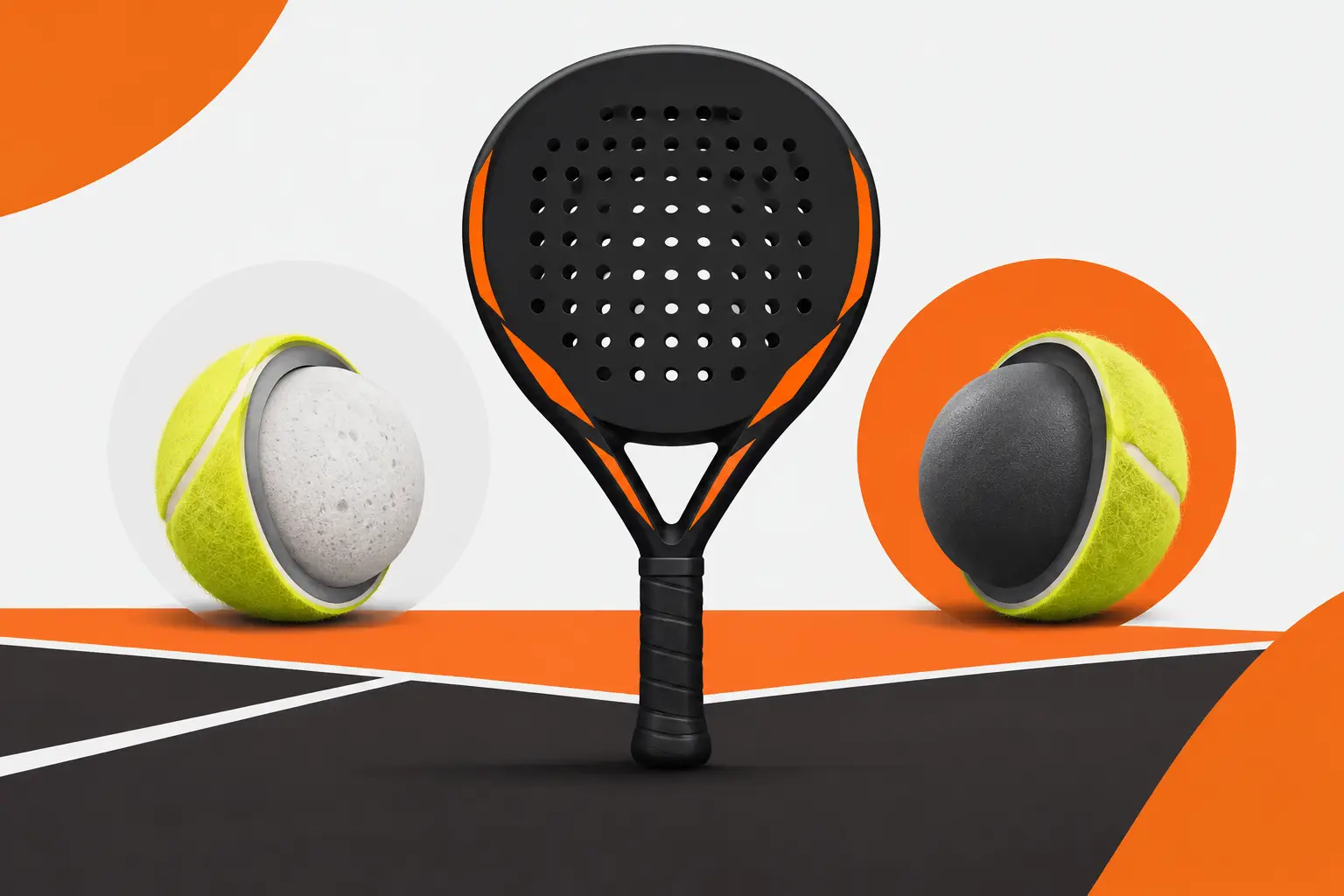
The core is the foam inside the racket, sitting between the two striking faces. Most padel rackets use EVA foam, although manufacturers develop different densities, layers and formulations to create their own feel. The core works with the face material, shape, balance and weight, so it should never be judged in isolation.
Still, it has a major influence on impact. A softer core compresses more when the ball hits the racket. This can give the ball an easier, more cushioned response. A harder core compresses less and tends to return a sharper, more direct feeling, particularly when you generate good racket-head speed.
Think of the core as the racket’s suspension. It affects comfort and response, but the final ride also depends on the rest of the build.
Soft versus hard padel cores: the real difference
A soft core generally offers a larger feeling sweet spot and more help when contact is not perfect. On slower shots, defensive returns and balls played from deep near the glass, it can feel lively without requiring a huge swing. That makes it attractive to newer players and anyone who wants an easy, forgiving racket.
Hard cores usually feel firmer and more precise. They reward a clean strike and a committed swing with a controlled, crisp response. For players who already create their own pace, this can make volleys, bandejas and attacking overheads feel more accurate. The trade-off is that off-centre hits may feel less forgiving and can send more vibration into the hand and arm.
The labels can be misleading, though. One brand’s medium-soft EVA may feel firmer than another brand’s hard foam. Carbon faces can also make a racket feel harder, while fibreglass faces often add a softer, more elastic touch. That is why it makes sense to look at the complete racket profile rather than buying on the word “soft” or “hard” alone.
Why players choose a soft core
Soft-core rackets are popular because they help make padel feel easier from the first session. The ball tends to come off the face with less effort, which is useful when your technique is still developing or when you need help generating depth from the back of the court.
More comfort on everyday shots
If you play once or twice a week, comfort can be just as valuable as maximum power. A softer core can absorb part of the impact, giving a more forgiving sensation on blocked volleys, defensive lobs and rushed returns. Players with a sensitive elbow, shoulder or wrist often prefer this gentler feel, although no racket can replace sound technique or medical advice when pain persists.
Easier access to pace
When the ball comes slowly or you are stretched wide, a soft core can provide useful rebound. You do not need to force every shot to send the ball deep. This is particularly helpful for beginners, social players and intermediates who are learning to build points rather than trying to finish them immediately.
A forgiving option for mixed play
A soft or medium-soft core often suits players who share court time between relaxed games and more competitive matches. It gives enough comfort for long sessions and enough help when timing is not quite there. For many improvers, this is the safest place to start.
There is a compromise. On very fast exchanges at the net, a soft core can feel slightly bouncy. If you hit hard and prefer to take pace off the ball with compact volleys, you may find the response less exact than you want.
Why players choose a hard core
Hard-core rackets are built for players who want a firmer connection with the ball. They generally ask more of you, but they can offer a more defined response when you are striking cleanly and playing at speed.
Greater precision when you supply the power
A harder core does not usually give you free power. Instead, it allows strong, technically sound players to put more of their own pace into the ball without the racket feeling overly springy. This is useful for firm volleys, aggressive viboras and overhead shots where placement matters as much as force.
Players who like to control the tempo at the net often enjoy the stable, direct feedback. You can feel where the ball has met the face, which makes fine adjustments easier once your technique is consistent.
A firmer response in warm conditions
Temperature changes how foam performs. In colder weather, all padel rackets can feel firmer and less responsive. A hard core may feel especially demanding during winter matches, while a soft core can become very lively in warm conditions. If you mainly play outdoors in the UK or across northern Europe, this seasonal difference is worth considering.
Better suited to confident hitters
Hard cores are usually best for experienced intermediates and advanced players who swing decisively and regularly find the centre of the face. They can also suit a developing player with naturally fast hands and a preference for a firmer feel. Skill labels are useful, but your actual game matters more.
The downside is comfort. A hard core paired with a stiff carbon face may feel excellent for an attacking player, yet tiring or unforgiving for someone who relies on defensive blocks and slower swings.
Match the core to your playing style
If your priority is control, do not assume that hard always means more control. A racket only gives control when you can handle it. For a player who struggles to generate depth, a soft core can produce more reliable length and therefore more practical control. For a player with a fast swing who finds soft rackets unpredictable, a harder core may offer better precision.
Defensive players usually benefit from a soft or medium core, especially in a round, low-balance racket. The extra rebound helps with lobs, glass returns and shots played under pressure. It can also make long rallies less demanding on the arm.
All-round players often find their best match in medium or medium-hard EVA. This category balances comfort, decent ball output and a controlled response at the net. It is a smart choice if you are improving quickly and do not want to replace your racket after a few months.
Attacking players who play forward, volley aggressively and look to finish points with overheads may prefer medium-hard or hard foam. Pair it with a teardrop or diamond shape if you want more attacking potential, but remember that higher balance adds another layer of difficulty. A very hard, high-balance racket is not the easy route to better smashes.
Do not ignore the face, shape and weight
Core choice is only one part of the buying decision. Fibreglass faces typically feel softer and provide more elastic ball output. Carbon faces tend to be firmer, more stable and better suited to players who hit with pace. A soft core with carbon faces can be a balanced setup, while a hard core with fibreglass may feel less severe than expected.
Round rackets place the sweet spot closer to the centre and usually favour control and forgiveness. Teardrop rackets are the versatile middle ground. Diamond rackets place more weight towards the head and are designed for players who can manage a more demanding, power-focused setup.
Weight matters too. A heavier racket can feel more stable but may be harder to manoeuvre and more tiring over a long match. If arm comfort is a priority, choose a manageable weight and avoid chasing a stiff specification simply because advanced players use it.
A practical way to choose
Start with the feel you need most often, not the occasional shot you wish you could hit. If you are still learning positioning, struggling for consistent depth or want a comfortable racket for regular club games, choose soft or medium-soft. If your game is becoming more settled and you want a cleaner, less springy response, medium or medium-hard is often the sensible next step.
Choose hard only when you already generate pace, make regular centre contact and genuinely enjoy a firmer hit. It should feel like a tool that sharpens your game, not a racket you have to fight for every point.
At 7padel, the simplest route is to narrow your options by level and style first, then compare the core feel alongside the racket’s shape, balance and face material. Shop smart, but trust the feedback from your own game. The racket that lets you defend calmly, volley with confidence and enjoy the next match is the one worth carrying onto court.