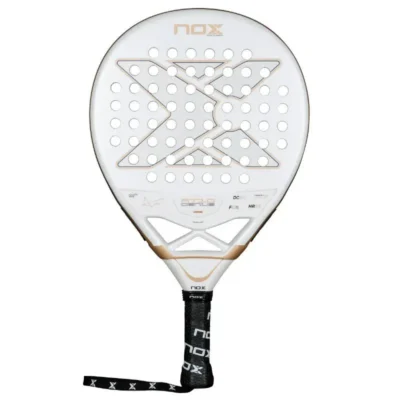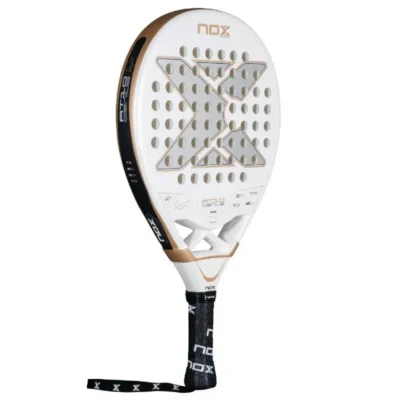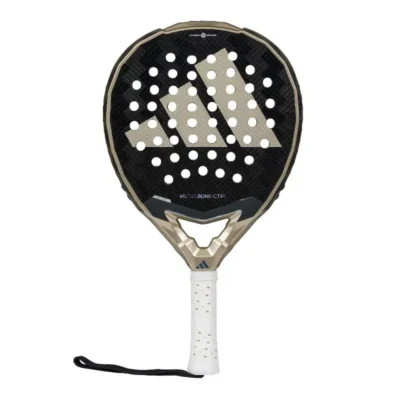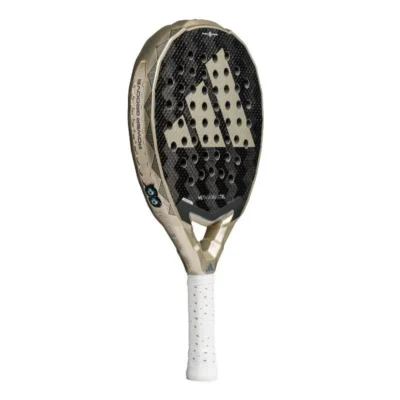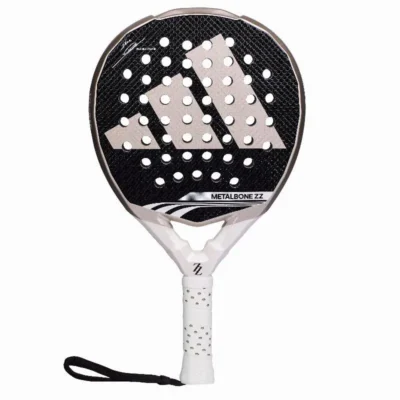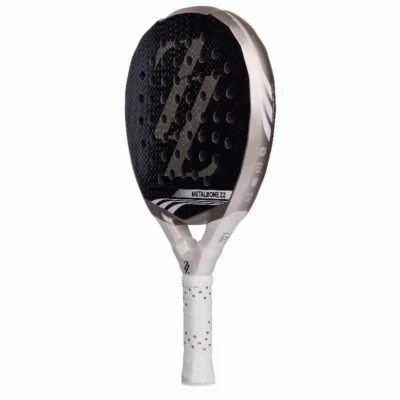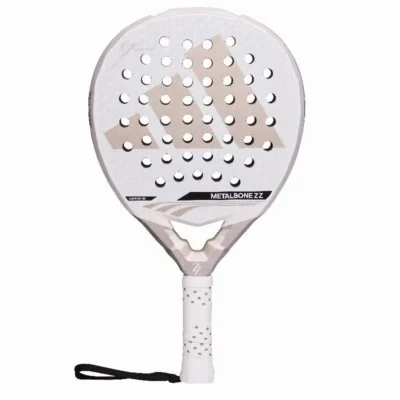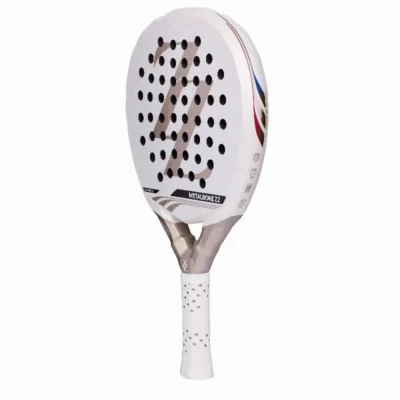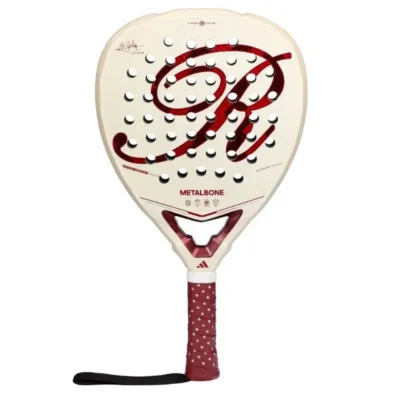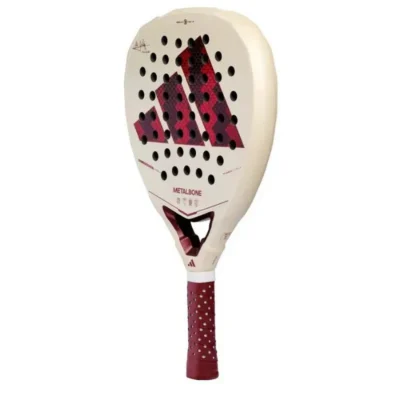
A padel racket rarely fails all at once. More often, it starts with a small crack near the frame, a softer feel at impact or a loss of the control you used to trust. Padel racket durability is not just about how long a racket stays in one piece – it is about how long it keeps playing the way you expect.
For most players, a good racket should last well beyond a few months. But the real answer depends on your level, how often you play, the materials in the racket and, most importantly, how often it meets the glass, fence or court. Here is what affects racket lifespan and how to get better value from your next purchase.
What affects padel racket durability?
Every racket takes repeated force through the face, frame and handle. A cleanly struck ball is exactly what it is designed for. The hard contact that happens during fast defensive shots, low volleys and close calls with your partner is where damage tends to begin.
The biggest factors are material, construction, playing frequency and treatment off court. A player using a racket once a week indoors can reasonably expect it to perform for years. An advanced player competing or training several times a week may notice wear much sooner, even if they never suffer a dramatic impact.
Carbon, fibreglass and the trade-off
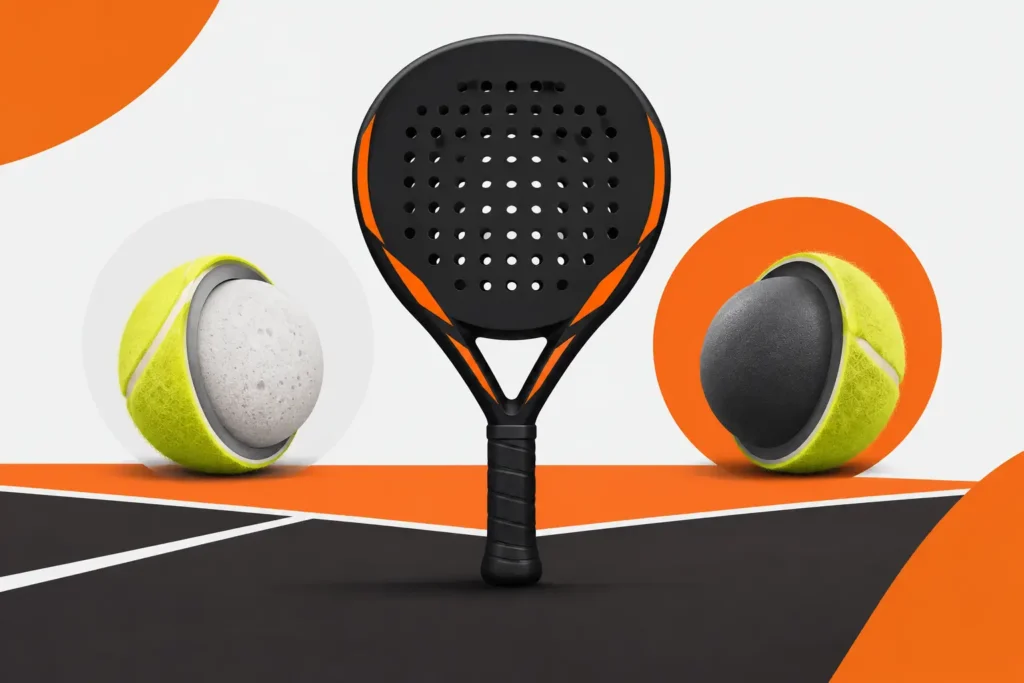
Carbon rackets are generally firmer, more responsive and better suited to players who want precision or power. High-quality carbon faces and reinforced frames can be very durable, but they are not indestructible. Their stiffness means a direct hit on the glass or metal fencing can lead to a crack rather than a simple scuff.
Fibreglass rackets usually feel softer and are often more forgiving for beginners. They can handle normal use very well, though the softer face may gradually lose its original response as it is used. This does not make fibreglass a poor choice. For a newer player, comfort, a larger sweet spot and an accessible price can matter far more than choosing the toughest possible material.
Many modern rackets combine materials to balance feel, performance and longevity. Frame reinforcement, protective edging and layered faces can all help, but no design removes the risk of impact damage.
Your playing style matters
Aggressive players naturally put more strain on a racket. Hard smashes, quick net exchanges and diving defensive shots increase the chance of clipping the court or glass. Players who favour control and placement may make fewer high-impact contacts, although anyone playing close to the walls can damage a frame.
It also depends on where you play. Outdoor courts expose equipment to changing temperatures, moisture and grit. Sand and dirt around the court can scratch the surface, while leaving a racket in a hot car can affect the foam or EVA core over time. Indoor players are not completely protected either – cold conditions can make materials less forgiving during a hard knock.
How long should a padel racket last?
There is no single number, but these ranges are useful when shopping smart:
- Casual players using a racket once a week may get two to four years of good use.
- Regular players on court two or three times a week often see one to two years of peak performance.
- Frequent advanced players and competitors may replace a racket every six to twelve months, especially when they want consistent feel and response.
- A single heavy impact can shorten any racket’s life immediately, regardless of its age or price.
These are not expiry dates. A racket can look marked up and still play brilliantly, while a racket with very little visible wear can feel flat or unstable. The key is to assess both condition and performance.
Signs your racket is wearing out
Cosmetic marks are normal. Light scratches on the frame or face do not automatically affect play, and there is no need to replace a racket simply because it no longer looks brand new. Focus instead on changes that affect safety or how the racket performs.
A visible crack is the clearest warning sign, particularly around the bridge, frame edge or face. Small cracks can spread quickly because every shot flexes the surrounding material. If you can hear rattling inside the racket, notice separation around the edge, or feel a new vibration in your hand, stop using it until you have checked it carefully.
A loss of feel can be more gradual. Perhaps the ball no longer comes off the face as predictably, your usual volleys feel dull, or the racket seems less stable on hard shots. The core can soften with use, and repeated impacts can change the face response even where there is no obvious damage.
Handle problems also deserve attention. A loose wrist strap, damaged butt cap or grip that shifts during play can affect control. Regripping is a simple fix, but structural movement in the handle is not something to ignore.
When a crack is still playable
This is one of the most common questions, and the practical answer is: it depends where the crack is and whether it is growing. A superficial paint crack may be harmless. A crack that runs through the carbon or fibreglass face is different, especially near the frame or bridge where the racket absorbs more stress.
Do not rely on tape or glue as a proper repair. It may cover the mark, but it does not restore the original structure or playing characteristics. If the damage is clearly structural, replacing the racket is usually the safer and more reliable choice.
How to make your padel racket last longer
The best protection starts before the first match. Choose a racket that matches your level and style. A very hard, head-heavy power racket can be rewarding for an experienced player, but it may be less forgiving if you are still learning wall shots and defending under pressure. A control or hybrid racket is often the sensible route for players building consistency.
Use a protective frame tape if you regularly scrape the court or play close to the glass. It will not save a racket from a major collision, but it can reduce everyday scuffs and edge wear. Replace the tape when it becomes loose, as trapped dirt and moisture can do more harm than good.
Keep your racket in a padded bag and avoid leaving it in extreme heat, freezing temperatures or damp conditions. After a wet match, dry the racket before storing it. Do not rest heavy bags on top of it, and avoid using the racket to push balls along the ground or tap the glass after a point.
Communication with your partner is another form of protection. Call middle balls early, particularly at the net. Many broken rackets come from two players committing to the same overhead, not from poor-quality equipment.
Choosing durability without sacrificing performance
Buying the most expensive racket is not automatically the best way to get a longer lifespan. A premium model can offer excellent materials and construction, but it can still crack if it hits a wall hard enough. Value comes from choosing a trusted racket that suits your game, then looking after it properly.
Beginners should prioritise comfort, control and a forgiving shape. Intermediate players may want a hybrid option that adds power without becoming difficult to handle. Advanced players can narrow their choice by balance, face material and the response they want in fast play. At 7padel, comparing recognised brands by level and racket type makes that decision simpler without turning it into a technical exercise.
Before every few sessions, give your racket a quick check in good light. Look around the edge, bridge and face, press gently for unusual movement, and listen for rattles. Catching a problem early is better than discovering it halfway through a match.
A well-chosen racket should support your progress, not become something you worry about on every point. Play hard, protect it between matches and replace it when its feel or structure tells you it is time.