A power or control racket can change how you play far more than a small difference in weight or a new overgrip. The right choice helps your natural game feel easier. The wrong one can leave you forcing volleys, mistiming overheads or wondering why your shots lack depth.
The simple answer is that control rackets favour precision and consistency, while power rackets are built to help create more speed and force. But most players should not choose based on the name alone. Your level, technique, preferred position on court and confidence under pressure all matter.
Power or Control Racket: The Core Difference
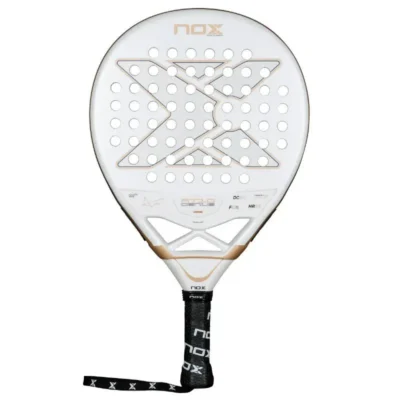
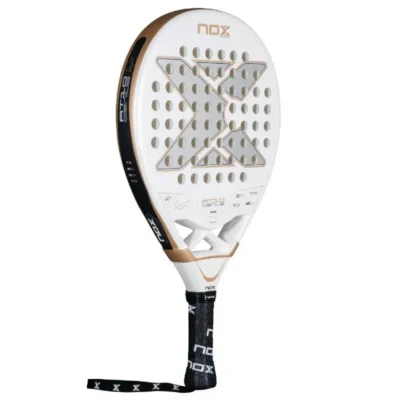
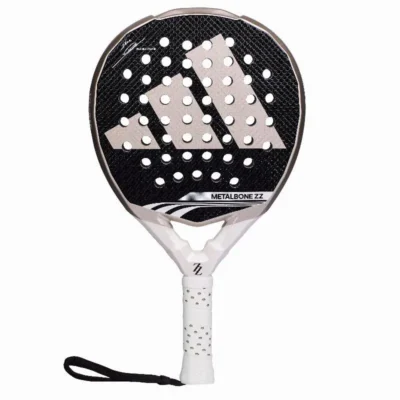
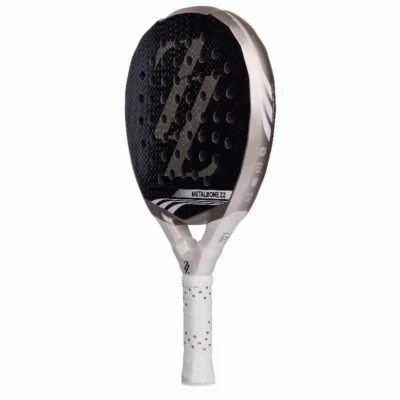
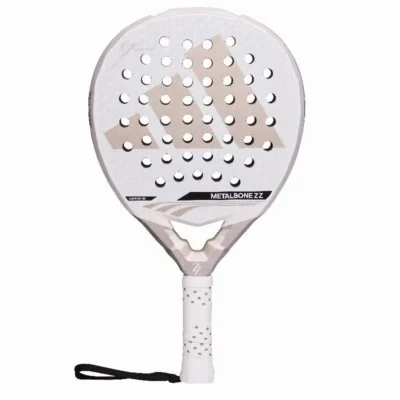
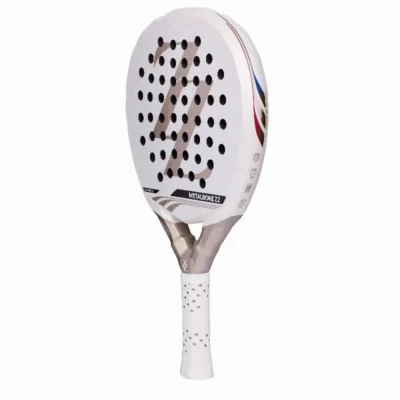
A control racket is usually round in shape, with a large central sweet spot and a lower balance. That means more of its weight sits closer to the handle. It feels easier to manoeuvre, particularly in quick exchanges at the net, when defending low balls and when placing the ball into tight spaces.
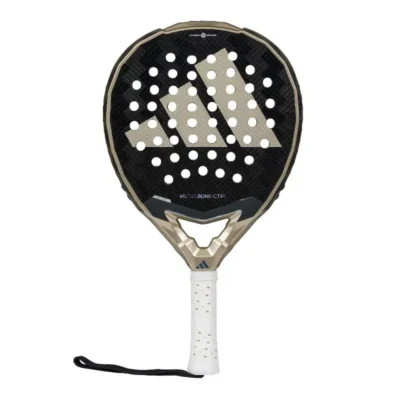
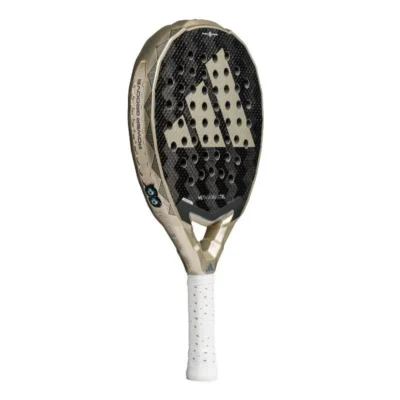
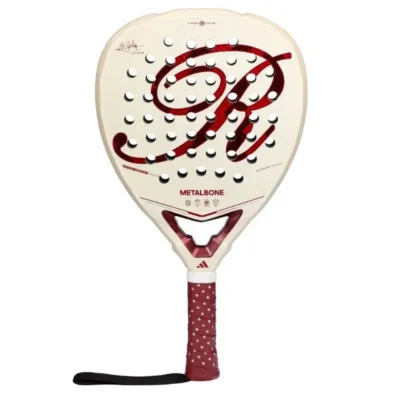
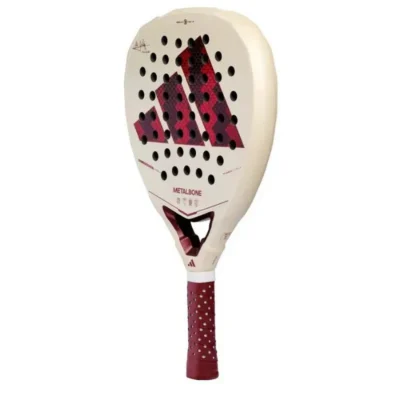
A power racket is commonly diamond-shaped, with a higher balance that puts more mass towards the top of the frame. When you strike cleanly, that design can add serious force to smashes, viboras and aggressive volleys. The trade-off is that its sweet spot is often smaller and higher up the face, so it asks more from your timing.
Neither category is automatically better. A powerful racket does not turn every player into a smash specialist, and a control model is not only for cautious players. The best racket is the one that lets you play your best shots more often without making your weaker shots harder than they need to be.
Choose Control If You Value Consistency
Control rackets are a smart starting point for beginners, improvers and players who win points through placement rather than outright speed. They give you a more forgiving response when the ball does not meet the centre of the face, which happens regularly in real matches.
If you are still building your technique, a round racket can help you learn faster. Defending from the back glass, blocking a hard volley and returning serve all become more manageable when the racket feels stable and easy to position. You can focus on reading the point instead of fighting the equipment.
Control is also valuable for experienced players. A player on the right side, for example, may prefer a manoeuvrable racket for fast volley exchanges, accurate chiquitas and controlled lobs. Many advanced players choose precision because padel rewards smart shot selection as much as raw hitting power.
Look towards a control racket if these points sound familiar: you often miss near the frame, prefer to construct points patiently, spend plenty of time defending, or want confidence in your volleys and returns. A softer feel can add comfort and easy ball output, while a firmer face may give a more direct, predictable response. Neither is universally right – it depends on what feels natural in your hand.
What to expect from a control shape
A round-shaped racket will generally feel quicker through the air and less demanding on contact. You may not get the same explosive finish on a short smash as you would from a high-balance diamond model, but you will usually gain accuracy and a wider margin for error.
That is a worthwhile exchange for most new players. Winning more points through reliable depth, well-placed lobs and fewer unforced errors is often more useful than chasing a highlight-reel winner once a set.
Choose Power If You Attack With Confidence
A power racket makes sense when you already strike the ball consistently and want more authority in attacking positions. Its higher balance can help produce greater momentum through the ball, especially above shoulder height. Players who enjoy taking the net, finishing points and putting pressure on opponents may get more from this style.
Diamond rackets are often popular with left-side players who look for chances to attack with smashes and aggressive overheads. They can also suit strong, technically sound players on either side who generate their own racket-head speed and want a more demanding, attacking feel.
The key word is consistently. If you only catch the centre of the racket occasionally, more power on perfect contact will not make up for less control on every other ball. A high-balance frame can feel slower in defensive situations and more tiring over a long match. For some players, especially those with previous elbow or shoulder discomfort, a lighter or lower-balance option may be the more sensible choice.
Power is not just about weight
It is easy to assume that a heavier racket always delivers more power. In practice, balance and construction matter just as much. A 360g racket with a high balance can feel noticeably more head-heavy than a 370g model with a low balance.
The materials in the face and frame also affect the response. Carbon constructions often feel firmer and more reactive, while softer materials can provide easier ball output and a gentler impact. A firm, high-balance racket can be very rewarding for an advanced attacker, but it can feel unforgiving for a newer player who needs help generating clean contact.
The Hybrid Option Is Often the Best Fit
You do not have to choose between two extremes. Hybrid or teardrop rackets sit between round control shapes and diamond power shapes. They commonly offer a medium balance, a generous but not oversized sweet spot, and enough punch for attacking play without becoming difficult to handle.
For many intermediate players, this is the sweet spot. You can defend with confidence, use the glass, play controlled volleys and still put real speed behind an overhead when the opportunity arrives. If your game is evolving and you are unsure whether you are a control player or a power player, a hybrid racket gives you room to develop.
This is also a practical choice if you play with different partners or regularly switch sides. Your role can change from match to match. An all-round racket will not specialise as heavily, but it will cope well with more situations.
Match the Racket to Your Level, Not Your Ambition
Everyone wants to hit a clean x3 smash. That does not mean a professional-level diamond racket is the right first purchase. Advanced rackets can have smaller sweet spots, firmer faces and higher balances that punish off-centre contact. They are designed for players who can use their performance features, not simply admire them.
Beginners are usually best served by a round, low-to-medium balance racket with a forgiving feel. It makes the early stages of padel more enjoyable and gives you a dependable platform for learning.
Intermediate players should consider whether they need more control, more attack or a balanced mix. If your defence is reliable but your overheads lack penetration, moving towards a hybrid shape may be enough. If you still struggle to control fast shots at the net, staying with a control-focused racket could improve your match results more quickly.
Advanced players can be more specific. Consider your preferred side, physical strength, overhead technique and the type of points you want to create. A powerful racket can be an excellent tool, but only when it supports your established game rather than changing it for the worse.
Test Your Decision Against Your Usual Match
Before choosing, picture a normal competitive set rather than your best five minutes on court. Do you win points by defending patiently and forcing mistakes? Do you enjoy rushing the net and finishing balls early? Are you regularly late on quick volleys? Do you leave matches with a tired arm?
Your honest answers are more useful than a label on the frame. A racket should make your common situations easier. If you play twice a week after work and want dependable performance, comfort and manoeuvrability may be more valuable than maximum power. If you compete regularly and your game revolves around overhead pressure, a more attacking model may justify the extra demand.
At 7padel, the simplest way to narrow the choice is to shop by level first, then by playing style. Start with the racket that matches the player you are now. As your technique improves, you can move towards more specialised power or control without sacrificing the enjoyment that keeps you coming back to court.