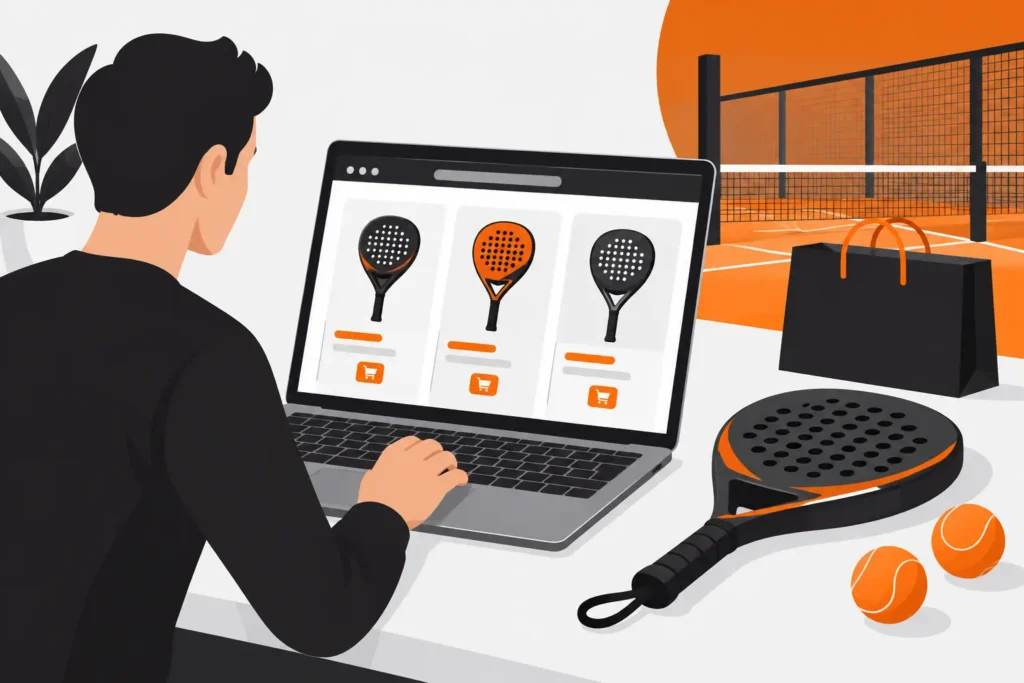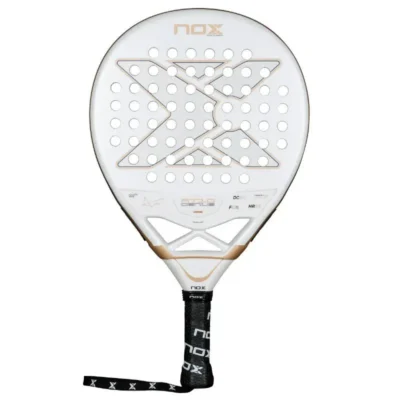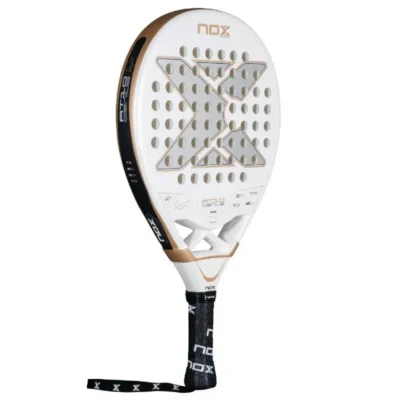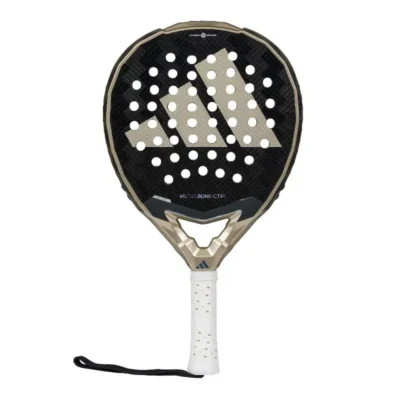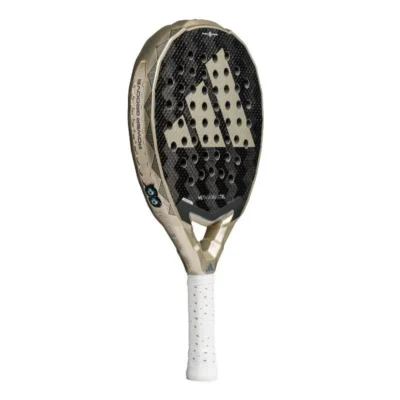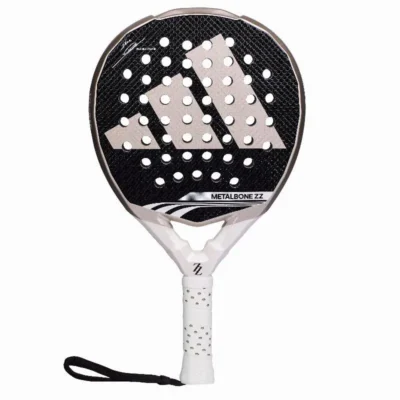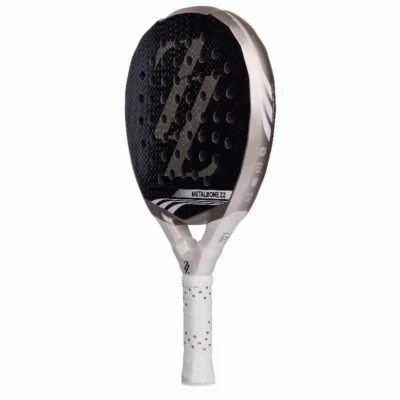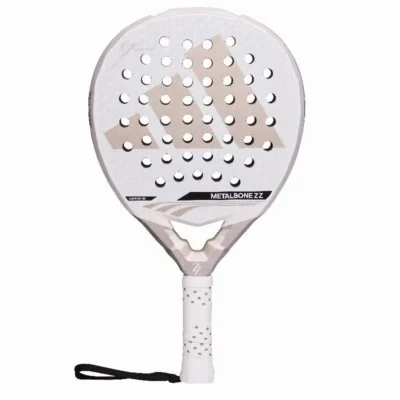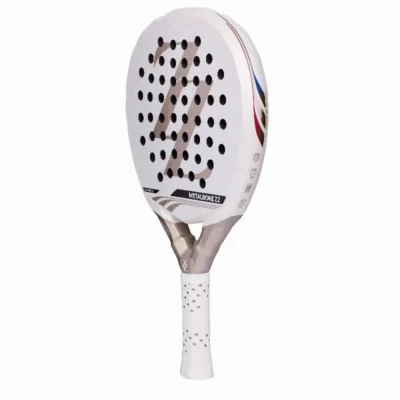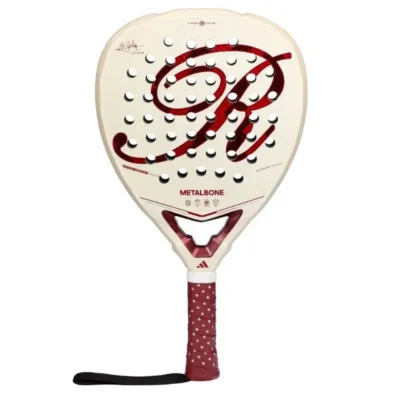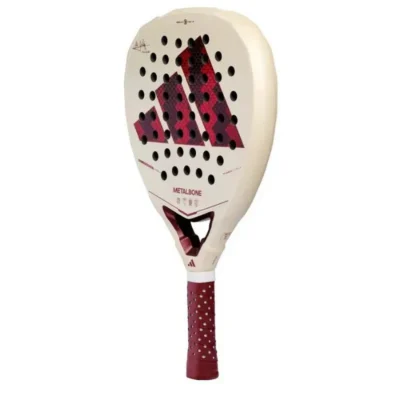
A powerful smash feels brilliant when it lands cleanly. The problem is that a racket built to produce that extra pace can make everyday padel shots less forgiving. So, can beginners use power rackets? Yes, but for most new players, they are not the easiest or quickest route to enjoying consistent padel.
A beginner’s first racket should help them get the ball over the net, find the middle of the face and build confidence at the back of the court. Power can come later. That does not mean every beginner must choose the softest, roundest racket available, but it does mean understanding what a power racket asks from your technique before you buy.
What makes a padel racket a power racket?
Power rackets are usually designed with an aggressive playing style in mind. They commonly have a diamond-shaped head, a higher balance point and a firmer feel. More of the racket’s weight sits towards the top, which can add punch to overheads, volleys and attacking shots when you strike the ball well.
The trade-off is manoeuvrability and forgiveness. A high-balance racket can feel slower to position when the ball arrives quickly. Its sweet spot is often smaller and placed higher on the face, so shots hit low or off-centre may lose control and feel less comfortable in the hand.
That is not a fault in the racket. It is simply a design made for players who can create clean contact repeatedly and want help finishing points. For someone still learning the basics, that same design can make a simple bandeja or defensive return feel unnecessarily difficult.
Can beginners use power rackets successfully?
They can, especially if they have a sporting background, good hand-eye coordination or experience with tennis, squash or badminton. A player who already understands timing and racket preparation may adapt faster than someone picking up a racket sport for the first time.
But being able to use one is different from getting the best result from one. Most beginners improve faster with a racket that offers control first. A round or teardrop-shaped racket with a low to medium balance gives you a larger sweet spot, easier handling and more help on slower, imperfect contacts.
Padel is not won by hitting every ball hard. Beginners usually gain more points by returning serve reliably, keeping the ball low, defending the glass and learning when to move forwards. A racket that feels stable and easy to place will support those skills far better than one chosen mainly for its smash potential.
There is also a comfort factor. Power-focused rackets are often firmer, although this varies by model and foam. If your technique is still developing, a firmer face can send more vibration into the arm on off-centre hits. A softer, more forgiving racket can make early sessions more enjoyable while you learn to strike cleanly.
When a power racket can make sense for a beginner
A power racket is not automatically the wrong choice if it suits how you naturally play. The key is to avoid choosing the most demanding version of one.
It may be a sensible option if you are physically strong, already attack the net confidently and prefer a firmer response. It can also suit a beginner moving across from tennis who tends to hit through the ball and enjoys generating pace. Even then, look for a lighter model or a hybrid shape rather than a very head-heavy diamond racket.
A hybrid racket is often the better middle ground. It gives more punch than a classic round control racket but remains easier to move and more forgiving than a full power model. For many ambitious beginners, this is the category that makes the most sense: enough performance to grow into, without turning every defensive shot into a test.
Weight matters as much as shape. A lighter racket is generally easier to prepare and control, particularly during long sessions or when reacting at the net. Heavier rackets can offer useful stability, but they demand more from your wrist, forearm and timing. If you are unsure, do not assume heavier means better. Choose a manageable weight that you can swing comfortably for a full match.
The risks of choosing too much power too early
The most common issue is inconsistent contact. When you are late to the ball, hit outside the sweet spot or use a short swing, a demanding racket will not hide those mistakes. You may feel as though the racket is working against you, when it is really exposing parts of your technique that need time.
A head-heavy power racket can also encourage a beginner to overhit. Instead of building rallies and waiting for the right ball to attack, players often try to finish points from awkward positions. That leads to errors, lost confidence and the idea that padel is harder than it needs to be.
There is a practical buying risk too. A premium power racket can be an exciting purchase, but it is poor value if it spends months in your bag because it does not feel comfortable. The right racket is the one you want to use every week, not the one that looks most aggressive on the court.
How to choose your first padel racket
Start by being honest about where you are now, not where you hope to be after a few months. If you are new to padel, prioritise a large sweet spot, a low or medium balance and a comfortable feel. These features make it easier to learn the game and enjoy longer rallies.
Shape is a useful shortcut. Round rackets are usually the safest choice for beginners because they favour control and have a central sweet spot. Teardrop rackets offer an all-round blend of control and power, making them a strong choice for beginners who expect to progress quickly. Diamond rackets are most often suited to experienced attacking players, though lighter and softer versions can work for confident newcomers.
Do not judge a racket by shape alone. Two diamond rackets can feel completely different depending on weight, balance, face material and core. Likewise, a teardrop racket can be more powerful than expected. Read the key specifications, but think about feel and playability rather than chasing one headline feature.
If possible, choose a model described as beginner-friendly, control-oriented or all-round. At 7padel, filtering by level and playing style is a simple way to narrow a large choice into rackets that genuinely suit your game. Recognised brands such as Adidas, Babolat, Bullpadel, Head, Nox, Starvie and Wilson all offer options across control, hybrid and power categories.
A simple rule for ambitious beginners
Choose a racket that helps you play your current game well, with a little room to improve. Do not buy a highly demanding power racket because you expect it to create attacking shots for you. Technique, positioning and shot selection create those opportunities first.
Once you can control volleys, defend comfortably off the glass and strike overheads with regular clean contact, moving towards more power becomes a natural next step. At that point, you will feel the benefit of a higher balance and firmer face rather than fighting them.
Your first racket should make you want to stay on court for one more game. Pick control and comfort as your foundation, then let power become the reward for the skills you build.