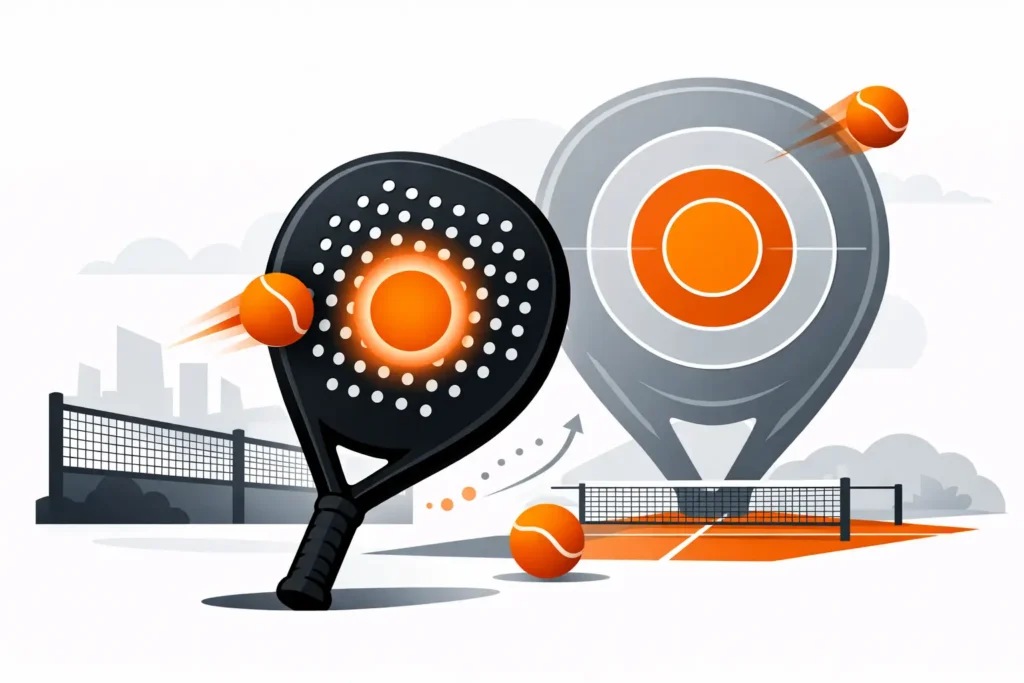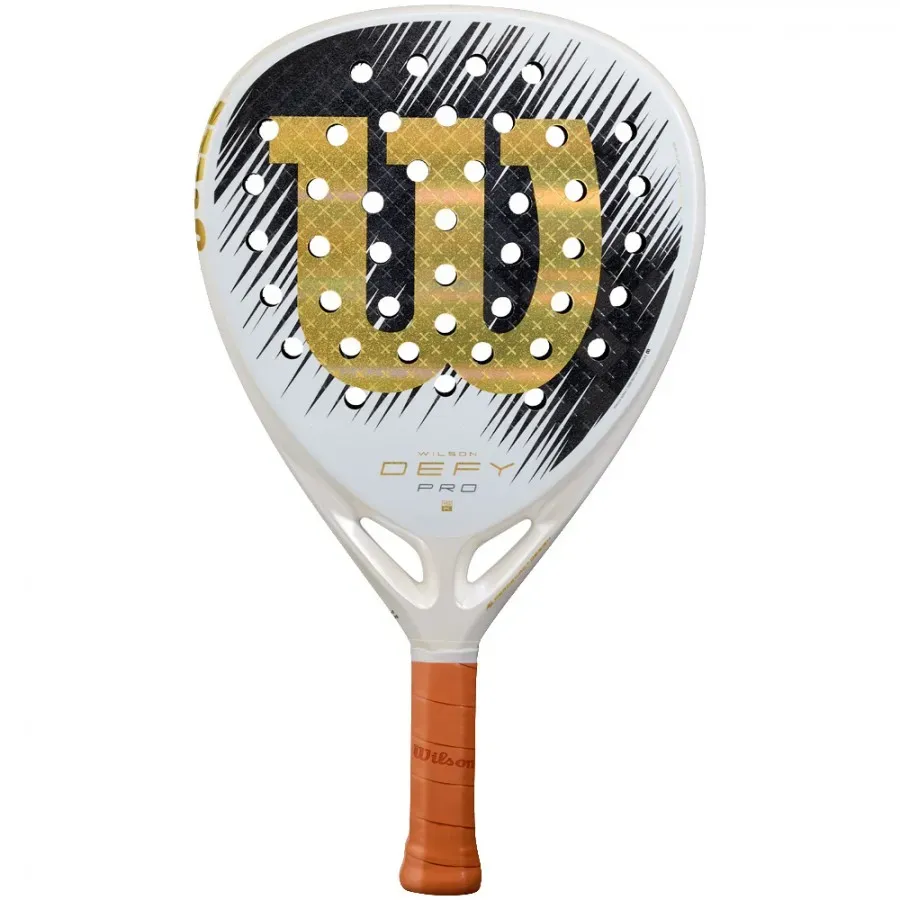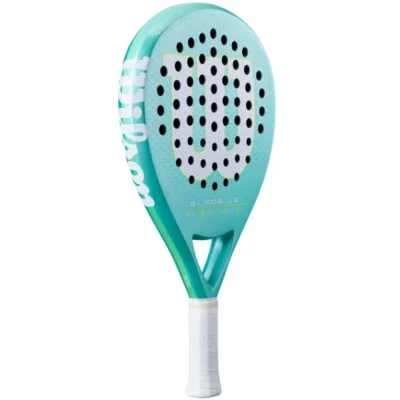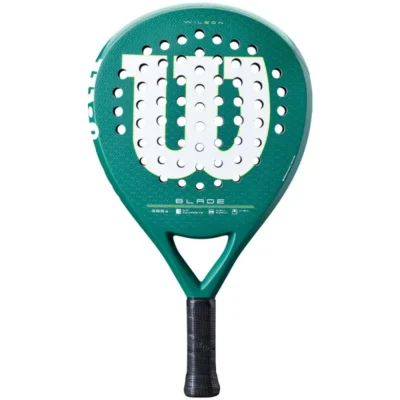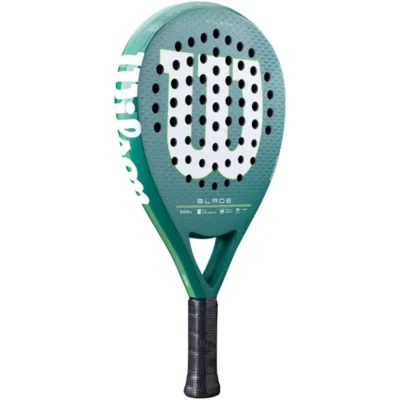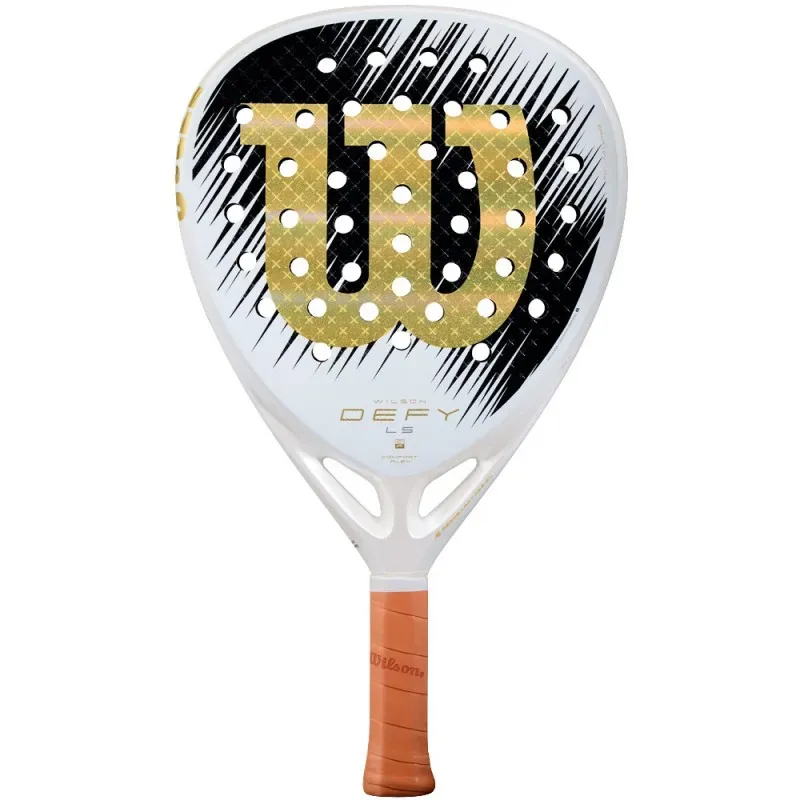
A racket gets most of the attention, but the small details often decide whether you arrive ready to play or spend the first set dealing with a slippery handle, flat balls or a missing water bottle. The right padel accessories make your kit more comfortable, protect the equipment you have paid for and keep your focus where it belongs – on the next point.
You do not need to buy every accessory at once. Start with the items you will use every session, then add the extras that suit how often you play, how much you sweat and how you travel to the court. Shop smart, play better.
Start with the padel accessories you will actually use
For most players, balls, overgrips and a practical bag are the first three purchases worth making. They solve everyday problems rather than adding unnecessary kit.
Padel balls are not an afterthought. A fresh set gives a more predictable bounce and livelier feel, helping beginners learn timing and allowing experienced players to play with more pace and control. Once balls become soft, they lose pressure and can make rallies feel slow and inconsistent. If you play regularly, keeping a spare tube in your bag prevents a good session being spoiled before it starts.
Overgrips are equally useful. The original grip on a racket is designed as a base layer, while an overgrip lets you tailor the handle feel. It adds tackiness, absorbs moisture and can make the grip fractionally thicker. That last point matters: players with larger hands, or those who prefer a secure hold on volleys and overheads, may like an extra wrap. Players who value a direct, compact feel may prefer one thin overgrip.
A padel bag keeps everything together and makes it less likely that your balls, grips and valuables end up loose in the car. You do not always need the largest model. A compact racket bag is a good fit for one or two rackets and the essentials, while a larger bag suits frequent players carrying spare clothing, shoes, towels and several tubes of balls. Choose capacity for your real routine, not for the amount of kit you might carry once a year.
Protect the racket without changing its feel
A padel racket protector is a simple strip applied around the frame, usually at the top where contact with the glass, fence or court is most likely. It can help reduce cosmetic scuffs and minor knocks, particularly for players still getting used to defending close to the wall.
There is a trade-off. A protector adds a small amount of weight to the head of the racket, which can make it feel slightly more head-heavy. For many recreational players, the difference is barely noticeable and the protection is worthwhile. For an advanced player who has carefully chosen a manoeuvrable control racket, even small changes in balance can matter. In that case, choose a light protector and apply it neatly, or accept that normal surface marks are part of playing.
Do not expect any protector to make a racket indestructible. A hard impact can still damage the frame or face. It is best treated as sensible day-to-day protection, not a guarantee.
When should you replace an overgrip?
Replace an overgrip when it feels smooth, loses its tack or becomes too damp to hold securely. For some players this is every few matches; for others it is after one intense session. Sweat, humidity and playing frequency all make a difference.
A worn grip can encourage you to squeeze the handle too tightly. That creates tension in the hand and forearm, and it rarely helps your shots. A fresh grip is one of the lowest-cost ways to improve comfort on court, so keep a few spare overgrips in your bag rather than waiting until the old one is unusable.
Comfort accessories are not just for hot weather
Padel is fast, physical and often played indoors, where air can feel warm even outside the summer months. A towel and water bottle are basic kit, but they make a bigger difference than many players expect. Dry hands improve grip security, while regular water breaks help you keep your decision-making sharp late in a set.
Wristbands can be useful if sweat runs down your arm onto the handle. They are not essential for everyone, but they are a practical choice for players who play in warm venues or naturally sweat heavily. A cap can also help outdoors, especially when serving into low sun. Pick one that is light and comfortable rather than overly structured, as you need to track lobs without distraction.
If you wear glasses, consider a secure sports strap. Chasing a bandeja towards the back glass is not the moment to adjust slipping frames. The best accessories are often the ones you stop noticing because they quietly remove an irritation from your match.
Carry the right amount of kit
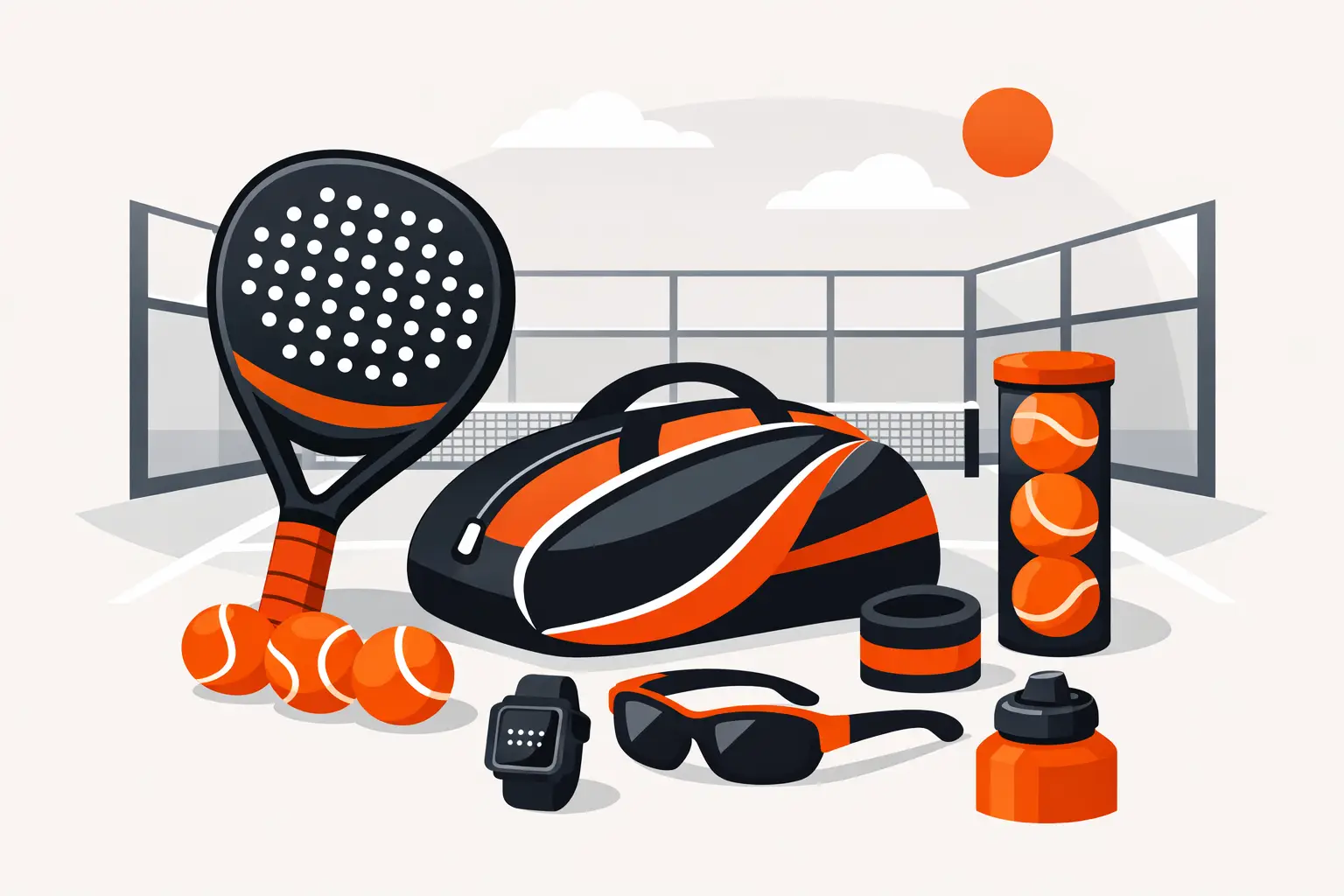
Your bag should make preparation easy, not become a storage unit for things you never use. A well-packed setup normally includes your racket, a spare overgrip, fresh balls, water, a towel and any personal essentials. Add a spare top or wristbands if you play after work, travel a long way to the club or expect a demanding session.
Players who own two rackets should carry both when possible. The second racket is useful if a grip fails, strings of poor weather affect your preferred feel, or a frame suffers accidental damage. It can also be a different style of racket: perhaps a control-focused option for steady conditions and a more powerful choice for players who want extra help finishing points.
Thermal compartments are worth considering if you leave your bag in a cold car or travel in very hot weather. They help reduce sudden temperature changes around your racket and balls. However, if you walk straight from home to an indoor court, a standard compartment may be all you need. Spend on features that match your playing habits.
Buy for your level, not for the loudest claim
Beginners benefit most from reliable basics. A few quality overgrips, fresh balls, a racket protector and a bag that fits the essentials will cover nearly every session. There is no need to build a professional-sized kit before you know what feels right in your hand.
Intermediate players often start to notice preferences. You may discover that a tackier grip helps during long rallies, that you need a larger bag for league nights, or that you get through balls more quickly than expected. This is the point to buy around your routine rather than copying another player’s setup.
Advanced players can be more selective. Balance changes, grip thickness and bag organisation may all matter because the margins are smaller. Even then, expensive is not automatically better. The right choice is the accessory that supports your game without adding fuss, weight or cost where it is not needed.
A simple match-day setup
Before leaving for court, check your grip, your ball tube and your water. Those three checks prevent most avoidable frustrations. If the grip is worn, change it before the warm-up. If the balls have been opened for weeks, take a fresh tube. If you are playing two matches, bring more water than you think you will need.
At 7padel, the aim is to make choosing equipment straightforward: recognised brands, practical options and no need to overcomplicate the decision. Build your kit gradually, choose accessories that match how you play, and let the little things make every match feel more prepared.