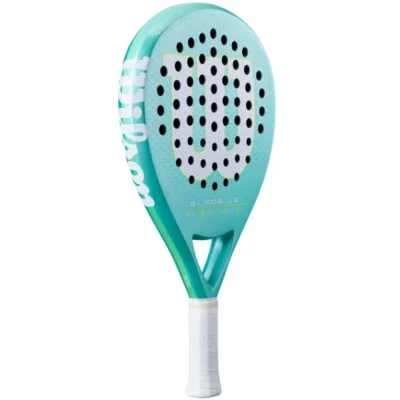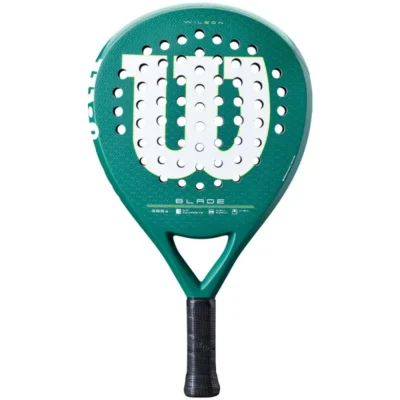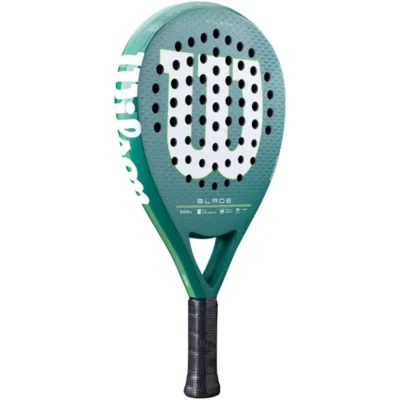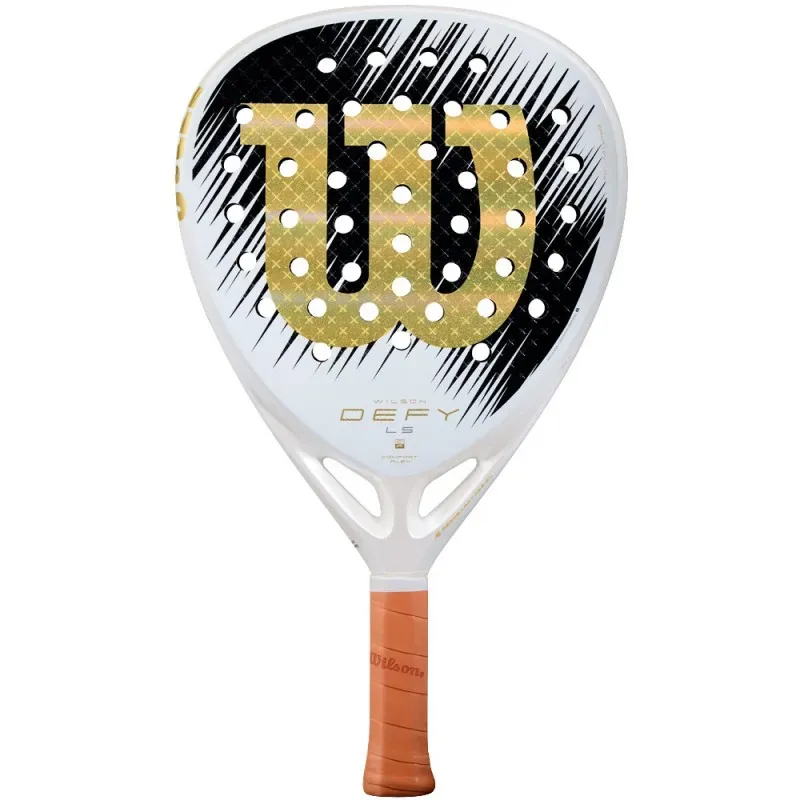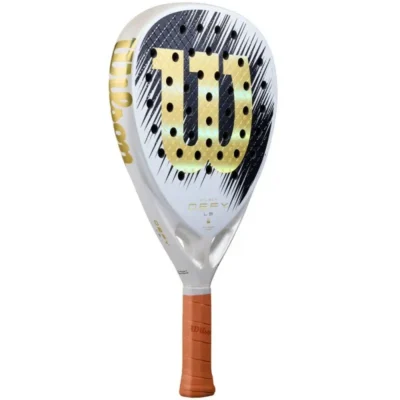
A racket can feel brilliant for one player and unforgiving for another, even when both use the same model. The reason is often not weight or appearance. It is the hitting area. Understanding padel racket sweetspots gives you a clearer way to choose a racket that suits your timing, technique and preferred style of play.
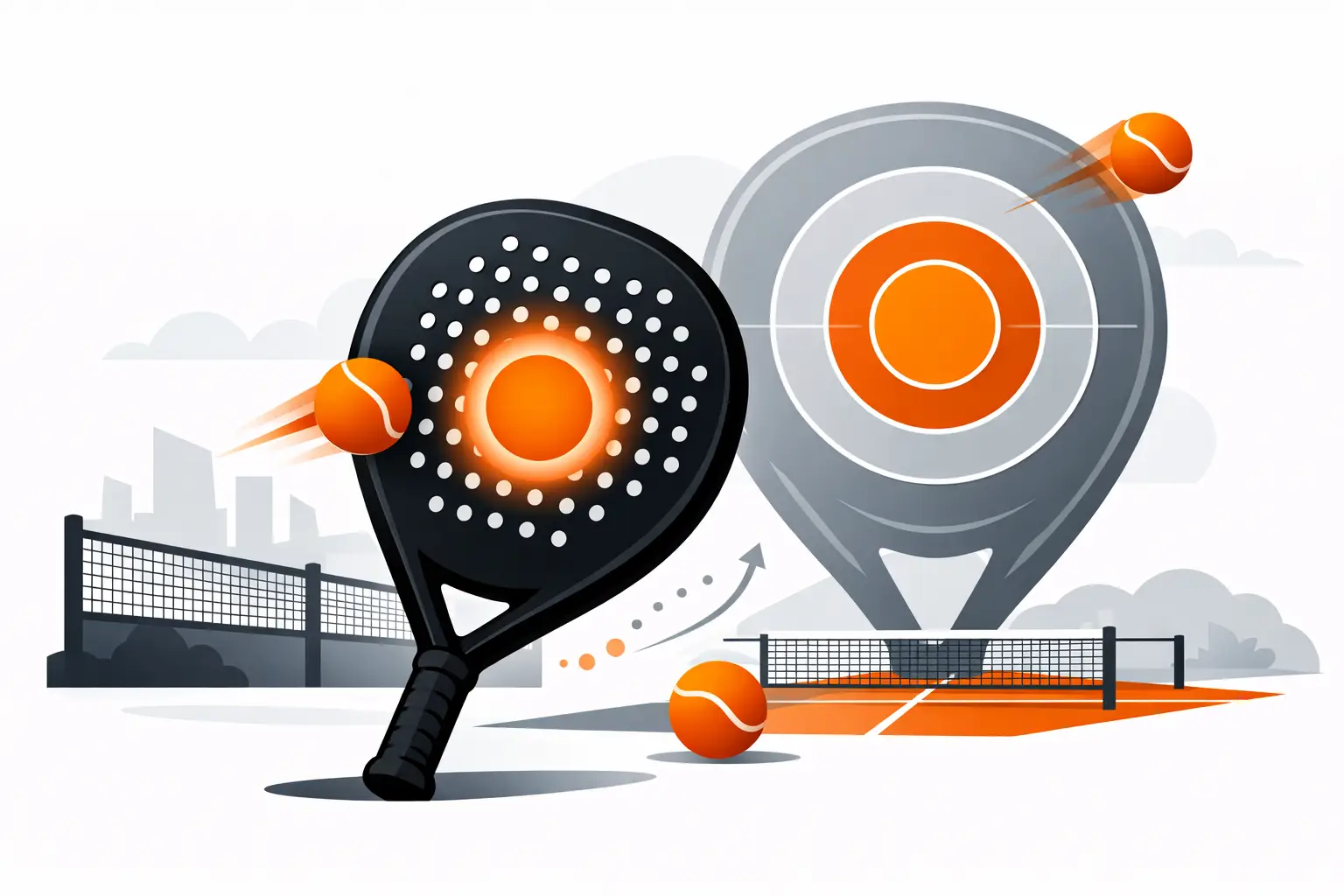
The sweetspot is the area of the racket face that produces the cleanest, most stable contact. Hit the ball there and the racket feels solid, the ball comes off predictably, and far less energy is lost through vibration. Catch it near the edge and you may feel twisting in the hand, lose control, or find the ball dropping short when you expected depth.
For players buying a new racket, this matters more than many headline specifications. A powerful-looking racket is not automatically the best option if its sweetspot is too small or too high for the way you strike the ball.
Understanding padel racket sweetspots by shape
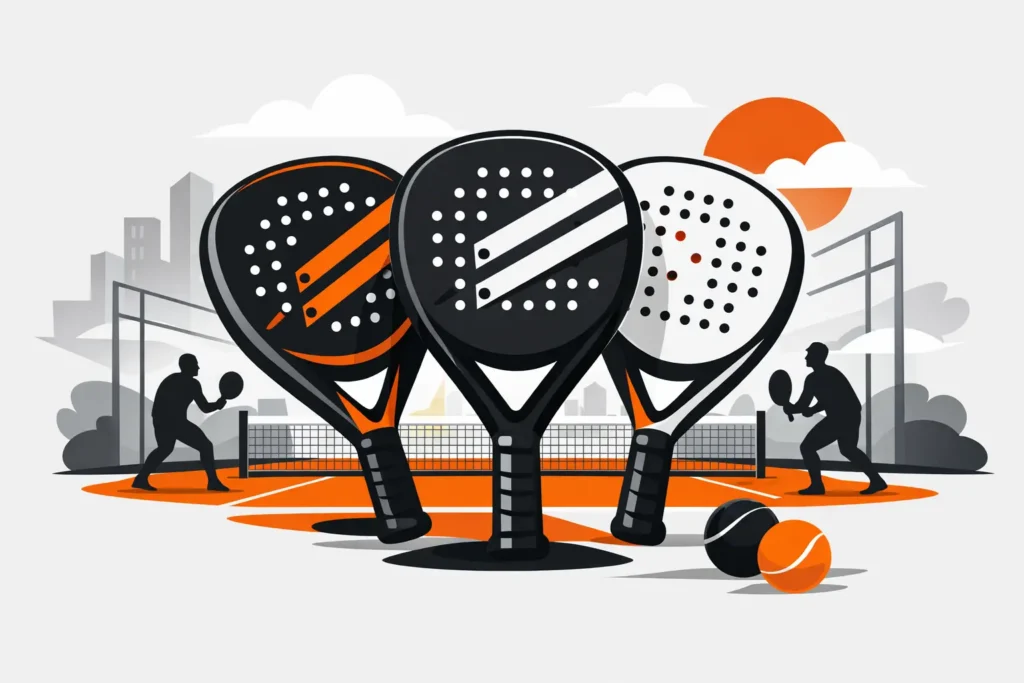
Racket shape has the biggest influence on where the sweetspot sits and how easy it is to find. There are exceptions between models, but the general patterns are useful when narrowing down your options.
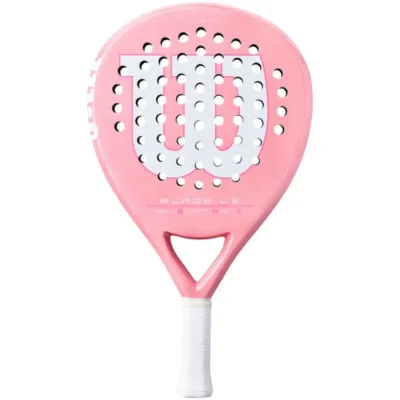
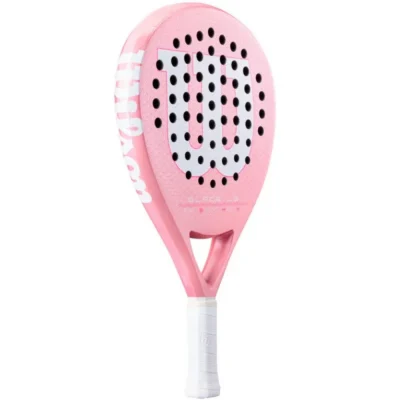
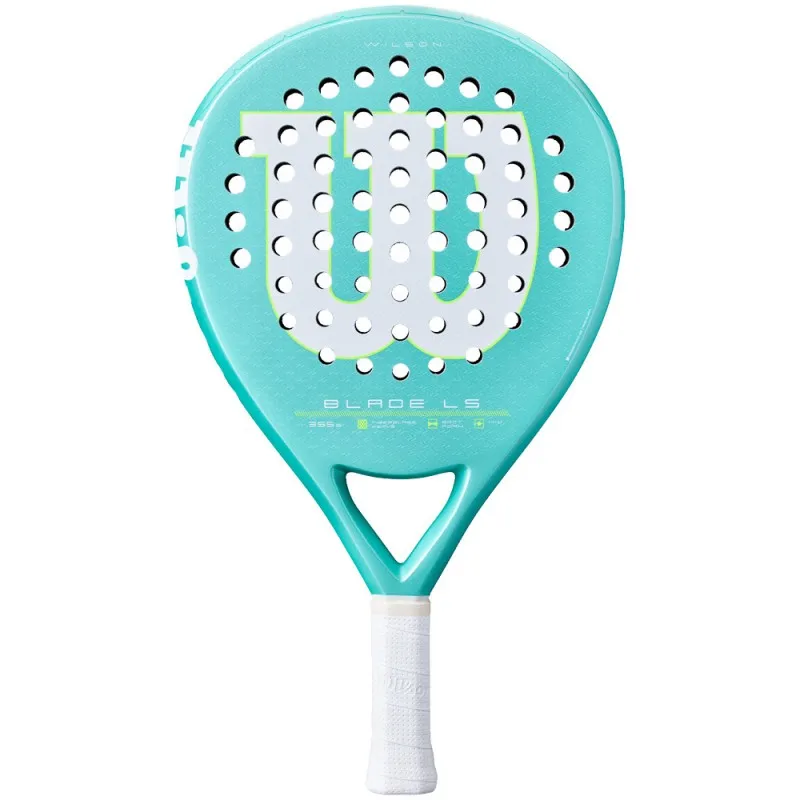
Round rackets: a bigger margin for error
Round rackets usually have a broad sweetspot positioned close to the centre of the face. This makes them stable and forgiving when contact is not perfect. If you are learning to build reliable volleys, serves, bandejas and defensive shots from the back of the court, that extra forgiveness is a genuine advantage.
A round shape does not mean you cannot attack. It means the racket tends to reward placement, patience and repeatable technique before outright easy power. For beginners, and for intermediate players who value control, it is often the most sensible place to start.
The trade-off is that the sweetspot is lower than on a diamond racket. Players who regularly strike overheads high on the face may want more help from a higher-balanced shape once their technique is ready for it.
Teardrop or hybrid rackets: the all-round option
Teardrop and hybrid rackets place the sweetspot slightly above the centre. They aim to combine a useful hitting area with more punch in attacking shots. This is why they suit so many club players: they still offer enough forgiveness for defensive play, but give more assistance when you accelerate through a volley, vibora or smash.
For an intermediate player, a hybrid shape can be a practical step up from a round racket. You gain a more attacking response without moving straight to a demanding, head-heavy racket. It is also a strong choice if your game changes from match to match – some days you build points patiently, other days you look to finish at the net.
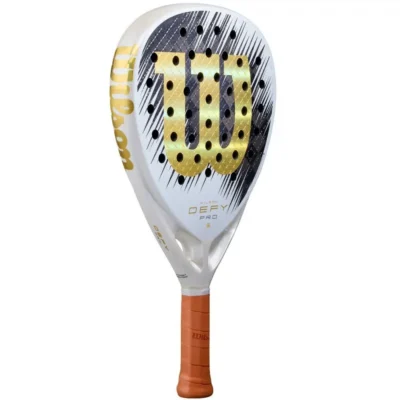
Diamond rackets: high sweetspot, high reward
Diamond rackets generally have a higher sweetspot, closer to the top of the face. That position can add leverage and speed to overhead shots, particularly for players who hit confidently above shoulder height. It is a popular shape among aggressive, advanced players who want to put pressure on opponents with volleys and smashes.
There is a clear compromise. The higher sweetspot can feel less forgiving in defence and on low balls, especially if you contact the ball below the centre of the face. A diamond racket may feel exceptional during a clean attacking session, then harder to manage when you are stretched at the back of the court.
Choose it because it matches your natural game, not simply because it looks like the racket used by a hard-hitting player on court.
Sweetspot size matters as much as position
Two rackets can have a similar sweetspot location but feel completely different on contact. The size of that usable hitting area affects how much a slightly off-centre strike is punished.
A larger sweetspot gives more consistent results across the face. It is particularly helpful when you are returning fast serves, blocking hard volleys, playing in cold conditions, or arriving late to the ball. It lets you focus on the point rather than needing perfect contact on every shot.
A smaller, more concentrated sweetspot can offer a crisp, precise response when struck well. Some experienced players prefer that direct feedback because it helps them feel exactly where they have contacted the ball. But it demands sound preparation and timing. If your strikes are frequently scattered across the face, more forgiveness will usually help your game more than a highly specialised feel.
How balance changes the way a sweetspot feels
Sweetspot and balance are closely connected, but they are not the same thing. Balance describes where the racket’s weight is distributed. A low-balanced racket feels more manoeuvrable, while a high-balanced racket puts more mass towards the head.
With more weight in the head, a racket can feel powerful when you meet the ball high and cleanly. That can complement the higher sweetspot found on many diamond designs. The downside is slower handling during quick exchanges at the net and more effort over a long match.
Low balance often makes it easier to position the racket face and react quickly. Combined with a central, generous sweetspot, it creates the stable, controlled feel that many newer players appreciate. Do not assume lower balance means weak shots. Good technique and clean contact create far more useful power than swinging a racket you cannot control.
Medium balance is the sensible middle ground. It tends to suit players who want one racket for defence, transition and attack rather than a specialist tool for one part of the court.
Foam, face material and vibration
The core and face material do not move the sweetspot as dramatically as racket shape, but they influence how large, soft or lively it feels. A softer core can make contact feel more comfortable and provide easier ball output at slower swing speeds. This can be useful for players who want help with depth from the back of the court.
A firmer core often feels more direct and can reward faster swings with sharper response. It may suit advanced players who generate their own pace and want more precise feedback. Neither is automatically better. If you struggle to get the ball deep, an overly hard racket can make padel feel like hard work. If you already hit with plenty of speed, a very soft racket may feel less precise on delicate volleys.
Face materials and surface textures also affect feedback and spin, but they should be secondary to finding the right shape, balance and sweetspot. A textured finish will not compensate for a racket that consistently feels awkward in your hand.
Find the sweetspot that fits your game
Think about the shots you play most often, not just the shots you want to hit. If you are developing your technique, defend regularly and want dependable control, look for a round racket with a central, forgiving sweetspot. If you are comfortable in all areas of the court and want extra attacking potential, a teardrop or hybrid shape is a smart fit.
If your game is built around taking the net, hitting forceful volleys and finishing points overhead, a diamond racket may suit you. Be honest about contact quality, though. The right advanced racket should make your best shots better without making your ordinary shots unnecessarily difficult.
It is also worth considering racket weight alongside sweetspot placement. A slightly lighter racket with a generous sweetspot can be easier to use late in a match than a heavier, head-balanced model. Players managing elbow or shoulder discomfort should usually prioritise comfort, manoeuvrability and clean contact over maximum power.
A quick on-court test
When trying a racket, do not judge it only by a few big smashes. Start with gentle rallies and volleys. Notice whether the ball leaves the face consistently when you are not perfectly set. Then test defensive blocks, low volleys, bandejas and overheads. These shots reveal whether the sweetspot works with your real game.
Pay attention to vibration and twisting on off-centre contact. Some feedback is normal, but a racket should not feel unstable every time the ball lands slightly away from the middle. If it does, a larger sweetspot or lower balance may be the better match.
The best racket is not the one with the most aggressive shape or the highest price. It is the one that helps you strike more clean balls, more often. Shop smart, choose the sweetspot that supports your current level, and let your confidence grow point by point.