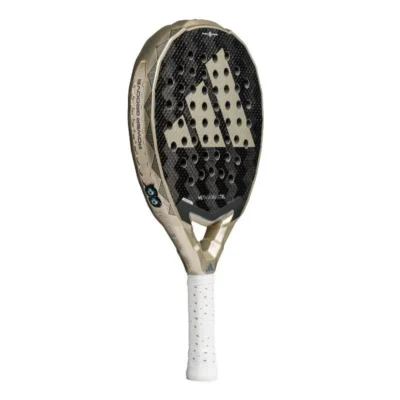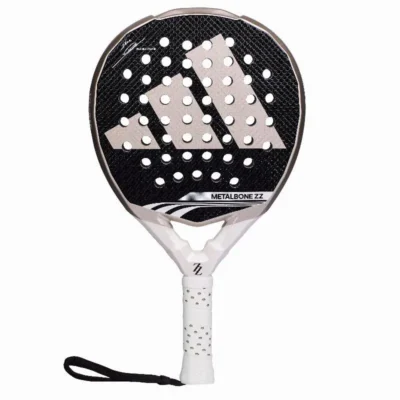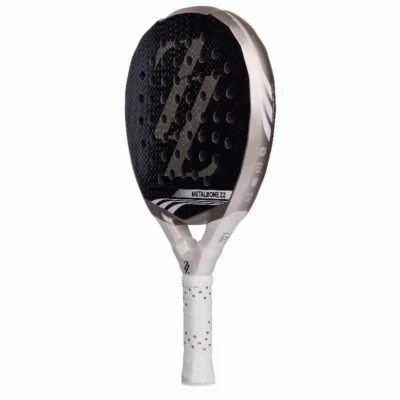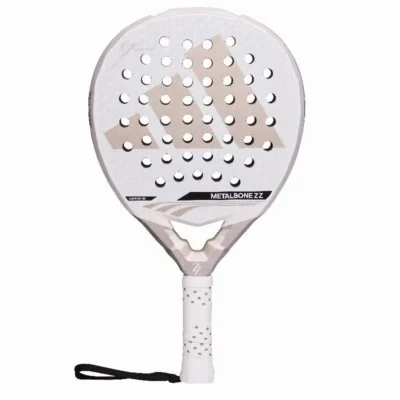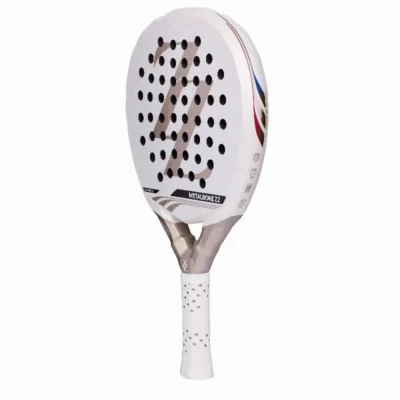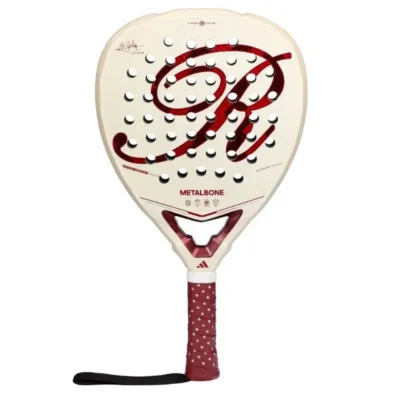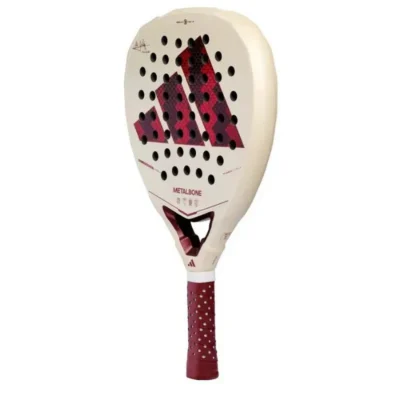

A £70 padel racket can be excellent value. A £220 racket can be a poor buy. The difference is not the logo on the face or the size of the discount. To understand how to spot racket value, look at what the racket gives back to your game: confidence on contact, comfort over a full match, durability, and a shape and balance you can actually use.
The best-value racket is rarely the most expensive model. It is the one that suits your level, supports the shots you play most often, and lasts long enough to justify the price. Shop smart, play better starts with knowing what you are paying for.
How to spot racket value in padel
Start by separating price from value. Price is the amount you pay at checkout. Value is the mix of performance, quality and suitability you receive for that amount. A beginner who buys an advanced, diamond-shaped carbon racket may get premium materials, but not premium value. If it feels hard to control and punishes off-centre contact, it will make learning more difficult.
Equally, a low-priced racket is not automatically a bargain. Very basic construction, a narrow sweet spot or poor vibration control can leave you replacing it sooner than planned. Good value sits in the middle: enough quality to feel reliable, with performance that matches the player holding it.
Begin with your actual level
Be honest about where you are now, not where you hope to be in six months. Beginners usually get more value from a round or forgiving hybrid racket with a large sweet spot, a softer feel and easy manoeuvrability. These rackets help you return more balls, build technique and enjoy longer rallies.
Intermediate players often benefit from a step up in materials and a more defined balance. At this stage, you may know whether you want extra control at the back of the court, quicker handling at the net, or more help generating attacking pace. A versatile hybrid racket is frequently the strongest value choice because it can handle all three jobs well.
Advanced players can justify paying more when a racket delivers a specific performance advantage. That might be a firmer face for direct response, a higher balance for overhead power, or a more precise feel for aggressive volleys. But even experienced players should not pay extra for features they do not use.
Shape tells you where the value lies
Racket shape affects playability more than many shoppers expect. It is one of the quickest ways to narrow down a sensible choice.
Round rackets place the sweet spot closer to the centre of the face. They are typically easier to control and more forgiving when you do not strike the ball perfectly. For new players and control-focused players, this can be real value rather than a compromise.
Teardrop or hybrid rackets balance control and power. They suit players who want a reliable racket for defending, building points and finishing when the opportunity appears. If you play once or twice a week and want one racket that can grow with you, this category is often worth close attention.
Diamond rackets usually have a higher sweet spot and more head-heavy feel. They can reward strong technique with greater attacking output, especially on smashes and overheads. The trade-off is less forgiveness and potentially more effort during fast exchanges. Choose this shape because it fits your game, not because it looks like the racket used by a tournament player.
Look beyond the headline material
Brands often highlight carbon, fibreglass, EVA foam and surface technologies. Those details matter, but the label alone does not tell you whether a racket is good value.
Fibreglass faces tend to offer a softer, more comfortable response and are commonly found in beginner-friendly or affordable rackets. They can be a great choice for players who want easy power and a gentler feel. Carbon faces are generally firmer and more durable, giving a crisper response and potentially more precision. Different carbon grades can change feel, but paying for a higher number or more technical name only makes sense if you notice and benefit from that response.
The core is just as relevant. A softer foam can make it easier to generate pace at slower swing speeds and can feel more comfortable on defensive shots. A firmer core offers a quicker, more controlled response for players who hit with confidence. Neither is automatically better. A soft racket that helps you place the ball consistently has more value than a hard racket that feels dead in your hand.
Weight and balance can save you a costly mistake
Most adult padel rackets sit roughly between 350g and 375g, but two rackets at the same weight can feel very different. Balance changes everything. A head-heavy racket puts more mass towards the top, which can add force to attacking shots but may feel slower through quick volleys and defensive reactions. A low-balance racket is easier to manoeuvre and usually more comfortable for long sessions.
If you have had elbow, wrist or shoulder discomfort, do not treat weight as a minor specification. A manageable racket with good vibration absorption can offer far better value than a powerful model that leaves you sore after two matches. Where possible, choose a sensible weight for your build and fitness, then let balance decide whether the racket feels naturally quick or powerful.
Grip size also matters. Most padel rackets use a standard handle size, adjusted with overgrips. A comfortable grip gives you better control and reduces the temptation to squeeze the handle too tightly. It is a small detail, but one that affects every shot.
Judge discounts with a clear head
A sale price is useful only when the original product was right for you. Previous-season rackets can be among the best buys in padel because brands often update cosmetics or make small specification changes while the core performance remains very strong. If the shape, weight range and materials fit your needs, last season’s model can offer excellent value.
Do not compare discounts alone. Compare the final price against what you need from the racket. A 40% reduction on a demanding racket you will not enjoy is not a saving. A smaller reduction on a racket that suits your level and includes trusted construction may be the better purchase.
Recognised brands also bring practical value. Brands such as Adidas, Babolat, Bullpadel, Head, Nox, Starvie and Wilson make rackets across different player levels and playing styles. That range makes it easier to compare like for like: a control-focused round racket against another control-focused round racket, rather than getting distracted by marketing claims.
Check build quality and expected lifespan
A racket should feel solid, with a clean finish around the frame and no obvious irregularities in the face or edge protector. Cosmetic marks are not always a problem, but cracks, soft spots or separation around the frame are warning signs. If you are considering a used racket, inspect it carefully and ask how often it has been played with and whether it has suffered contact with glass, fencing or the court.
Durability depends on how you play as well as how the racket is made. Frequent players, powerful hitters and anyone who regularly scrapes the court may get through rackets faster. A frame protector can help reduce cosmetic damage, although it adds a little weight and can alter the balance. That may be worthwhile for a racket you plan to keep for several seasons.
Think about cost per match, not just checkout price
A useful way to judge value is to consider how often you will play. A £160 racket that stays comfortable and reliable for 80 matches costs £2 per match before you account for the enjoyment and performance it provides. A £90 racket that you outgrow quickly or replace after 25 matches costs more than it first appeared to.
This does not mean everyone should spend more. If you play occasionally, a forgiving entry-level racket may be exactly the right purchase. If you play weekly and are developing quickly, paying a little more for better materials, comfort and a versatile shape can make better financial sense.
Before buying, ask yourself three direct questions: does this racket fit my current level, does its shape and balance support my usual game, and would I still choose it if the discount label disappeared? If the answer is yes, you are close to a smart decision.
A good racket should not make you work around its weaknesses. Choose one that makes the next ball feel simpler, whether you are learning your first volley or looking to put away the decisive smash. That is the kind of value worth taking onto court.