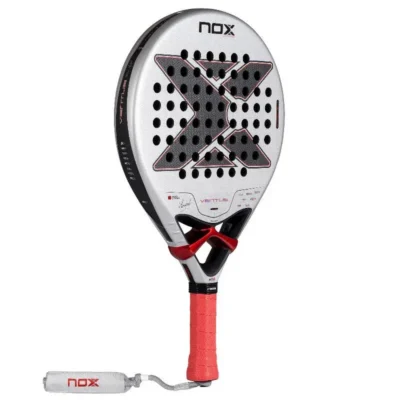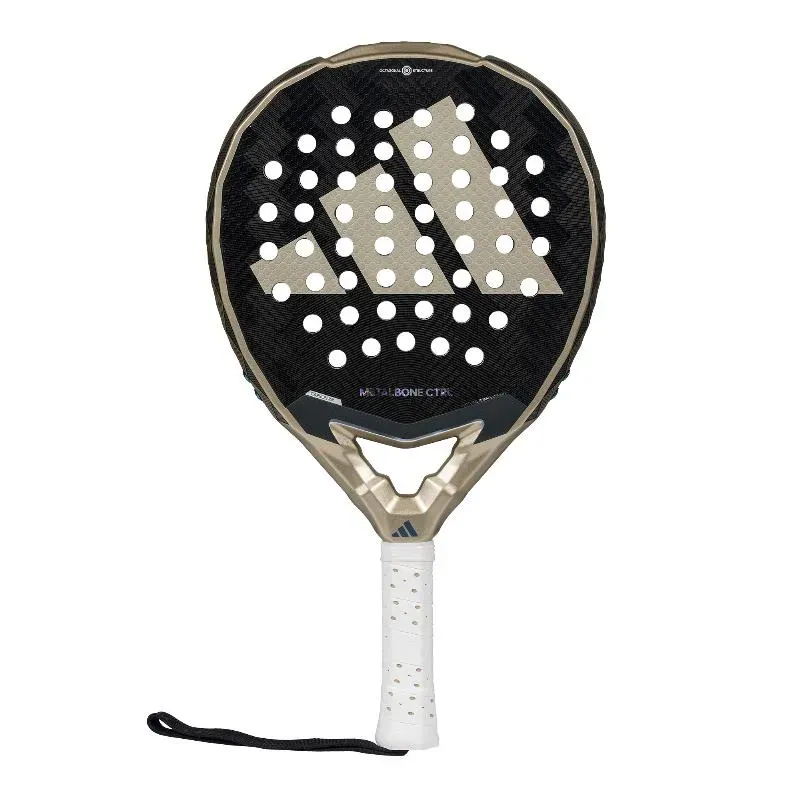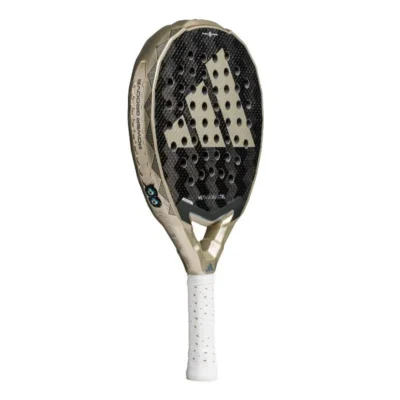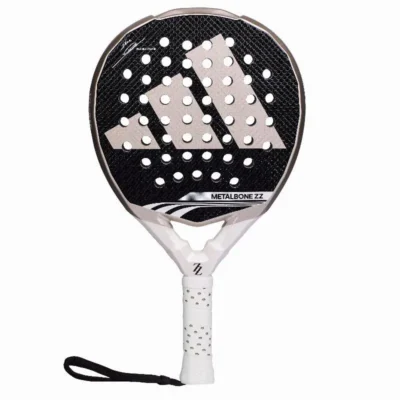
A great match can be ruined by flat balls, slippery trainers or a racket that fights your swing. This padel equipment checklist keeps your kit simple and useful, whether you are heading to your first session or playing competitive matches every week. Start with the essentials, then choose upgrades that suit how often you play and what you want to improve.
Your padel equipment checklist: start with the essentials
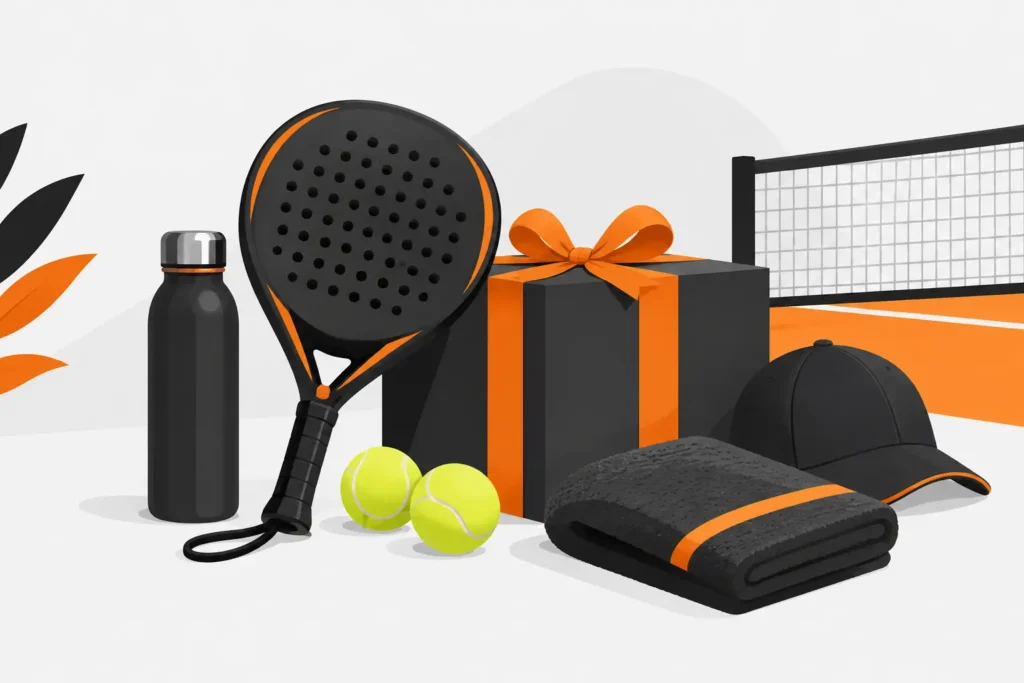
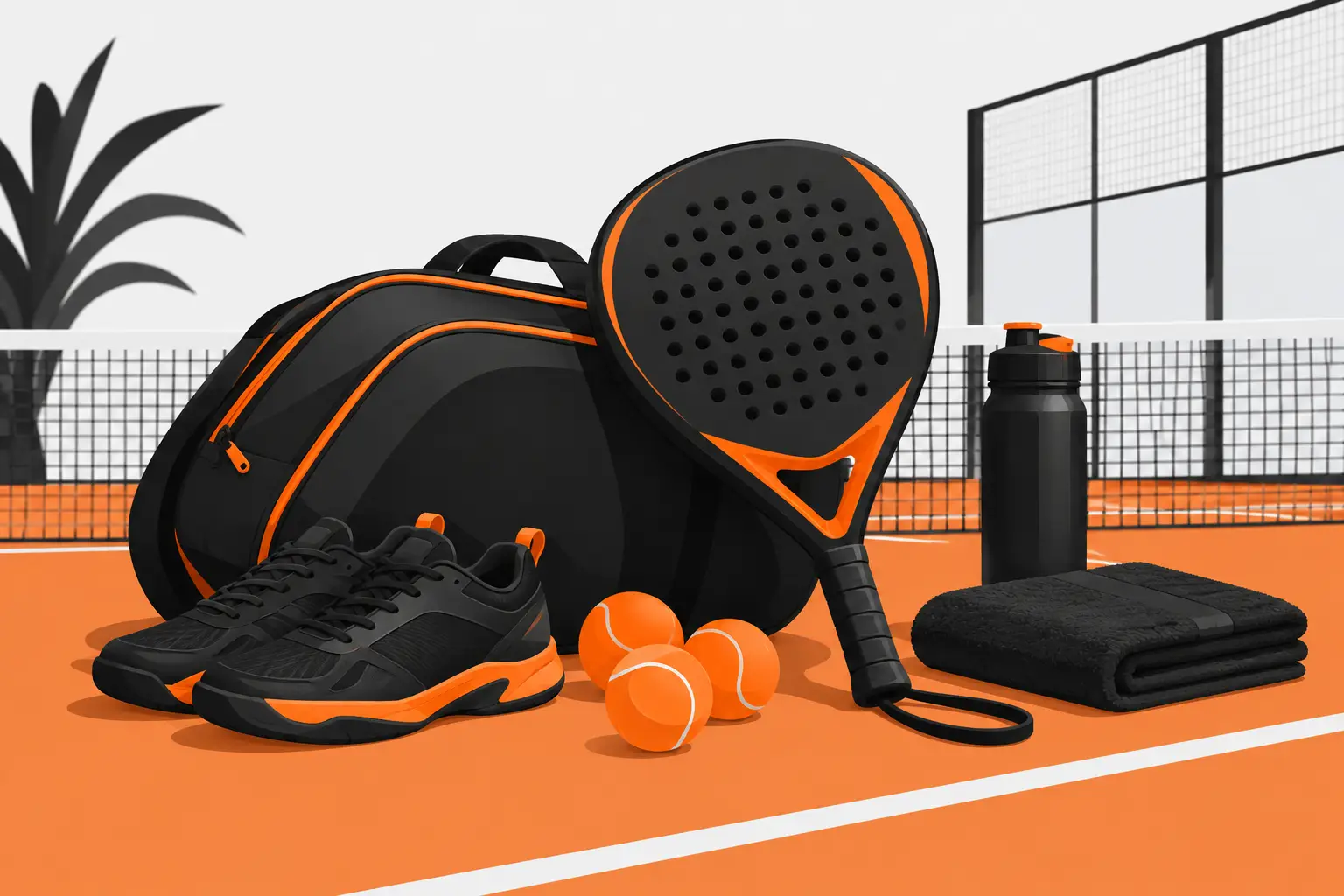
You do not need a bag full of specialist gear to enjoy padel. At minimum, you need a racket, padel balls and suitable court shoes. Comfortable sports clothing, water and a small towel will make longer sessions far more enjoyable too.
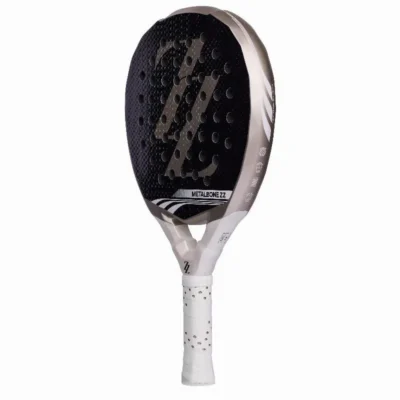
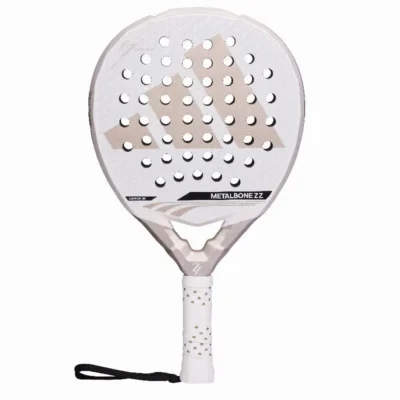
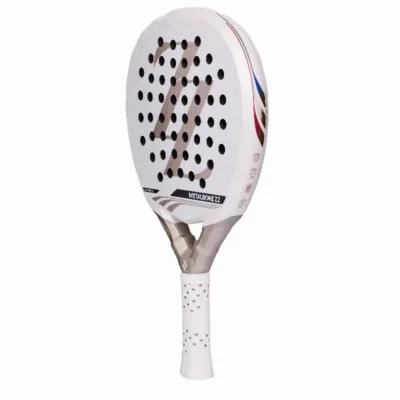
The racket is the biggest decision because it affects every shot. Balls are the next priority, especially if you play with friends who expect you to bring a tube. Shoes matter more than many new players realise: padel involves quick lateral movement, sudden stops and turns at the net. Running shoes may feel fine at first, but they are not designed to give reliable grip or support during these movements.
Once those basics are covered, think about convenience. A bag, overgrips, wristbands and a spare top are modest additions that can make match day easier. You do not need everything at once. Buy the equipment that solves a real problem in your game.
Choose a padel racket that matches your level
A padel racket should help you play with confidence, not demand perfect technique from the first point. The right choice depends on your experience, preferred style and how forgiving you need the racket to be.
Beginners: prioritise control and comfort
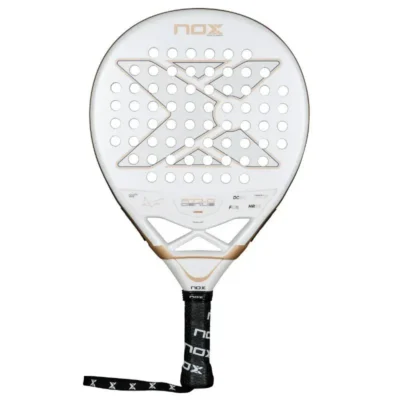
If you are new to padel, look for a round racket with a large sweet spot. This shape is easier to handle and helps you return off-centre shots with more control. A lighter or medium-weight racket is usually the sensible choice while you build technique and learn how to use the walls.
Avoid buying the hardest, most powerful model simply because it looks impressive. Advanced power rackets often have a smaller sweet spot and a firmer feel. They can reward a fast, clean swing, but they may make basic shots less consistent for newer players.
Intermediate players: find your all-round balance
Once you can build points, volley with confidence and use the glass deliberately, a hybrid or teardrop-shaped racket can be a strong next step. These models balance control with easier access to power, making them a good fit for players who want one racket for all areas of the court.
Weight is personal. A slightly heavier racket can feel more stable on volleys and defensive blocks, while a lighter model is quicker in hand during fast exchanges. If your arm or elbow becomes sore after playing, do not assume that more weight will improve your game. A comfortable racket you can use for two hours is more valuable than one that feels brilliant for 20 minutes.
Advanced players: choose for your game, not the label
Experienced players can be more specific. Diamond-shaped rackets generally place the balance higher towards the head and favour attacking shots, especially overheads. Control-focused players may still prefer a round or hybrid shape, particularly if they build points patiently and defend deep from the back of the court.
The face material and core also affect feel. Softer rackets tend to offer comfort and easier ball output, while firmer constructions can give sharper response and more precision at high speed. Neither is automatically better. Match the racket to the shots you hit most often and the feel you enjoy.
Do not overlook padel shoes
Padel courts can be sandy, grippy or surprisingly slick depending on the surface and how well it has been maintained. Proper padel or tennis shoes give you the traction needed to move safely without feeling stuck to the court.
Look for lateral support around the midfoot and a stable sole designed for repeated side-to-side movement. Herringbone or padel-specific outsoles are popular because they help manage sand and provide dependable grip. If you play mainly on one club’s courts, take note of the surface before choosing.
Fit matters as much as the outsole. Your toes should not hit the front when you stop sharply, and your heel should stay secure during lunges. Wear the socks you normally play in when trying shoes on. A small fit issue becomes obvious very quickly in a long match.
Balls, grips and the small items that save a session
Padel balls lose pressure with use, so keep a fresh tube available for matches. Used balls are fine for a relaxed hit or practice drills, but newer balls give a more consistent bounce and make competitive games fairer. If you play regularly, consider storing opened balls in a pressurised ball saver to extend their usable life.
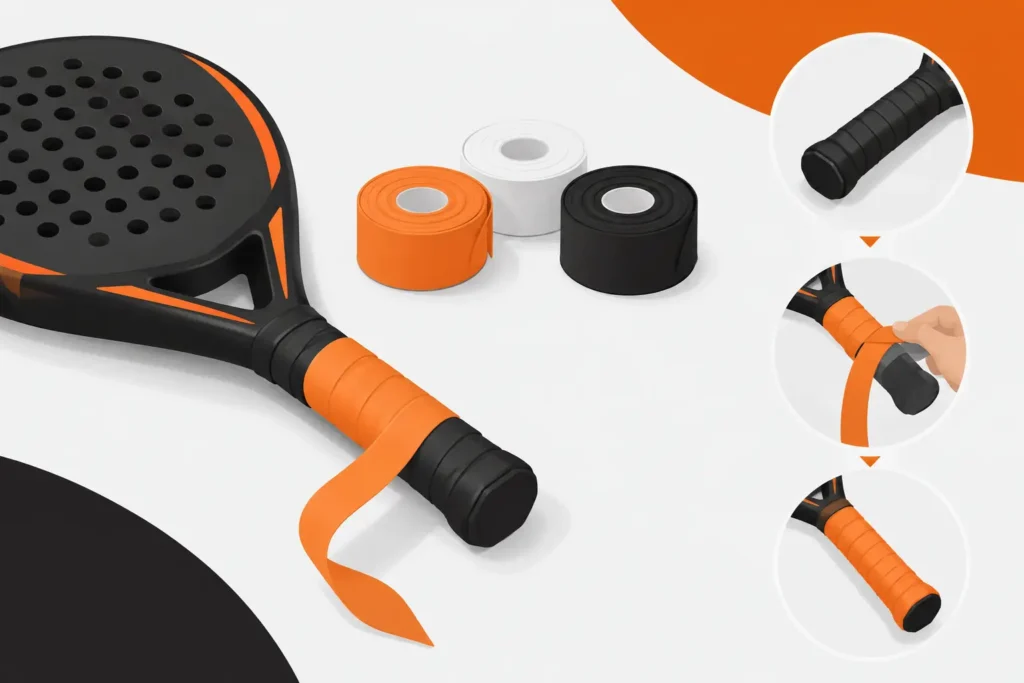
Overgrips are another low-cost essential. Replace yours when it feels smooth, slippery or overly damp. A fresh grip improves comfort and prevents you from squeezing the handle too tightly, which can contribute to forearm fatigue. Players who sweat heavily may prefer tackier or more absorbent options, so it is worth trying a few types.
A protective frame tape can help keep your racket looking tidy after contact with the glass, floor or metal fencing. It will not make a racket indestructible, and it adds a little weight around the head, but it is useful if you often scrape the frame during defensive shots.
What to pack for a match
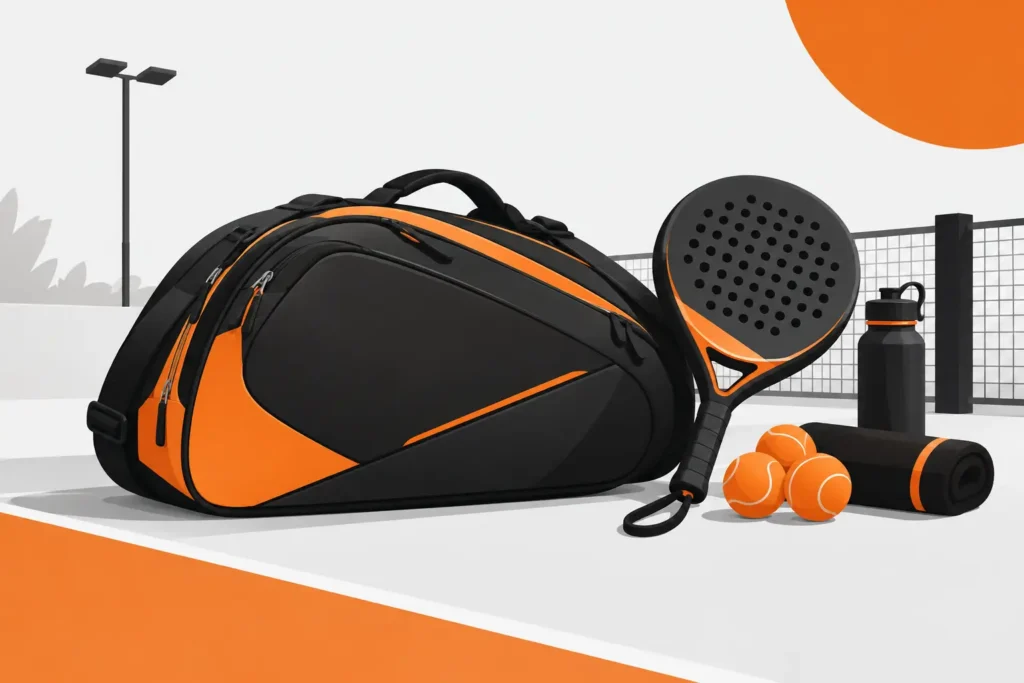
A well-packed bag means you can focus on the first serve rather than borrowing essentials from everyone else. For regular sessions, bring these items:
- Your racket, plus a backup if you play league matches or tournaments.
- A fresh tube of padel balls and any balls agreed with your playing group.
- Padel shoes, sports socks and a spare overgrip.
- Water or an electrolyte drink, particularly for warm indoor venues or summer sessions.
- A towel, wristband and spare shirt for comfort between sets.
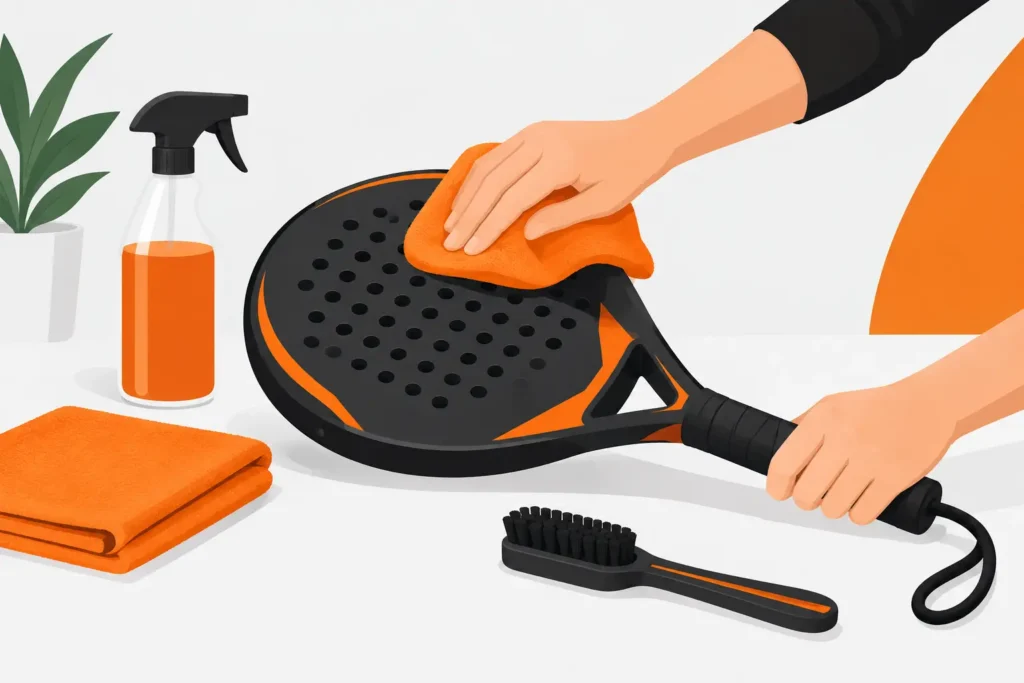
In colder months, add a light layer for the journey to and from the court. Indoor centres can still feel chilly before you have warmed up, while outdoor matches in Britain often involve changing conditions. Keep your gear dry after playing too. Leaving damp shoes and clothing sealed in a bag is a quick route to unpleasant smells and shorter equipment life.
Buy for how often you play
Someone playing once a month does not need the same setup as someone on court three times a week. Occasional players should put most of their budget into a comfortable, forgiving racket and safe shoes. Regular players will benefit from spare grips, a reliable bag and a steady supply of balls. Frequent competitors may want a second racket with a similar balance and weight, so a breakage or forgotten racket does not end their match.
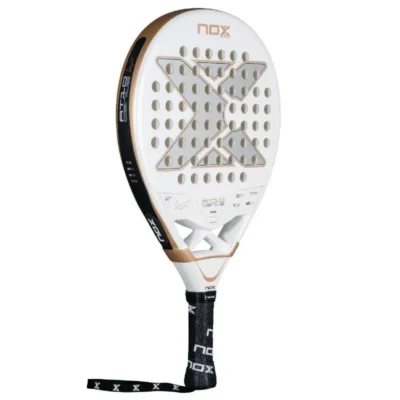
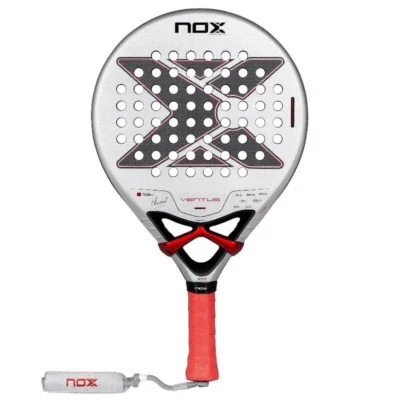
Recognised brands such as Adidas, Babolat, Bullpadel, Head, Nox, Starvie and Wilson offer options across beginner, intermediate and advanced levels. The best value is not always the cheapest racket on the page. It is the one that matches your level, feels good in your hand and keeps you enjoying the sport long enough to improve.
At 7padel, the simplest way to shop is to narrow your choice by level first, then decide whether you want control, a balanced hybrid feel or more attacking power. That approach removes much of the guesswork without turning a straightforward purchase into a technical project.
Your kit will change as your game changes. Start with equipment that makes every session comfortable and reliable, then let your court time tell you what deserves the next upgrade.