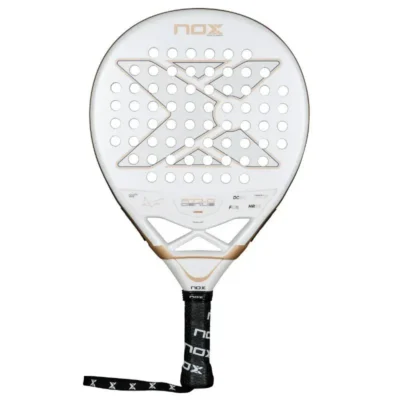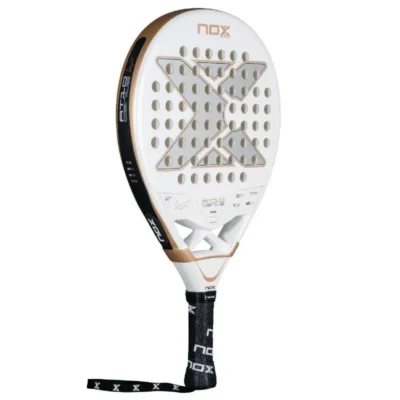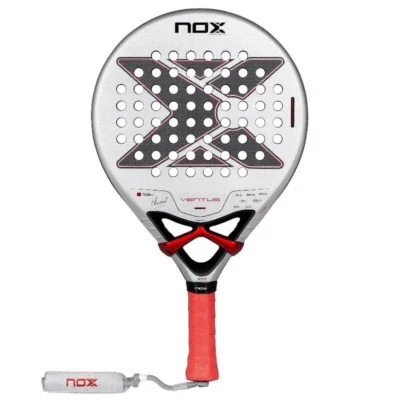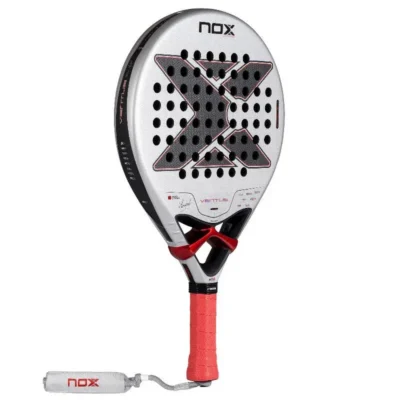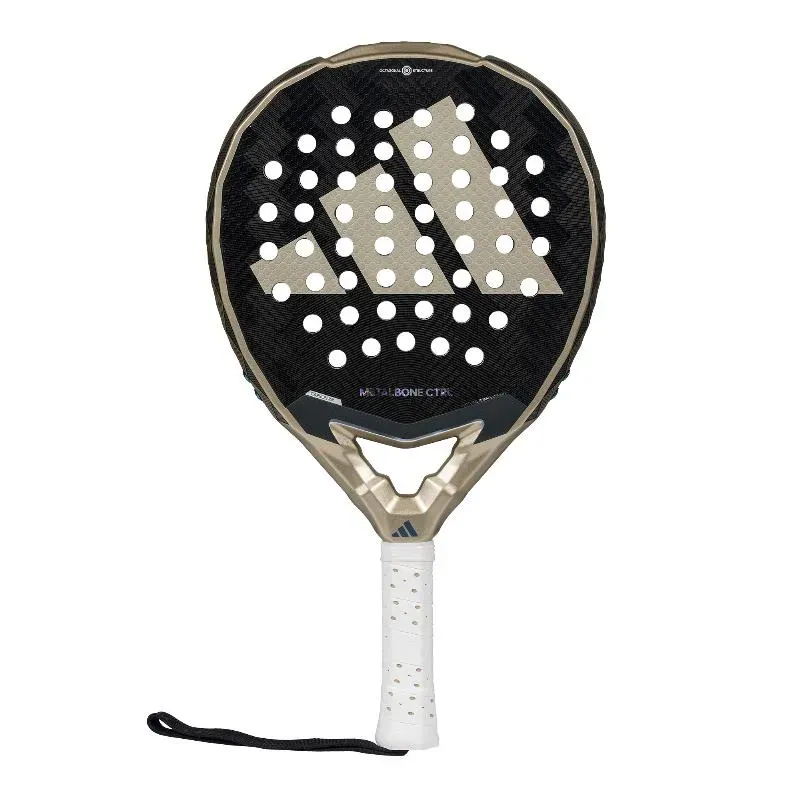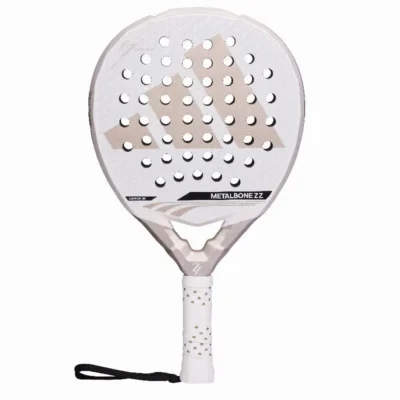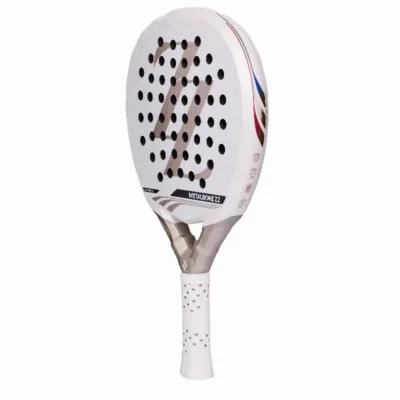
A racket can still look perfect and play badly in your hand. When the handle starts slipping, twisting or feeling rough, this padel overgrip replacement guide is the quick fix you need. A fresh overgrip costs little, takes a few minutes to fit and can make a real difference to confidence on volleys, bandejas and overheads.
The right grip will not magically correct your technique, but it gives you a more secure connection to the racket. That means less squeezing, better touch and fewer distractions when the match gets tight.
When should you replace a padel overgrip?
Replace an overgrip when it no longer feels tacky, absorbent or secure. For players who play once a week and do not sweat heavily, that may be every few weeks. If you play several times a week, especially in warm indoor conditions, changing it weekly can be worthwhile.
Look beyond visible wear. A grip may appear fine but have lost the surface texture that keeps it stable in your hand. If you find yourself gripping harder during points, adjusting the handle between rallies or wiping your palm constantly, the overgrip has probably done its job.
A replacement is also sensible after a wet match, even if the grip dries out later. Sweat and moisture leave salts in the material, reducing comfort and absorption. Keeping a spare overgrip in your padel bag means you are never stuck using a slippery handle for another session.
Choose the right overgrip before you wrap
Not every player needs the same feel. The best choice depends on how much you sweat, the thickness you prefer and whether you want more tack or more absorption.
Tacky overgrips feel slightly sticky and give immediate hold. They suit players who like a secure, connected sensation and usually work well in cooler conditions. Absorbent grips have a drier, more fabric-like feel. They are often the better option for sweaty hands or humid courts, although they can wear faster.
Thickness matters as much as surface feel. A thin overgrip preserves the original handle shape and keeps the racket manoeuvrable in the fingers. This is a popular choice for players who use plenty of wrist action or prefer a precise feel at the net. A thicker grip adds cushioning and can reduce the urge to grip too tightly, which may help if your hand gets tired or your current handle feels too small.
There is no universal answer. If you are unsure, start with one standard-thickness overgrip. Add a second only if the handle still feels too narrow. Too many layers can make a racket feel less direct and make it harder to change grips quickly.
Padel overgrip replacement guide: how to fit it
You only need an overgrip, scissors if the grip does not have a pre-cut finish, and a few minutes of clear space. Most overgrips include finishing tape. Keep it nearby before you start.
1. Remove the old overgrip
Peel away the finishing tape at the top of the handle and unwind the used overgrip towards the butt cap. Do this slowly if you want to check how the previous grip was fitted. It gives you a useful reference for overlap and angle.
Leave the original factory grip in place unless it is damaged, badly worn or you specifically want to reduce the handle size. The factory grip provides the main cushioning and shape. An overgrip is the replaceable outer layer that manages comfort, sweat and hold.
Once the old layer is off, wipe the base grip with a dry cloth. Do not soak it with cleaning products. If it is crumbling, permanently smooth or loose, replace the base grip before fitting a new overgrip.
2. Start at the butt cap
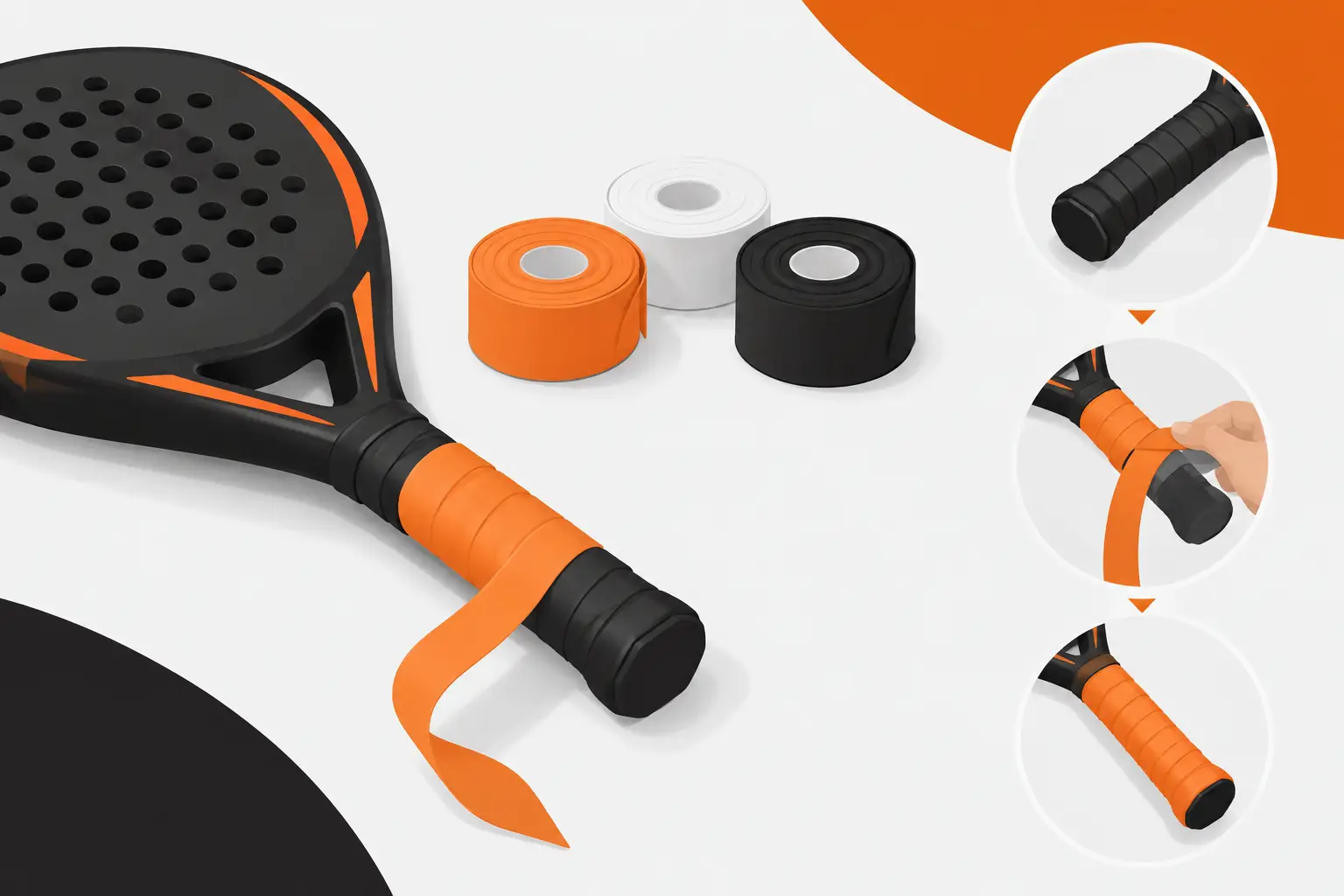
Unwrap a short section of the new grip and find the end designed to start at the base. It is usually narrower, tapered or has a small adhesive tab. Fix this end firmly around the butt cap, covering the lower edge neatly so there is no loose corner to catch on your hand.
Keep light tension on the grip as you work. Pulling it too hard can stretch and thin the material, making it wear out sooner. Too little tension creates wrinkles and movement. Aim for a smooth, secure wrap rather than a tightly wound rope.
3. Wrap upwards with an even overlap
Wind the overgrip up the handle in a gradual spiral. Each new turn should overlap the previous one by roughly a third. The exact amount is personal: more overlap creates a thicker, more cushioned handle; less overlap keeps it slimmer and uses more of the grip length.
Check the direction before you get far. Your fingers should press the overlapping edge down rather than catch and lift it as you hold the racket. If the edge feels as though it could peel during a forehand or backhand, unwind and reverse the direction. This small check prevents a messy rewrap later.
Keep the overlap consistent from the butt cap to the top. A lumpy section may seem minor, but you will notice it every time you prepare for a volley or change hand position for a bandeja.
4. Finish at a comfortable height
Stop near the top of the handle, below the throat of the racket. Most players do not need to wrap onto the frame itself. Hold the racket in your usual ready position before cutting anything. If your top hand contact sits lower, you may prefer to finish slightly below the very top of the handle.
Pull the loose end flat, trim it at an angle if needed and secure it with the supplied finishing tape. Wrap the tape firmly around the top edge, with enough overlap to stop the grip unravelling. Avoid covering a large area of the handle with tape, as it can create a hard ridge.
Check the fit before your next match
Take a few shadow swings and notice whether the racket sits naturally in your hand. You should be able to hold it securely without squeezing the handle. Try forehand, backhand, volley and serve positions, as each can reveal a grip that is too thick or unevenly wrapped.
A useful rule is that the handle should feel stable, not bulky. If you cannot comfortably move your fingers around the grip, remove a layer or choose a thinner overgrip next time. If the racket rotates in your palm despite a clean, dry grip, a slightly thicker wrap or a tackier finish may suit you better.
Players with recurring hand discomfort should also look at their grip size and technique rather than simply adding more layers. An overgrip can improve comfort, but it cannot fully compensate for a handle that is far too small or a habit of gripping too hard.
Small habits that make overgrips last longer
Let your racket air out after playing instead of leaving it sealed in a damp bag. Keep your grip away from wet balls, drink bottles and used clothing. If you use a wristband or towel between points, you will transfer less sweat to the handle and get more consistent feel through a session.
It is also worth carrying two or three overgrips rather than treating them as an emergency purchase. They are one of the simplest pieces of kit to refresh, and a fresh grip can make an old favourite racket feel ready for another competitive match.
At 7padel, the goal is simple: shop smart and play better. Start with the overgrip feel that suits your hands, replace it before it becomes a problem, and let your racket feel like part of your game rather than something you have to fight to hold.