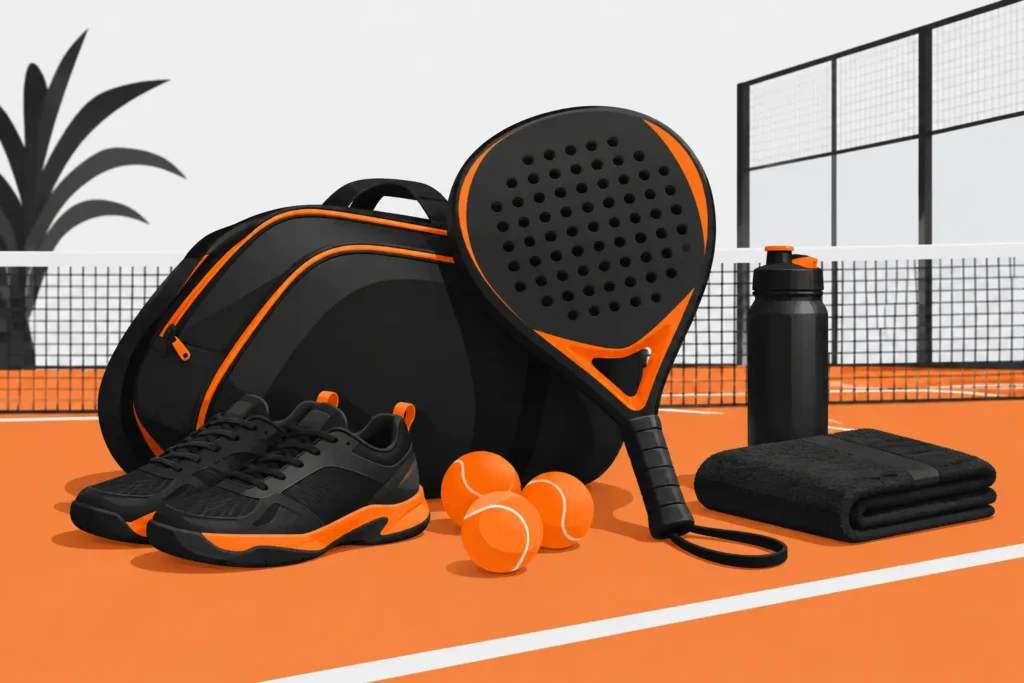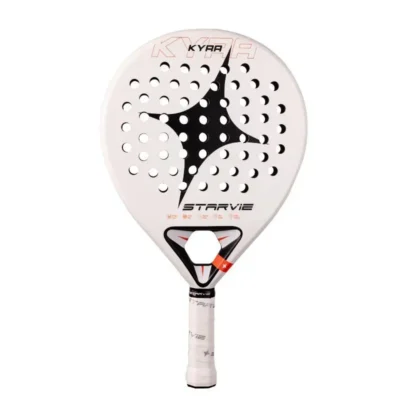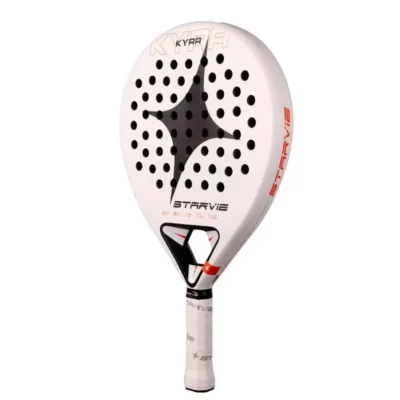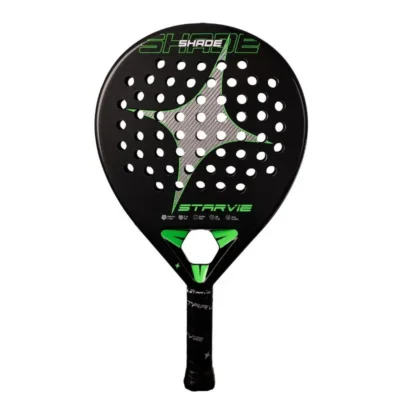
A slippery handle changes more than comfort. It can make you hold the racket too tightly, arrive late to the ball and lose confidence on volleys, bandejas and overheads. The best padel sweat overgrips keep your hand dry enough to relax your grip while still giving you a secure, predictable feel through every shot.
For many players, an overgrip is one of the cheapest and most effective equipment upgrades available. Your racket may be designed for power, control or a balance of both, but it only performs properly when it stays stable in your hand. Choosing the right grip comes down to how much you sweat, the weather you play in and the handle feel you prefer.
What makes the best padel sweat overgrips?
A good sweat overgrip needs to do two jobs at once: absorb moisture and maintain traction. Those qualities are related, but they are not identical. Some grips feel very tacky when new but become slick after a long, warm match. Others absorb a lot of sweat but feel drier and less sticky from the first point.
If your palm gets damp quickly, prioritise absorption over extreme tackiness. An absorbent, perforated or dry-feel overgrip is usually the safer choice for humid indoor courts, summer sessions and players who naturally sweat heavily. It will not feel as sticky as a tack-focused grip, but it is far less likely to become slippery once moisture builds up.
If you sweat lightly and prefer the racket to feel almost fixed in your hand, a tackier overgrip may suit you better. This is common among players who want confident touch at the net and a secure hold during fast exchanges. The trade-off is that tack can fade sooner in hot conditions.
Thickness matters too. Thin overgrips preserve the direct feel of your racket handle and are popular with players who use wrist action for volleys, viboras and quick defensive shots. A slightly thicker grip adds cushioning, helps fill a larger hand and can reduce the urge to squeeze the handle. Neither is automatically better. The right choice is the one that lets you hold the racket securely without tension in your forearm.
Choose a sweat overgrip for your playing conditions
Your usual court and schedule should influence the purchase. Padel is often played indoors, where warm air and limited ventilation can make hands sweat more than expected. Outdoor players face a different challenge: heat, humidity and occasional moisture can all affect grip performance.
For hot weather and heavy sweaters
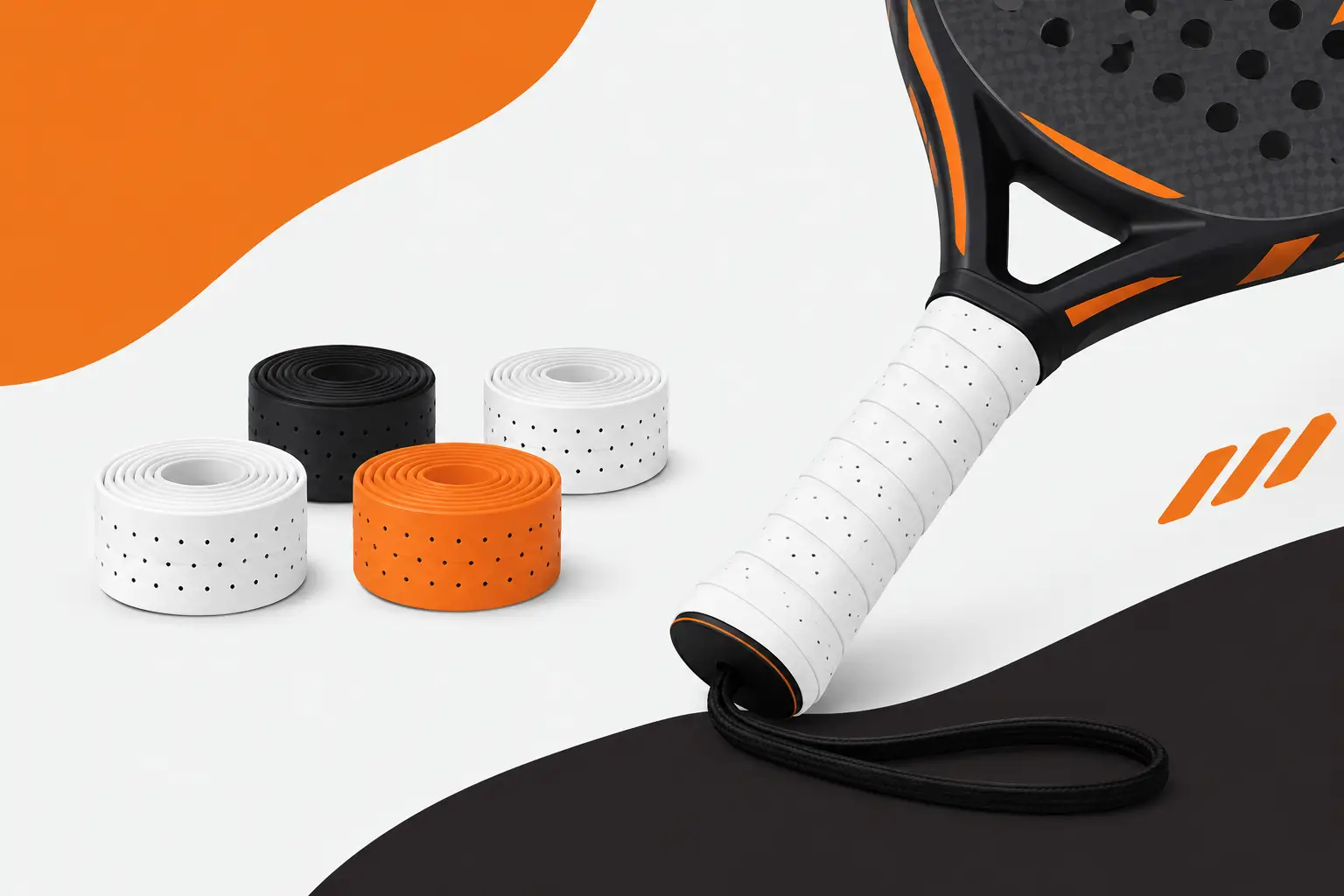
Look for a dry, absorbent surface rather than the stickiest available finish. Perforations can help draw moisture away, while a cloth-like or dry-touch texture tends to remain more dependable as a match goes on. Keep a spare overgrip in your padel bag. When the grip is soaked, no amount of towel-drying will restore its original performance for long.
Some players also use wristbands to stop sweat running down the forearm onto the handle. This is a simple fix, but it can make a genuine difference during long matches. Bring a small towel as well, particularly for competitive games where you cannot afford a loose racket on a deciding point.
For cool courts and light sweating
A tackier grip can provide excellent comfort and confidence. You may prefer a smooth surface with a slightly sticky feel, especially if you enjoy a thinner handle and want clean feedback from the racket. Just remember that a grip which feels perfect during a short hit may react differently after 90 minutes of intense play.
For players with larger hands or arm discomfort
Build the handle up with one extra overgrip, or choose a thicker option. A handle that is too small often causes excessive squeezing, which can contribute to fatigue in the hand, wrist and forearm. Adding bulk is not only for big hands. It can also suit beginners who need a more relaxed, stable hold while learning the right grip pressure.
Be careful not to overbuild the handle. If it becomes too large, quick grip changes can feel slower and the racket may feel less manoeuvrable in defence. Start with a single overgrip and adjust only if the handle still feels narrow.
How to fit a padel overgrip properly
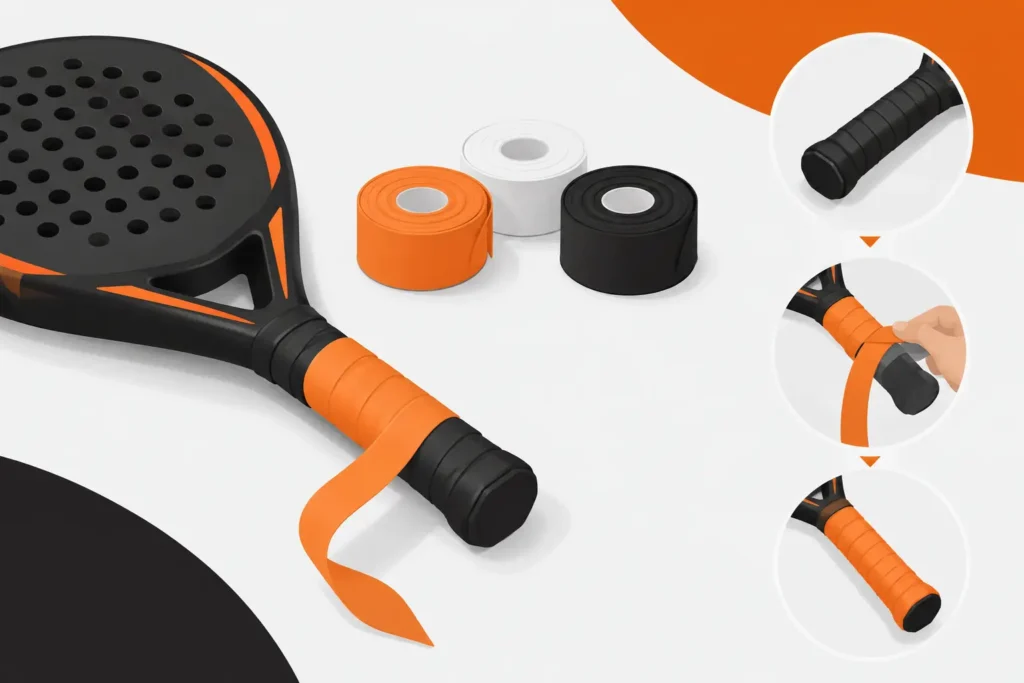
Even the best padel sweat overgrips will disappoint if they are wrapped poorly. Start at the base of the handle and overlap each turn consistently, usually by a small amount. Pull it firm enough to remove wrinkles, but do not stretch it aggressively. Overstretching can make an absorbent grip thinner, harder and less durable.
Most players leave the butt cap fully covered because it gives a more secure anchor for the lower hand. Work upwards towards the throat of the racket, then trim the excess and finish with the supplied tape. The final edge should sit flat. A loose end catches against the hand and quickly begins to peel away.
There is no rule that says every player must wrap in the same direction. Choose the direction that feels smooth under your fingers when you hold the racket in your normal grip. If the edge rubs or feels raised, take it off and reverse the wrap next time. A three-minute adjustment can make a noticeable difference over a full match.
When should you replace an overgrip?
Replace it when it no longer feels reliable, not only when it looks worn. A faded colour, flattened texture, shiny patches, a persistent damp feel or a loose finish are all signs that it is past its best. For regular players, changing an overgrip every few sessions is normal. Heavy sweaters may need a fresh one after each match or even during a long tournament day.
This is not wasted kit. A new overgrip costs far less than the problems caused by a slipping racket: mishit overheads, hesitant volleys and unnecessary strain from gripping too hard. Buying multipacks is usually the practical option, as it means you always have replacements ready rather than continuing with a worn grip for another week.
Do not judge replacement solely by appearance. A clean-looking grip can still have lost its tack or absorption, particularly after humid matches. Trust the feel in your hand. If you notice yourself reaching for a towel between points more often, it is probably time to change it.
Match the grip to your racket and style
Power rackets often have a head-heavy balance, so a dependable grip is especially valuable when serving, smashing and defending fast balls. If the racket feels like it moves in your hand during overheads, try a more absorbent model or add a second layer for stability.
Control-oriented rackets are often chosen for touch and placement, where a thinner grip can preserve the precise connection many players like. Hybrid rackets can work well with either approach, so let your hand size and sweat level lead the decision rather than the racket category alone.
Beginners should avoid chasing a very specific professional-style setup straight away. Start with an affordable, comfortable absorbent overgrip and learn what you need after several matches. Intermediate and advanced players usually benefit from keeping two options in the bag: a dry, high-absorption grip for warm conditions and a tackier alternative for cooler sessions.
A small upgrade that keeps points under control
An overgrip will not replace technique, but it can stop sweat from getting in the way of it. Keep a few fresh grips in your bag, change them before they become slippery and do not be afraid to test thickness as well as texture. The best choice is the one that lets your hand stay relaxed when the point gets fast – so you can focus on the next ball, not the handle.