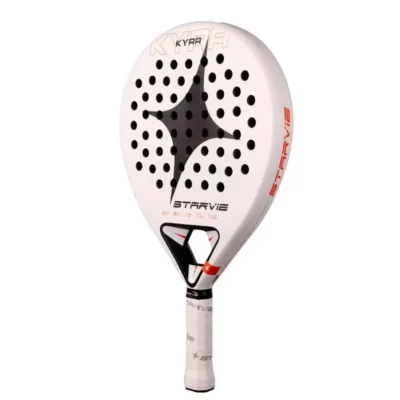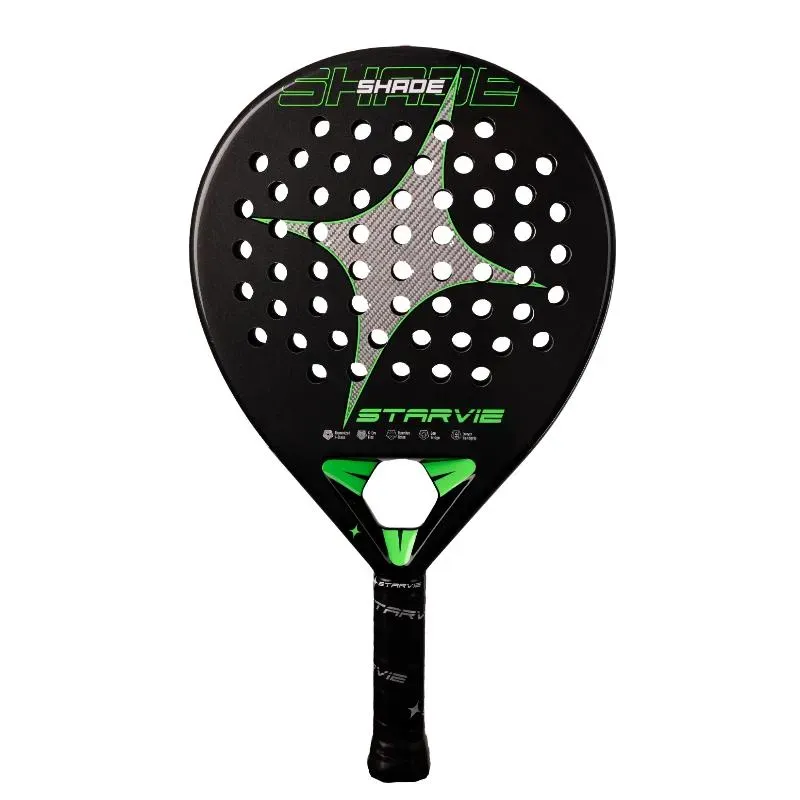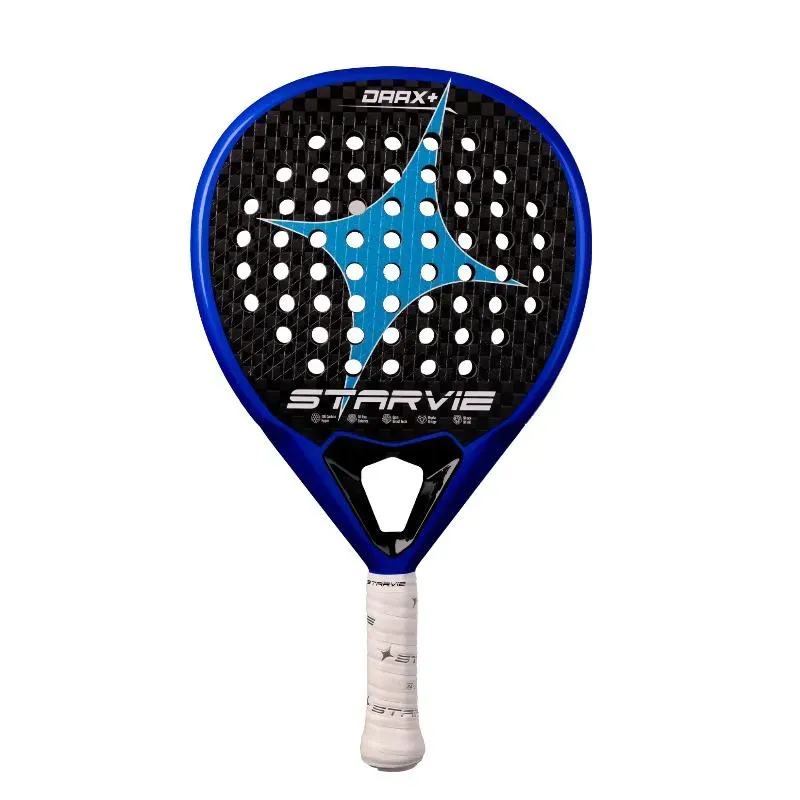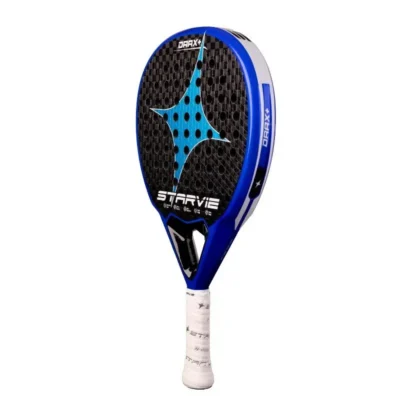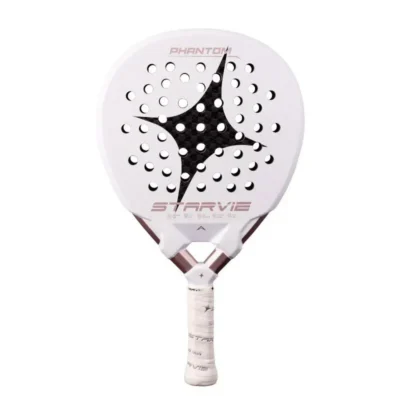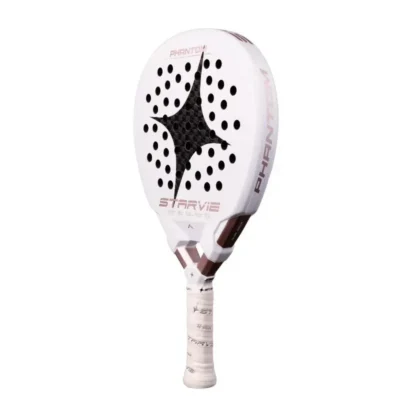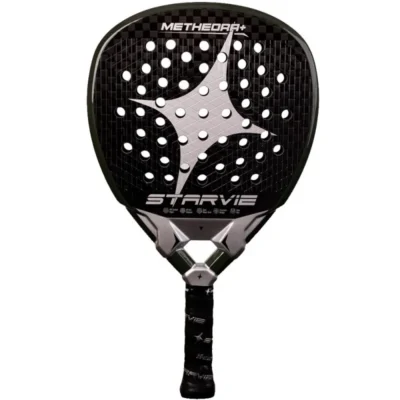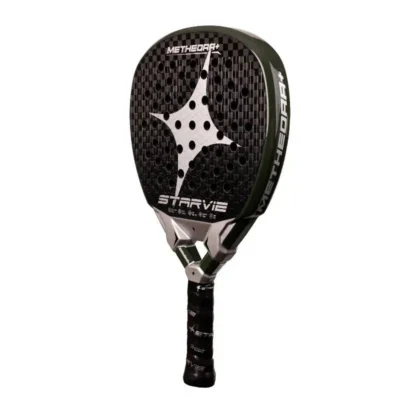
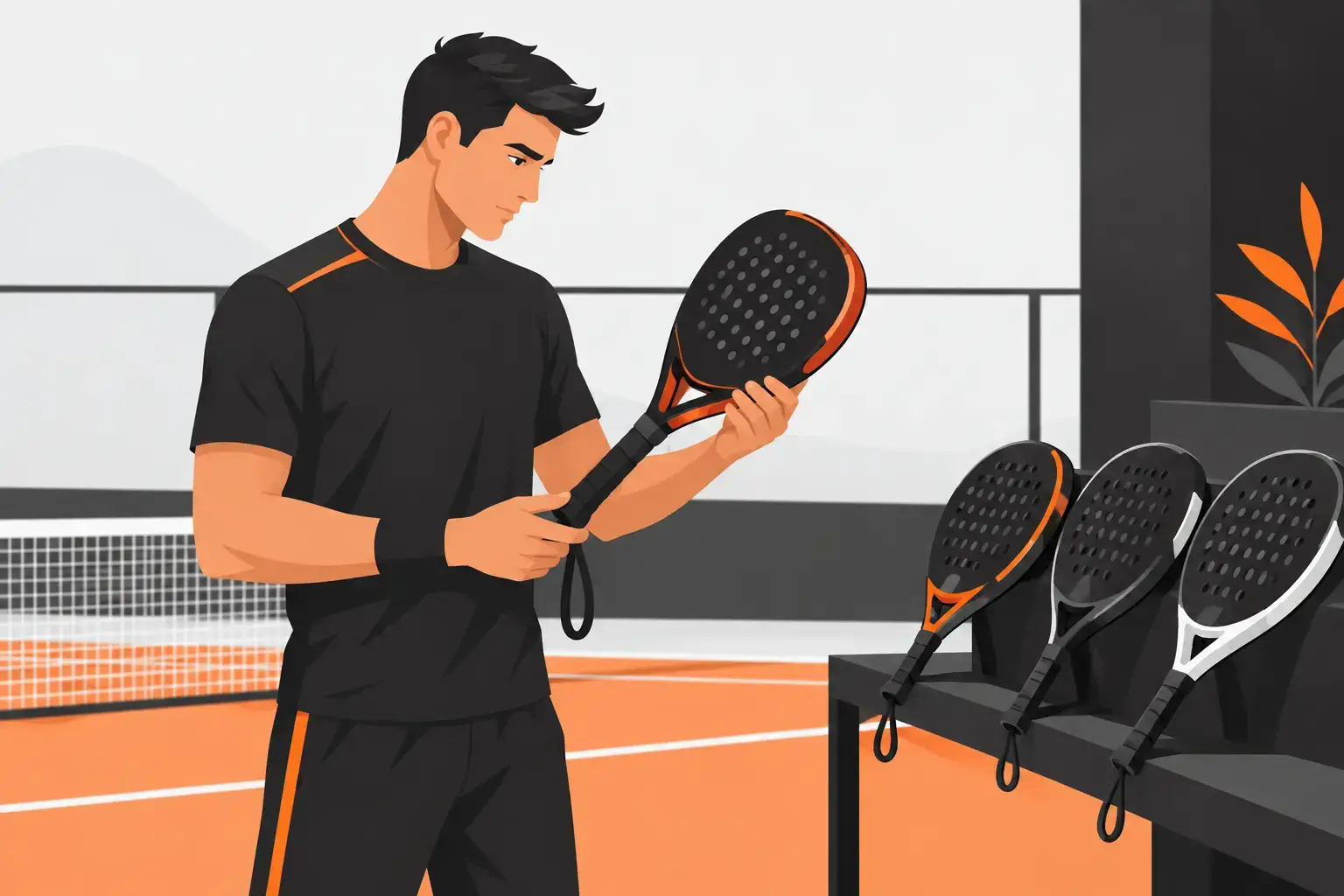
A control racket should not make an advanced player feel safe at the cost of making them passive. The right model lets you place a return tight to the glass, slow the point down at the net and change direction late, while still giving you enough response to finish a high ball. For an advanced player choosing a control racket, the real question is not simply, “Which round racket is best?” It is whether the racket supports the shots and decisions you already make under pressure.
A well-chosen control racket rewards clean technique. It helps you manage pace rather than borrow it from the racket, which is why it is a popular choice for players who build points with placement, defence and intelligent net play. But control comes in different forms. Some rackets offer a soft, forgiving touch; others feel firmer and more direct. Finding the right one starts with understanding what changes on court.
What a control racket should deliver
Control rackets are usually built around a round shape, a central sweet spot and lower-to-medium balance. That combination makes them easier to manoeuvre and more stable when the ball does not arrive perfectly. On quick defensive shots, blocked volleys and low balls near the glass, that stability can be the difference between keeping the rally alive and leaving a sitter in the middle.
For an advanced player, however, forgiveness is only one part of the appeal. A quality control racket should give you a predictable response. When you play a bandeja, chiquita or soft volley, the ball should leave the face in a way you can read. Predictability builds confidence, and confidence allows you to make better tactical choices rather than forcing low-percentage winners.
Do not assume that a control racket has no attacking ability. Modern premium models can produce plenty of speed when your technique provides it. The trade-off is that they generally ask more of your swing on flat smashes and overhead winners than a high-balance diamond racket. That is often a fair exchange for players who win more points through consistency than raw power.
Advanced player choosing a control racket: start with your match pattern
Think about the situations that decide your close matches. If you regularly defend hard overheads, use the glass well and prefer to construct points before attacking, a control-focused racket can suit you extremely well. It will normally feel quick in the hand, easier to position and calmer when absorbing pace.
It also makes sense for aggressive players who want better accuracy at the net. If your volley technique is sound but you occasionally overhit, a round or teardrop control model can help you keep the ball lower and closer to the side wall. The aim is not to remove aggression. It is to make your aggressive shots more repeatable.
On the other hand, consider a hybrid racket if your game depends heavily on finishing points above the shoulder. Players who hit powerful víboras, x3 smashes or flat winners may find a pure control shape slightly underpowered, especially in slower conditions. A hybrid design usually keeps a generous sweet spot while moving a little more mass towards the head for extra punch.
Your partner and usual court position matter too. A right-side player who values defence, transitions and precision may lean towards a classic control racket. A left-side player who is frequently asked to finish points might prefer a control-oriented hybrid. There is no fixed rule, but your role in the pair should influence the decision.
Shape is only the starting point
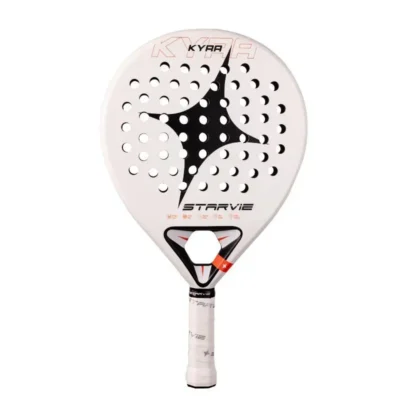
Round is the traditional control shape, and for good reason. The sweet spot tends to sit near the centre of the face, making the racket dependable on off-centre contact. It is an excellent starting point, but two round rackets can feel completely different once balance, core and face materials enter the picture.
A lower balance makes the racket feel lighter in the hand and easier to prepare quickly. This is useful for fast exchanges at the net, reactive defence and players who like to use plenty of wrist movement. It can also reduce strain over a long match, although total weight and your technique still play a part.
Medium balance adds more presence through the ball. Many advanced players prefer it because it retains manoeuvrability without feeling too gentle on volleys and overheads. If you are moving from a hybrid or diamond racket and do not want to lose all attacking weight, medium balance is often the sensible middle ground.
High balance is less common in pure control models. It can add power, but it also makes the racket slower to position and less forgiving when defending. Unless you have a clear reason to want extra head weight, it is usually better to choose a balanced control racket and generate speed through timing.
Choose the right feel: soft, medium or firm
The core and face materials influence how long the ball stays on the racket and how much feedback reaches your hand. This is where personal preference matters more than marketing labels.
A softer feel can be comfortable when defending and helpful for players who want easy depth at lower swing speeds. It tends to absorb pace well and can make touch shots feel more forgiving. The downside is that very soft rackets may feel less crisp when you accelerate hard or play decisive volleys.
A firmer racket gives a more immediate response. Advanced players with developed technique often enjoy this direct feedback because it helps them judge contact precisely. Firm models can feel excellent on fast volleys and attacking overheads, but they are usually less forgiving if you strike outside the sweet spot or arrive late to the ball.
Medium feel is the versatile option. It offers enough comfort for defensive work while retaining a clean response when you increase racket-head speed. If you are unsure, medium is a sensible place to start, particularly if you play in varied conditions or share matches between indoor and outdoor courts.
Carbon faces are often associated with a firmer, more precise sensation, while fibreglass can feel softer and more elastic. Yet construction matters as much as the headline material. Rather than choosing solely because a racket says 3K, 12K or 18K carbon, focus on the overall feel you prefer and the consistency you need.
Weight and manoeuvrability matter more than a few grams
Most advanced rackets sit broadly around 355 to 375 grams, but the number alone does not tell the whole story. A 365-gram low-balance racket can feel quicker than a lighter model with a head-heavy setup. The right weight is the one you can control late in the third set without your preparation slowing down.
If you have a fast, compact swing and enjoy sharp hand battles at the net, a lighter or lower-balanced setup may suit you. If you want greater stability against hard hitters, slightly more weight can help the racket hold its line through contact. Do not chase maximum weight simply because you are an advanced player. Extra mass only helps when you can move it efficiently.
Grip setup also changes the final feel. An overgrip adds a little weight at the handle and can shift the balance fractionally lower, while a thicker grip may improve comfort for some hands. Use the grip size that lets you relax your hand between shots. Holding the racket too tightly reduces touch and can make the arm work harder than necessary.
Test your choice against real padel shots
When comparing rackets, do not judge them by one powerful smash. A racket that feels impressive for five minutes may be tiring or unpredictable after an hour. Think through the full range of shots you rely on.
Start with defensive lobs and returns from the back of the court. Can you lift the ball with confidence when you are under pressure? Then test your volleys. Does the racket feel stable on a firm block and precise when you soften your hands? Finally, consider your bandeja and víbora. You should be able to shape the ball without feeling as if the racket is dragging behind you.
Pay attention to misses as well as clean strikes. The best control racket is not necessarily the one that produces your fastest winner. It is the one that keeps enough quality on the ball when contact is slightly late, low or outside the centre. Those are the shots that often decide a tight match.
Avoid the common control-racket mistakes
The first mistake is choosing a control racket because it sounds easier, while ignoring your need for attacking output. If your game relies on frequent put-aways and you already strike the ball cleanly, a hybrid may deliver a better balance.
The second is buying too soft in search of comfort. A very soft racket can feel pleasant initially, but some advanced players soon miss the direct response needed for quick volleys and precise overheads. Comfort matters, but so does clear feedback.
Finally, do not copy a teammate’s choice. Their racket may work brilliantly with their swing, strength and tactical role, but not yours. Use familiar brands, trusted specifications and your own match experience to narrow the field. At 7padel, filtering by advanced level and control or hybrid play is a practical way to start, then refine the choice by balance, weight and feel.
The right control racket should make your best habits easier to repeat. Choose one that lets you defend calmly, take the net with purpose and place the next ball exactly where your opponents do not want it.