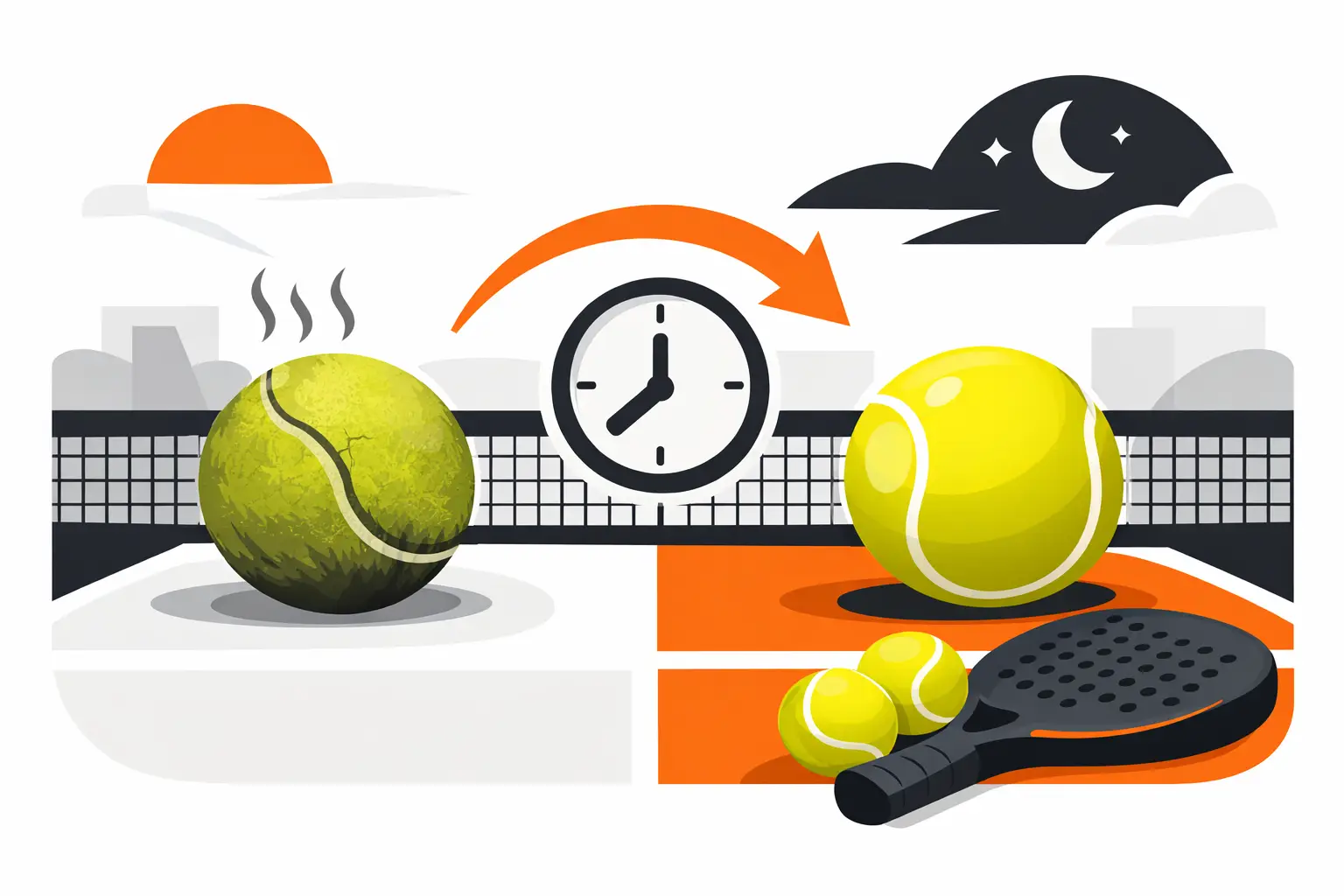
You usually notice it halfway through a point. The ball that should kick up sits low instead. The one you expect to come off the glass lively feels flat and slow. If you are wondering when to replace padel balls, that change in bounce and response is the biggest clue. Fresh balls do not just feel better – they make the game fairer, more predictable and more enjoyable.
A lot of players leave it too long. That is understandable. Padel balls rarely become unusable overnight, so it is easy to keep playing with the same set for one more session, then another. But worn balls affect timing, control and confidence more than many players realise. If you are shopping smart, knowing when to change them is one of the simplest ways to protect both your performance and your racket setup.
When to replace padel balls in real play
The short answer is this: replace them when they lose pressure, bounce lower than expected, or start feeling noticeably slower off the racket and glass. For regular recreational players, that often means every 2 to 4 matches. For frequent or competitive players, it can be sooner.
That said, there is no perfect number because usage matters. A casual doubles session once a week indoors is very different from hard match play several times a week on a warm, sandy court. Some players hit flatter and harder, which wears balls out faster. Others play a softer, more controlled game and get more life from a tube.
The key is not the age of the balls in days, but the condition of the balls on court. If they are no longer giving you a reliable bounce, they are past their best.
The clearest signs your padel balls need replacing
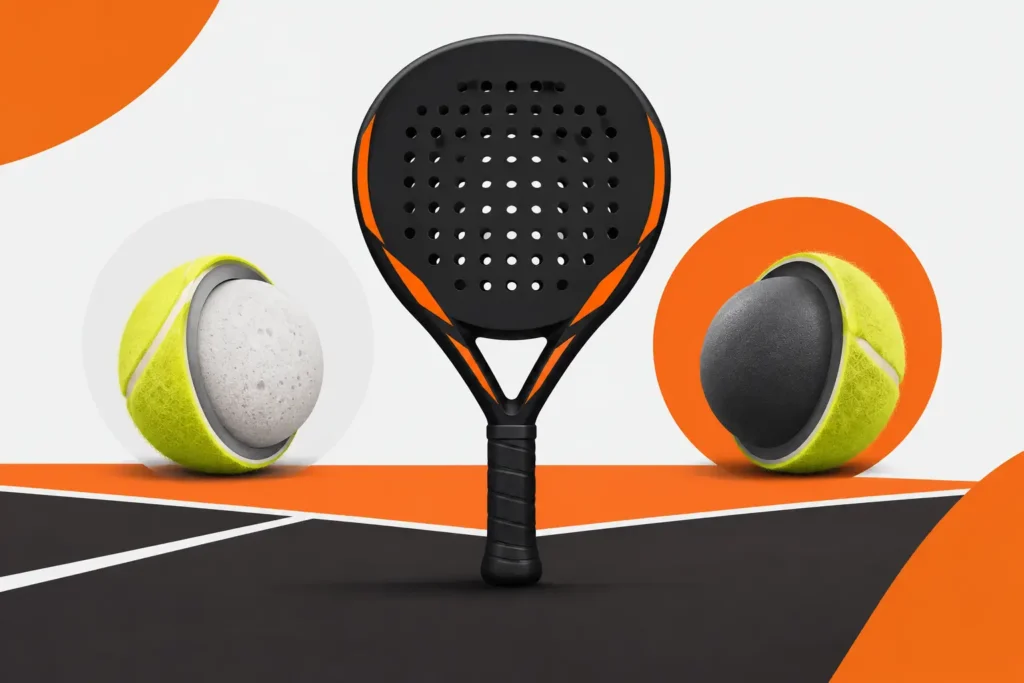
The first sign is loss of pressure. You feel it straight away in the bounce. The ball comes up lower after the glass or floor, and rallies begin to feel slower in a dull way rather than a tactical way. You may also notice that viboras, bandejas and volleys lose some of their usual response.
The second sign is inconsistency. One ball from the set may feel livelier than another, or the bounce may vary from shot to shot. That makes timing harder and can turn a good training session into a frustrating one.
The third sign is visible wear. If the felt looks thin, fluffy in patches, or heavily scuffed, the ball has been through enough. Felt wear alone does not always mean the pressure is gone, but when both appear together, replacement is overdue.
There is also the simple test of player reaction. If everyone on court starts saying the balls feel dead, they probably are. You do not need a lab test for that.
Dead balls do more than slow the game
Old balls are not just less lively. They change how you play. You might start overhitting to compensate for the lack of bounce or swinging harder on overheads to get the same penetration. That can hurt your technique and make your shot selection worse.
For newer players, this is especially important. Learning with tired balls can mask what a proper contact point should feel like. For experienced players, dead balls reduce precision. Either way, replacing them at the right time keeps the game closer to what it should be.
How long do padel balls last?
For most players, a fresh can of padel balls stays at a good standard for around 3 to 6 hours of play. In practical terms, that is often 2 to 4 matches. After that, performance usually starts to drop.
If you play socially and do not mind a slight loss of pace, you can stretch them a bit further for practice. If you care about realistic match conditions, change them sooner. This is the trade-off. Keeping a set longer saves money in the short term, but it gives you lower-quality practice and a less consistent feel.
Competitive players often open a new tube for matches and keep older ones for drills or basket feeding. That approach makes sense if you want the best value from each can without using dead balls for everything.
Indoor and outdoor conditions matter
Indoor courts tend to be kinder to padel balls because the temperature is steadier and the playing environment is more controlled. Balls usually keep their pressure better there.
Outdoor play can shorten their life. Heat, cold, humidity and damp conditions all affect pressure and felt wear. Cold balls often feel heavier and flatter. Very warm conditions can make them feel livelier at first, but the overall wear still adds up quickly.
If you mostly play outdoors, expect to replace balls more often.
What affects how quickly padel balls wear out?
The biggest factor is intensity of play. Hard hitters and fast exchanges put more stress on the ball, especially in competitive doubles where volleys, smashes and glass rebounds happen constantly.
Court surface also plays a part. Rougher surfaces and dirt or sand can wear the felt down faster. Storage matters too. If you leave balls in a hot car boot or a cold garage, they will lose quality more quickly even if you have barely used them.
Then there is the ball itself. Different brands and models can feel slightly different in pressure, durability and speed. Premium balls from trusted names such as Head, Wilson, Bullpadel, Babolat and Adidas are generally more consistent, though even the best ball will not stay fresh forever.
Should you replace padel balls for training and matches at the same time?
Not necessarily. This is where a bit of common sense helps. For competitive matches, leagues or any session where you want true match feel, use a fresh or near-fresh set. You want reliable bounce, consistent speed and confidence on key points.
For coaching, casual drills or feeding practice, slightly used balls are often fine. You still want them playable, but they do not need to be brand new. Many players get better value by rotating their sets – fresh balls for matches, older ones for practice, and then replacement once they are clearly too flat.
What is not worth doing is keeping very dead balls in regular circulation. They stop helping and start getting in the way.
Can a ball pressuriser help?
A ball pressuriser can extend the life of padel balls by slowing pressure loss between sessions. For players who play often, it can be a practical accessory rather than a gimmick. It will not turn a worn-out ball into a new one, but it may help preserve a decent set for longer.
This is most useful if you open a tube, play once or twice, and want to keep the balls in better condition for the next session. It is less useful if the felt is already badly worn or the balls have been overused.
If you play regularly, it can be a sensible way to get more value without sacrificing too much performance.
How to know when replacement is overdue
If you need a simple rule, use this one: once the balls start changing how you have to play, replace them. If you are adjusting your swing because the ball will not travel, if overheads are dying too early, or if the bounce feels unreliable off the glass, the set is done.
A fresh can is a small cost compared with the benefit. Better timing, cleaner rallies and more realistic match play are worth it. It also makes equipment testing easier. If you are trying a new racket and the balls are dead, you are not getting a true read on how that racket performs.
That matters whether you are a beginner choosing your first setup or a more advanced player fine-tuning control or power. Good balls give you honest feedback.
Buy for your level, but do not ignore the basics
Players often spend a lot of time comparing racket shapes, balance and surface feel, then treat balls like an afterthought. In reality, the condition of the balls can influence your session just as much as small racket differences.
If you want a simple way to shop smart, keep a few tubes ready and rotate them properly. Use your better sets for matches, move older ones into practice, and replace them before they become a problem. That keeps your game more consistent and stops you training around bad habits caused by flat balls.
At 7padel, that practical approach is exactly the point – make equipment choices easier, avoid unnecessary guesswork, and help you get more from every session.
Fresh padel balls will not fix your backhand overnight, but they will give you the bounce, feel and consistency you need to trust your game. When the balls stop doing their job, replace them and let your level show.