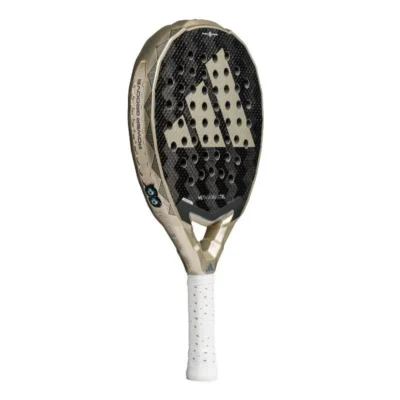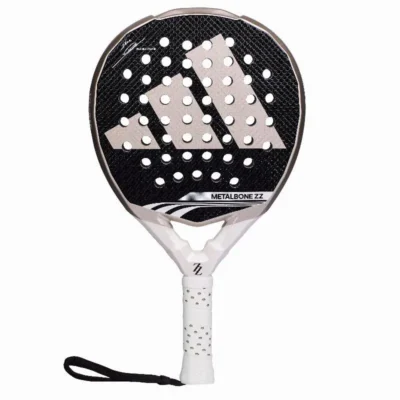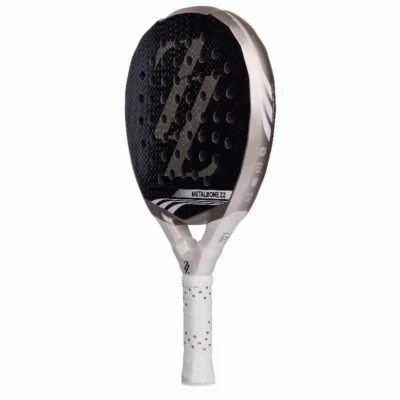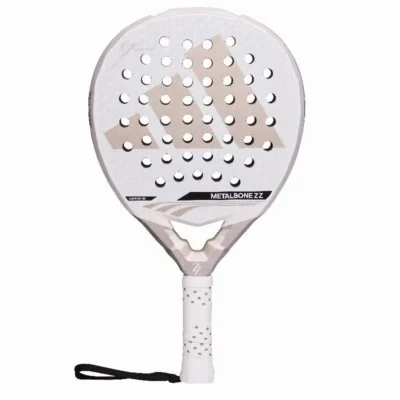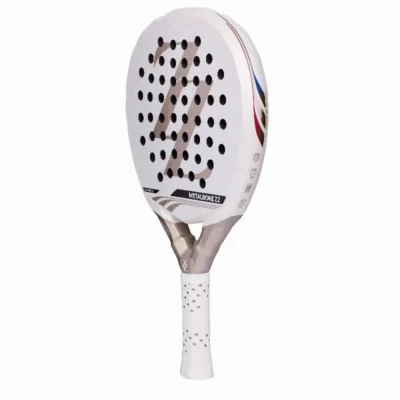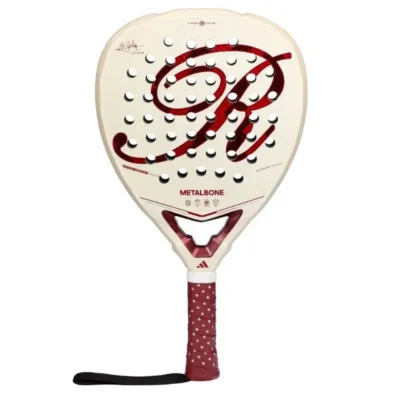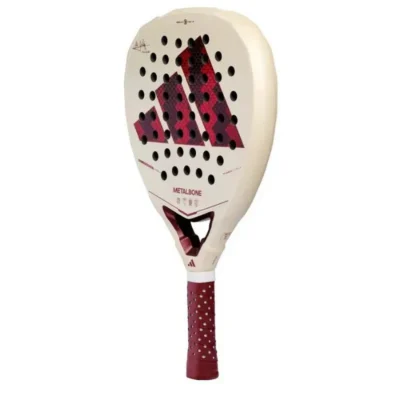
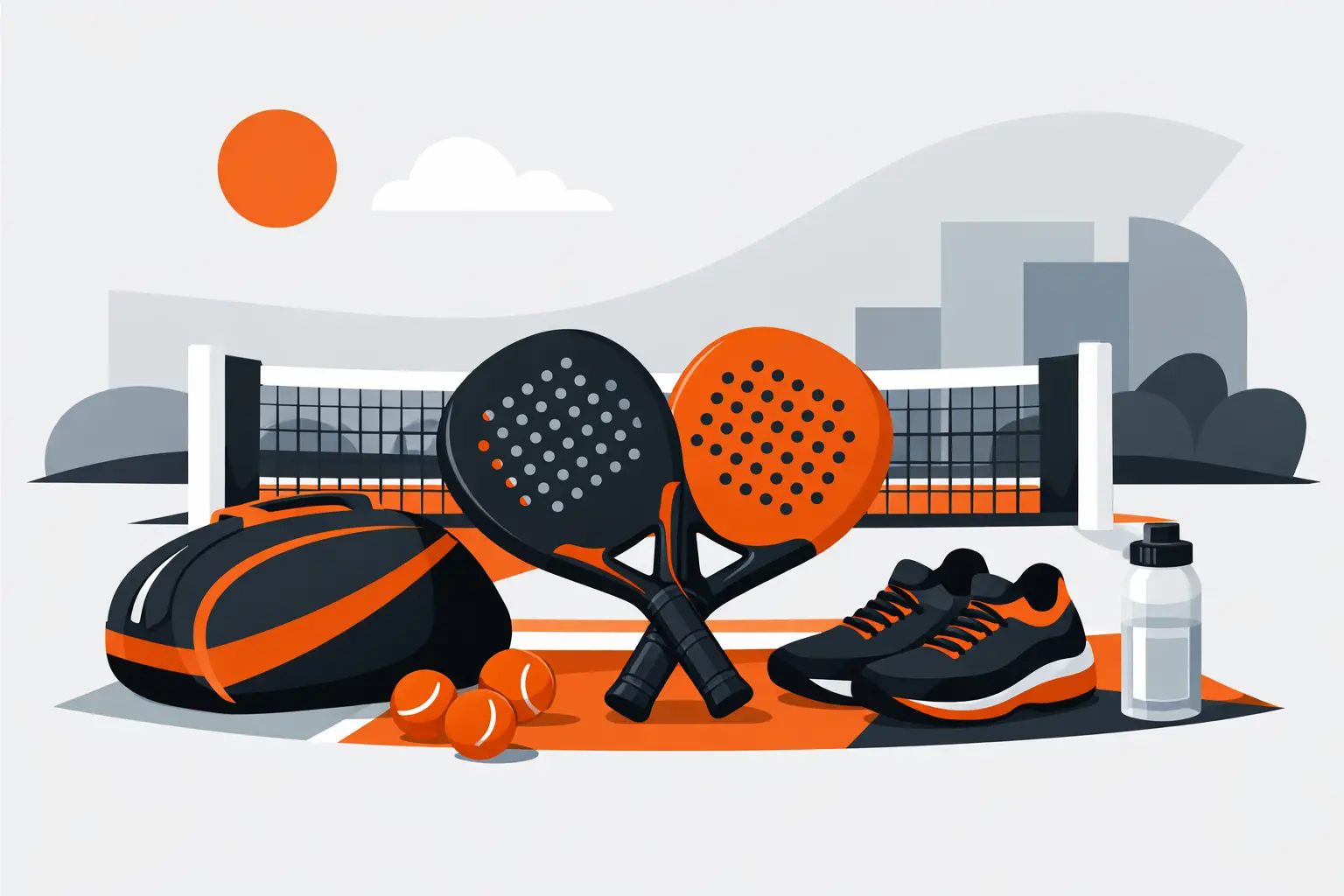
Walking onto court with the wrong racket is one of the quickest ways to make padel feel harder than it should. This beginner padel equipment guide is here to keep things simple, so you can buy the right kit first time, avoid overspending, and start enjoying the game sooner.
Most beginners do not need the most expensive setup. They need equipment that feels comfortable, forgives mistakes, and helps them build confidence. That means choosing for ease of use before chasing power, and focusing on the items that genuinely affect your game.
Beginner padel equipment guide – what matters most
If you are just starting, the racket matters more than anything else. After that, shoes are the next priority. Balls and accessories matter too, but they should support your game rather than distract you from the basics.
A common mistake is buying like an advanced player. A hard, head-heavy racket with a small sweet spot might look impressive, but it can be tiring to use and unforgiving on off-centre shots. For a new player, that usually means less control, less comfort, and slower progress.
A smarter approach is to build a setup around three questions. How often will you play? Do you want comfort or power first? And do you need the best possible price, or are you happy to spend a bit more for a recognised premium brand? Once you know those answers, the choices narrow quickly.
How to choose your first padel racket
Your first racket should help you make clean contact and keep the ball in play. That is the real goal in the early months. You do not need maximum power. You need consistency.
Pick a beginner-friendly shape
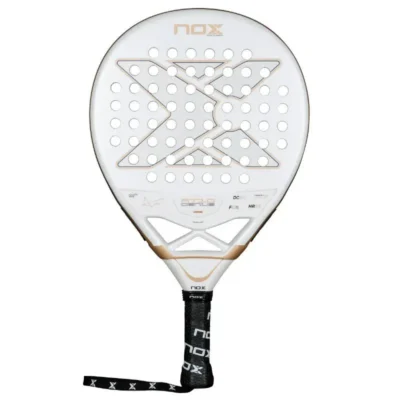
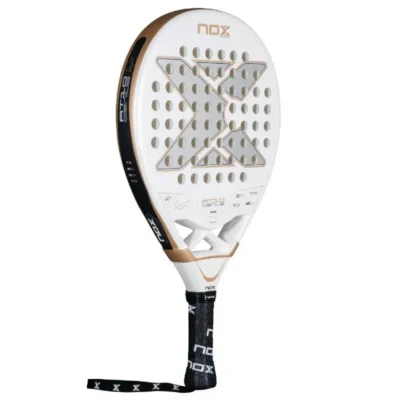
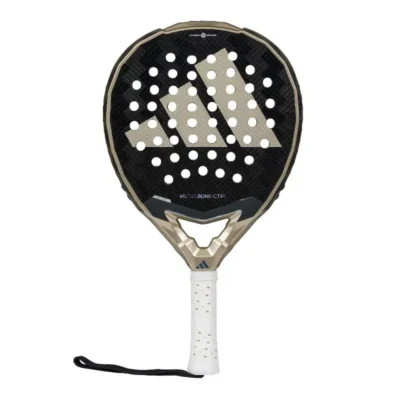
Round rackets are usually the easiest place to start. They tend to offer more control and a larger sweet spot, which makes mishits less punishing. If you are completely new to racket sports, a round shape is often the safest choice.
Hybrid or teardrop rackets can also work well if you want a more all-round feel. They sit between control and power, so they suit players who expect to improve quickly or already have some experience from tennis or squash. Diamond-shaped rackets are usually better left until later, because they often favour power over forgiveness.
Go lighter, but not too light
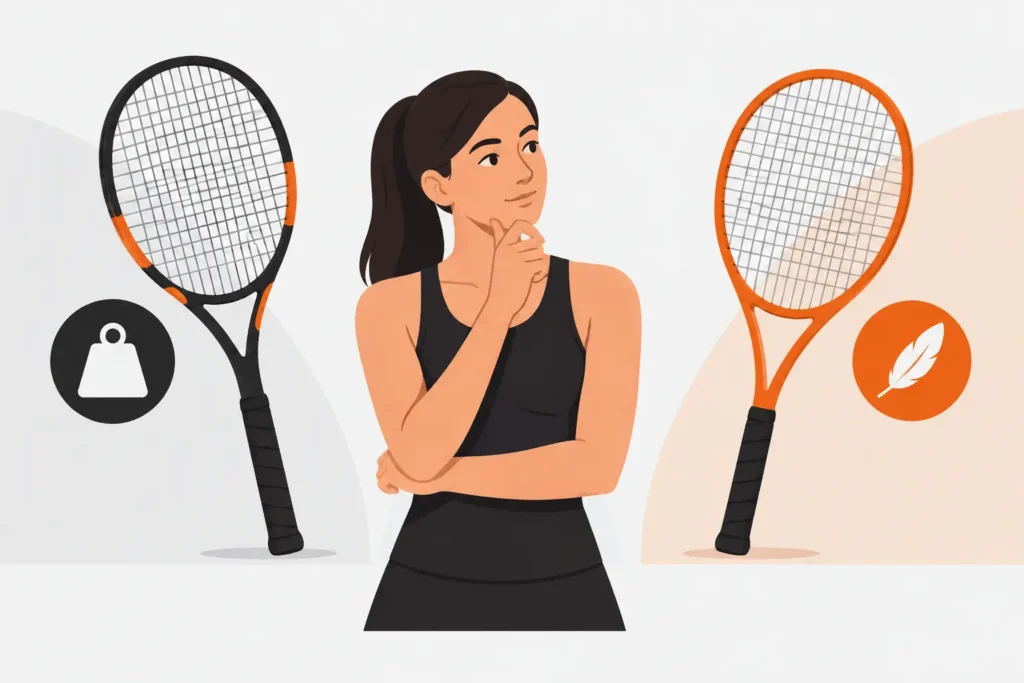
Weight affects manoeuvrability and comfort. A lighter racket is easier to move, especially at the net and on defensive shots. That can be a big advantage when you are still learning timing and positioning.
That said, ultra-light is not always best. Some players find very light rackets unstable on contact. For most beginners, a medium-light racket gives the best balance between comfort and control. If you have any history of arm discomfort, err on the lighter side and prioritise softer materials.
Choose comfort over stiffness
The feel of the racket matters more than many first-time buyers realise. Softer rackets absorb impact better and are generally more comfortable on the arm. They also help when your technique is still developing.
Stiffer rackets can give a sharper, more direct response, but they are less forgiving. If you are learning the game, comfort is usually the smarter buy. Brands such as Adidas, Babolat, Bullpadel, Head, Nox, Starvie and Wilson all offer beginner-friendly options, so you do not need to compromise on brand quality to find something easy to use.
Don’t get lost in technical jargon
Core materials, surface finishes and balance points all have their place, but beginners rarely need to overanalyse every spec. Start with the big decision points: shape, weight, and comfort. If those are right, you are already close to a good fit.
Shoes are not an optional extra
A lot of new players spend all their budget on the racket and treat shoes as an afterthought. That is usually a mistake. Padel involves short sprints, quick direction changes and constant small adjustments, so grip and stability matter.
Running shoes are not ideal because they are built for forward movement rather than lateral support. On court, that can leave you feeling unstable, especially when pushing off sideways or stopping sharply near the glass. Good padel or court shoes give you a more secure base and can help reduce the risk of slipping or ankle strain.
Comfort matters here too. If the shoe pinches, rubs or feels too rigid, it will become obvious very quickly. Try to prioritise fit first, then outsole pattern and cushioning. If you only play occasionally, you may not need the top-tier model, but you do need something designed for the court.
What about padel balls?
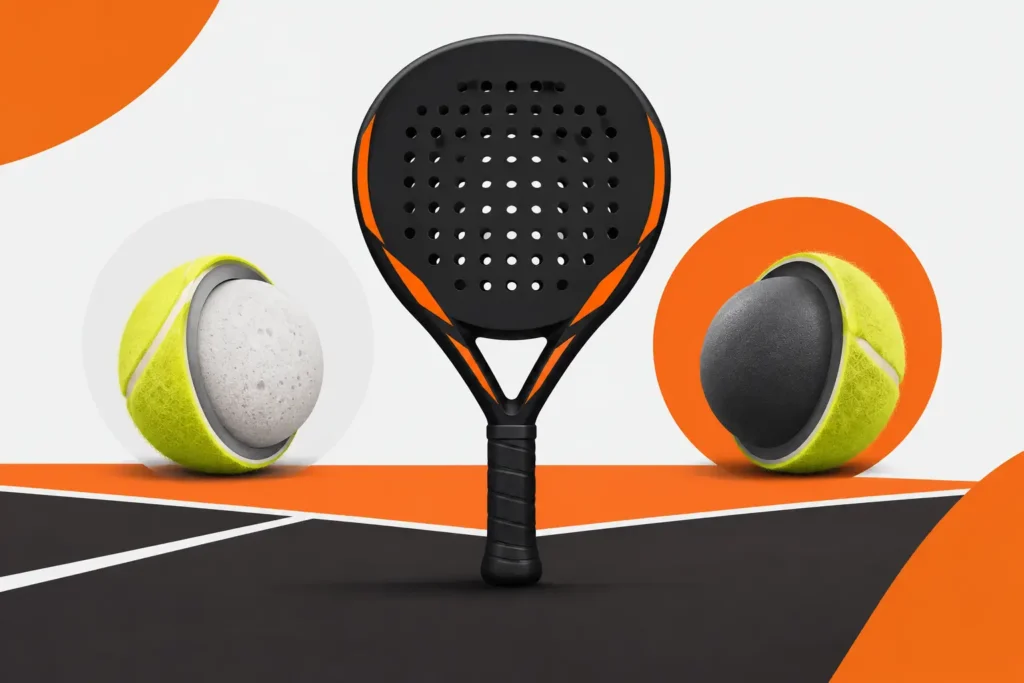
Beginner players often assume all balls are the same. They are not, but the differences are not worth obsessing over at the start. The main thing is to use proper padel balls rather than old tennis balls. Padel balls are slightly less pressurised, which better suits the game and the enclosed court.
If you play casually once a week, buying fresh balls from a reliable brand is enough. More frequent players may notice changes in bounce and liveliness sooner, so replacing balls regularly becomes more important. There is no need to overcomplicate it – just do not keep dead balls in play for too long, because they change the feel of every rally.
The small accessories worth buying
Not every accessory deserves a place in your first order, but a few are genuinely useful.
An overgrip is one of the cheapest upgrades you can make. It improves feel, helps with sweat, and lets you adjust the thickness of the handle. If your racket feels slightly slippery or too slim, an overgrip usually solves it.
A racket bag is useful if you are travelling regularly to courts, especially if you want to protect your gear and keep balls, shoes and clothing together. For occasional players, a simple bag is fine. You do not need a huge tour-style model unless you carry a lot of kit.
A wrist strap is often already attached to the racket, and it is worth using. It is a small thing, but it helps keep the racket secure during fast exchanges.
How much should a beginner spend?
This is where many shoppers either overspend or buy too cheaply and regret it. The sweet spot is usually a quality beginner or entry-intermediate racket from a trusted brand, paired with proper shoes and a few essentials. You do not need a premium match-day setup from day one.
If your budget is tight, spend more on the racket and shoes, and keep everything else basic. If you have more room to spend, it is still better to buy smart than simply buy expensive. A racket made for your level will help more than a top-end model built for advanced attacking players.
Discounts can make well-known brands much more accessible, so it is worth shopping where product ranges are clearly sorted by level and playing style. That makes it easier to compare options without getting buried in specs that do not matter yet.
A simple beginner padel equipment guide for different player types
If you are a complete beginner with no racket sport background, go for a round, comfortable racket with easy handling. Pair it with stable court shoes and fresh padel balls, and keep the rest minimal.
If you come from tennis, you may prefer a hybrid racket because it gives a slightly livelier response. Even then, it is usually better to avoid very stiff or power-focused models until your padel technique catches up with your racket instincts.
If comfort is your top concern, especially if you have had elbow or shoulder issues before, choose a softer, lighter racket and do not compromise on shoes. That combination often makes the biggest difference in how enjoyable the game feels after a full session.
Common buying mistakes to avoid
The biggest mistake is buying for the player you hope to become rather than the player you are today. There is nothing wrong with wanting to improve quickly, but equipment should support that process, not fight it.
Another mistake is treating brand reputation as the only decision factor. Good brands matter, but the right model matters more. A beginner-friendly Head or Nox racket will usually serve you better than an advanced Bullpadel or Babolat model that does not suit your level.
Finally, do not ignore comfort. If your racket feels harsh, heavy or awkward, you will notice it long before you appreciate any extra power it promises.
Buying your first padel setup should feel straightforward, not stressful. Start with a racket that gives you control and comfort, add shoes that keep you stable, and keep the rest practical. If you shop with a clear idea of your level and what you actually need, sites such as 7padel make it much easier to find your perfect match without paying for features you are not ready to use yet.
The best beginner equipment is not the flashiest option on the page – it is the one that gets you on court more often, with fewer doubts and more confidence in every point.