Miss-hits tell you quickly when you have not found the centre of your racket. The ball feels dull, control disappears, and your arm takes more of the impact than it should. If you are wondering how to find racket sweet spot, the good news is that it is not guesswork. You can feel it, test it, and improve how often you hit it with a few simple checks.
For padel players, this matters more than many realise. The sweet spot is the area on the face that gives you the cleanest contact, the best balance of power and control, and less shock through the hand, wrist and elbow. Hit there consistently and the game gets easier. Defend better, volley cleaner, and finish points with less effort.
What the sweet spot really means
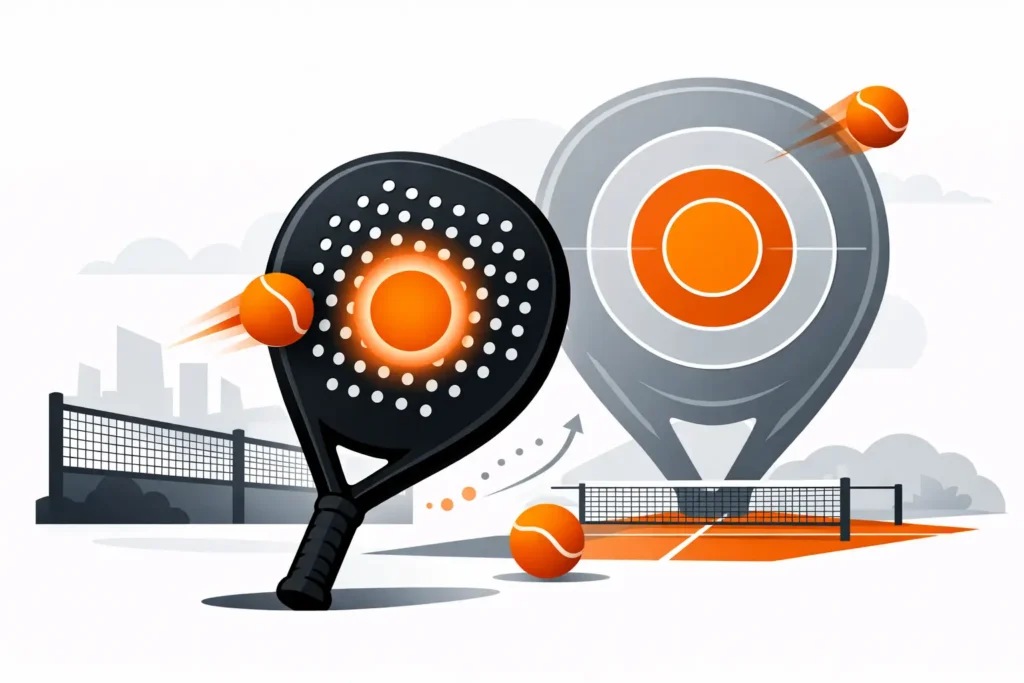
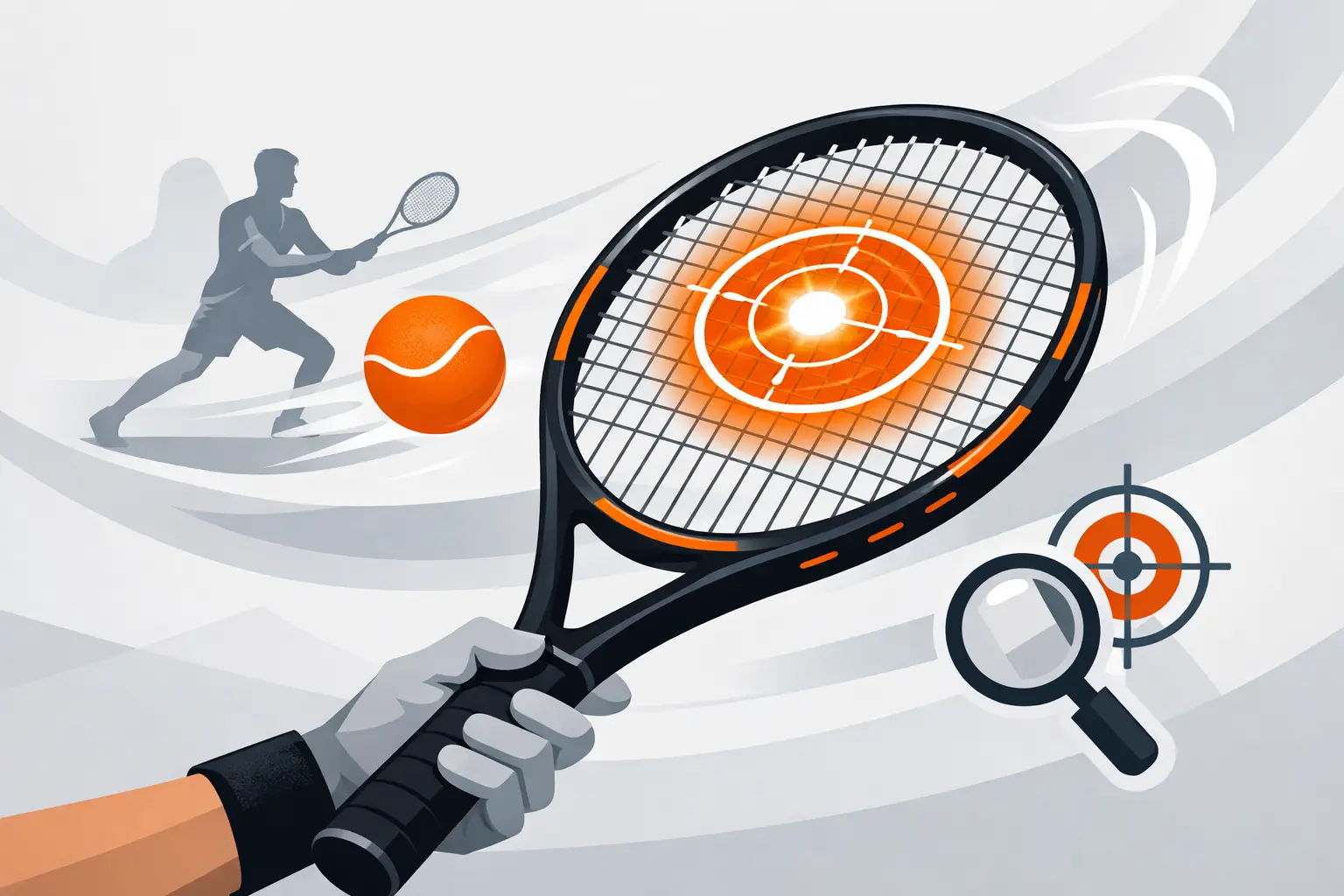
The sweet spot is not a tiny magic dot. It is a small hitting zone where the racket responds best. When the ball meets that area, the face feels stable and the shot comes off as intended. Outside it, the racket twists more, contact feels harsher, and the ball often flies shorter, wider or flatter than you wanted.
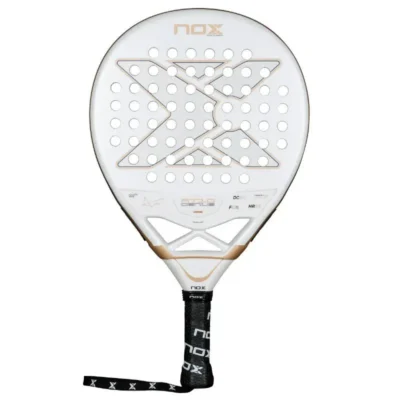
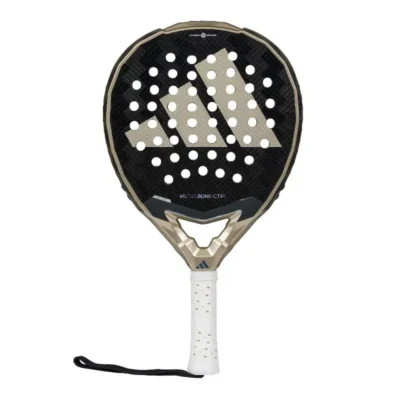
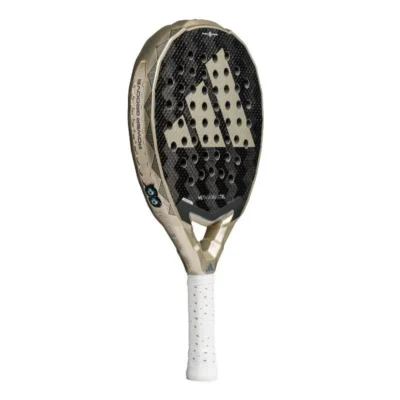
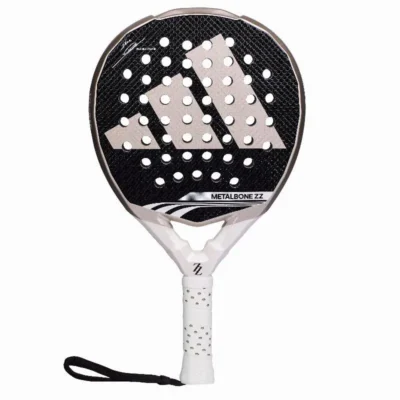
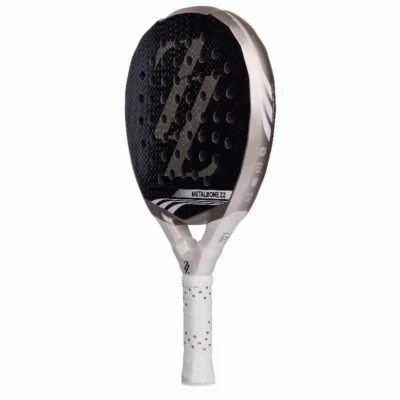
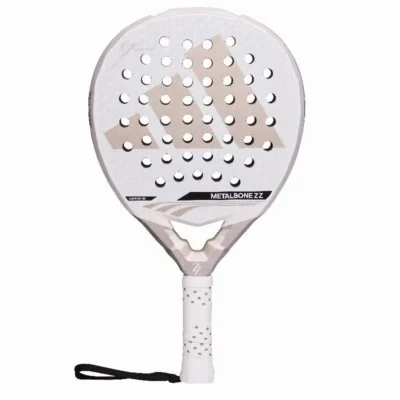
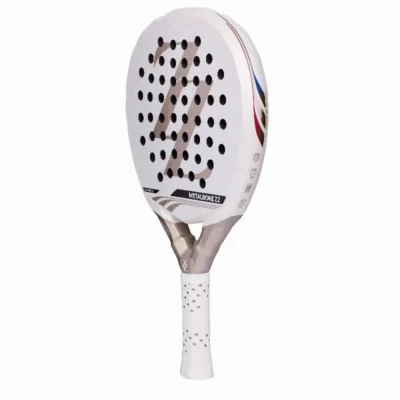
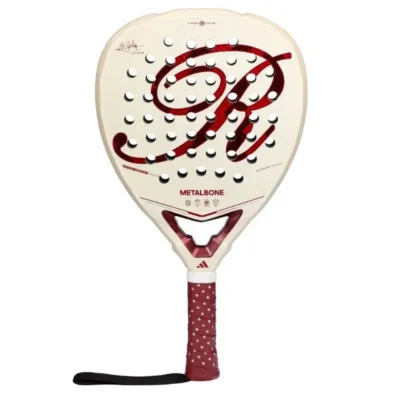
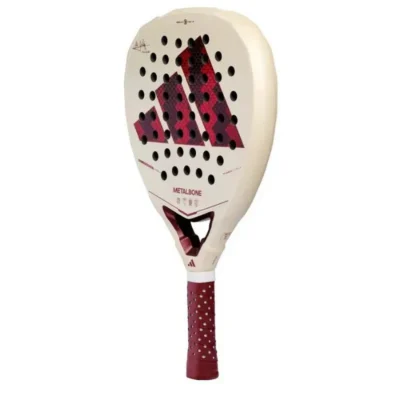
On a padel racket, the exact position of the sweet spot changes with the shape and balance. Round rackets usually have a larger and more central sweet spot, which is why many beginners and control-focused players find them easier to use. Diamond rackets tend to place it a little higher and can feel less forgiving. Teardrop or hybrid shapes usually sit in the middle, offering a blend of control and punch.
That is the first trade-off worth knowing. A racket built for power can be excellent when you strike cleanly, but it may punish off-centre contact more than a softer, rounder model. If you are still developing timing, the easiest way to improve your sweet spot contact may be choosing a more forgiving racket rather than trying to force perfect technique with demanding equipment.
How to find racket sweet spot by feel
The quickest starting point is your hand. Stand close to the net or a wall and gently tap the ball against the racket face without a full swing. Move the contact point around the face on purpose – lower, higher, slightly left and right.
You will notice a clear difference. Some contacts feel crisp and stable. Others feel dead or shaky. That clean, solid response is your sweet spot area.
A second easy test is the bounce test. Hold the racket loosely and drop a ball onto different parts of the face from the same height. In the sweet spot area, the bounce usually sounds cleaner and rebounds more predictably. Near the frame or too low on the face, the response becomes weaker and less even.
You can also use a soft catch-and-push drill with a partner. Instead of rallying at speed, simply receive the ball softly and guide it back. Because the pace is low, you can focus fully on feel. Most players identify the best contact zone within a few minutes when they stop trying to hit hard.
Why your racket shape changes everything
If you keep asking how to find racket sweet spot and every drill still feels inconsistent, your racket may be part of the problem. Not every model suits every player.
Round rackets are usually the most forgiving. Their sweet spot tends to sit nearer the centre, and the face feels more stable on defensive shots and blocks. If you are newer to padel or you often play under pressure at the back of the court, that extra margin helps.
Hybrid and teardrop models give a more balanced feel. They can suit intermediate players who want a bit more attacking weight without losing too much control. The sweet spot may sit slightly higher than a round racket, but not as extreme as many power-focused diamond shapes.
Diamond rackets often reward confident, aggressive players. They can produce strong overheads and volleys, but the sweet spot is commonly smaller and placed higher on the face. If your timing is late or you contact the ball too low, the racket can feel demanding rather than helpful.
Weight and balance matter too. A head-heavy racket may offer more put-away power, but it can be harder to manoeuvre in fast exchanges. If you struggle to get the face into the right position at contact, a lighter or lower-balance model could improve your sweet spot strike rate straight away.
Simple drills that improve sweet spot contact
The best drills are not complicated. They just isolate clean contact.
Mini volleys close to the net
Stand a short distance from your partner and exchange controlled volleys. Keep the racket out in front and shorten the swing. This teaches you to present the middle of the face to the ball instead of slapping across it.
Wall rebounds at low pace
Use one bounce, then guide the ball into the wall and receive it again. Because the repetition is high, you get lots of feedback quickly. If contact feels noisy or unstable, slow down and find the clean strike before adding pace.
Self-feed bandeja and overhead touch drills
Toss the ball to yourself and hit at 50 to 60 per cent pace. Many players miss the sweet spot on overheads because they rush the swing. Slowing down helps you feel where the ball should meet the face, especially with higher-balance rackets.
Defensive block practice
Ask a partner to feed medium-paced balls after the glass. Your goal is not power. It is stable contact. This is one of the best ways to learn how the sweet spot behaves when you are slightly stretched or late, which is when matches are usually decided.
Technique problems that move you away from the sweet spot
Sometimes the racket is fine, but the contact point is not. A few habits commonly cause off-centre hits.
One is holding the racket too tightly. A death grip reduces feel and makes every impact seem harsh. Relax your hand enough to sense the ball, especially in defence and on touch shots.
Another is contacting the ball too close to the body. When the ball crowds you, the racket face often arrives at an awkward angle and contact slides away from the middle. Give yourself a little more space and set the racket earlier.
Late preparation is another big one. In padel, the ball comes quickly, and a delayed backswing usually leads to rushed contact. Compact preparation makes it easier to find the sweet spot than a large swing ever will.
Footwork matters as well. If you are always reaching, the sweet spot becomes a target you almost never hit. Small adjustment steps before contact are not glamorous, but they solve a lot.
When the problem is the racket, not you
There is no prize for using a racket that does not suit your level. If your arm feels battered, your defensive shots lack control, or you only hit cleanly when you have lots of time, it may be worth changing model.
A softer core can feel more forgiving and comfortable. A round shape can make the contact zone easier to find. A slightly lighter weight can improve manoeuvrability at the net and on quick reactions. On the other hand, if you already strike cleanly and want more aggression overhead, moving towards a hybrid or diamond shape may make sense.
It depends on your game. If you win points by consistency, control should come first. If you are confident in fast hands and overhead timing, a more attacking racket can be a smart step. The key is being honest about what happens in actual matches, not just what sounds more advanced.
For players comparing options, a store like 7padel makes that process simpler because you can narrow rackets by level and playing style instead of getting lost in technical jargon.
A quick way to check progress
The easiest marker is sound and comfort. Sweet spot contact sounds cleaner and feels lighter on the arm. You will also see better depth with less effort, especially on blocks, serves and controlled volleys.
Another sign is consistency under pressure. It is one thing to hit the middle during easy feeds. It is another to do it when defending glass rebounds or reacting quickly at the net. If your clean contact is showing up more often in those moments, you are improving where it counts.
Do not expect perfection. Even strong players hit outside the sweet spot sometimes. The aim is not to eliminate every mis-hit. It is to make good contact your default.
The best part is that once you learn the feel, you stop searching for it. Your hand recognises it, your timing improves, and the racket starts working with you instead of against you. Keep the drills simple, choose a racket that fits your level, and give yourself permission to favour clean contact over raw power for a while. That usually pays off faster than trying to hit harder.