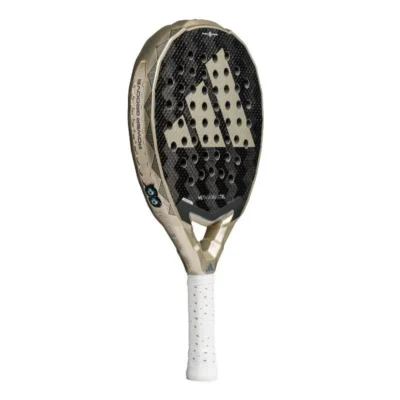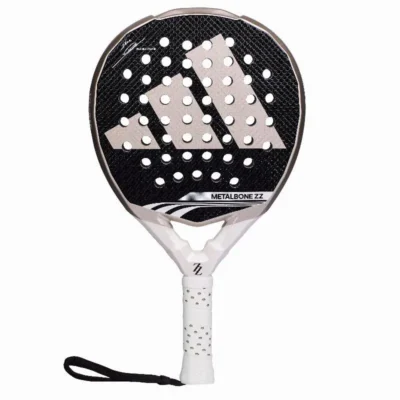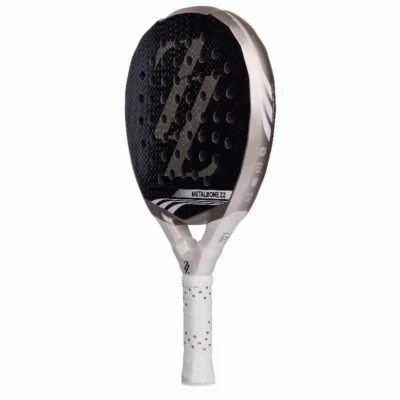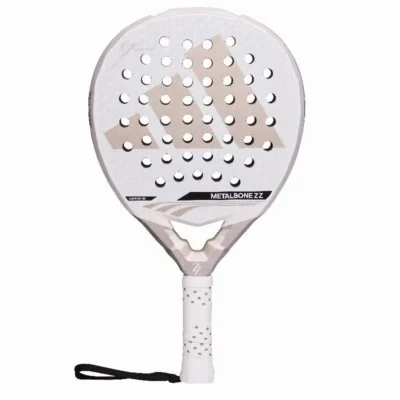
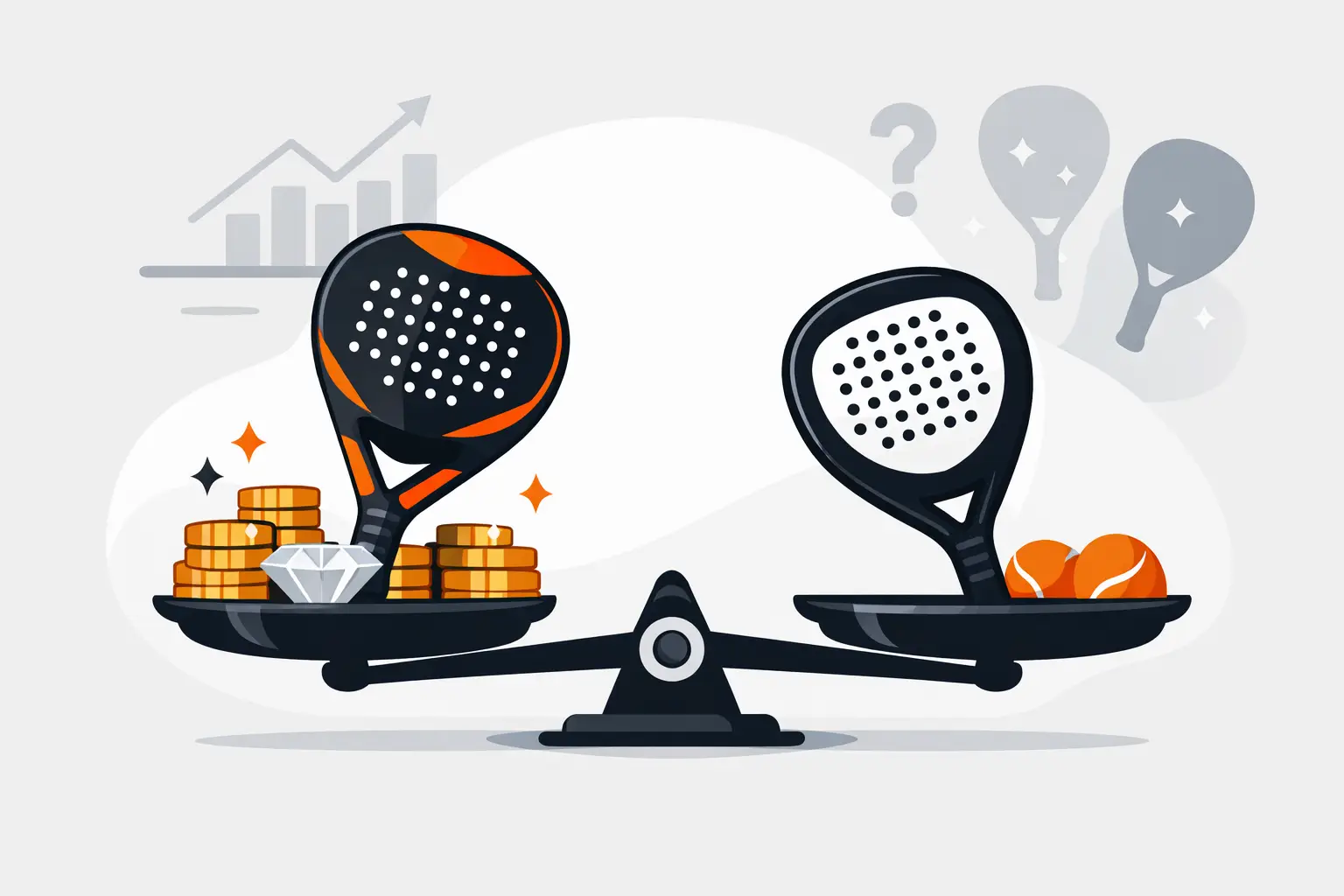
You feel it straight away when you pick one up. The finish looks sharper, the balance feels more deliberate, and the price tag is usually doing none of the calming. So, are expensive padel rackets worth it? Sometimes yes. Sometimes absolutely not. It depends less on the racket itself and more on how you play, what you need, and whether you will actually notice the upgrade once the match starts.
The biggest mistake buyers make is assuming that a higher price automatically means a better experience for every player. In padel, that is not how it works. An expensive racket can be a brilliant investment for the right player and a frustrating waste of money for the wrong one.
What you are really paying for
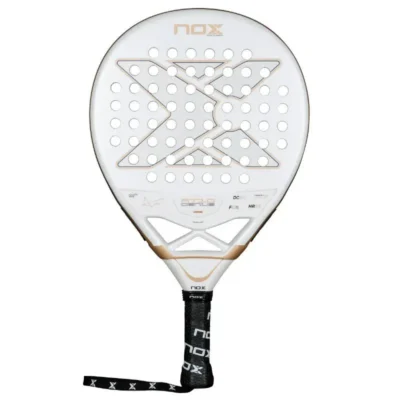
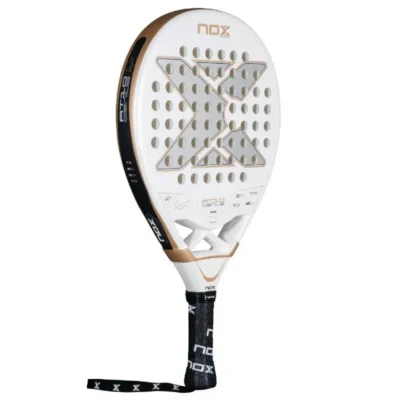
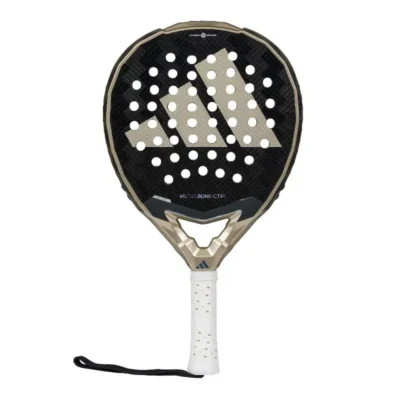
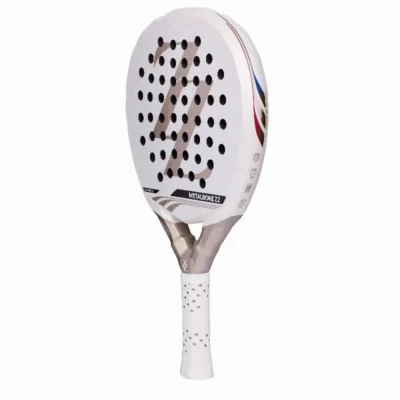
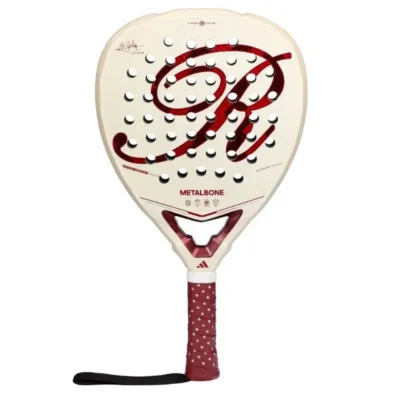
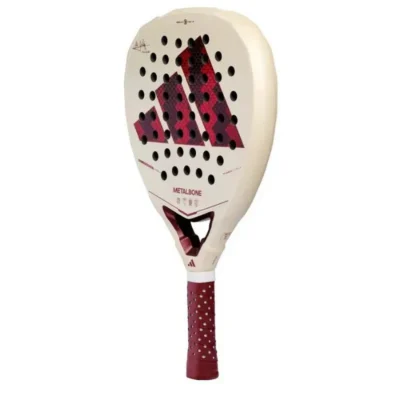
Once you move beyond entry-level rackets, the extra cost usually comes from a mix of materials, construction and performance tuning. Premium rackets often use higher-grade carbon, more advanced foam cores, better vibration control and more refined weight distribution. Brands such as Adidas, Babolat, Bullpadel, Head, Nox, Starvie and Wilson also charge for research, player-endorsed ranges and flagship positioning.
That does not mean the price is only marketing. Better materials can change how a racket feels on contact, how stable it is under pressure and how long it keeps its playing characteristics. A cheaper racket may still play well, but premium models often offer a more precise combination of power, control and comfort.
The key word is precise. Expensive rackets are rarely built to please everyone. They are usually designed to do specific things better.
Are expensive padel rackets worth it for beginners?
Usually, no.
If you are new to padel, your priorities should be forgiveness, comfort and ease of use. A beginner benefits more from a racket with a generous sweet spot, manageable weight and softer feel than from a demanding top-end model built for fast hands and aggressive finishing.
This is where expensive rackets can work against you. Many premium rackets are less forgiving, especially power-focused diamond shapes with head-heavy balance. They can feel great in the hands of an advanced player, but for a beginner they often make timing harder, reduce control and put more strain on the arm.
There is also a simple truth that matters: beginners improve quickly. The racket that feels exciting today may not suit you in six months, once your technique, positioning and shot selection change. Spending big too early can lock you into the wrong spec.
For most new players, a sensible mid-range control or hybrid racket is the smarter buy. You get recognised brand quality without paying for performance you cannot yet use.
Where expensive rackets start to make sense
For intermediate and advanced players, the answer changes.
Once you have a repeatable technique, know your playing style and can feel differences in balance, touch and output, premium rackets become far more worthwhile. At that point, you are not just buying a badge or a cosmetic finish. You are buying a tool that supports the way you compete.
An intermediate player might notice that a better racket gives more confidence on volleys, cleaner response on bandejas or better control in defensive situations near the glass. An advanced player may be looking for something even more specific, such as extra bite on overheads, faster handling at the net or a firmer response in high-speed exchanges.
That is when paying more can save you from compromise. Instead of choosing a racket that is simply decent at everything, you can choose one that genuinely suits your game.
Performance gains are real, but not always dramatic
This is the part many shops gloss over. A premium racket can improve your performance, but it will not transform your level overnight.
If your technique is inconsistent, your footwork is late or your shot selection is poor, a £300 racket will not fix that. In some cases, it may highlight those issues even more because high-performance rackets tend to be less forgiving.
The gains are usually more subtle than people expect. Better feel on softer shots. More stability when blocking pace. Slightly easier access to power when the timing is right. Better confidence because the racket responds the same way more often. Those details matter, especially in competitive matches, but they are still details.
So if you are asking whether an expensive racket is worth it because you want instant results, the honest answer is probably no. If you want a better-matched racket that rewards a more developed game, then yes, it can be money well spent.
The biggest difference is fit, not price
A well-chosen mid-range racket will almost always outperform an expensive racket that does not suit the player.
That is why shape, balance and feel matter more than chasing the top shelf. Round rackets tend to favour control and forgiveness. Teardrop or hybrid models aim for balance across the court. Diamond rackets usually target players who want more attacking power and can handle a smaller, higher sweet spot.
Then there is weight and balance. A lighter racket may feel quicker and kinder on the arm, while a heavier or more head-heavy model can add stability and punch. Core firmness changes how the racket reacts at different speeds. Surface texture can influence spin and grip on the ball.
These factors affect your game far more directly than the number on the price tag. If you shop smart, you can often find a discounted premium racket or a strong mid-range option that gives you exactly what you need without overspending.
Durability matters if you play often
One area where expensive rackets can justify themselves is longevity, though even here there is nuance.
Premium construction can mean better structural integrity, more consistent performance over time and materials that hold up well under regular use. If you play several times a week, a better-made racket may keep its feel and response longer than a cheaper one.
But padel rackets are still sports equipment, not heirlooms. They wear down, they can crack, and accidental knocks against glass or fencing happen at every level. Paying more does not make a racket indestructible. If you are rough on equipment or still learning court positioning, durability alone is not a strong enough reason to go straight for the most expensive option.
When the price premium is mostly wasted
There are a few situations where spending more tends to make less sense.
If you only play occasionally, you may not get enough court time to notice the finer performance differences. If you are still unsure whether you prefer control, hybrid or power, locking into a premium specialist racket can be premature. And if you are shopping mainly because a certain model is popular with pro players, it is worth pausing.
Professional players use rackets at a level most recreational players simply do not. Their timing, strength and technique allow them to get the best from demanding frames. That does not mean the same racket will help your game.
There is nothing wrong with wanting a premium model. Just make sure you are buying it for your needs, not for someone else’s highlight reel.
How to tell if an expensive racket is worth it for you
Ask yourself three practical questions.
First, do you already know your playing style? If you can clearly say you want more control in defence, faster handling at the net or extra power on overheads, you are in a much better position to benefit from a premium racket.
Second, do you notice racket differences during play? If balance, touch and firmness all feel the same to you right now, paying top price is unlikely to bring full value.
Third, are you choosing between good options or trying to buy improvement? The best racket purchase comes from matching your level and style, not from hoping the most expensive model will solve everything.
For many players, the sweet spot is not entry-level and not ultra-premium. It is the middle ground where established brands offer quality materials, strong performance and better value. That is often where confident buying starts.
Shop smart, not just expensive
A high price can reflect genuine quality, but value is about fit. The right racket for your level will help you play better, enjoy matches more and develop with confidence. The wrong expensive racket can leave you fighting the equipment instead of improving your game.
If you are comparing models, narrow your choice by skill level first, then by playing style. That is usually the fastest way to avoid overspending on features you do not need. At 7padel, that practical approach matters because it helps players find the right match rather than simply the highest price.
A better racket should make the game feel clearer, not more complicated. If the expensive option genuinely suits your level, style and frequency of play, it can be worth every euro. If not, the smarter buy is the one that lets you step on court feeling comfortable, confident and ready for the next point.