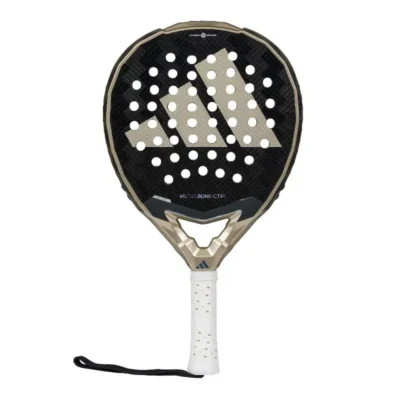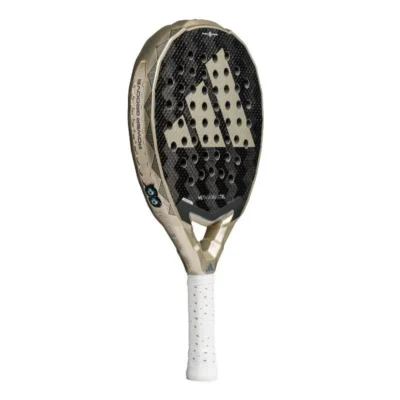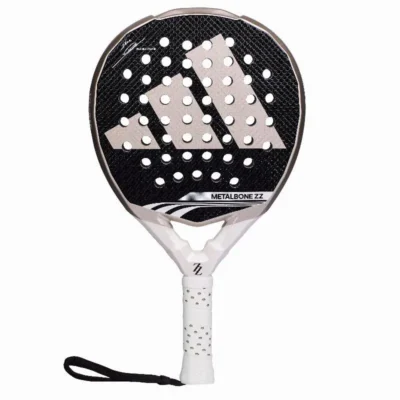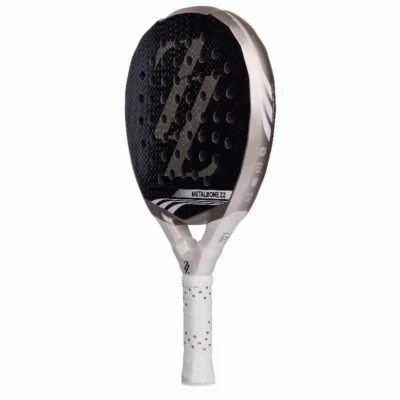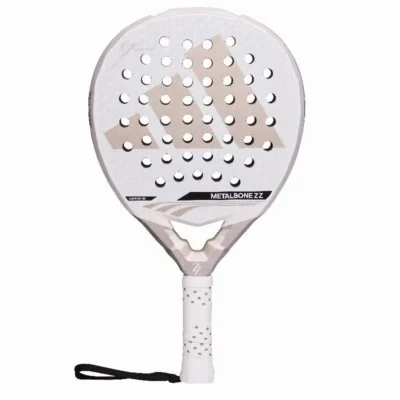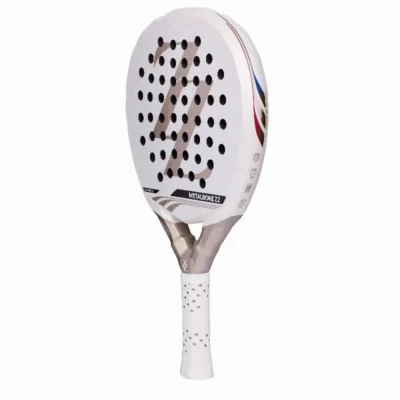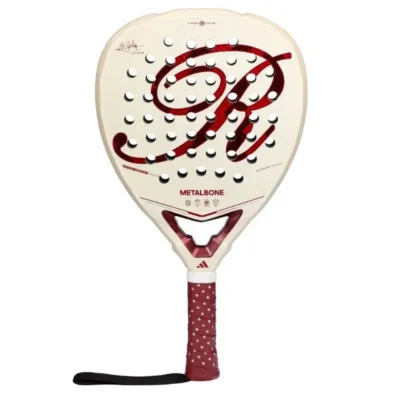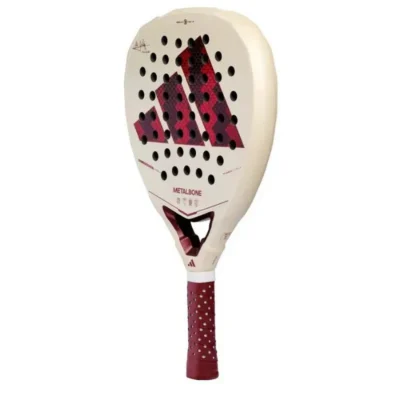
If you’re looking at the Adidas Metalbone, you’re probably not shopping for a forgiving starter racket. This adidas metalbone padel review is for players who want to know one thing before spending serious money – does it actually help you play better, or does it just look the part?
The short answer is that the Metalbone is a serious power racket with real performance upside, but it is not for everyone. It rewards confident technique, fast preparation and an attacking mindset. If that sounds like your game, it can feel brilliant. If not, it can feel demanding from the first few rallies.
Adidas Metalbone padel review: first impressions
The Metalbone range has built its reputation around power, firmness and a very distinctive frame design. In hand, it feels premium straight away. The balance tends to sit on the higher side, and that immediately tells you what kind of racket this is. It wants to help you hit hard, especially overhead.
On court, the first thing most players notice is the punch. Smashes, viboras and aggressive volleys come off the face with plenty of speed. There is very little sense of the racket doing soft, easy work for you. Instead, it gives back what you put in. Hit with intent and good timing, and the response is lively and strong.
That also means the learning curve can be real. A power-focused racket with a firmer feel and higher balance usually asks more from your arm and timing than a softer, round control model. So while the Metalbone can impress quickly, it can also expose technical weaknesses just as quickly.
How the Metalbone plays
The easiest way to understand the Metalbone is to break it down by the shots that matter most.
Power and overheads
This is where the racket earns its reputation. On smashes and attacking overheads, the Metalbone feels explosive. Players who generate good racket head speed will appreciate how much pace they can produce, and the higher balance helps put extra weight through the ball.
If you like finishing points rather than building them slowly, this is a big plus. The racket encourages aggressive play near the net and can make your attacking game feel more dangerous. For advanced players, that alone may justify the price.
Volleys and net play
At the net, the Metalbone is crisp and direct. It feels stable on firm volleys, and when you meet the ball cleanly, you get a very satisfying response. Fast exchanges can be a strong area for this racket because it has enough structure to hold up under pressure.
The trade-off is touch. In softer hands, it can still perform well, but it does not naturally offer the plush, forgiving sensation that some players prefer for drop volleys and more delicate placements. If your net game is based on feel rather than punch, there may be better options.
Defence and back-court control
This is usually the area where opinions split. From the back of the court, the Metalbone can feel less forgiving than a control or hybrid racket. Defending low balls or resetting points under pressure takes cleaner technique because the racket does not provide easy lift in the same way a softer model might.
For stronger players, this is manageable. They will often accept a slightly tougher defensive experience in exchange for the attacking benefit. For intermediate players who spend too much time reacting late or defending the glass, the Metalbone may feel harder work than expected.
Comfort and arm feel
Comfort depends a lot on your level, timing and how often you play. Players with good mechanics often get on well with firmer, power-led rackets. Players who are slightly late on contact, or who play several times a week and already feel strain in the elbow or shoulder, may find the Metalbone less forgiving.
That does not make it harsh by default. It simply means this racket is better suited to players who can handle a more direct, solid response. If comfort is high on your priority list, a softer Adidas option or a more balanced hybrid racket may be a safer choice.
Who should buy the Adidas Metalbone
This racket makes the most sense for advanced players and confident intermediates with an attacking style. If you enjoy taking the ball early, playing aggressively at the net and looking for extra impact on overheads, the Metalbone fits that brief very well.
It also suits players who already know they prefer a firmer feel. Some rackets give more comfort and margin for error, but they can feel vague to players who want a sharp, connected response. The Metalbone gives more feedback and more authority when you strike the ball cleanly.
If you are still developing consistency, though, it may be more racket than you need right now. A lot of players buy into the idea of a top-end power racket before their game is ready for it. There is nothing wrong with ambition, but the wrong racket can make improvement slower rather than faster.
Who should avoid it
Beginners should generally look elsewhere. The Metalbone is not built to make the game easy in the early stages, and newer players will usually improve faster with a lighter, softer and more forgiving racket.
Intermediate players who prioritise control, comfort or defensive stability should also think carefully. If your best padel comes from placement, consistency and building points patiently, a round or teardrop shape may suit you better. The Metalbone is more about pressure than patience.
And if you have had arm discomfort before, this is one to test carefully or skip. A racket can be excellent and still not be the right fit for your body.
Adidas Metalbone padel review: value for money
The Metalbone sits in the premium part of the market, so value depends on whether you will use what it offers. For the right player, it can absolutely be worth the money. The build feels high-end, the performance is clear, and it delivers the kind of power many advanced players are specifically looking for.
For the wrong player, it is an expensive mismatch. Paying more does not automatically mean playing better. If your current level does not let you take advantage of the racket’s strengths, a cheaper and more suitable option will usually deliver more on court.
That is why buying by level and playing style matters more than buying by headline appeal. A racket should fit your game now, not just the version of your game you hope to have six months from now.
How it compares with other racket types
Against a round control racket, the Metalbone gives you more power and more attacking presence, but less forgiveness and easier defence. Against a hybrid racket, it usually feels more specialised. You gain extra punch, but you give up some all-round comfort and versatility.
Compared with other premium power rackets, the Metalbone holds its place well. It has that firm, assertive character better players often like, and it feels built for aggressive padel rather than compromise. The deciding factor is less about quality and more about fit.
If you are unsure, the smart move is to be honest about your match play. Ask yourself where you win points. If the answer is overhead pressure, firm volleys and finishing at the net, the Metalbone makes sense. If the answer is consistency, defence and control from the back court, it probably does not.
Final verdict
The Adidas Metalbone is a very good racket, but it is not a universal one. It is best for players who want a premium power frame and have the technique to use it properly. In that setting, it can feel fast, aggressive and genuinely match-winning.
If you are between levels, be careful not to buy it for the name alone. The best racket is not the most demanding one. It is the one that helps your strengths show up more often. If you want help finding that balance, you can browse rackets by level and playing style at 7padel.ee and shop with a bit more confidence.
Choose the racket that suits the way you actually play, and the right shots tend to come more naturally.