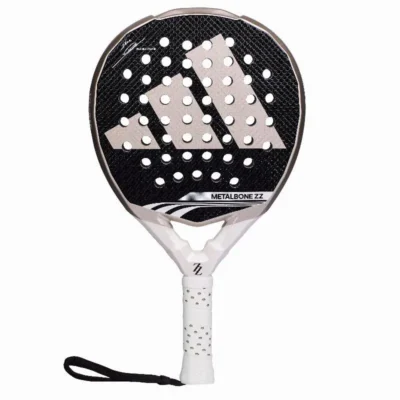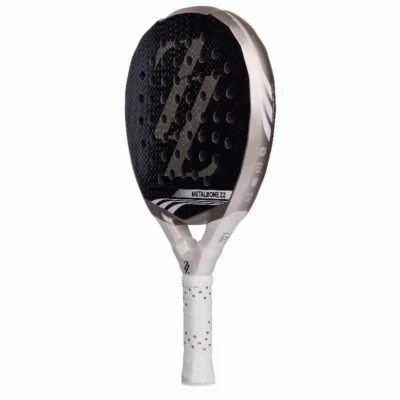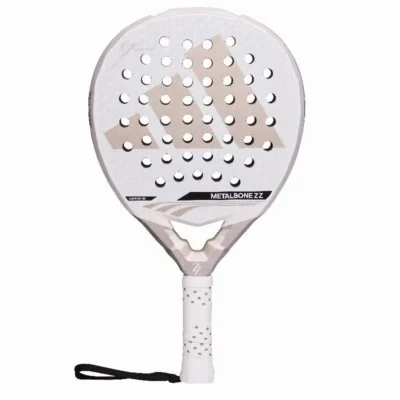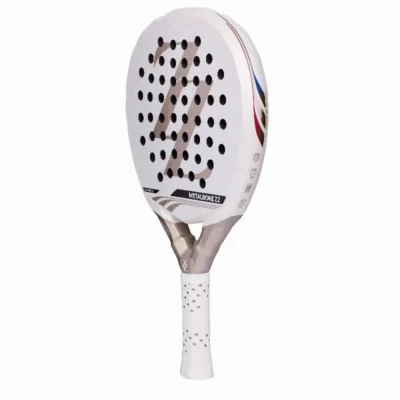
You feel racket balance before you understand it. One racket seems quick at the net and easy on the arm. Another gives you heavier smashes but feels slower in defence. That is exactly why a good padel racket balance guide matters – balance changes how a racket moves, how it hits, and how comfortable it feels over a full match.
If you are shopping online, balance is one of the fastest ways to narrow your options. You do not need to get lost in technical jargon. Once you know whether you prefer low, medium or high balance, choosing the right racket becomes much simpler.
What racket balance actually means
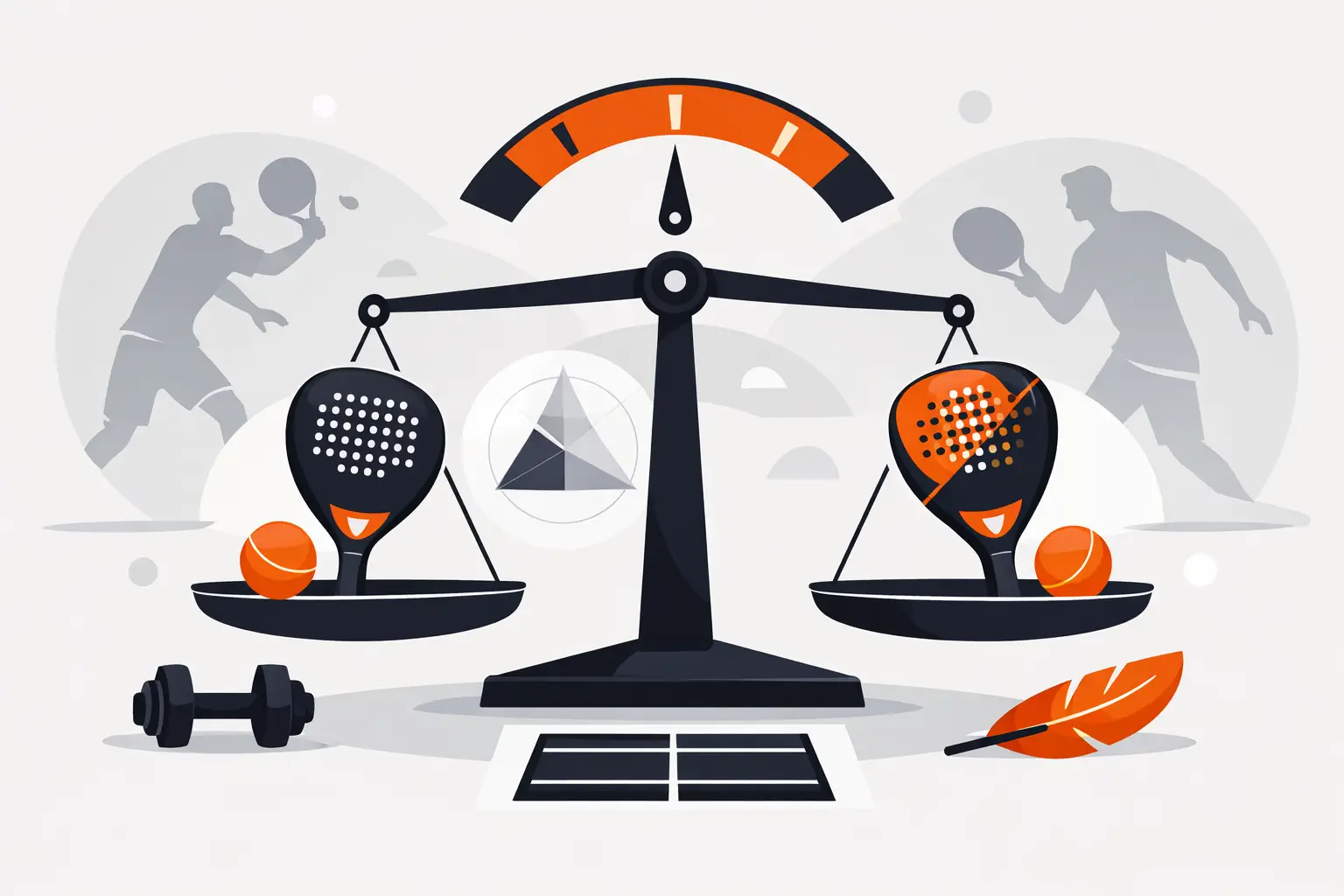
Balance refers to where the weight is distributed in the racket. It is not just the total weight on the spec sheet. Two rackets can both weigh 365 grams, yet feel completely different in the hand because the mass sits in different areas.
A low-balance racket keeps more weight closer to the handle. A high-balance racket places more of that weight towards the head. A medium-balance racket sits in between and aims to offer a more neutral feel.
This matters because your hand does not only carry the racket – it also has to move it quickly, stop it, and redirect it. The further the weight sits from your hand, the more demanding the racket feels during fast exchanges.
Padel racket balance guide: low, medium and high
Low balance
Low-balance rackets are usually the easiest to manoeuvre. They feel quicker in hand, especially on volleys, blocks, defensive retrievals and reaction shots close to the body. For beginners, they are often a sensible starting point because they help with control and reduce that heavy, sluggish feeling some players get from more demanding rackets.
They can also be a very good fit for experienced players who build points with placement, consistency and touch rather than pure finishing power. If you spend a lot of time defending from the back of the court or like to reset rallies, low balance often feels forgiving.
The trade-off is simple. You may not get the same natural punch on overheads and aggressive winners. Power is still possible, but you usually need better timing and more swing speed to produce it.
Medium balance
Medium balance is the all-round option. It sits between speed and stability, which is why it suits a wide range of players. If you are improving quickly, play mixed styles, or simply do not want a racket that feels too extreme in either direction, medium balance is often the safest choice.
This balance point works well for players who attack when the chance is there but still want confidence in defence. It does not usually feel as effortless to move as a low-balance racket, or as naturally powerful as a high-balance one, but it covers both jobs well enough for most club players.
If you are torn between control and power categories, medium balance is often where the best compromise lives.
High balance
High-balance rackets place more weight towards the head, which helps generate stronger impact on smashes, viboras and aggressive volleys. They often appeal to attacking players who want the racket to do more of the work when finishing points.
That extra weight in the head can give shots a firmer, heavier feel. Many advanced players like that because it rewards confident technique and assertive play. But there is a cost. High-balance rackets can feel slower on quick reactions and more tiring during longer sessions, especially if your technique is still developing.
For newer players, this is where buying the wrong racket often happens. A power-focused model can look exciting, but if it is too head-heavy, it may hurt consistency more than it helps your attack.
How balance affects your game
Balance changes four things most players notice straight away: manoeuvrability, power, control and comfort.
Manoeuvrability matters when the ball comes fast and you have little time. Lower balance helps here because the racket feels easier to position. This is useful at the net, on defensive digs, and during rapid exchanges.
Power tends to increase as balance moves higher, because more weight sits behind the hitting area. That can help on overheads and putaways. Still, power is not only about balance. Shape, core firmness and your own swing all matter too.
Control is slightly more nuanced. Many players feel more control with low or medium balance because they can prepare earlier and adjust more easily. Yet some advanced players control high-balance rackets very well because their technique is stable and they like the solid contact.
Comfort often gets overlooked. If a racket feels too demanding, your arm and shoulder will tell you. Lower and medium balances are generally friendlier for players who want a more forgiving feel over long matches.
How to choose the right balance for your level
Beginners
If you are new to padel, start with low or medium balance. You will usually get better handling, easier defence and more margin for mistakes. At this stage, the goal is not buying the most aggressive racket on the shelf. It is finding one that helps you improve timing, confidence and consistency.
A racket that feels manageable will do more for your game than one that promises huge power but leaves you late on every ball.
Intermediate players
Intermediate players have the widest choice because this is where playing style starts to matter more. If your game is based on control, placement and fast hands, low to medium balance will probably suit you best. If you are becoming more aggressive and comfortable overhead, a medium to slightly high balance can make sense.
This is the stage where honesty helps. Buy for your real game, not the version of your game you hope to have in six months.
Advanced players
Advanced players can use any balance point well, but the right choice depends on tactical identity. A left-side attacker may prefer a higher balance for extra punch. A right-side player focused on control and construction may still choose lower or medium balance for quicker handling.
At this level, balance becomes less about skill alone and more about role, tempo and personal preference.
Balance, shape and weight work together
No padel racket balance guide is complete without this point: balance should never be judged alone. Shape and overall weight change the feel too.
Round rackets often lean towards control and can pair naturally with lower balance. Diamond-shaped rackets are commonly associated with power and often feel more head-heavy. Teardrop shapes usually sit in the middle.
Then there is total weight. A lighter racket with high balance can still feel demanding because the head carries more of the load. A heavier racket with low balance may feel surprisingly manageable because the weight stays closer to the hand.
That is why specs need context. Looking at one number in isolation rarely tells the whole story.
Signs your current balance is wrong for you
If your racket balance does not suit you, the symptoms show up quickly. You may feel late on volleys, struggle to defend low balls, or find your arm getting tired sooner than expected. On the other side, you may feel you are swinging well but not getting enough weight behind attacking shots.
If defence feels good but your overheads always seem underpowered, you may want a slightly higher balance. If your smashes feel strong but your reactions at the net are too slow, you may need to move lower.
Small adjustments can make a big difference. You do not always need a dramatic change.
A simple way to narrow your choice
Start with how you win points. If you rely on placement, consistency and comfort, look first at low-balance or balanced control-oriented rackets. If you want an all-court option that does a bit of everything, medium balance is a smart place to shop. If your game is built around pressure, overheads and aggressive finishing, high balance becomes more attractive.
Then check your level and physical comfort. A racket should support your game, not fight it. For most buyers, the best choice is not the most extreme one. It is the one that feels natural from the first session and still performs in the third set.
At 7padel, that is the practical way to shop smart – match the racket to the way you actually play, and the right balance tends to reveal itself quickly.
The best racket balance is the one that makes your decisions easier on court, not harder. Choose the feel that helps you play your game with confidence, and the rest of your racket search becomes much easier.