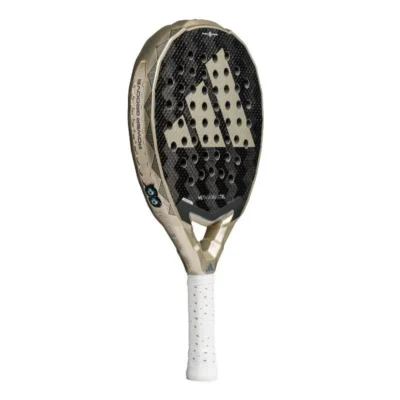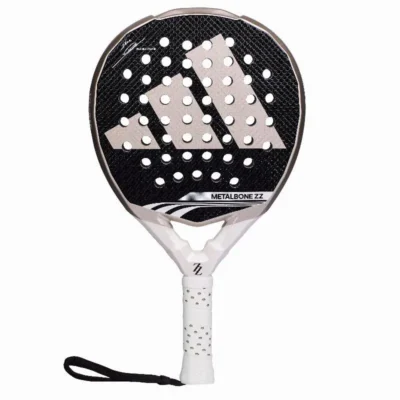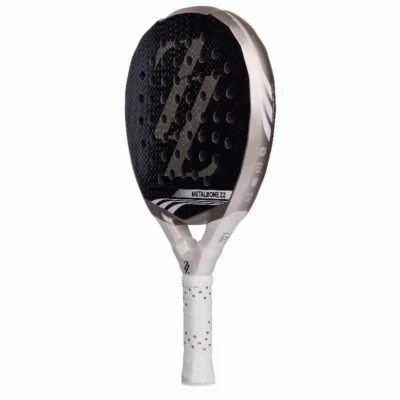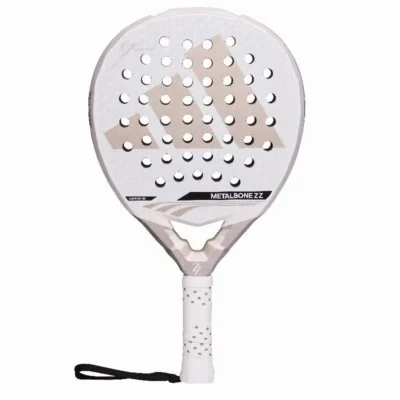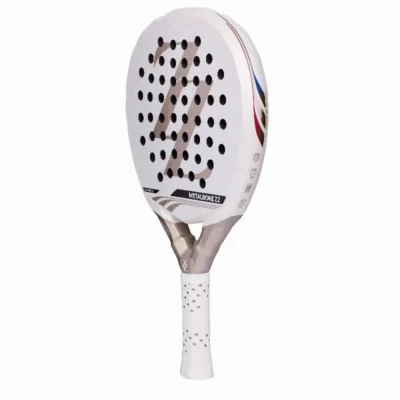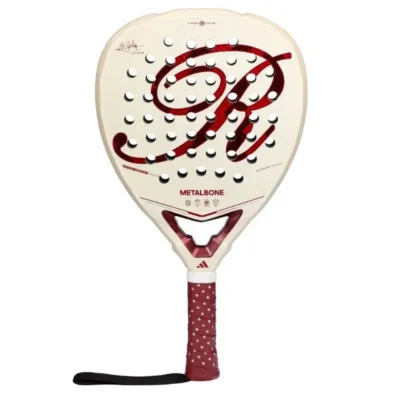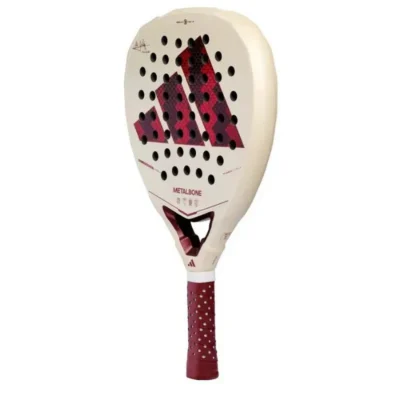
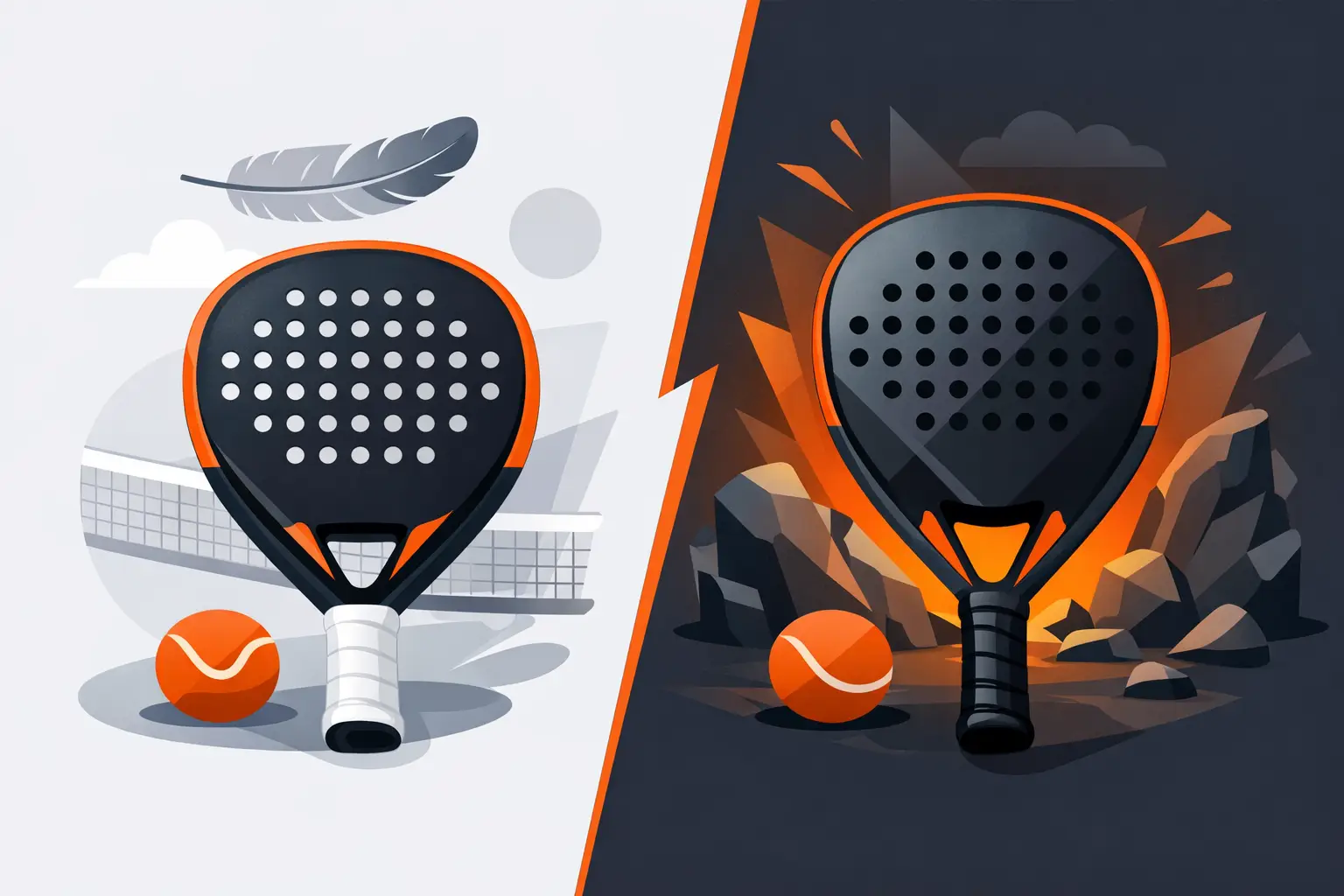
If you have ever picked up two rackets that looked nearly identical but felt completely different on court, you have already met the soft vs hard padel racket question in real life. One feels forgiving and easy from the first rally. The other feels sharper, firmer and more demanding, but potentially more rewarding when your timing is right. Choosing between them is not about picking the “best” racket. It is about finding the one that helps you play better more often.
For most players, this decision matters more than a lot of the marketing around shape or cosmetics. A racket can be round, teardrop or diamond, but if the feel is wrong for your arm, your timing or your style, it will not be the right match. The good news is that soft and hard rackets each have clear strengths. Once you understand how they behave, the choice gets much easier.
Soft vs hard padel racket: what is the real difference?
The main difference comes from the racket’s core and, to a lesser extent, the face materials. A soft racket usually has a more elastic foam that compresses more at impact. That gives you a cushioned feel, helps the ball come off the face more easily and generally makes the racket more comfortable.
A hard racket has a denser, firmer core. It compresses less, so the contact feels more direct and crisp. Many players describe this as better precision or cleaner feedback. You feel the ball for a shorter moment, and the racket tends to reward a faster, more confident swing.
That does not mean soft always equals beginner and hard always equals advanced. It often works that way, but not always. Your physical strength, technique, preferred pace and even the temperature you usually play in can affect what feels right.
What a soft padel racket does well
A soft racket helps when you want easier depth without forcing every shot. If you are still building technique, this can make a big difference. Defensive shots from the back of the court feel less demanding, slower balls are easier to lift, and off-centre contact is usually more forgiving.
Comfort is another big advantage. Players with sensitive elbows, wrists or shoulders often prefer a softer feel because the impact is less harsh. If you play several times a week, that can matter as much as raw performance.
There is also a confidence factor. A racket that gives you a bit of help can make your game feel more stable. Volleys are simpler to block back, lobs require less effort and you do not need perfect timing on every ball to stay in the point.
The trade-off is that a very soft racket can feel slightly vague on faster shots. When the pace increases, some players feel they lose a bit of precision. You may get comfort and easy output, but not always the same level of exact placement that a firmer racket can offer.
What a hard padel racket does well
A hard racket suits players who like a more direct response. If your technique is solid and you create your own racket head speed, a firmer feel can give you more control over where the ball goes. On volleys, bandejas and aggressive overheads, that cleaner feedback often feels more accurate.
Harder rackets also tend to work well for attacking players. When you hit through the ball properly, the response can be explosive in a very controlled way. You are not relying on the racket to generate the shot for you. Instead, the racket gives shape to the power you create yourself.
Many experienced players like that honesty. The racket tells you exactly what happened at contact. Strike it cleanly and the result is excellent. Arrive late or hit off-centre and you will notice straight away.
That is also the downside. A harder racket is usually less forgiving. It asks more from your timing, footwork and touch. If your game is inconsistent, a firm racket can make that inconsistency more obvious rather than helping to smooth it out.
Which one gives more power?
This is where a lot of buyers get stuck, because both soft and hard rackets can be described as powerful, just in different ways.
A soft racket can feel more powerful at lower swing speeds. You do not need to work as hard to get the ball moving, which is why many club players find them easier to use. In defence and on slower exchanges, that extra help is very noticeable.
A hard racket often gives better power potential at higher swing speeds. If you can generate speed yourself and strike the ball well, the firmer response can turn that effort into a more penetrating shot. For stronger or more advanced players, this can feel like better power overall.
So if you mean “Which racket helps me more?”, soft is often the answer. If you mean “Which racket lets me hit a heavier attacking ball when I swing properly?”, hard may be the better fit.
Which one gives more control?
Again, it depends on the player. On paper, harder rackets are often associated with more control because of the firmer, more precise feel. They do not trampoline the ball as much, so skilled players can place shots with greater confidence.
But control is not just a technical product feature. It is also about what you can repeat under pressure. If a softer racket helps you defend better, find the middle more often and reduce mishits, then that racket may actually give you more practical control in real matches.
For beginners and many intermediates, the most controllable racket is often the one that feels easiest to manage. For advanced players with developed technique, a firmer model may offer the sharper response they want.
Soft vs hard padel racket by player level
If you are new to padel, soft is usually the safer starting point. It is easier on the arm, more forgiving on off-centre hits and generally more helpful when you are still learning timing and court position. You will get more enjoyment early on and build confidence faster.
If you are an intermediate player, this is where things become more personal. A soft or medium-touch racket works well if you value comfort, defence and consistency. A firmer racket may suit you if you are becoming more aggressive, feel technically secure and want a more precise response at the net.
For advanced players, hard rackets often become more attractive because they match a faster game and reward cleaner technique. Still, plenty of strong players choose softer or medium-feel rackets because they want comfort, easier defence or a more balanced all-round performance.
Playing style matters as much as level
Your style can matter more than your official standard. A control-focused player who builds points patiently may prefer a softer or medium racket that keeps the game stable. A player who loves quick volleys, pressure at the net and attacking overheads may lean towards a firmer feel.
If you defend a lot and rely on lobs, a softer racket can make life easier. If you like to take the ball early and hit with intent, a harder racket may feel more connected to your hand.
This is why the smartest way to shop is not just beginner, intermediate or advanced. Think about how you actually win points. The right racket should support that pattern, not fight against it.
Do weather and conditions change the feel?
Yes, more than many players expect. In colder conditions, racket cores tend to feel firmer. That means a soft racket may feel closer to medium, and a hard racket can become very stiff. If you mostly play in a cool British climate or in an unheated indoor venue during winter, this is worth considering.
In warmer conditions, rackets often feel softer and livelier. A racket that feels perfect in summer might feel less forgiving in January. If you are between two options, the climate you play in most often can help make the decision.
A simple way to choose the right feel
If you want comfort, easy power, more forgiveness and a smoother learning curve, start on the soft side. If you want crisp feedback, precision on aggressive shots and you trust your technique, look towards a harder feel.
If you are in the middle, and many players are, a medium-feel racket is often the best compromise. It gives you some comfort and some firmness without going too far either way. That is why so many all-round rackets are built to sit in that middle ground.
When comparing options, do not look at softness in isolation. Weight, balance and shape still matter. A head-heavy soft racket can feel quite different from a round soft racket with low balance. The full setup matters, but feel is still one of the fastest ways to narrow the choice.
At 7padel, this is exactly where practical buying guidance helps most. You do not need a complicated spec sheet to make a smart choice. You just need a racket that fits your level, your style and the way you want the game to feel.
A good racket should make your strengths easier to use and your weaker moments less costly. If one feels natural in your hand and helps you play with confidence, that is usually your answer.