You feel it after the first few games. The racket looked great online, the brand was familiar, but on court it feels too stiff, too heavy, or oddly unforgiving. That is why choosing racket by skill level matters so much in padel. The right racket helps you enjoy the game faster, build cleaner technique and avoid paying for features you are not ready to use.
A lot of players make the same mistake – they shop by brand name or copy what stronger players use. That usually leads to buying too much racket too soon. A better approach is simpler. Start with your actual level, then narrow your options by shape, balance and feel.
Choosing racket by skill level starts with honesty
Most padel players sit somewhere between two levels, not neatly inside one. You might be new to padel but have a strong tennis background. You might play twice a week but still struggle with overhead control. So when choosing racket by skill level, be realistic about what happens in matches, not what you hope your racket says about you.
If you mishit often, feel late on volleys or lose control under pressure, you are still in the beginner to lower intermediate range for racket choice. If you can defend comfortably, reset points and vary pace, you can look at more responsive options. Advanced rackets only make sense when you can regularly generate your own power and control the sweet spot.
That is the trade-off. As rackets become more performance-focused, they often become less forgiving.
Beginner players need comfort before power
If you are new to padel, your racket should make the game easier. That means a larger sweet spot, softer feel and manageable weight. You want help with control and comfort more than explosive finishing power.
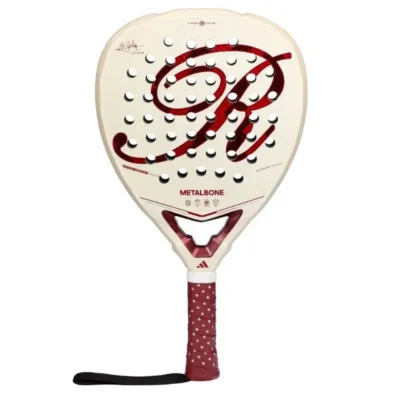
Round-shaped rackets are usually the safest place to start. Their sweet spot sits closer to the centre, which makes off-centre hits less punishing. They also tend to offer better control, which matters when you are still learning how to defend glass rebounds, block volleys and keep the ball in play.
A soft or medium-soft core is also a smart choice. It gives more comfort on contact and helps reduce the harsh feeling that can come from repeated mishits. This is especially useful if you are playing longer sessions or just getting used to padel technique.
Weight matters too. Many beginners assume lighter always means better, but it depends on your build and timing. Too light can feel unstable, while too heavy can slow your reactions and tire your arm. For most adult players starting out, a medium weight with easy manoeuvrability is a more balanced option.
At this level, avoid the temptation to buy a very hard, head-heavy diamond racket just because it promises power. If your timing is not there yet, that extra power rarely shows up when you need it.
Intermediate players should match the racket to their style
This is where things get more interesting. Intermediate players usually want more than simple forgiveness. You are improving your court positioning, hitting with better intent and starting to understand your own game. Now choosing racket by skill level becomes closely linked to playing style.
If you build points patiently and value consistency, a control-focused round or hybrid racket still makes sense. If you like to attack with bandejas, viboras and quicker put-aways, you may benefit from a hybrid or slightly more power-oriented shape.
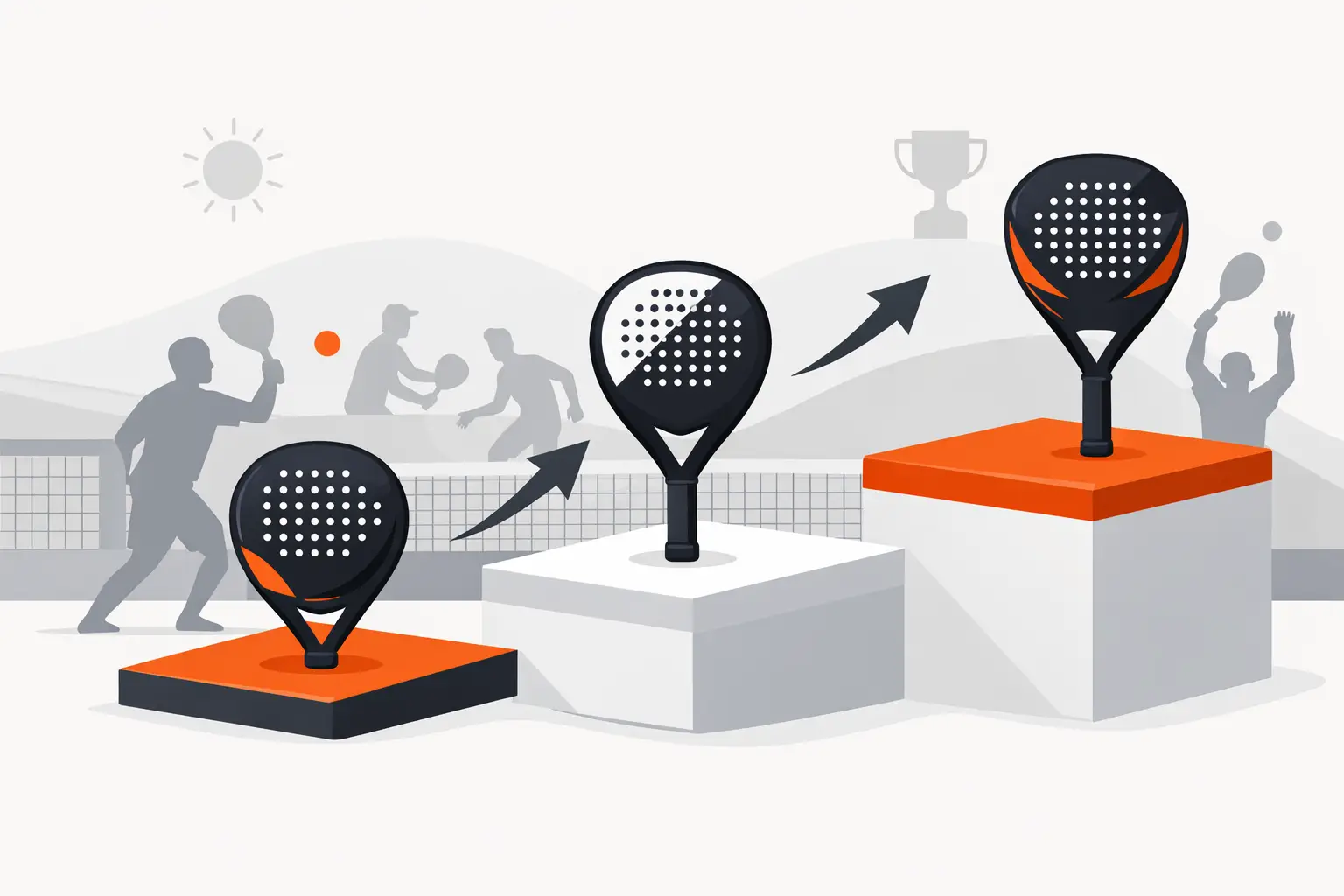
Hybrid rackets are often the sweet spot for this level. They give a blend of control and power without becoming too demanding. For many players, this is the best upgrade path because it supports improvement without punishing slight timing errors.
You should also pay more attention to balance. A lower-balance racket feels easier to manoeuvre and helps in defence. A higher-balance racket can give more punch on smashes and attacking volleys, but it asks more from your wrist, timing and confidence at the net.
The key question is simple: where do you win and lose points? If you lose points because you cannot control tempo, do not chase a power racket. If you already control rallies well but struggle to finish, then a more attacking setup could be worth it.
Advanced players can be more specific
Advanced players usually know what they want, and they can use more demanding rackets properly. This is the level where smaller sweet spots, firmer materials and more specialised balance profiles can become an advantage rather than a problem.
A stronger player with fast preparation and clean contact can get excellent results from harder rackets that deliver more precision and power. Diamond shapes and firmer faces often suit aggressive players who want to dominate at the net and finish points overhead. On the other hand, advanced players with a more tactical game may still prefer round or hybrid models for touch, placement and control under pressure.
That is worth stressing because advanced does not automatically mean power. It means you can choose based on performance detail rather than basic forgiveness. Some of the best advanced players are not using the most extreme racket available. They are using the one that fits their rhythm, position and decision-making.
If you play several times a week and compete regularly, small differences in feel start to matter more. Grip comfort, vibration response and balance through fast exchanges can all influence your confidence. At that point, a racket should support your identity on court, not just your level.
Shape, balance and feel without the jargon overload
You do not need to get lost in technical terms to make a smart choice. In practice, there are three things that matter most.
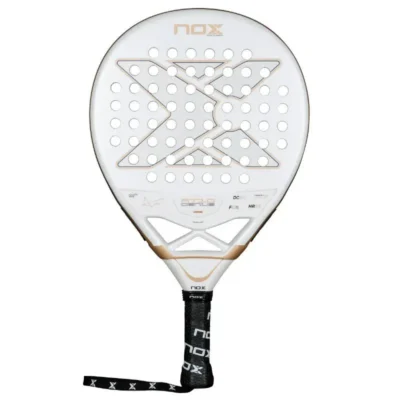
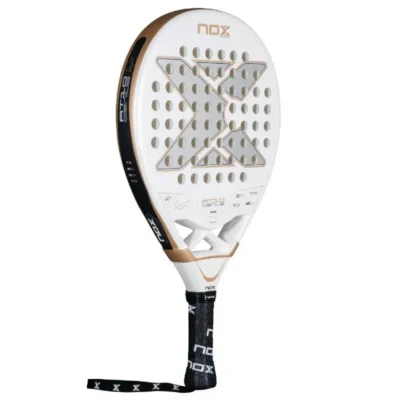
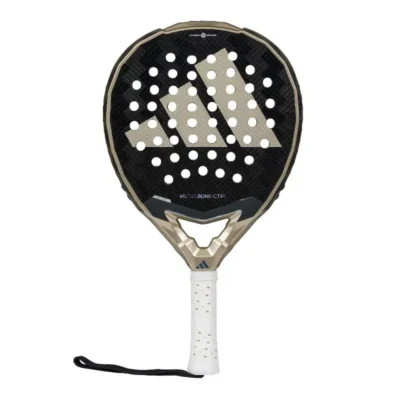
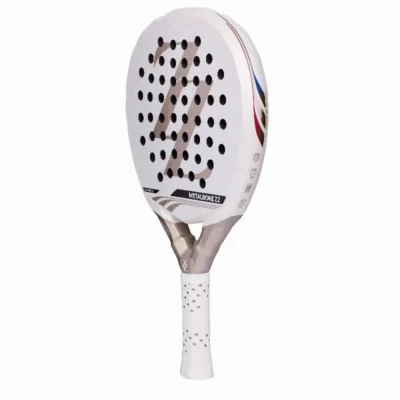
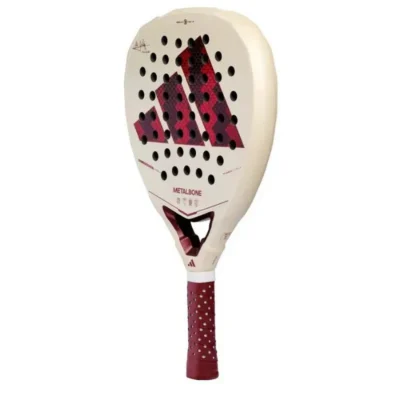
Shape affects forgiveness and power. Round rackets are typically the easiest to handle and best for control. Teardrop or hybrid shapes sit in the middle and suit all-round players. Diamond rackets lean more towards power and usually reward confident attacking technique.
Balance affects manoeuvrability. Lower balance helps with quick reactions, defence and comfort. Higher balance adds punch but can feel heavier in play, especially during long matches or fast exchanges at the net.
Feel depends on the core and face materials. Softer rackets are generally easier on the arm and more forgiving. Harder rackets can feel sharper and more precise, but they demand cleaner timing. Neither is automatically better. It depends on what you can handle consistently.
Common buying mistakes when choosing racket by skill level
The biggest mistake is buying for aspiration instead of performance. A racket designed for advanced attacking players can look like a shortcut to better padel. Usually it is the opposite. It exposes technical weaknesses and makes the game harder.
Another common mistake is ignoring comfort. If a racket leaves your arm feeling tired or your contact feeling harsh, that matters. Even if the specs sound impressive, discomfort can affect confidence and how often you want to play.
Players also tend to overvalue power. In real matches, control wins far more points than occasional big finishes. Unless you already create good racket speed and strike the ball cleanly, more power on paper does not always mean more power on court.
Finally, do not assume all rackets for the same level feel alike. Two intermediate rackets can play very differently depending on shape, balance and stiffness. That is why practical filtering by level and style is far more useful than shopping by marketing labels alone.
How to make the right choice faster
Start by identifying your level honestly. Then think about your style in one sentence. Maybe you are a beginner who wants comfort and control. Maybe you are an improving all-round player who needs a bit more finishing power. Maybe you are an advanced left-side player looking for a firmer, more attacking feel.
From there, narrow your options by shape first, then balance, then feel. This keeps the process simple. If you try to compare every technical detail at once, everything starts looking the same.
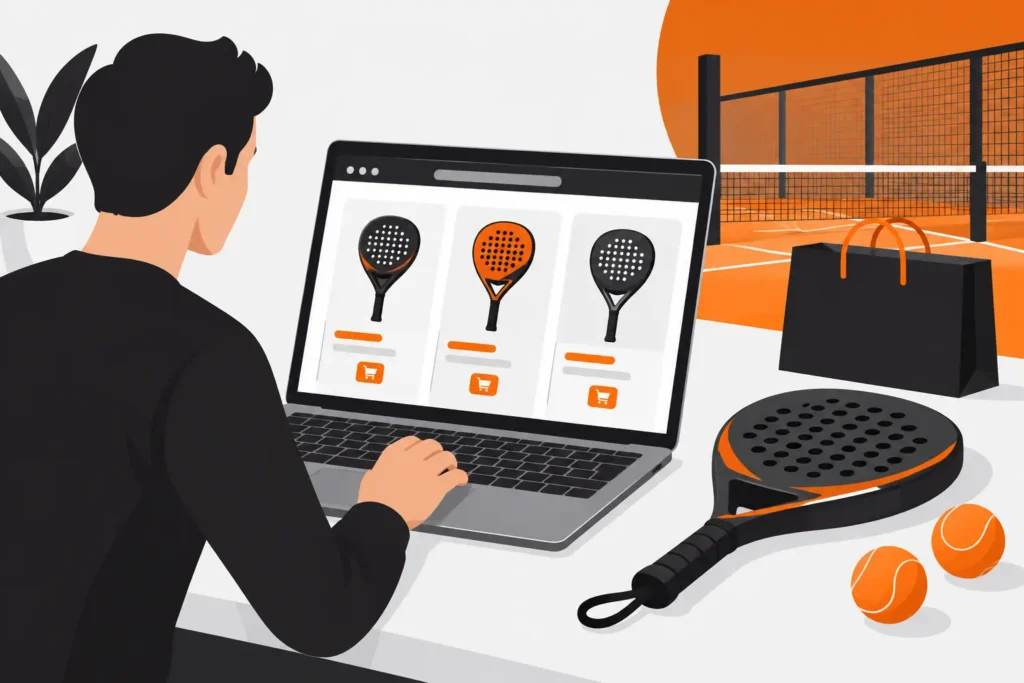
It also helps to shop from a retailer that organises rackets by level and playing type instead of forcing you to decode every spec from scratch. That makes it easier to compare trusted brands in one place and avoid paying extra for the wrong fit. At 7padel, that straightforward approach is exactly the point – helping players shop smart and play better without the usual confusion.
The best racket is not the one with the loudest claims or the newest cosmetics. It is the one that suits the player you are right now and gives you room to improve with confidence.